

Walk into any theater in 2026, and chances are you’ll see a familiar name on the marquee. From superheroes to 1980s fantasy epics, Hollywood continues to invest heavily in rebooting established intellectual properties rather than launching entirely new franchises.
Industry analysts say this trend is not accidental—it is a calculated response to changing audience behavior and rising production costs.
Why reboots dominate modern cinema
According to film economists and studio reports, several key factors drive the reboot strategy:
- Brand recognition reduces financial risk
Established titles already have built-in audiences, lowering marketing uncertainty. - Global box office appeal
Familiar franchises translate more easily across international markets than unknown original stories. - Streaming competition pressure
Studios rely on recognizable properties to guarantee opening-weekend performance.
Professor Elena Morris, a media studies researcher at UCLA, explains it this way:
“Studios are no longer just selling movies—they’re selling certainty. A known title is perceived as safer in an unpredictable market.”
The nostalgia effect
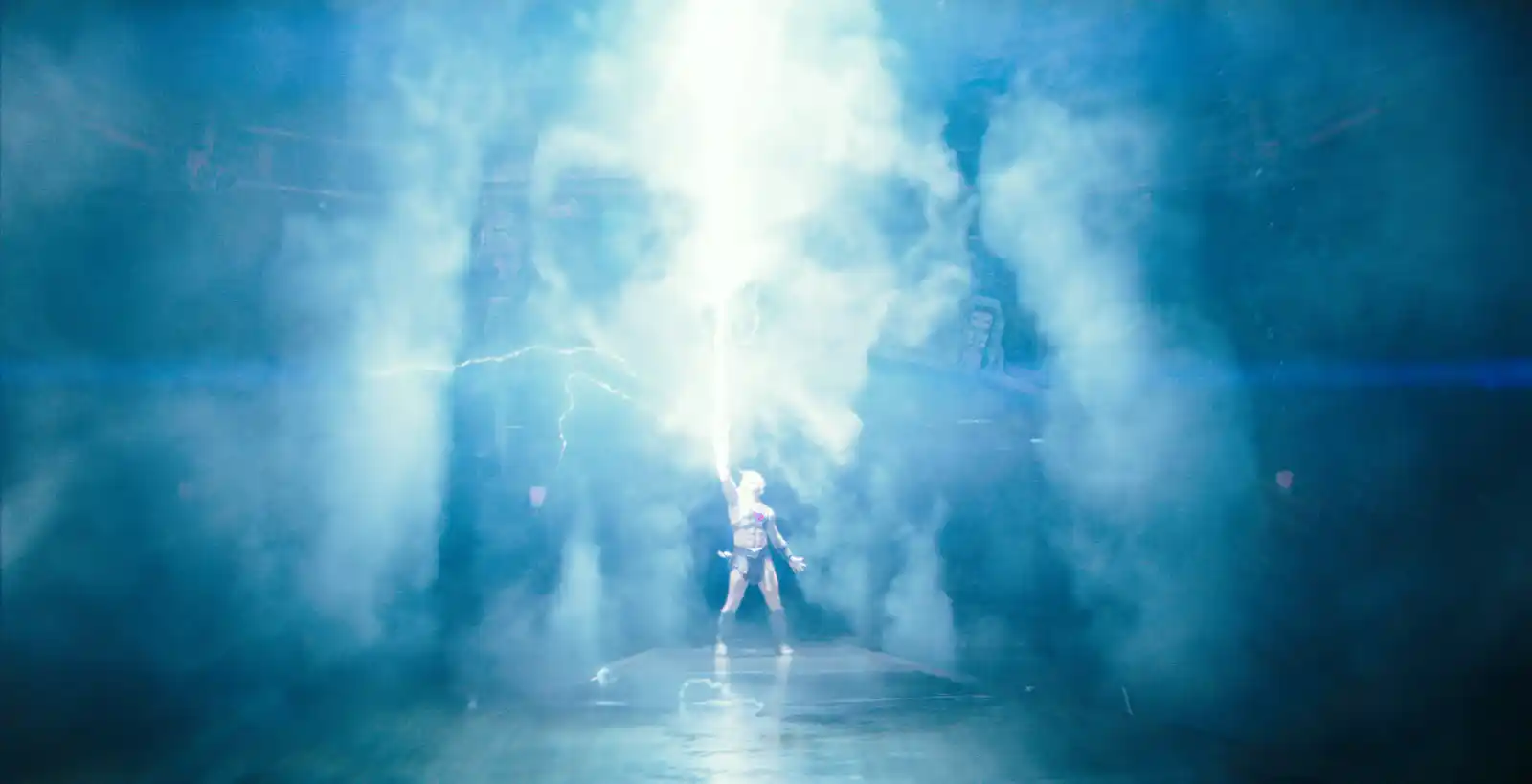
Audience nostalgia plays a major role in the success of reboots. Many modern films are aimed at viewers who grew up watching the original versions of these franchises.
Psychologists refer to this as “reminiscence marketing”—the emotional response triggered when people reconnect with media from their childhood or adolescence.
However, experts caution that nostalgia alone is not enough.
“Modern audiences expect upgraded storytelling, not just repetition,” says film critic Daniel Reyes. “A reboot has to justify its existence creatively.”
The challenge of modernization
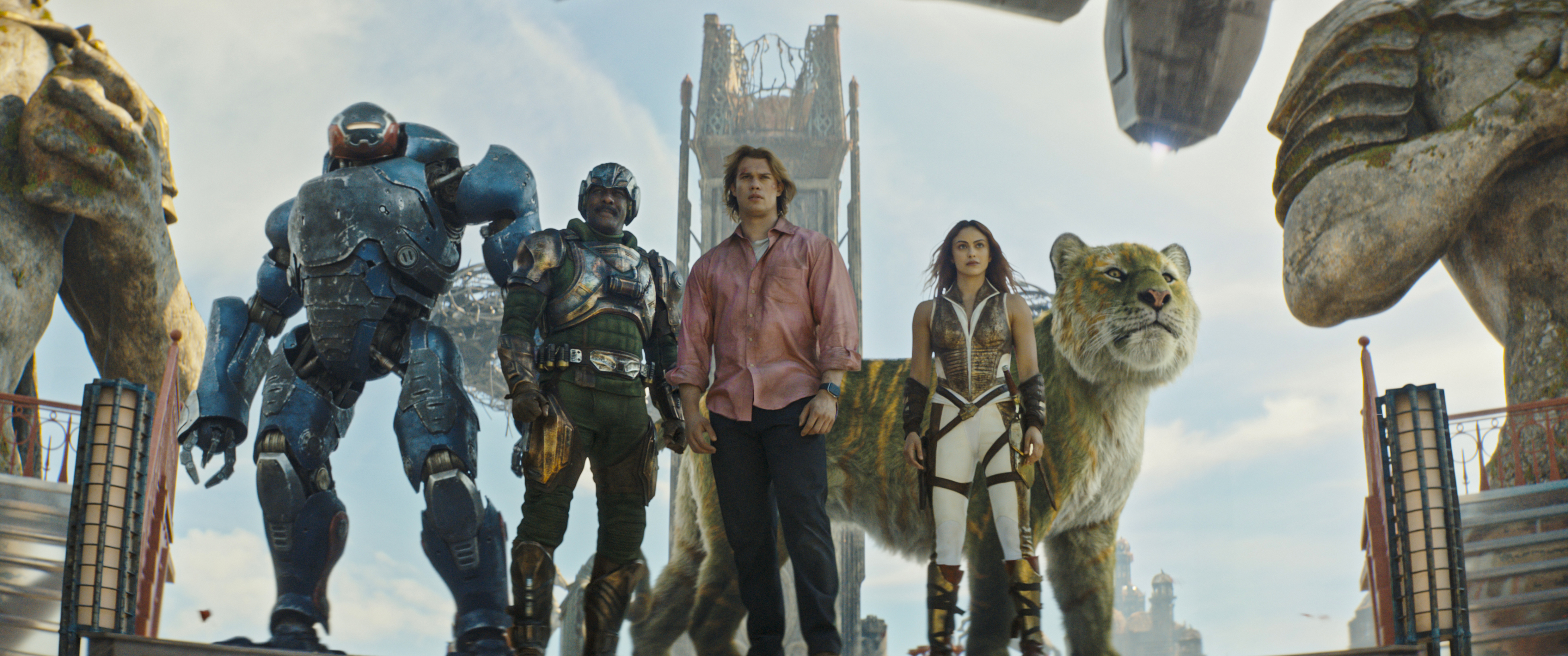
One of the biggest difficulties studios face is balancing legacy with innovation. Filmmakers must decide how closely to follow the original material while updating themes, representation, and visual effects for contemporary audiences.
This balance is often controversial. Fans of older franchises sometimes resist changes, while newer audiences expect updated pacing and storytelling styles.
Recent film production trends show increased use of:
- Advanced CGI and virtual production stages
- Expanded character backstories
- More diverse casting choices
- Serialized storytelling elements for franchise expansion
What this means for the future of film
Despite criticism, the reboot trend shows no sign of slowing. Industry forecasts suggest that established franchises will continue to dominate theatrical releases through the end of the decade.
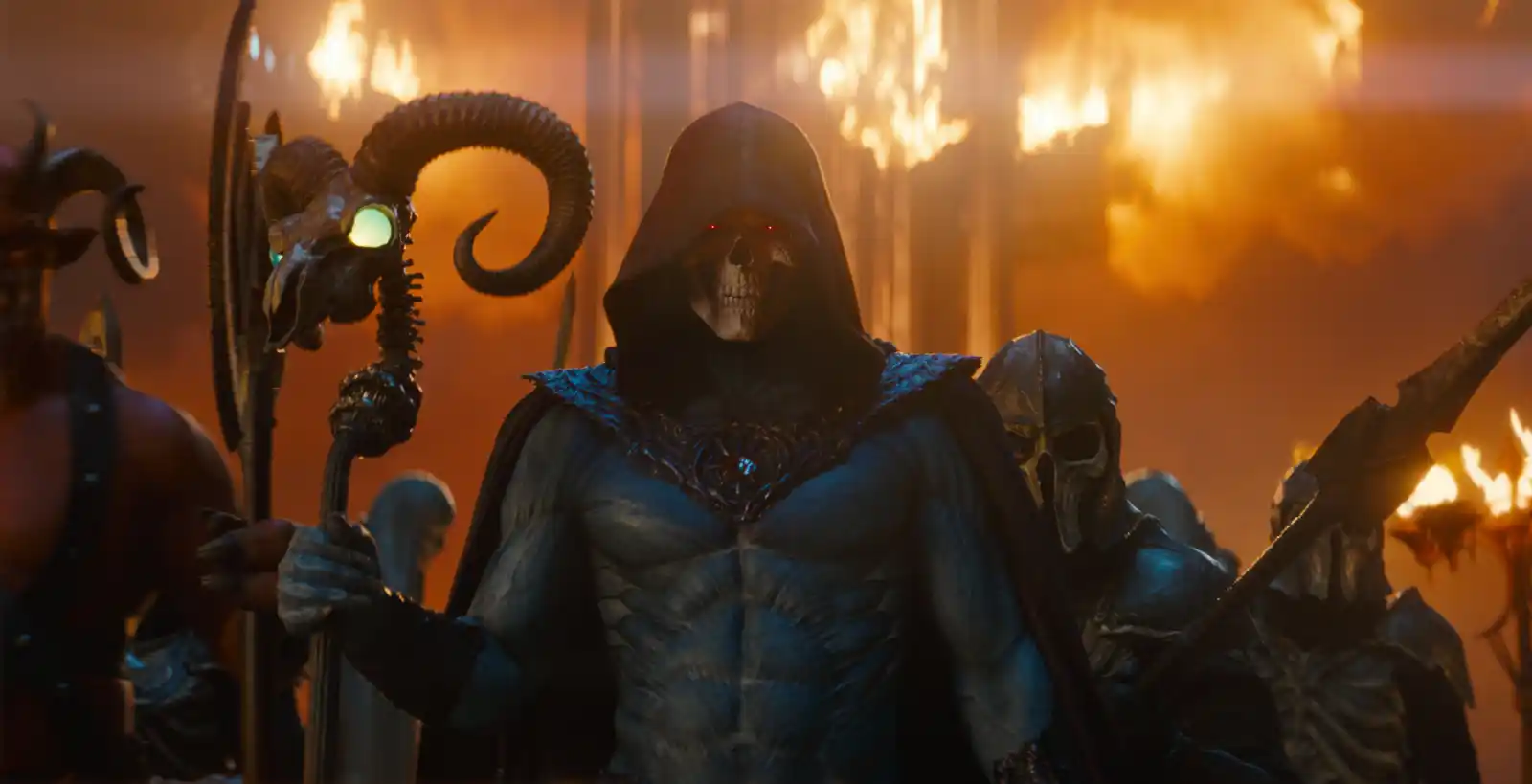
However, some studios are beginning to experiment with hybrid strategies—launching new stories within existing universes while also developing smaller original films for streaming platforms.
As one producer at a major studio summarized:
“Original ideas aren’t gone. They’re just harder to fund unless they come with a safety net.”
Conclusion
Reboots are not simply a creative choice—they are a reflection of modern entertainment economics, audience behavior, and global distribution demands. Whether this trend leads to long-term creative stagnation or a new evolution of storytelling remains an open question.
What is clear is that Hollywood’s relationship with its past is stronger than ever—and audiences are still deciding how much of that past they want to relive.