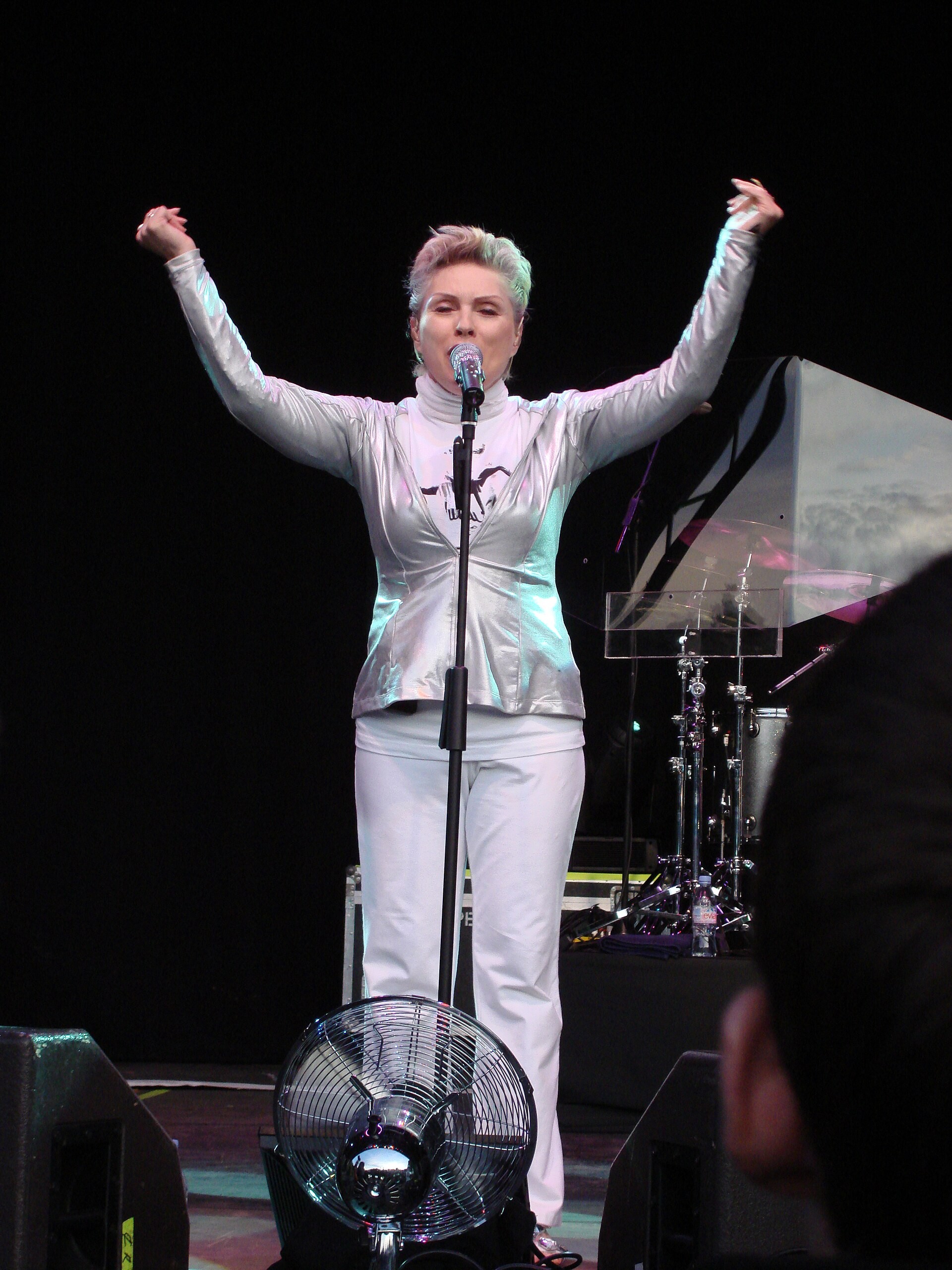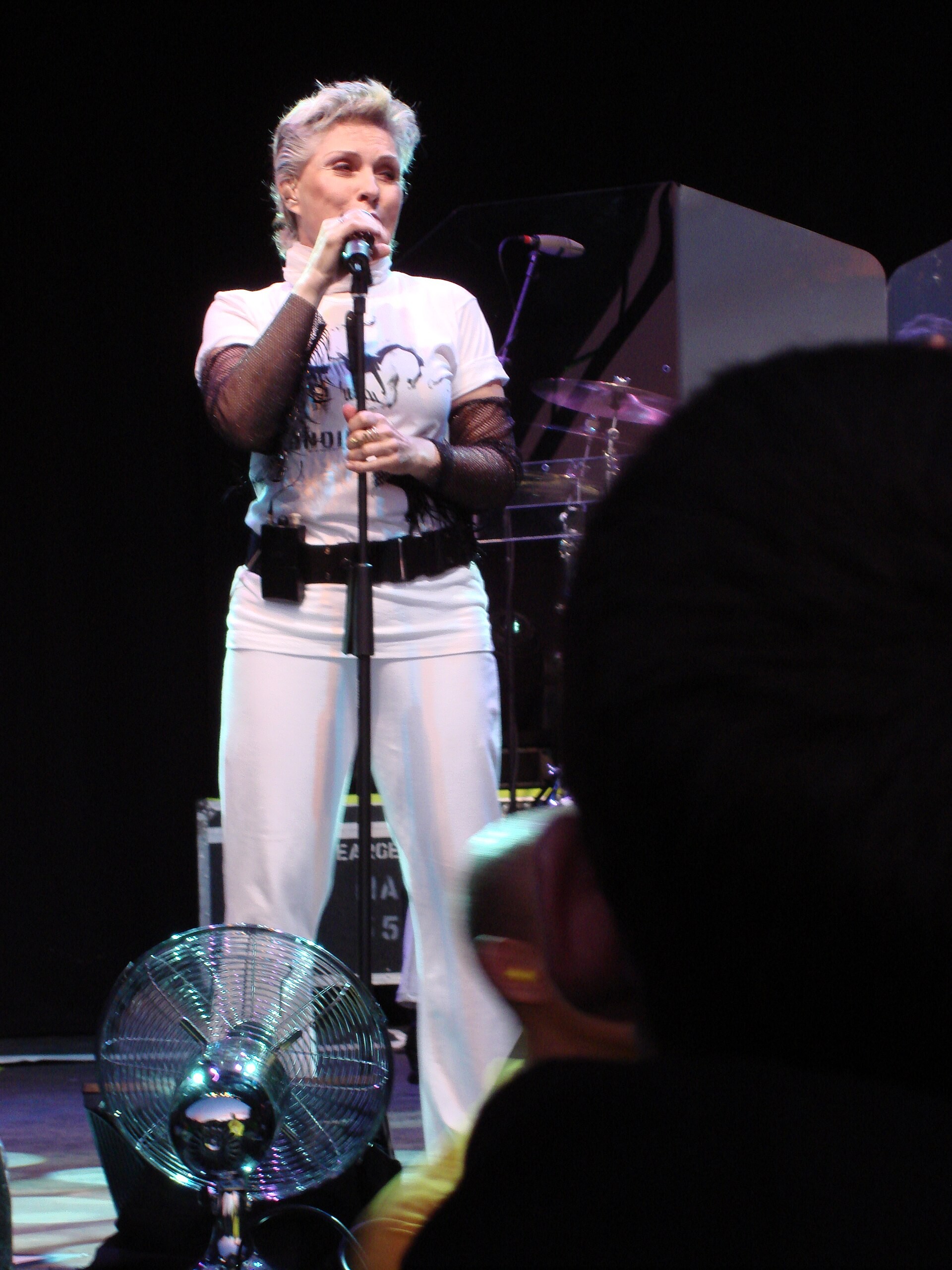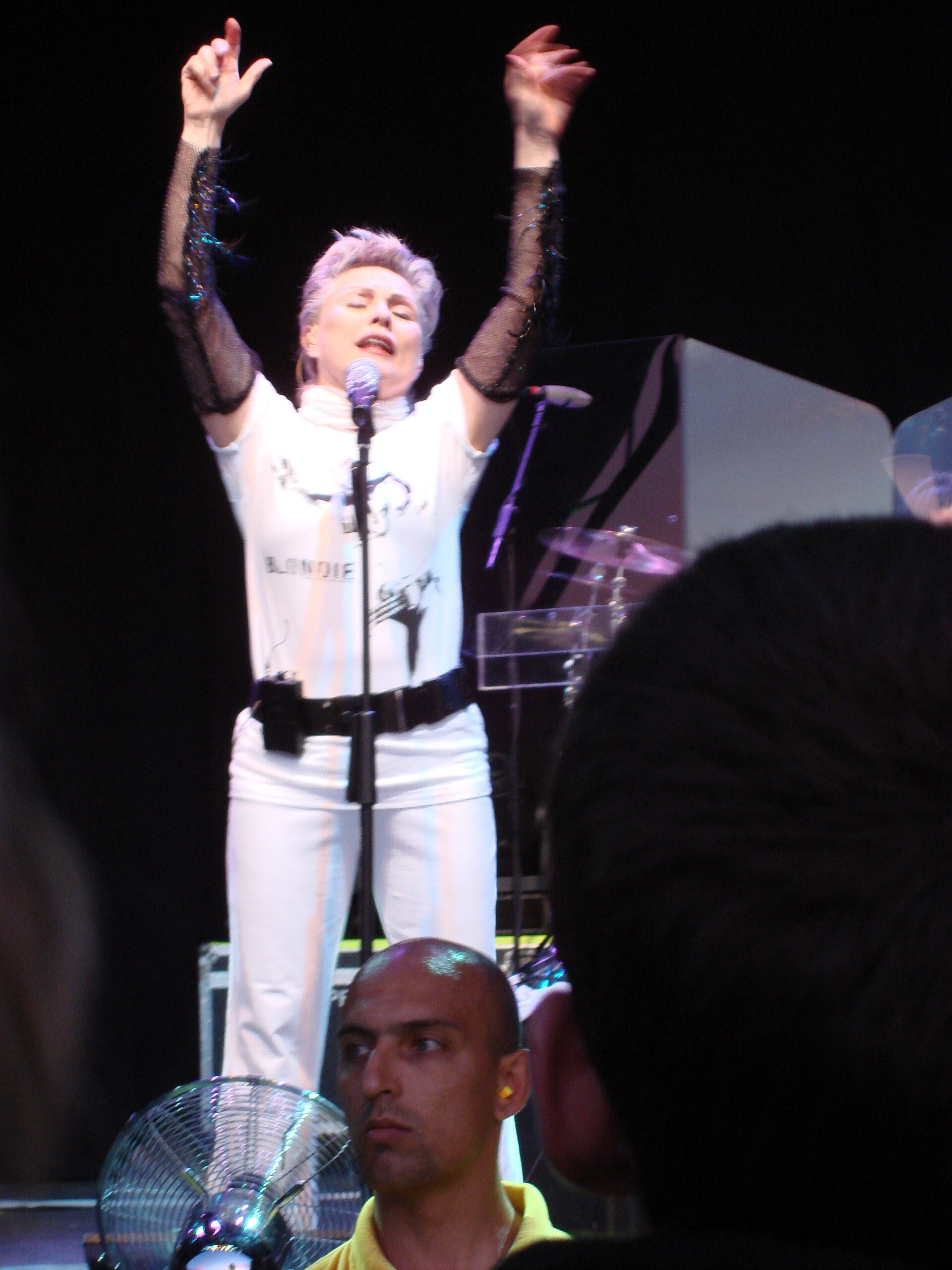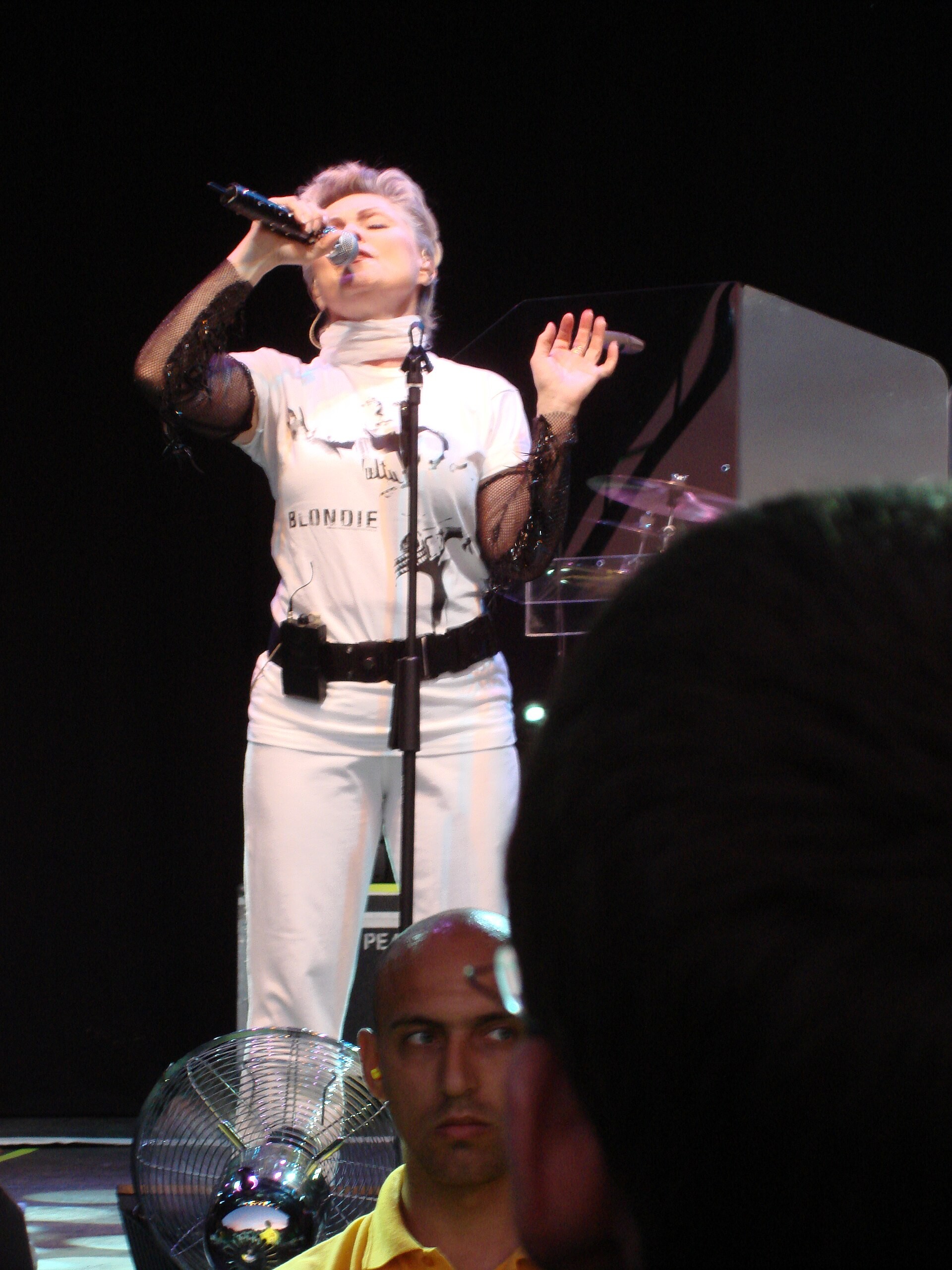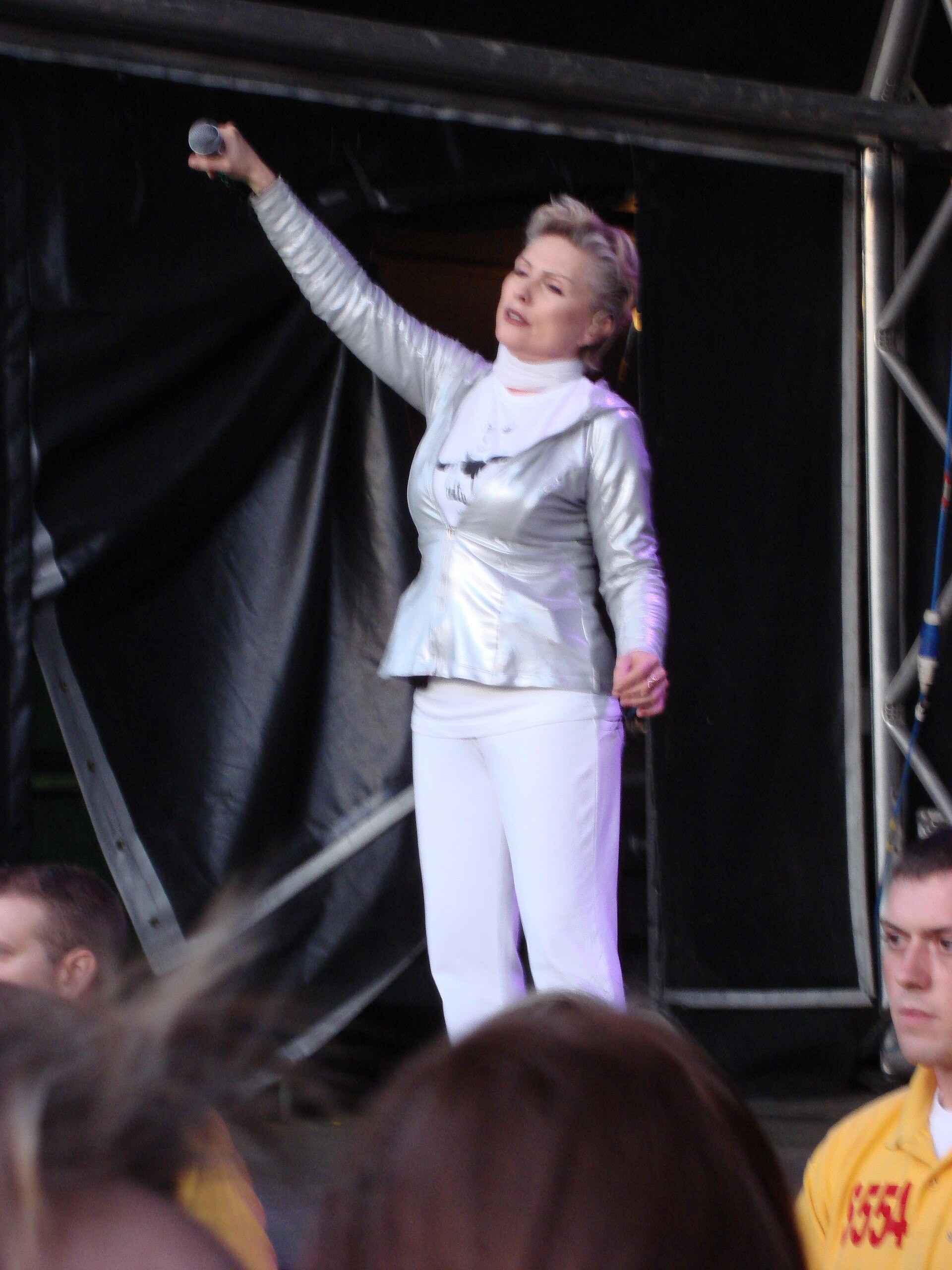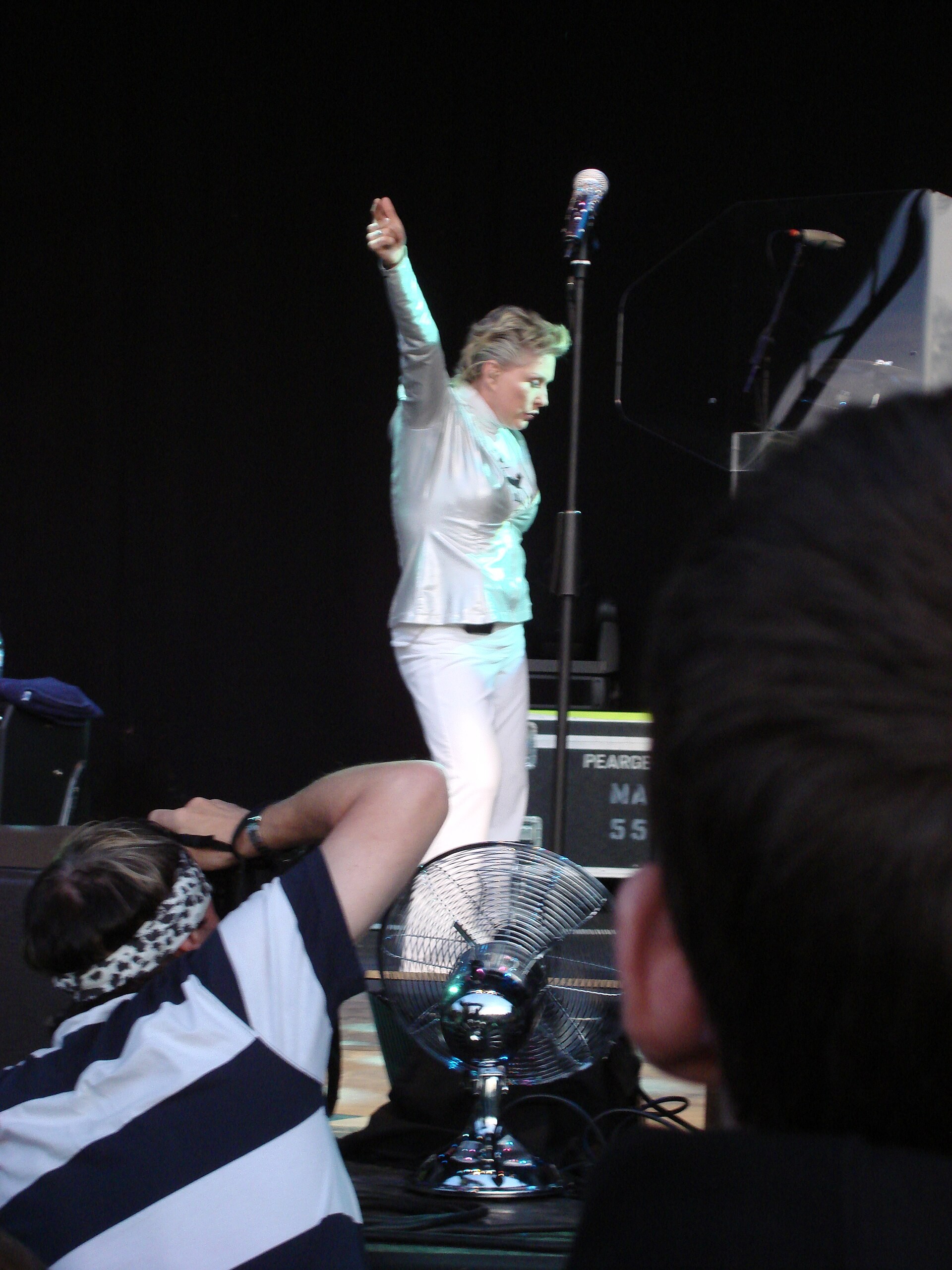
Most bands that formed in 1974 are heritage acts, content to tour the old songs and let the catalogue do the talking. Blondie never quite agreed to that arrangement. On October 15, the New York band announced High Noon, their twelfth studio album and their first collection of new material in nine years, due February 26, 2027 on BMG. This week the album's second single, "Come Back Home," arrived — a slow-building, harmony-stacked song that starts in a whisper and ends somewhere near a stadium chorus — and it confirmed what the lead single "Spectral Eyes" suggested last month: this is not a victory lap. It is a band still writing like it has something to prove.
The bare facts of the record carry an emotional weight no publicist could manufacture. High Noon was recorded in New York between 2022 and 2025, and it features drummer Clem Burke — a founding member, the engine room of the band since the CBGB days — on every track. Burke died in April 2025, aged 70, after the sessions were complete. That makes High Noon his final album: the last document of one of rock's longest-running creative partnerships, between singer Debbie Harry, guitarist Chris Stein and the drummer who held the whole beautiful mess together for five decades.
Harry, who turned 81 this summer, has described the record as classic Blondie in the truest sense — not a recreation of 1978, but an amalgamation of every style the band ever absorbed, made by the people they are now. That has always been the group's real trick. Blondie were a punk band who cut a disco record that topped the charts, a new wave band who put reggae and rap on pop radio before either was supposed to live there. High Noon, by every account, works the same way: punk and new wave foundations, Latin rhythms, dance music, and a guest list that reads like a family tree of everyone Blondie ever influenced or befriended.
So this is a story about more than a release date. It is about how a band survives its own mythology — the split, the reunion, the Hall of Fame, the loss of a founding member — and still walks into a studio in its sixth decade to make a record that sounds like the present tense.
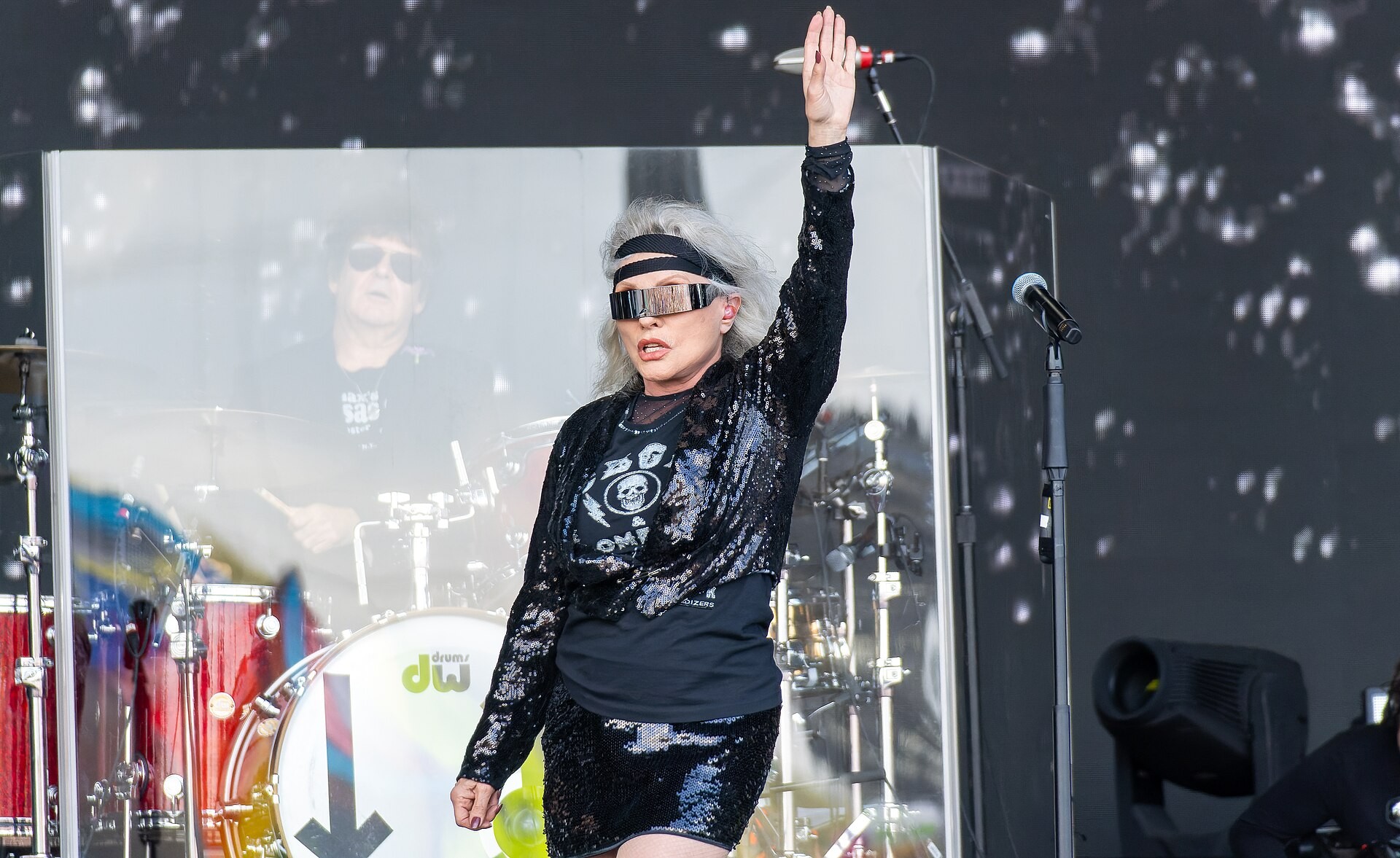
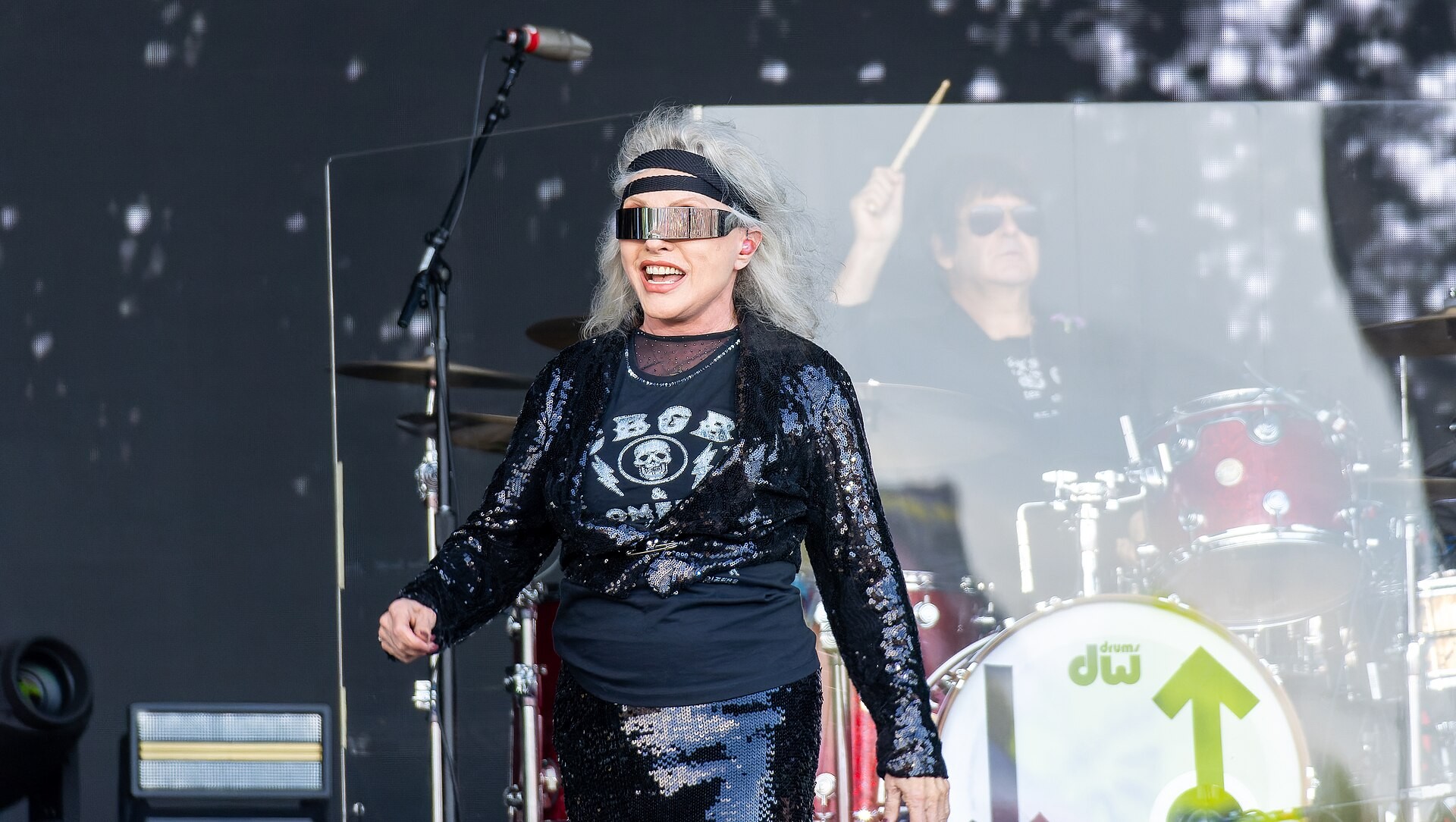
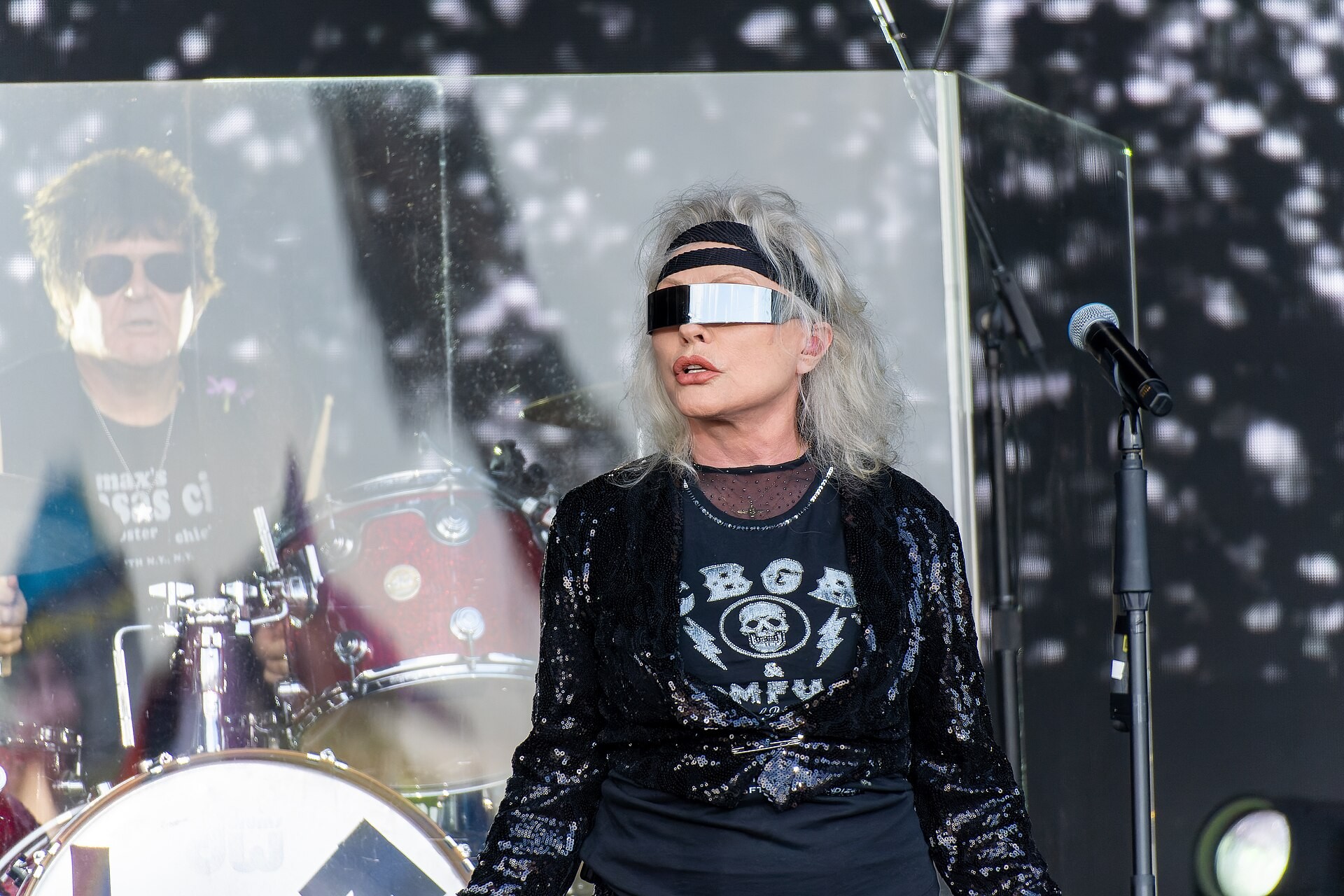
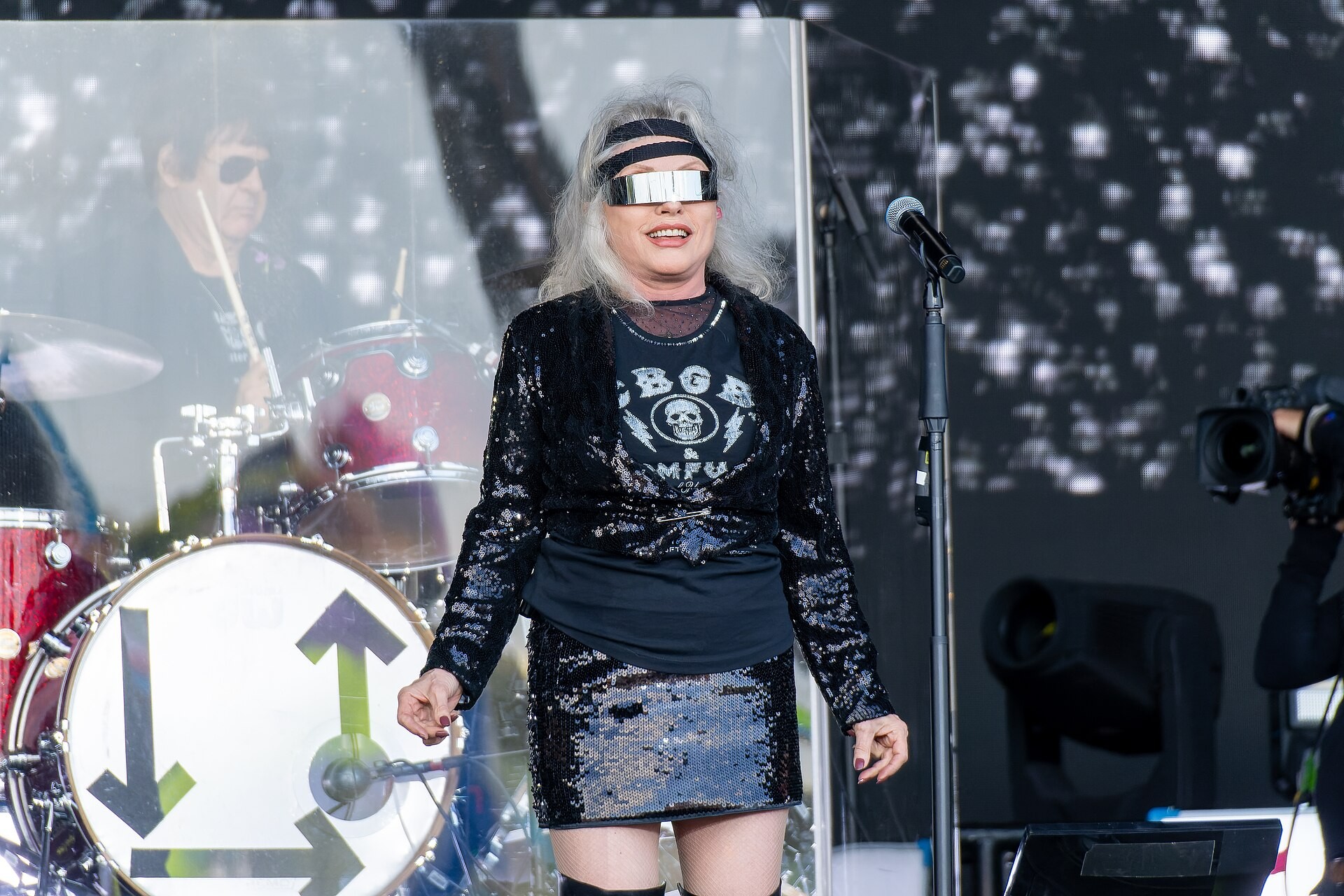
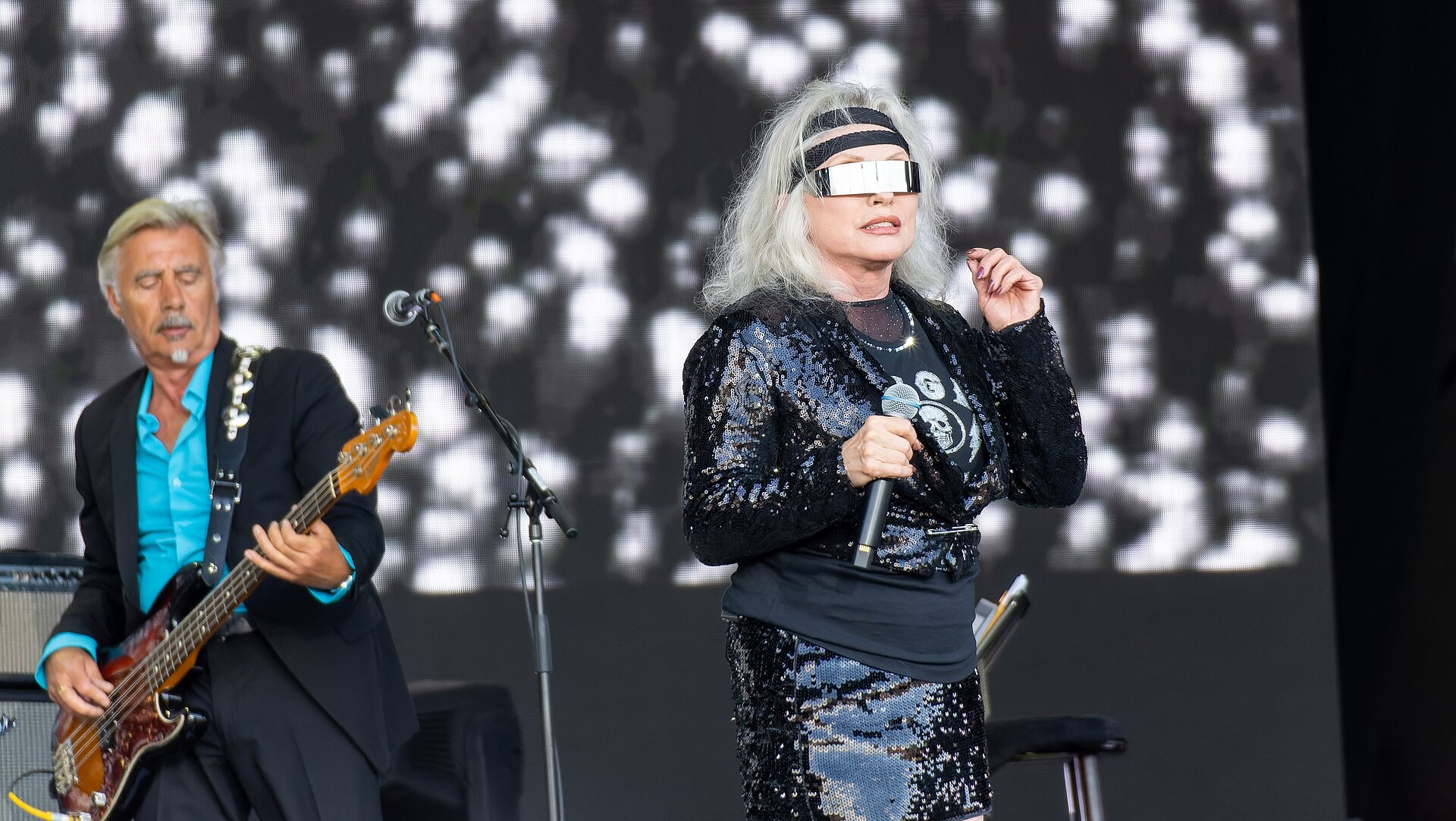

Fifty years after CBGB, Blondie are still the sound of a city that refuses to sit still.
Nine Years Between Records

Blondie's last album, Pollinator, came out in 2017, and it was built like a party: Songwriting contributions from Charli XCX, Sia and Dev Hynes, alongside guest vocals from Joan Jett, With John Congleton behind the production, Pollinator demonstrated that Blondie remained a creative force capable of bringing together an impressive range of musical talent. However, the road to its follow-up proved considerably longer. Chris Stein acknowledged that the idea for a new album had been developing for years, but logistical challenges repeatedly delayed the recording process. Sessions eventually began in New York in 2022, with Congleton returning as producer and David Wrench contributing additional production and mixing. Several compositions had been in development even before those sessions began. The extended absence was less a reflection of creative uncertainty than the complexities of bringing together a legendary band whose artistic evolution has never followed a predictable timeline.
The Drummer on Every Track
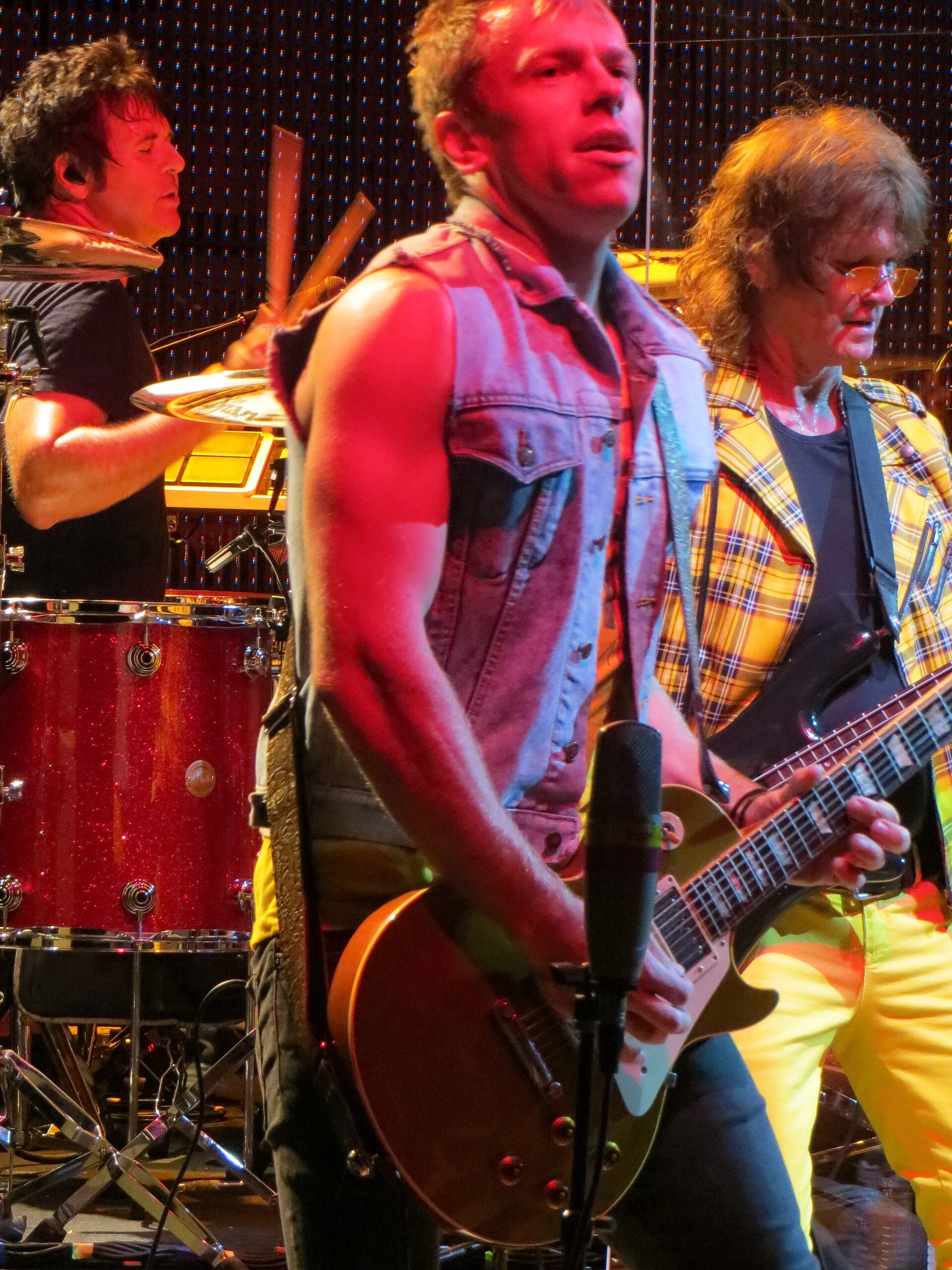
Every Blondie story eventually arrives at Clem Burke. He joined in the band's earliest days and played with a swing and violence that let Blondie be a dance band and a rock band in the same bar of music. When news of his death broke in April 2025, tributes came from across generations of drummers — but for Blondie the loss was structural. He was family. Burke's drumming runs throughout High Noon, which also revisits "Little Metal Drummer," a song originally recorded by Blondie keyboardist Jimmy Destri for his 1981 solo album, Heart on a Wall. The album's title, Harry has explained, comes from the lyric of an older song of hers — a phrase about facing things at the brightest, most exposed moment of the day. As a frame for a record that is both a comeback and a farewell, it could hardly be more exact.
Two Singles, Two Doorways In
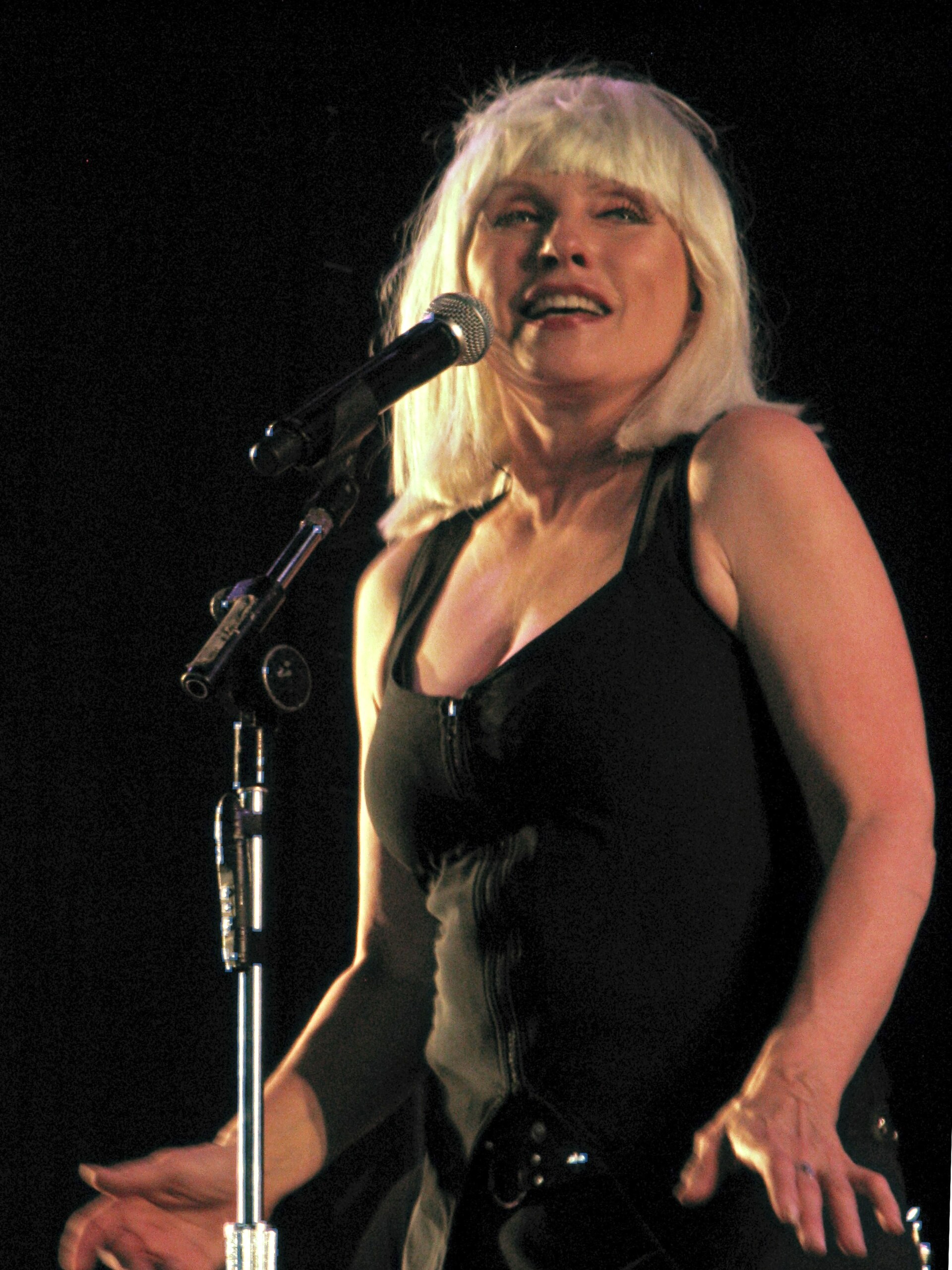
The campaign opened in October with "Spectral Eyes," a driving track written by Johnny Marr, who also plays lead guitar on it — the Smiths guitarist repaying a debt to a band that helped invent the world he came from. "Come Back Home," released November 20, takes the opposite route in: written by Jess Wolfe and Holly Laessig of Lucius, who also layer their harmonies behind Harry, it begins in ambient quiet before opening into one of the biggest choruses Blondie have ever been given. The Lucius pair have said they grew up with Harry as the ultimate icon of punk, rock and disco all at once, and never imagined a song of theirs would enter the Blondie story. Two singles, two generations of admirers, two completely different doors into the same album — that is the High Noon method in miniature.
A Band Built From the Whole City
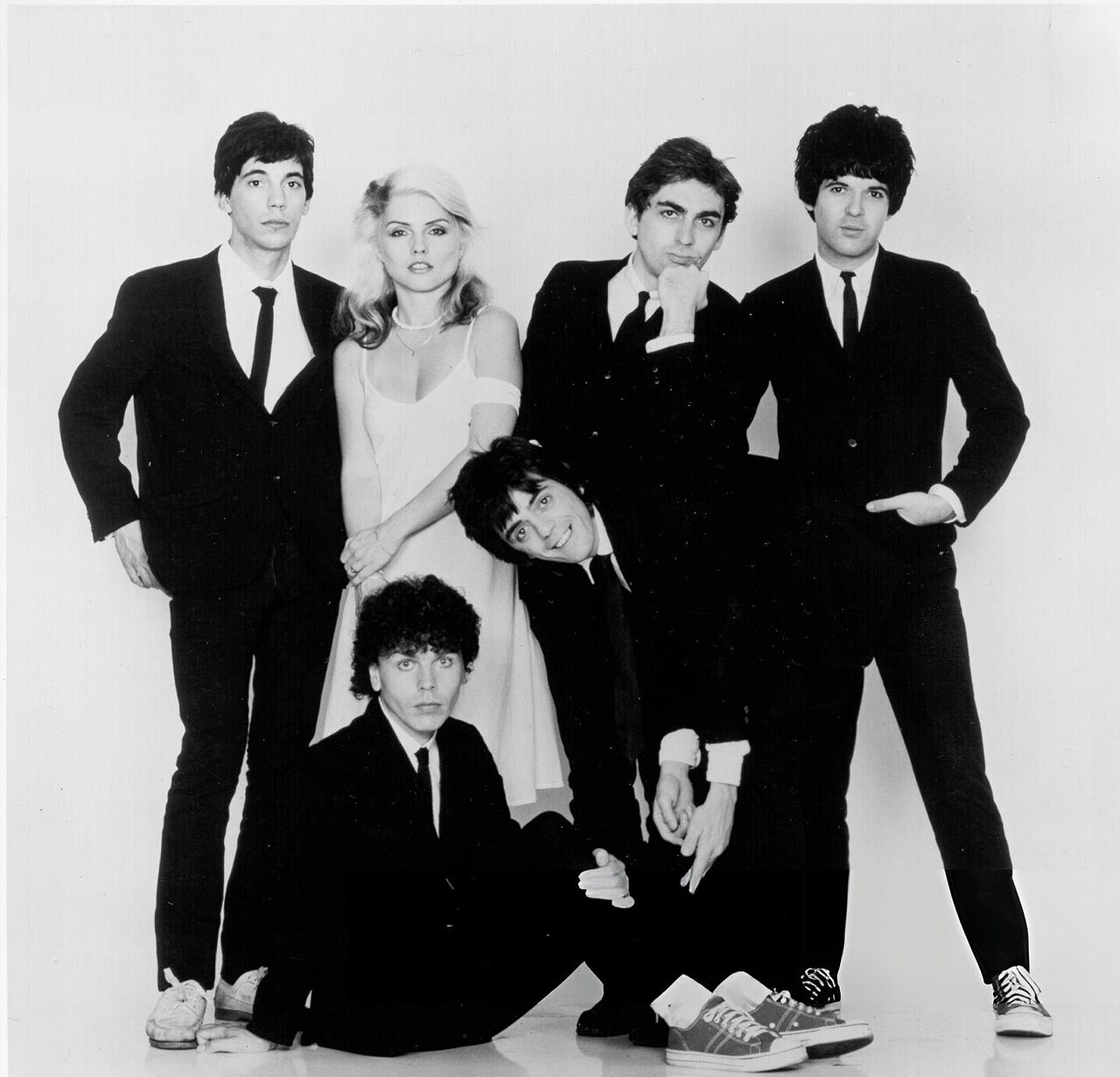
To understand why this band can still do this, go back to the Bowery. Blondie formed in 1974 and served their apprenticeship at CBGB alongside the Ramones, Talking Heads and Television. But where their peers specialised, Harry and Stein collected. Parallel Lines made them stars in 1978; "Heart of Glass" took disco's pulse and put it at number one; "The Tide Is High" borrowed reggae; "Rapture" put a rap on top of the American charts in 1981, name-checking Fab 5 Freddy while it did it. Harry has said the band's range simply mirrors the metropolis they live in — a city of many ethnicities, many musics, all audible from the same street corner. High Noon's mix of punk, Latin rhythm and dancefloor electronics is not a new direction. It is the original one, fifty years on.
The Friends Who Showed Up
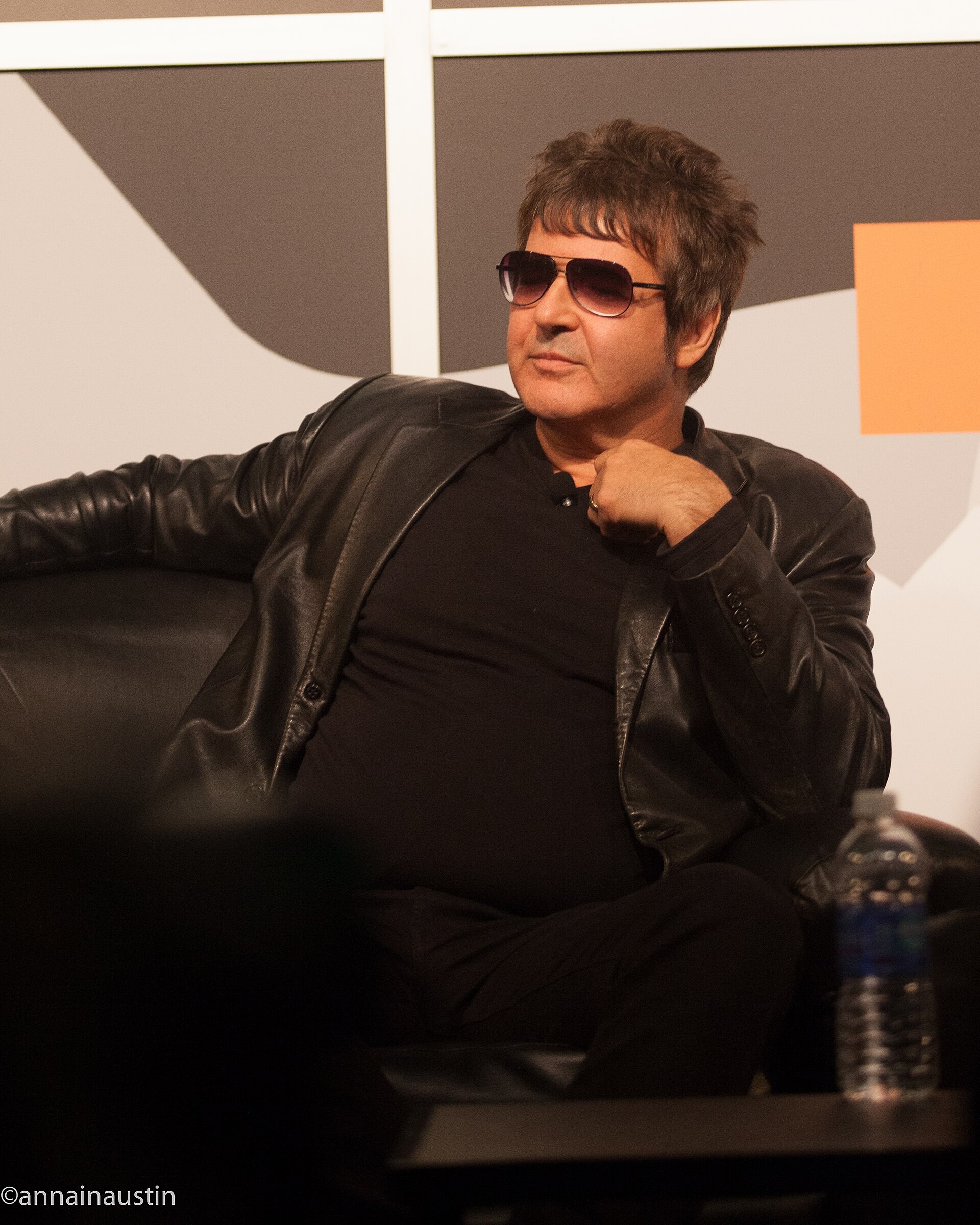
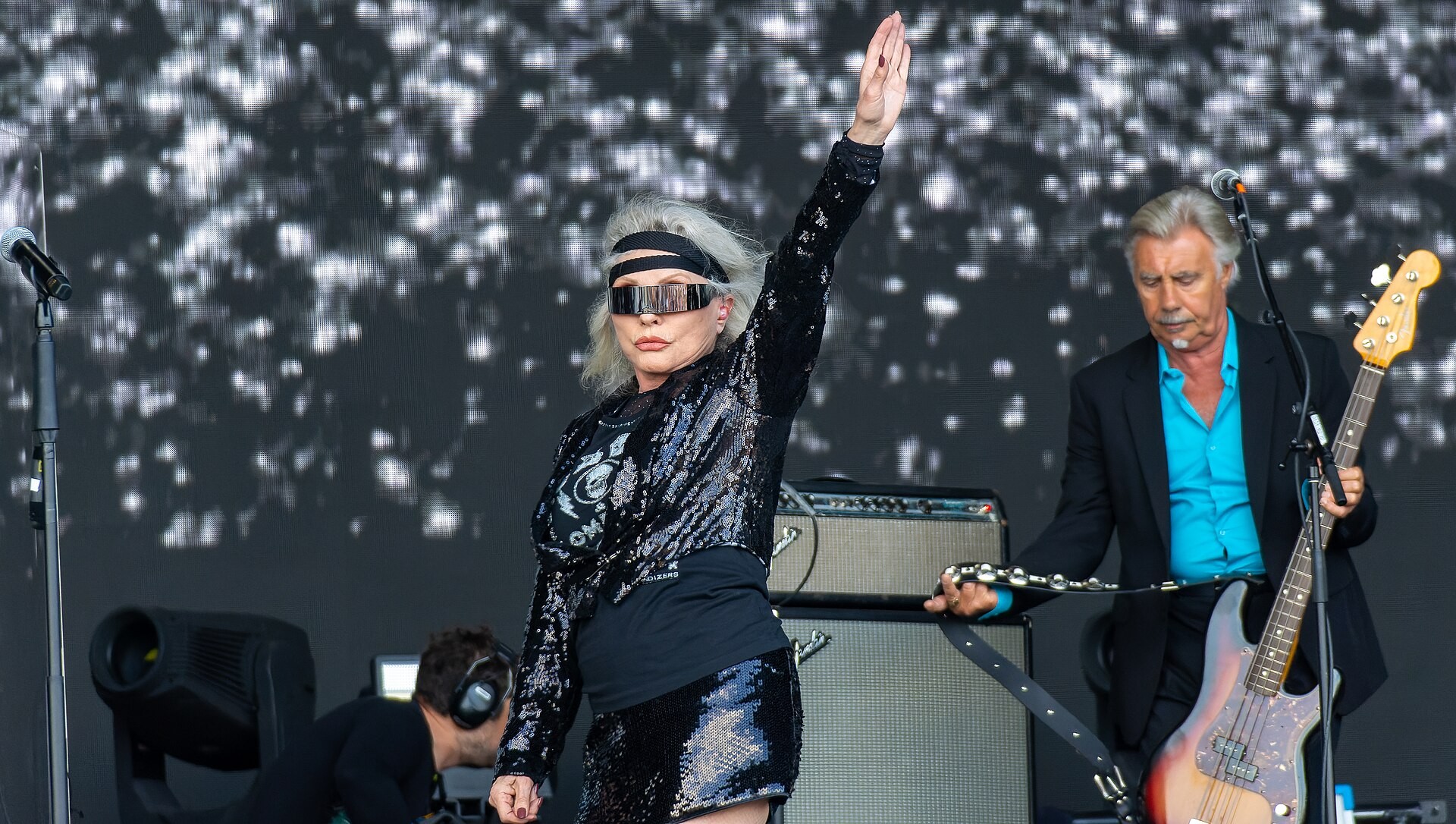
The guest list tells its own story about Blondie's place in the culture. Marr brings the lineage of British guitar pop that Blondie helped inspire. Glen Matlock, the Sex Pistols' original bassist and a longtime touring member of Blondie's live band, connects the record directly to 1977. Zach Condon of Beirut adds a younger, brass-coloured melancholy, and Lucius bring the harmonies. Cover artist Rob Roth, a collaborator of more than 25 years, designed the album's visual world. Even the band's modern live history points the same way: their 2023 Glastonbury performance drew one of the weekend's biggest crowds, proof that the audience for this band now spans people who bought Parallel Lines on release and people who were not born when Pollinator came out.
Why It Matters at High Noon
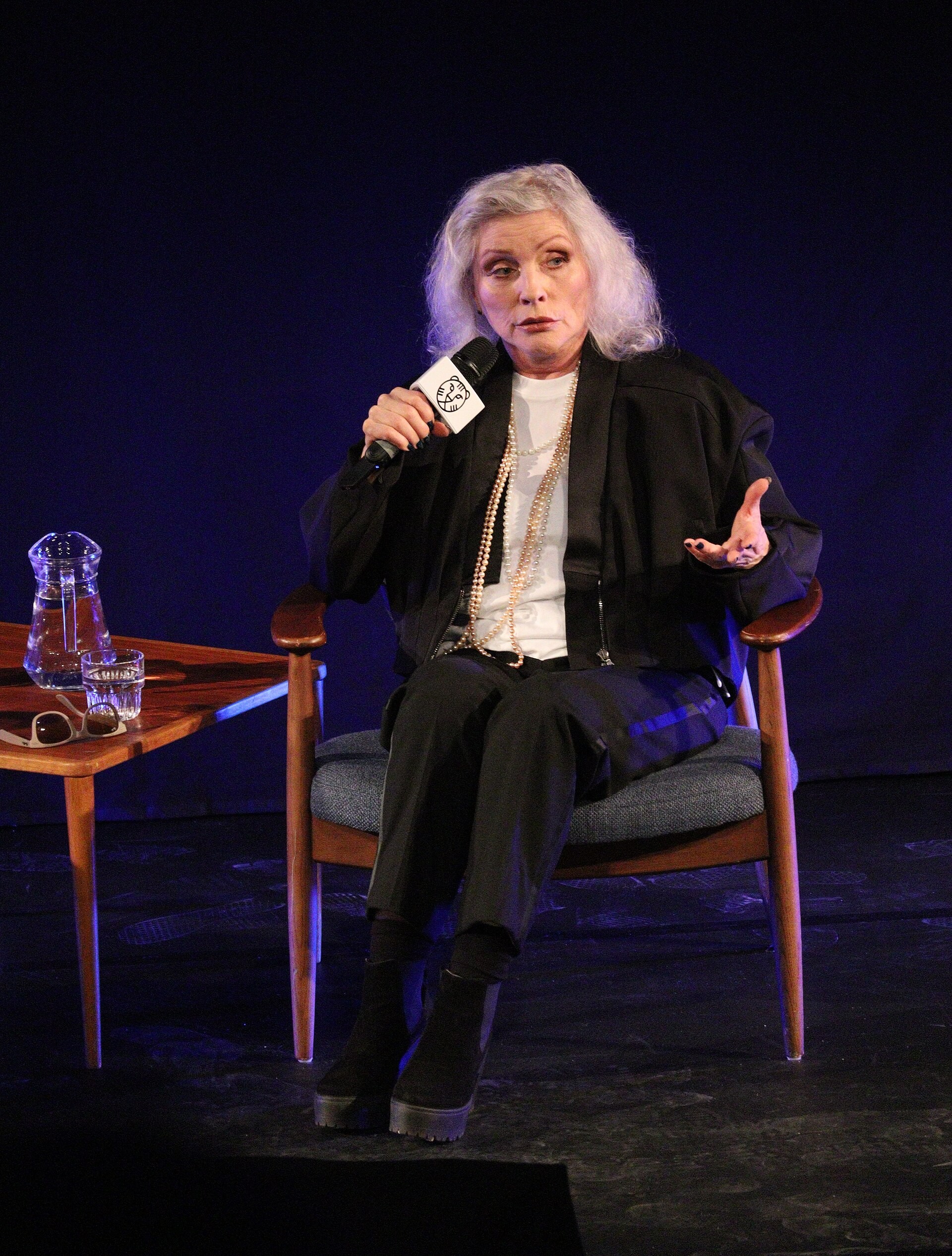
Blondie have already had every ending a band is offered. They split in 1982, at their commercial peak. They reunited in the late nineties and promptly topped the UK charts again with "Maria." They were inducted into the Rock and Roll Hall of Fame in 2006, in a ceremony as gloriously awkward as their history deserved. Most acts, given that arc, would stop. Instead, on February 26, a band fronted by an 81-year-old singer releases an album of thirteen new songs — "Heartbreak Kid," "Tambo Tambo," "Bad Underwear," and a closer, "Ah, Sunflower, Weary of Time," that nods to William Blake — with their late drummer playing on every track. High Noon is not nostalgia. It is evidence that the most durable thing about Blondie was never the haircut or the hit singles. It was the refusal to be only one thing, carried now into a sixth decade.