Some music refuses to become a memory. It follows us through late-night drives, first heartbreaks, crowded venues and the years when everything seemed louder and more urgent. Imagine that electricity returning on a global scale in 2027, with Fall Out Boy leading a world tour alongside The Offspring and Good Charlotte. The result would be more than a nostalgia-driven lineup. It would be a meeting of bands whose music gave different generations a language for rebellion, belonging and reinvention.
At the center of this imagined tour is Fall Out Boy, a band that helped turn emotionally charged songs and razor-sharp hooks into arena-sized experiences. Their headlining set would provide the evening's emotional arc, connecting the urgency of the early years with the ambition and theatrical energy that have come to define their live shows. Rather than simply revisiting the past, the performance could explore what those songs mean to people who have grown and changed alongside them.
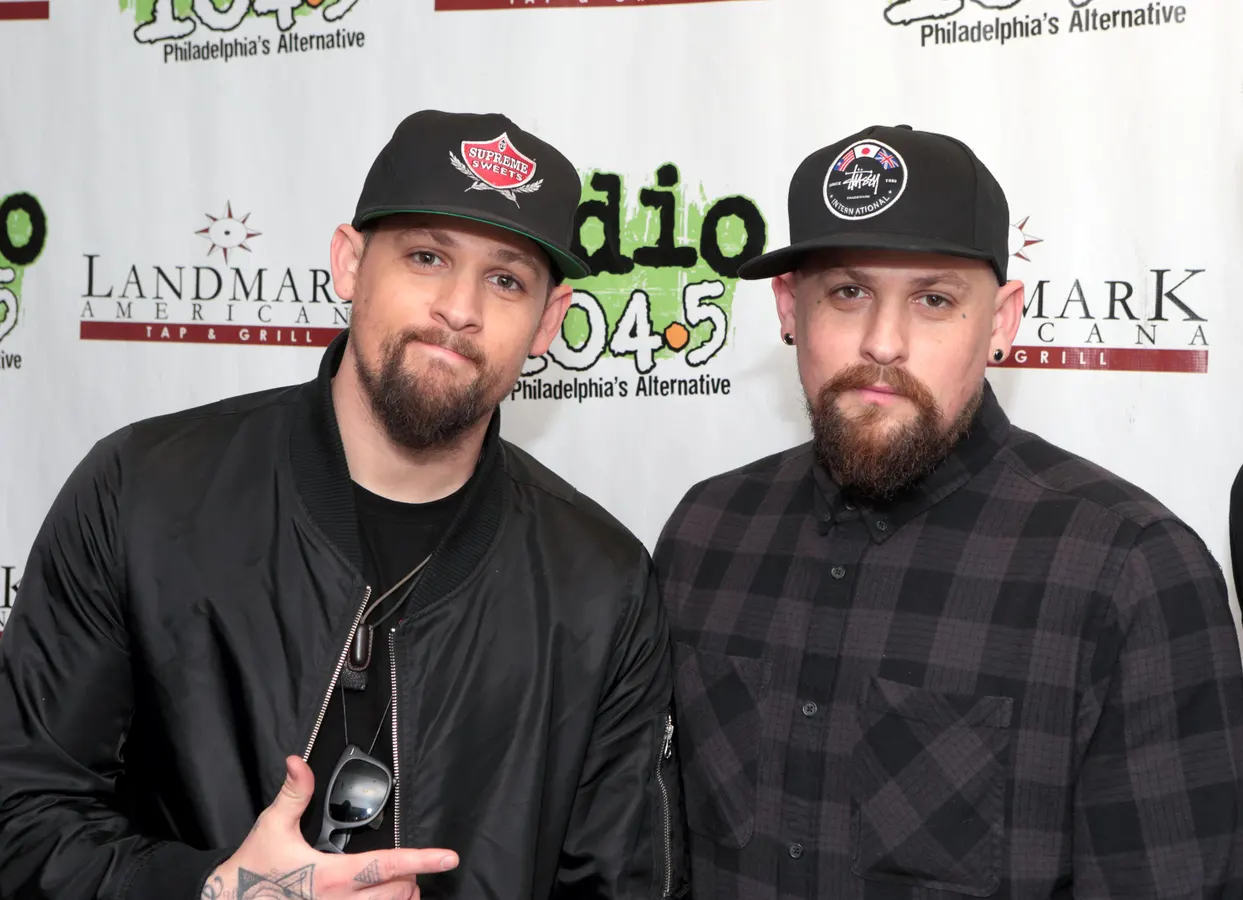
Good Charlotte would set the tone with the kind of direct, unapologetic connection that made pop-punk feel personal. Their songs have long spoken to outsiders, dreamers and anyone who felt like they were standing just beyond the crowd. In this concept, their appearance is the invitation: the opening surge of guitars, a room filled with voices, and an immediate reminder that the best concerts can turn thousands of strangers into a community.
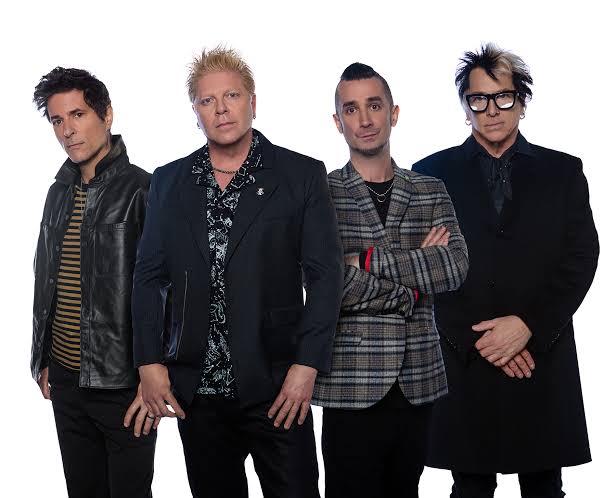
The Offspring would bring a different kind of voltage. Built on speed, wit and punk-rock defiance, their performance would push the night into a faster, rowdier gear. There is something timeless about the release of a great punk anthem: for a few minutes, frustration becomes laughter, and everyone in the room knows exactly when to shout the next line. Their presence would give the lineup a sharper edge and connect its pop-punk spirit to an earlier generation of alternative music.
Then Fall Out Boy would take over. Picture the house lights dropping as screens flicker with fragments of city skylines, tour posters and fan-made memories. A pulse rises through the room before the full band bursts into view. The production would be cinematic without losing the human element: the people standing shoulder to shoulder, the lyrics they have carried for years, and the instant when a familiar chorus feels brand-new.
A world tour of this scale could give every stop its own identity. Visuals inspired by each city, audience participation and changing stage details would make the experience feel rooted in the place rather than copied from one arena to the next. The strongest moments would not need the biggest effects. Sometimes a spotlight, an unmistakable opening riff and thousands of fans singing together are enough to fill the entire space.
The most compelling part of the proposed lineup is the contrast between the three acts. Good Charlotte brings the voice of the misunderstood kid finding confidence. The Offspring brings the restless refusal to play by the rules. Fall Out Boy brings the drama of becoming someone new without abandoning the person you used to be. Those are different musical perspectives, but they speak to the same instinct: to find freedom, identity and connection through sound.
For longtime listeners, a night like this would offer the thrill of hearing formative songs in a new setting. For younger fans, it could be a chance to discover how the sounds of punk, pop-punk and alternative rock influenced one another. The crowd would not be defined by one age group or one era. It would be defined by the shared belief that a three-minute song can still change the way you feel about the world.
No dates, venues or joint performances are being announced here; this is a creative vision for what a 2027 bill could become. But the idea has a clear emotional center. It is about finding the same spark in music after years of change and realizing that growing older never required turning the volume down.
The generation that never grew up? Perhaps. The music that never left? Absolutely.