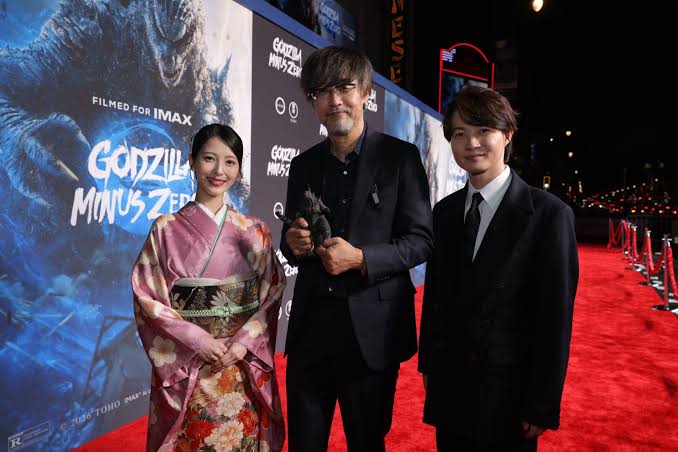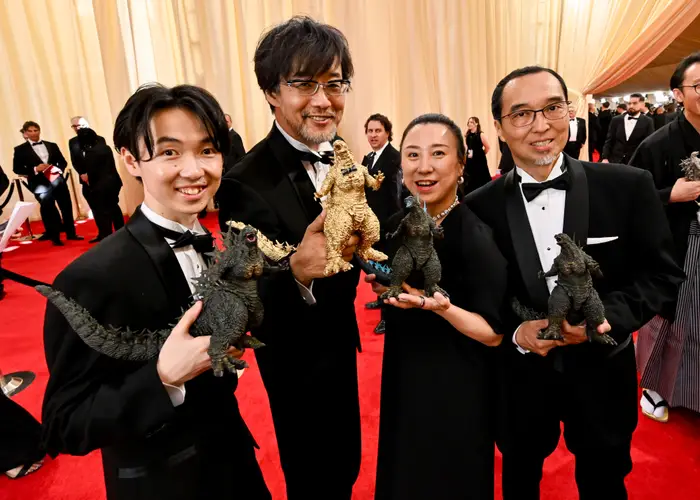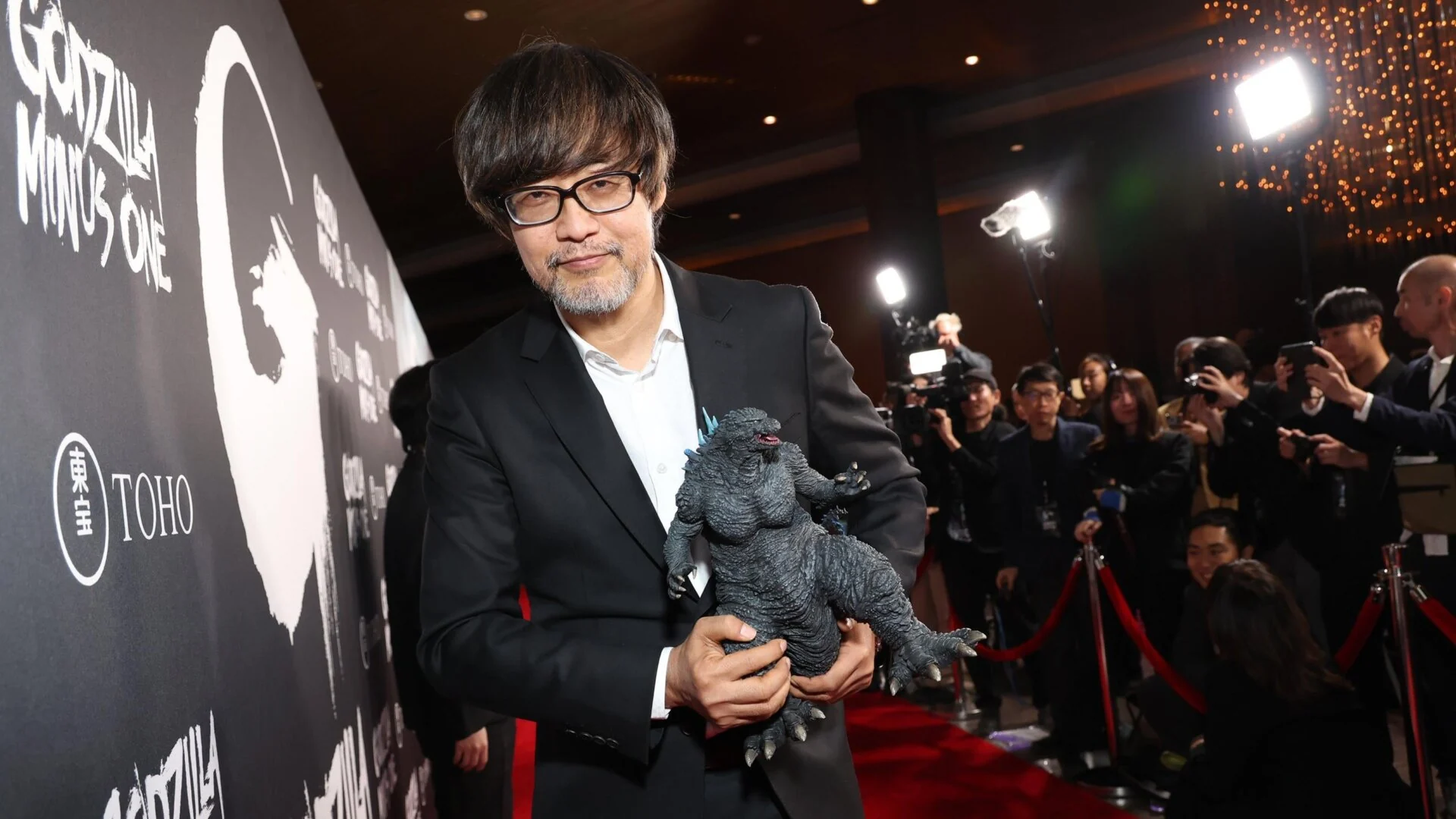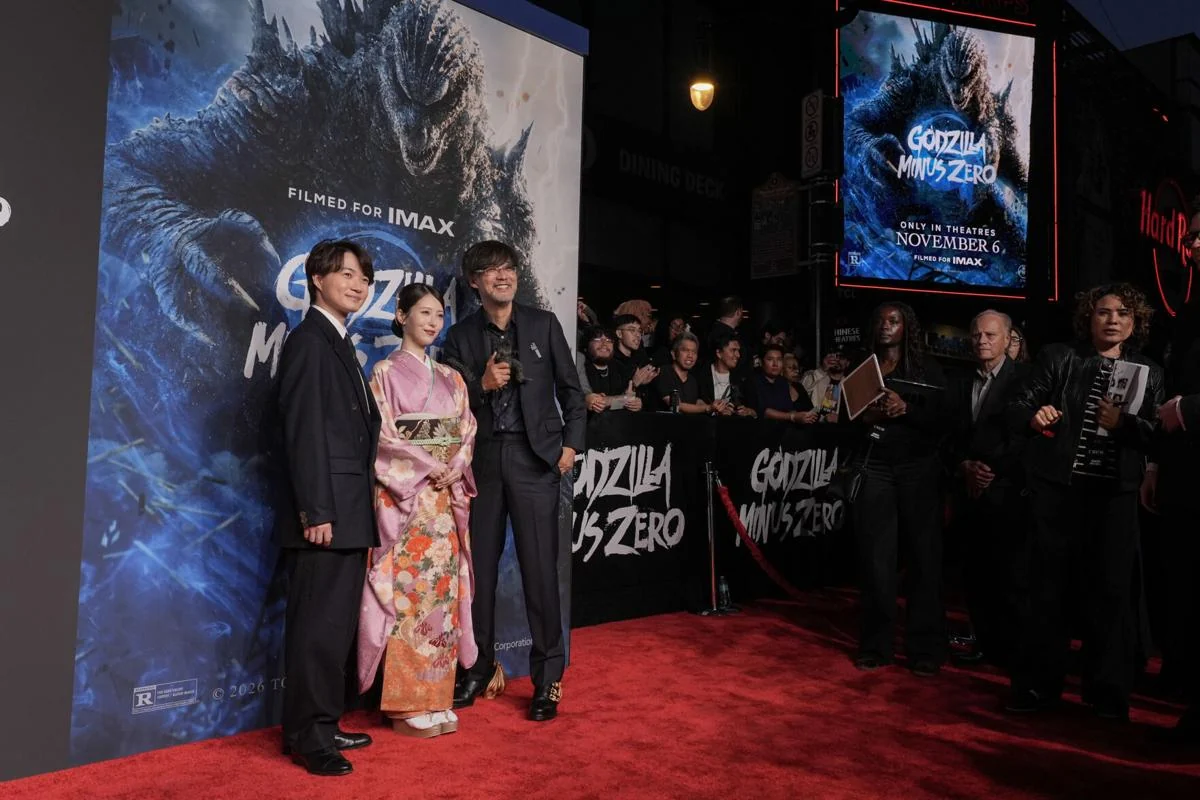

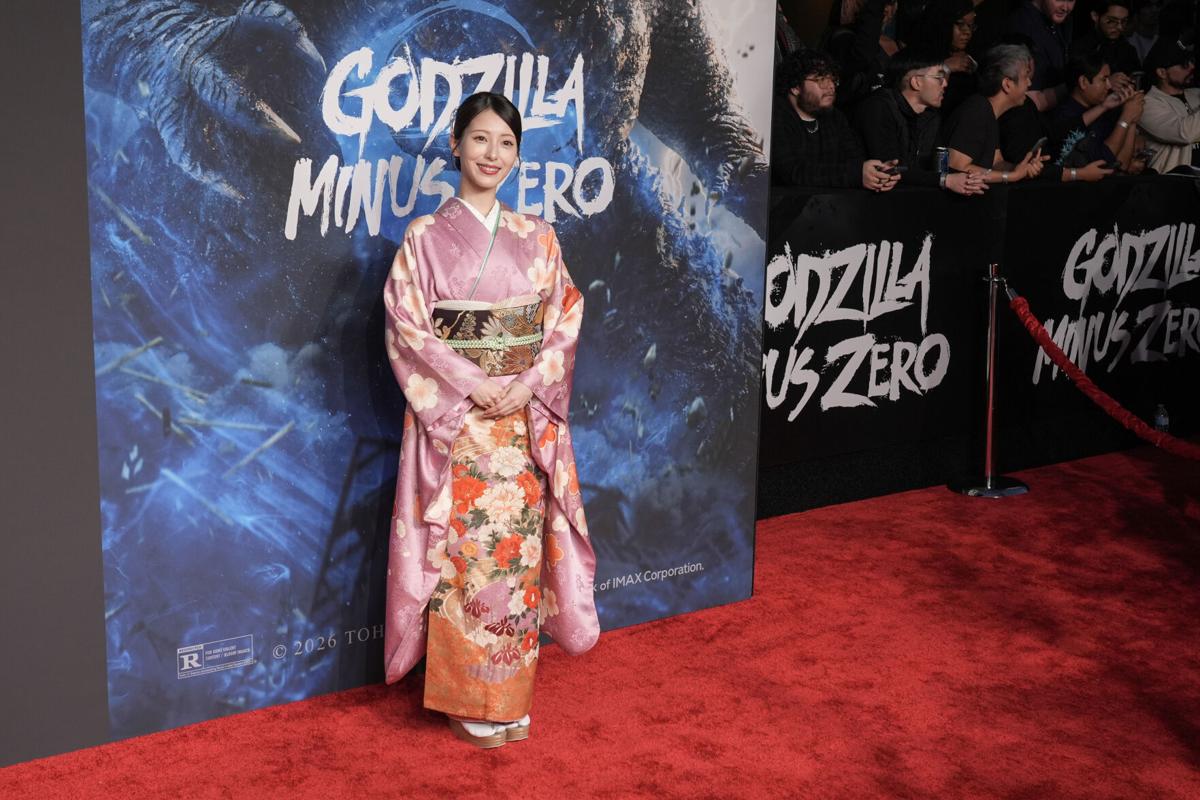
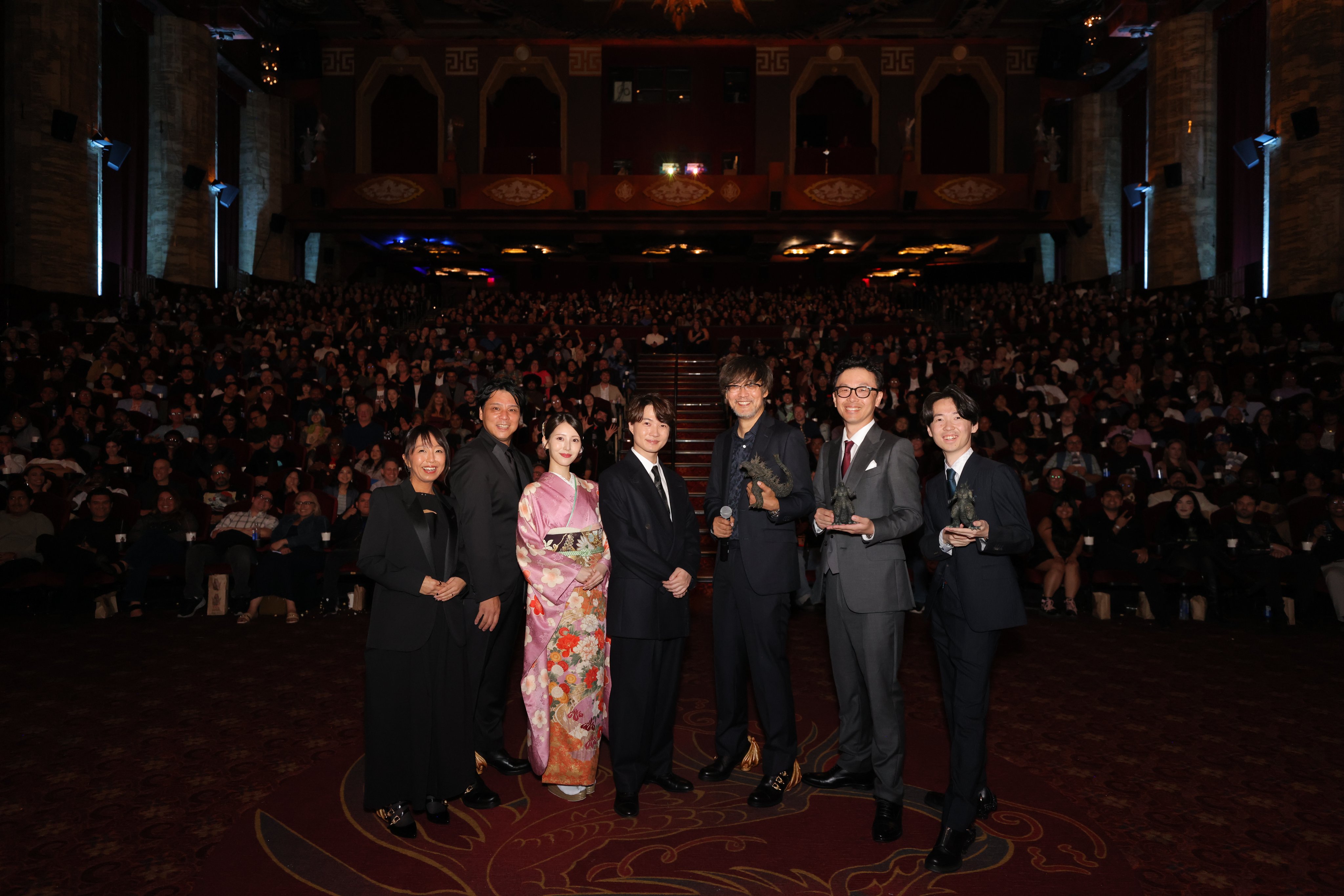
Following the international success of Godzilla Minus One and its Academy Award for visual effects, Takashi Yamazaki returns with a sequel that expands the scope of his postwar monster drama. The challenge is not simply to deliver larger set pieces, but to retain the emotional impact that distinguished the previous film.
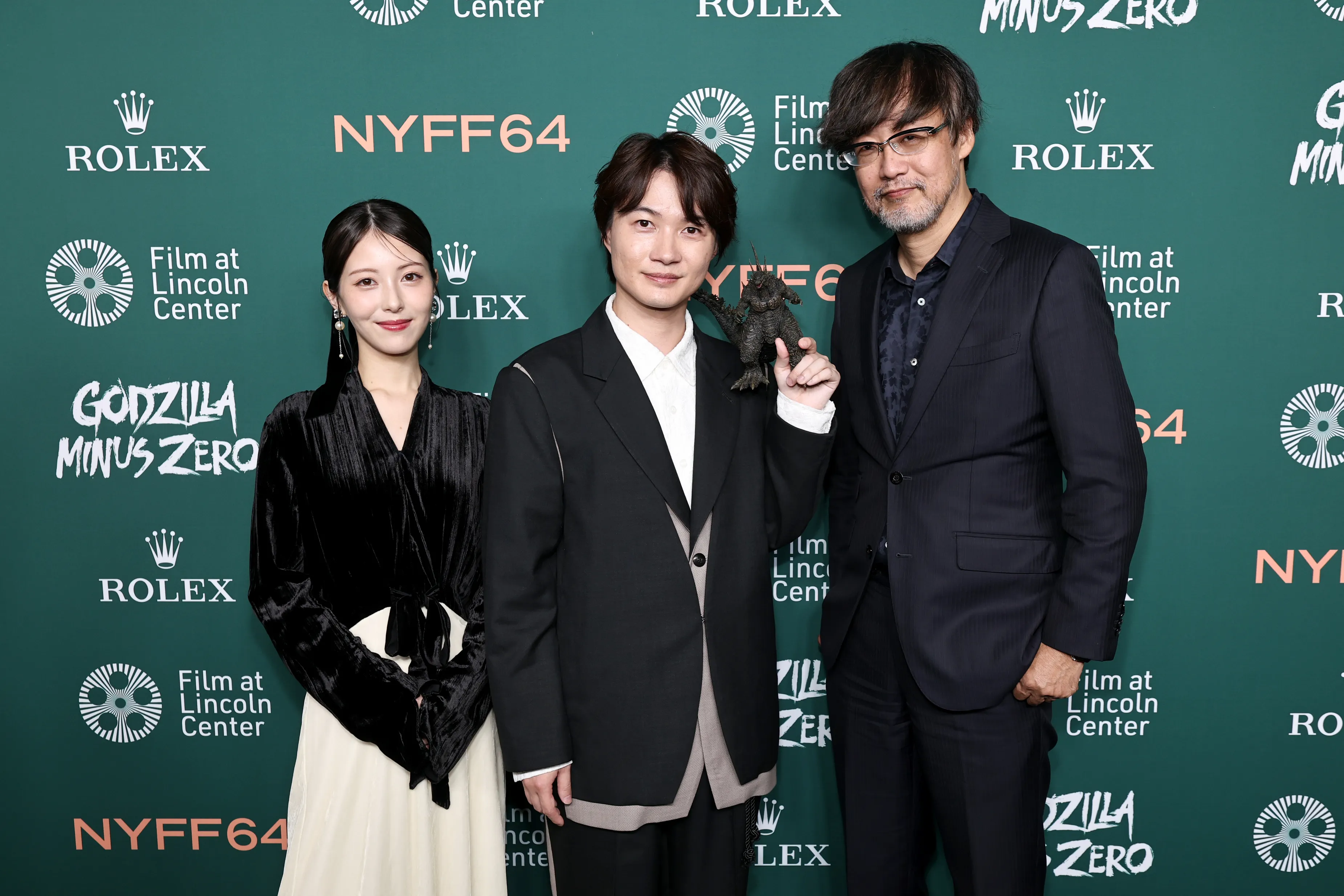
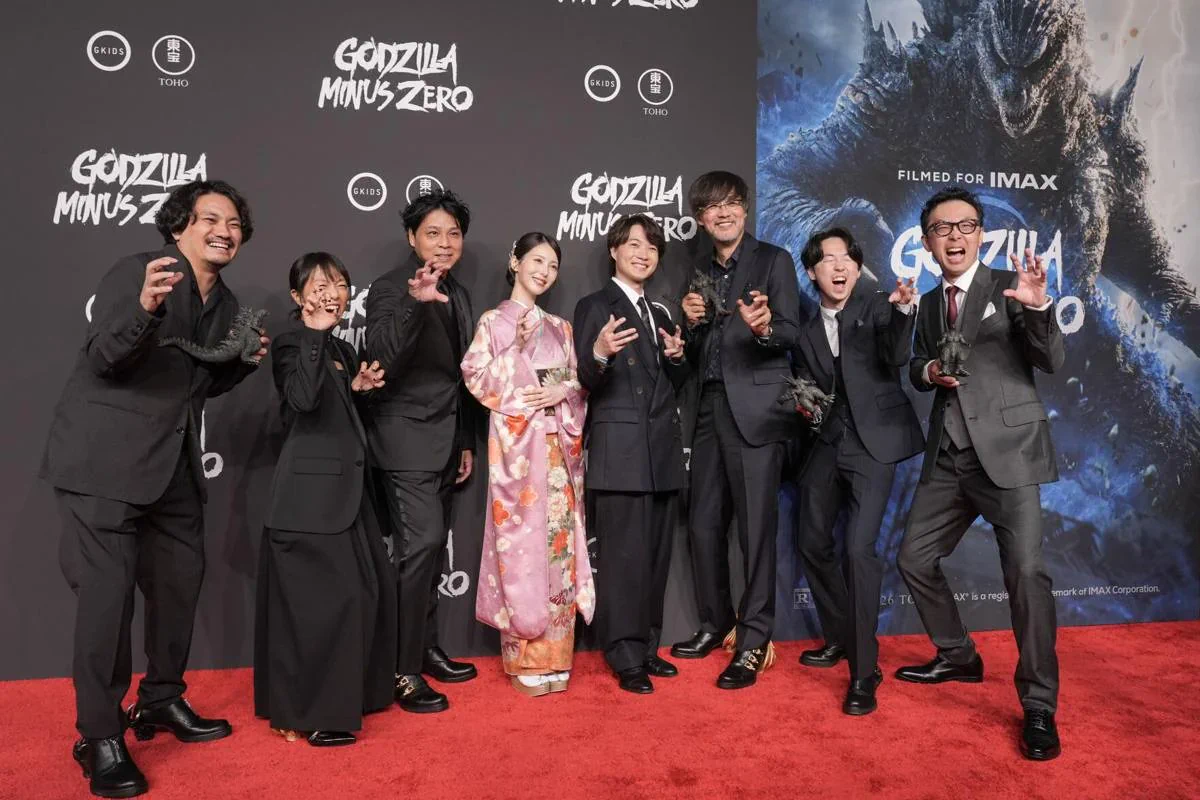
Set in 1949, the story reunites Ryunosuke Kamiki and Minami Hamabe as Kōichi and Noriko Shikishima, now raising their adopted daughter Akiko. Japan’s recovery is interrupted by the arrival of King Ghidorah, a new threat whose evolution and affinity for storms give the sequel a different visual identity.
Yamazaki returns as writer, director and visual effects supervisor. The production was filmed for IMAX, opening in Japan on November 3 and North America on November 6. According to Rentrak estimates reported by SciFi Japan for November 20–22, worldwide grosses reached approximately $110.1 million. IMAX separately reported a $21.3 million global debut, a record for a Japanese film in the format. The sequel shifts the balance between personal drama and large-scale spectacle, with compelling, if occasionally uneven, results.

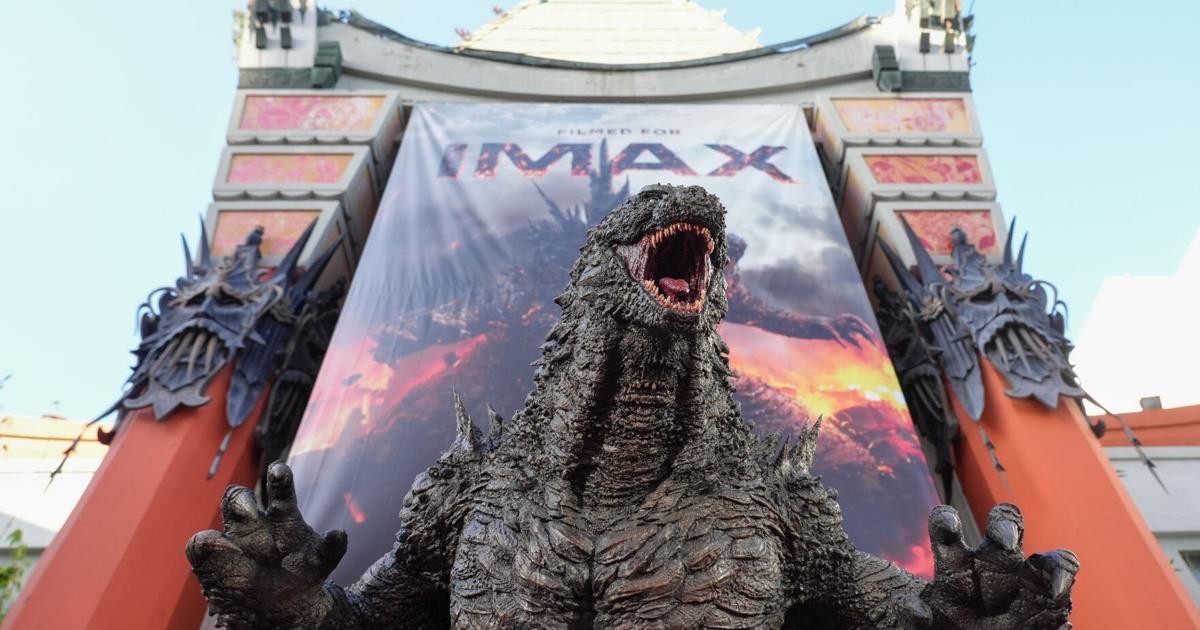
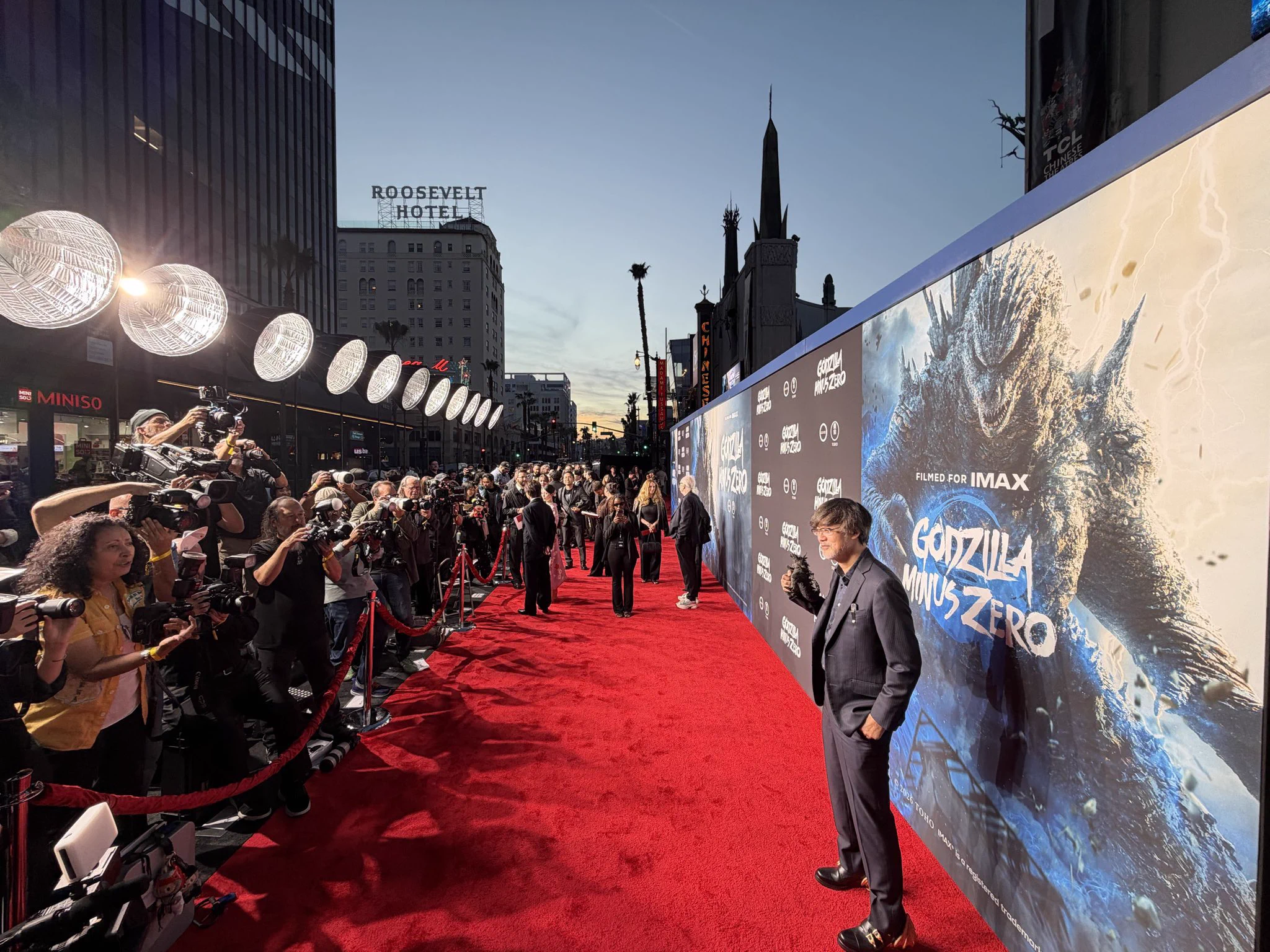
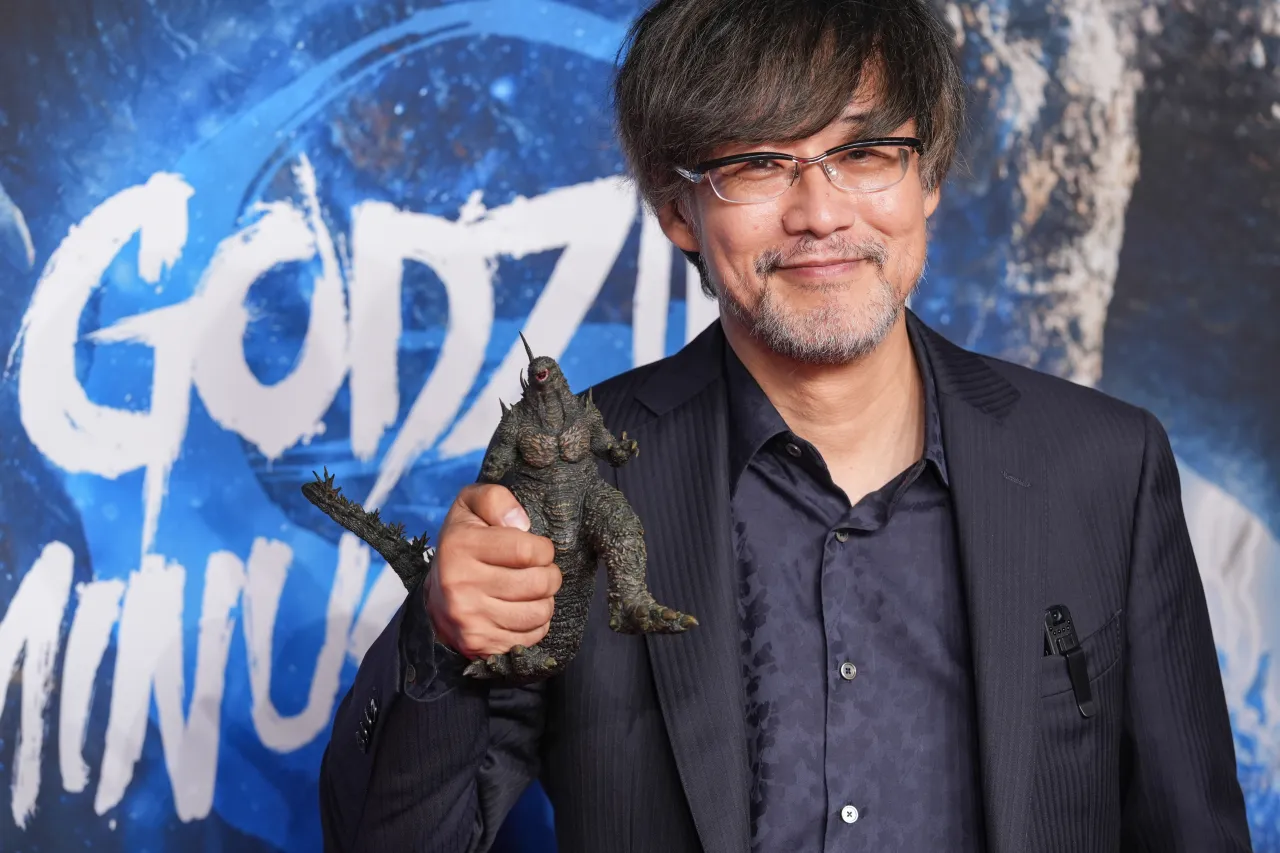
Minus One made the world cry for Godzilla. Minus Zero makes it hold its breath.
A Director's Revenge: Why Ghidorah, Why Now
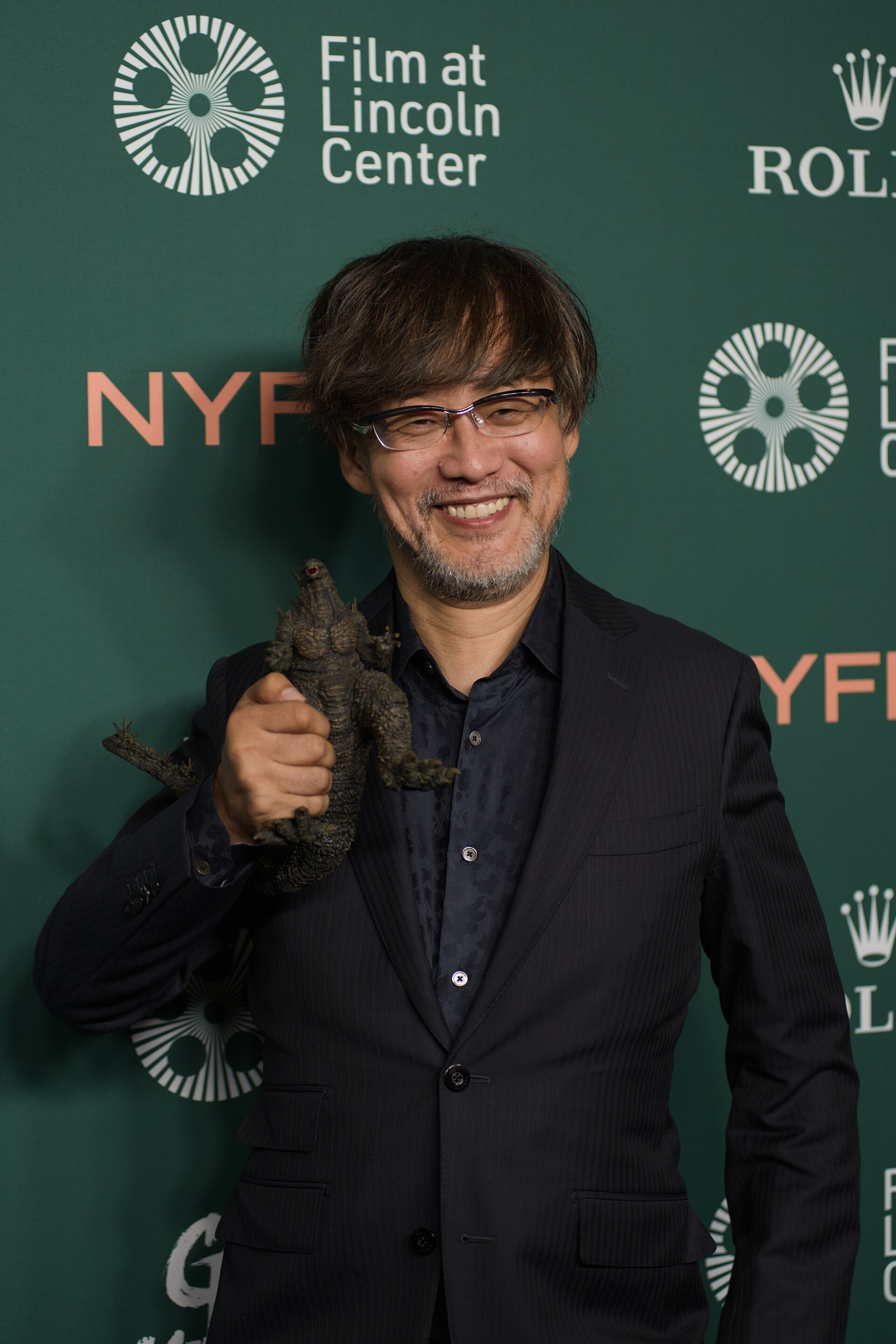
The original review traces Yamazaki’s interest in Ghidorah to a childhood screening of the 1964 monster film, when the creature’s brief passage over his hometown of Matsumoto disappointed him. The sequel revisits that setting with a much more substantial encounter. This connection gives the choice of antagonist a personal dimension and helps explain the film’s attention to the geography of its destruction.
The Spectacle: Destruction at IMAX Scale
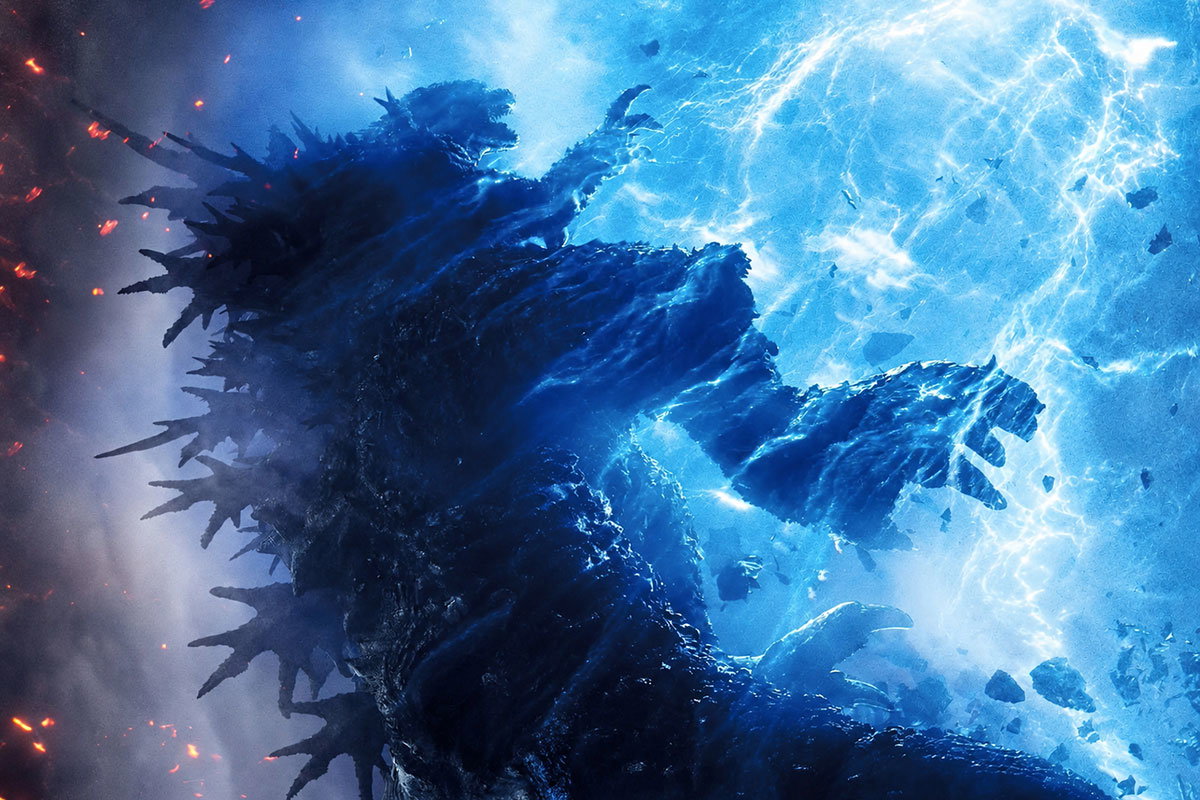
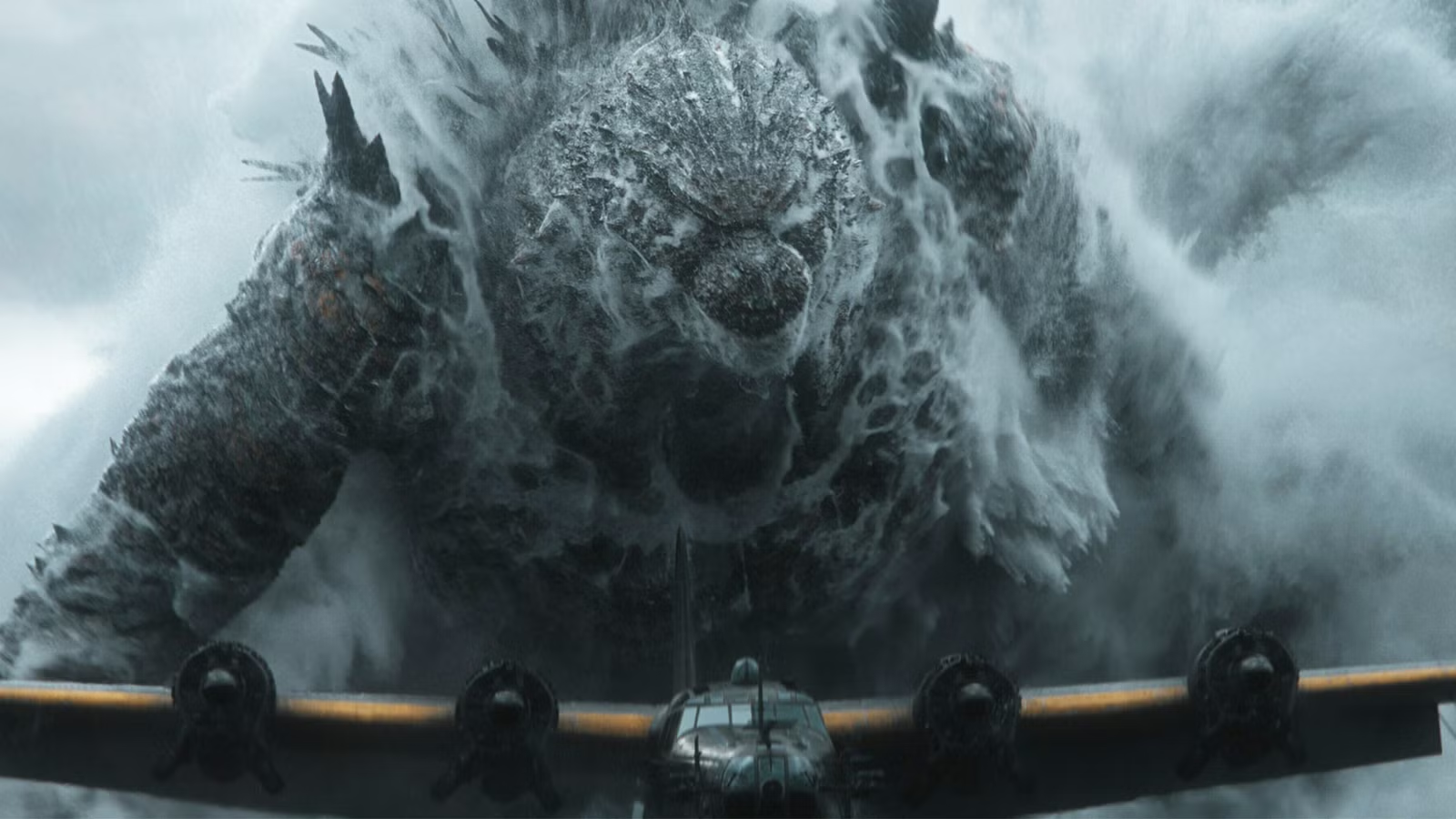
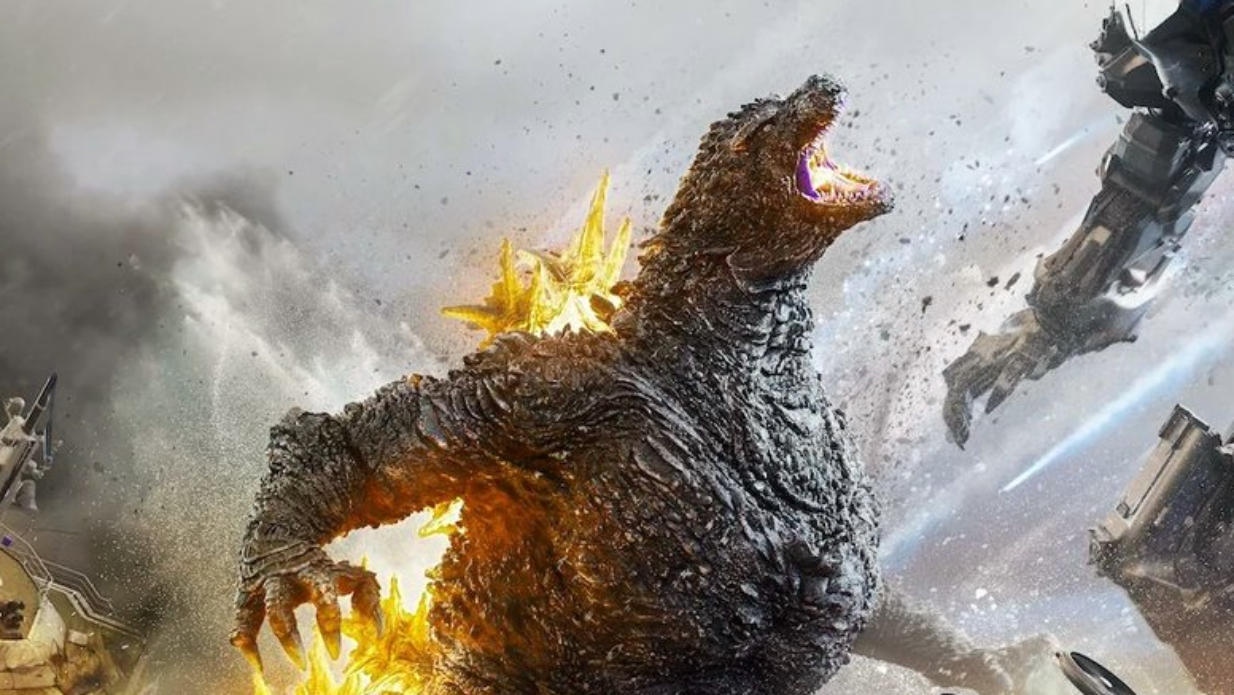
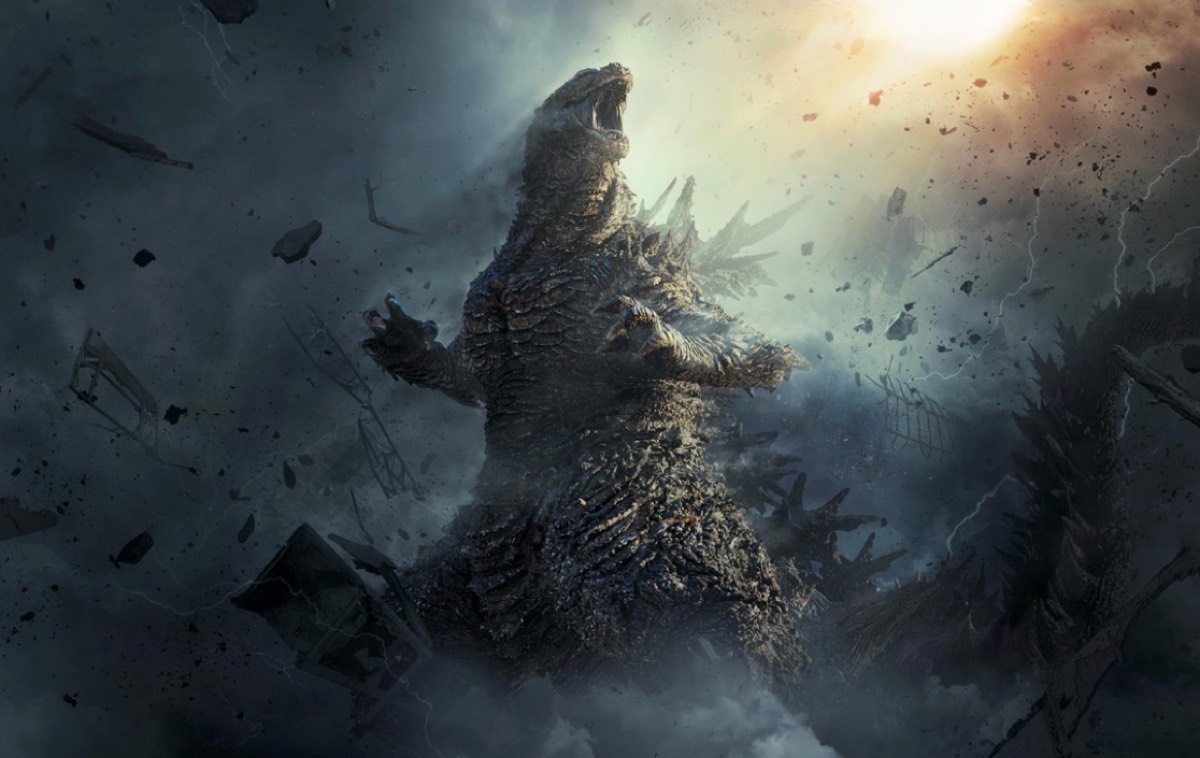
Shirogumi’s effects work is among the film’s strongest elements. Ghidorah’s changing form and electrical abilities establish a distinct presence alongside Godzilla. The IMAX compositions emphasize the creatures’ height and the vulnerability of the spaces around them. The confrontation in Ginza builds on the visual vocabulary of the previous film while offering a different kind of spectacle. The effects are particularly impressive when they serve the tension of the encounter rather than simply increasing its scale.
The Human Core: The Shikishima Family, Tested Again
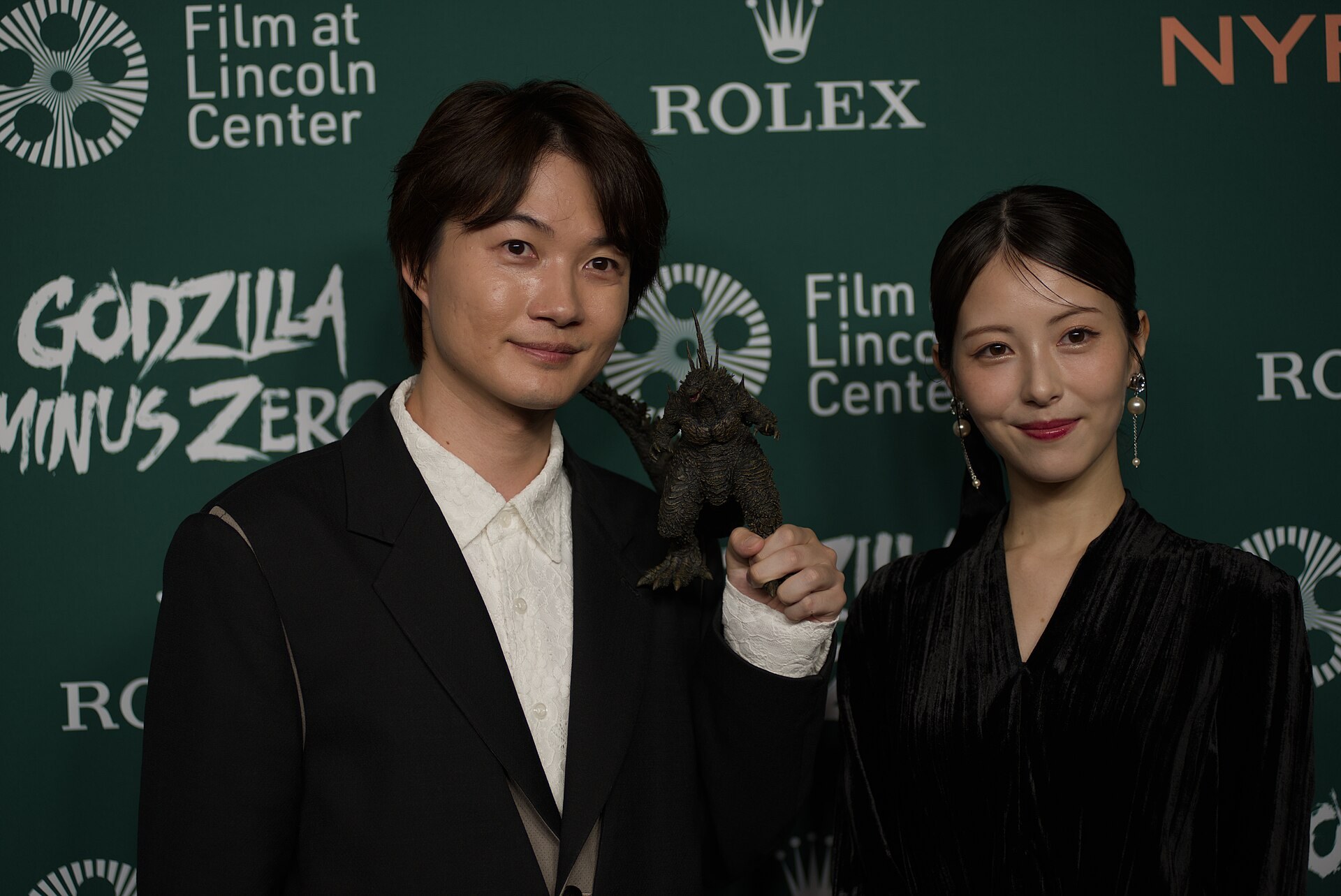
The family remains the emotional center of the sequel. Kōichi’s transition from wartime survivor to husband and father brings a new dimension to his struggle with the past. Noriko’s connection to Godzilla becomes a source of conflict as others recognize its potential significance. Min Tanaka’s Kanji Murakami introduces a moral complication through his interest in the creature, while Hidetaka Yoshioka’s Noda represents a more organized national response to disaster. These threads are most effective when the film connects institutional decisions to their consequences for individuals.
Bigger — But Is It Better?

The sequel’s expanded narrative is both its strength and its limitation. Its additional characters, scientific discussions and government deliberations sometimes slow the momentum, particularly compared with the more concentrated survival story of Minus One. Yet Yamazaki’s attempt to combine intimate human drama with the franchise’s traditional monster confrontations is largely successful. Viewers who valued the earlier film’s restraint may prefer it, while those drawn to the larger mythology will find much to appreciate here.
The Craft: Another Budget Miracle
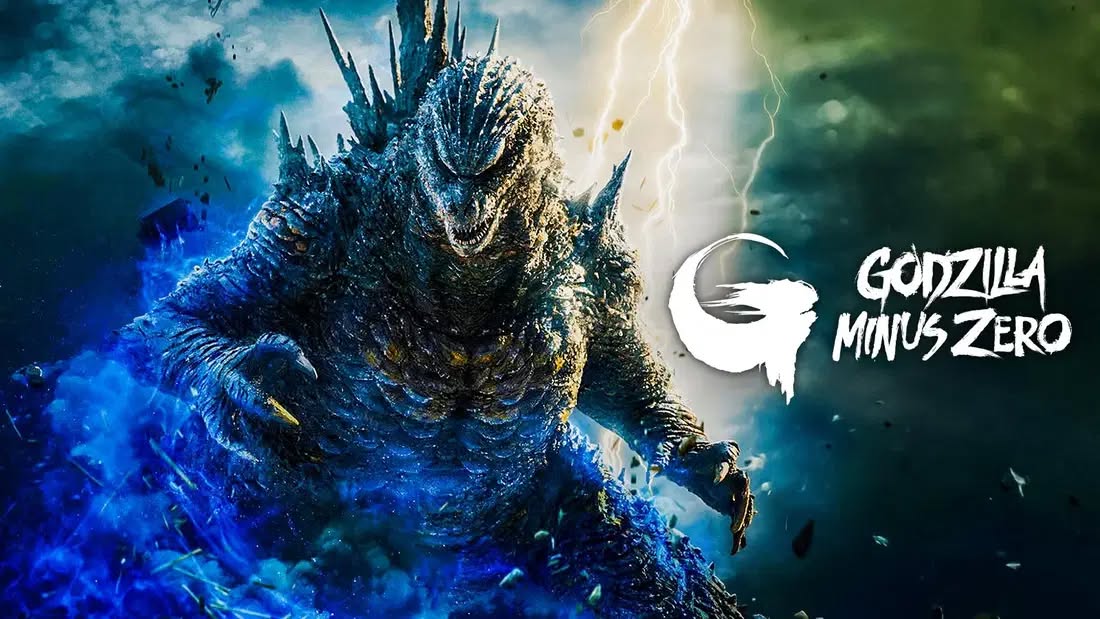
The Numbers lists a production budget of $15 million, a figure that should be treated as a reported estimate rather than an officially confirmed Toho figure. The film’s achievement is better assessed through its craft than through speculative comparisons with Hollywood spending. Kōzō Shibasaki’s cinematography grounds the period setting, while Naoki Satō’s score supports both the quieter domestic scenes and the larger confrontations. The reconstructed cityscapes and period imagery reinforce the film’s interest in Japan’s recovery and the responsibilities that accompany it.
The Verdict
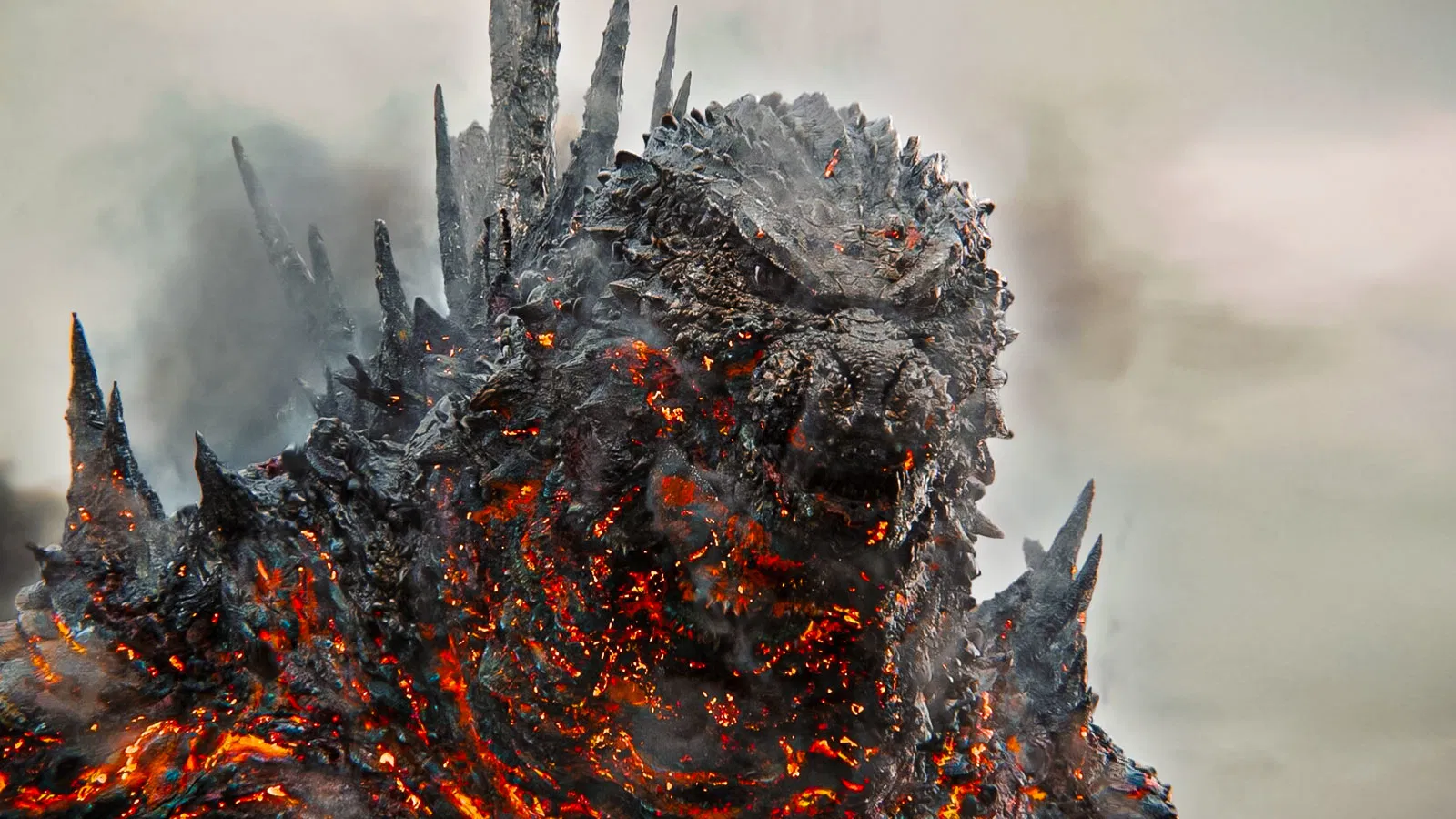
Godzilla Minus Zero does not always match the emotional economy of its predecessor, but its broader canvas provides a convincing direction for the sequel. Its strongest moments combine the scale of its monster encounters with the uncertainty facing the Shikishima family. The film is particularly suited to a large-format theatrical presentation. Fusion’s verdict: a visually accomplished sequel that expands Yamazaki’s interpretation of Godzilla without losing sight of the human story.