
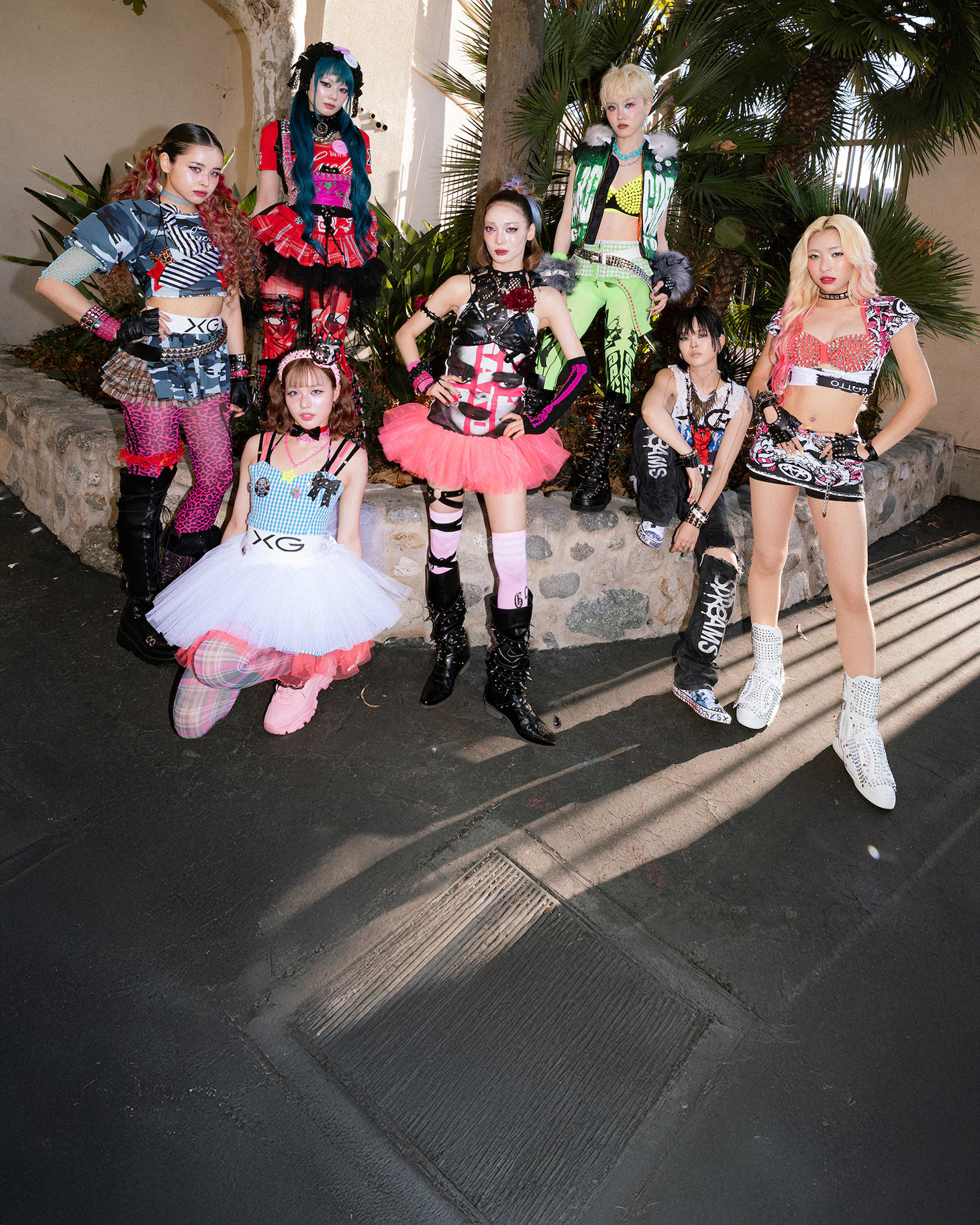
The energy at HEAD IN THE CLOUDS MUSIC FESTIVAL 2026 reached new heights as KATSEYE, XG, and Rich Brian brought three very different sounds to the stage, giving fans a weekend filled with global pop, hip-hop, and Asian music culture.
KATSEYE delivered one of the festival's most polished performances. With sharp choreography, powerful stage presence, and infectious pop energy, the group quickly had the crowd dancing and singing along. Their growing international popularity made their appearance feel like a major moment, reflecting the increasingly global nature of today's pop scene.
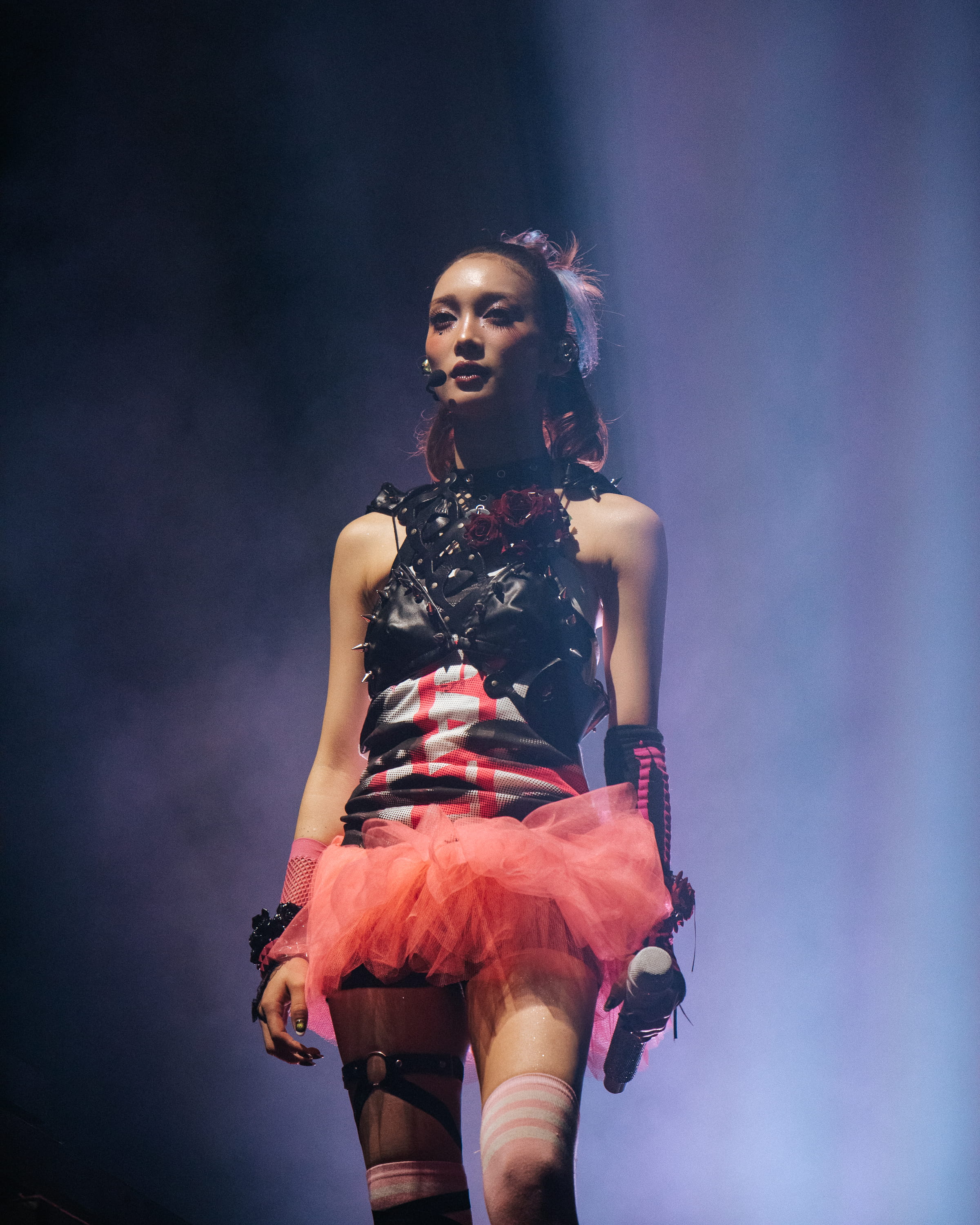
Then XG took the stage and completely changed the atmosphere. Blending hip-hop, R&B, and pop with their futuristic visual style, the group performed with confidence and attitude. Their performance highlighted the distinctive sound that has helped them build a devoted international fanbase.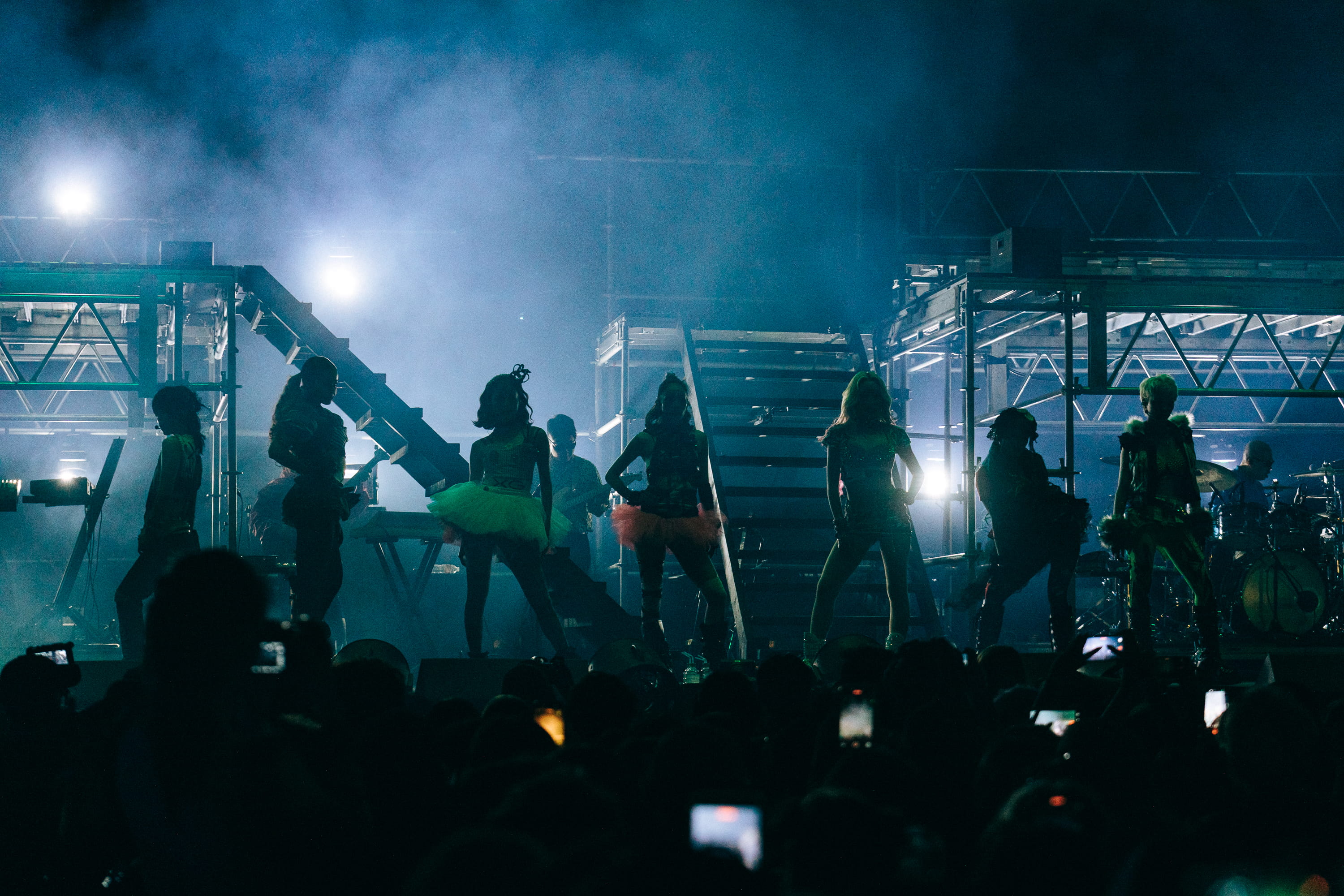
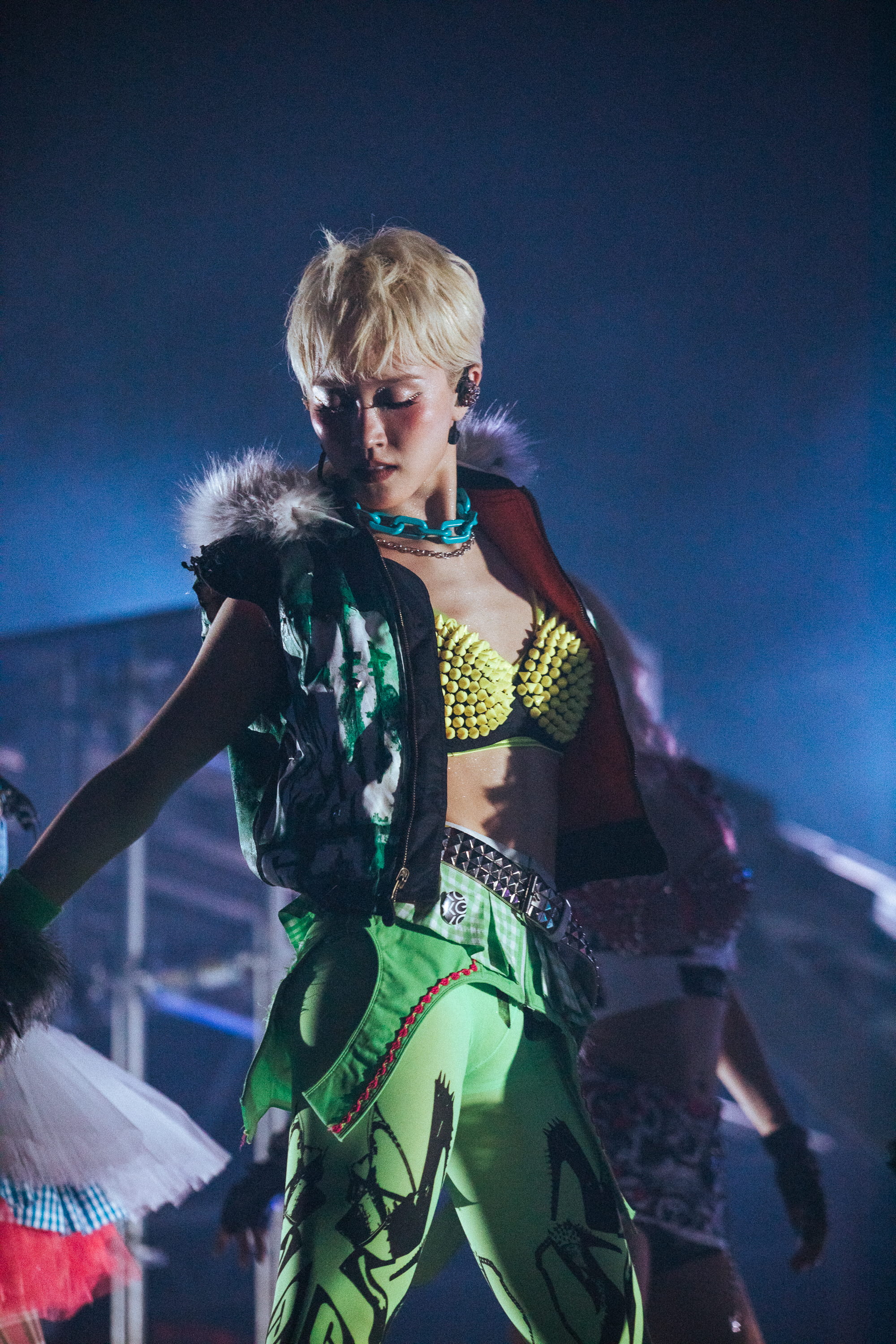
But for longtime fans of the HEAD IN THE CLOUDS movement, Rich Brian brought a particularly meaningful moment to the festival. As one of the artists closely associated with the 88rising era that helped put Asian artists in front of a worldwide audience, his performance carried a sense of history.
Rich Brian's set brought the crowd back to the hip-hop roots of the festival. His laid-back delivery and distinctive style contrasted with the high-energy performances of KATSEYE and XG, creating a memorable change of pace. Fans who had followed his career from the beginning shared the moment with a newer generation discovering his music.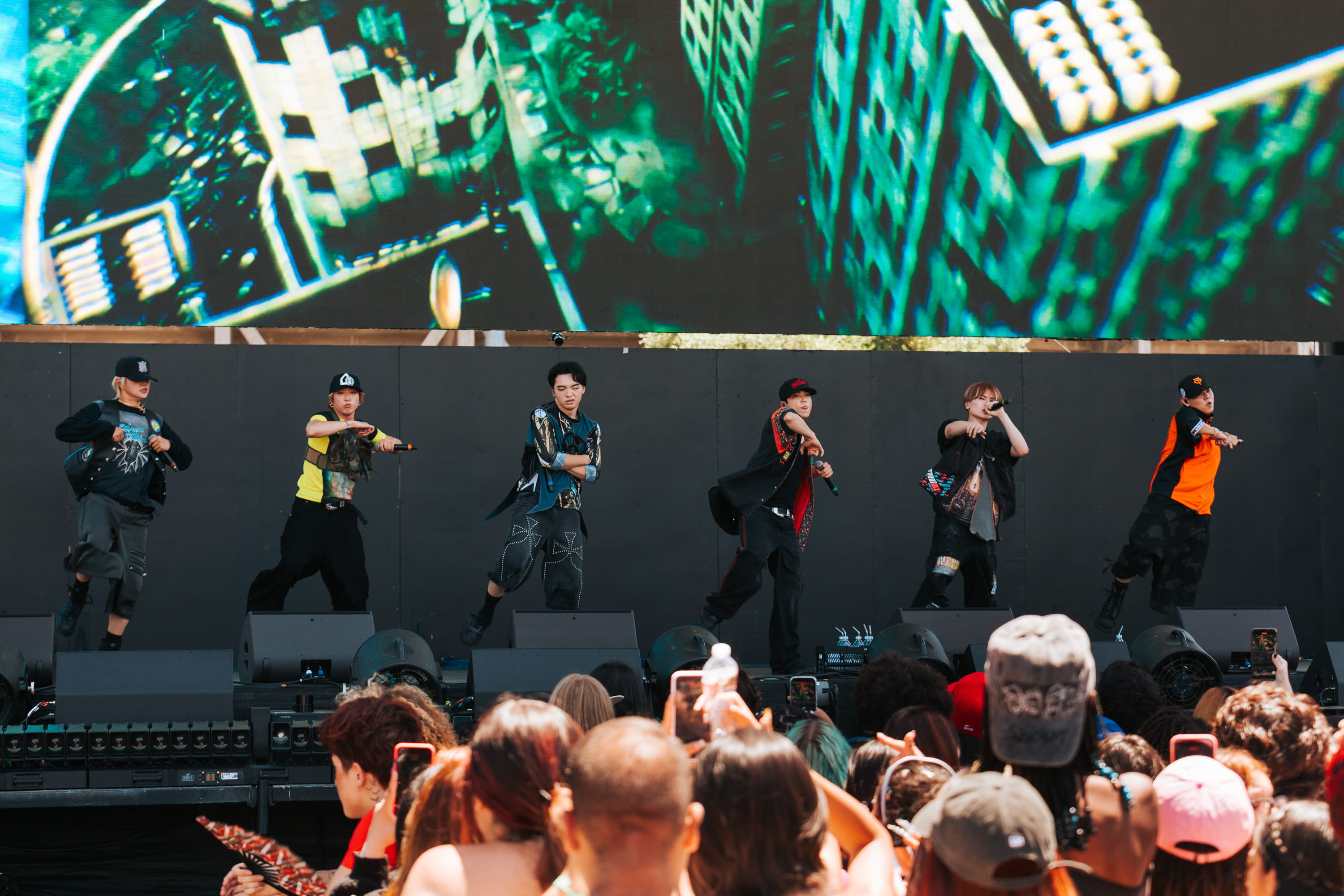
Together, KATSEYE, XG, and Rich Brian represented different generations and directions within the global Asian music scene. KATSEYE showed the power of modern international pop, XG brought genre-blending innovation, and Rich Brian reminded audiences of the artists who helped open the door for this generation.
That combination made HEAD IN THE CLOUDS 2026 feel bigger than a typical music festival. It became a meeting point between established artists, rising stars, and fans from around the world.
By the end of the weekend, one message was impossible to miss: Asian and Asian-diasporic artists are no longer waiting for the global stage—they are helping define it.