

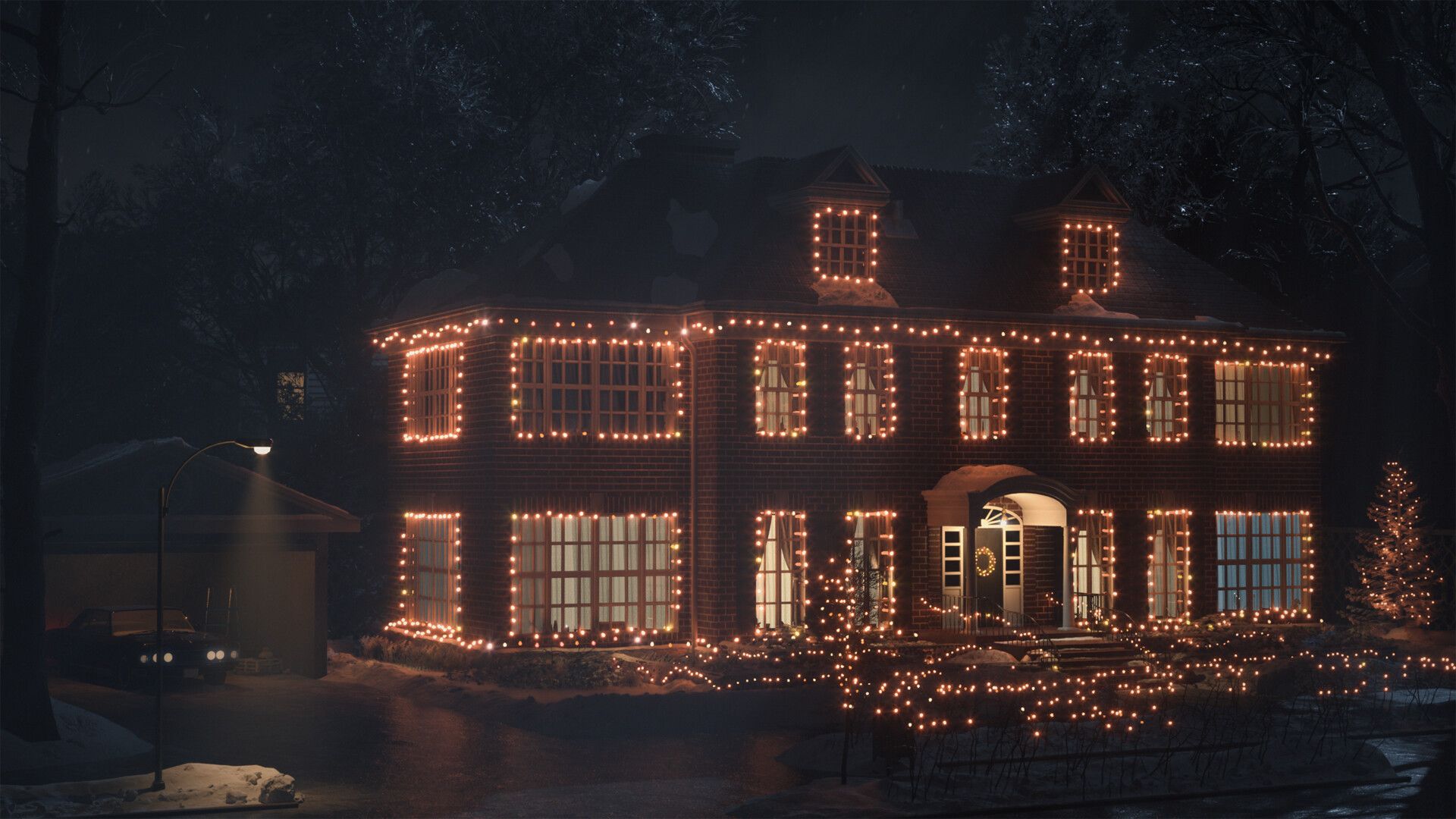
Some movies become more than seasonal favorites. They become traditions, returning to living rooms year after year until their characters feel like part of the holidays themselves. Home Alone occupies exactly that place in pop culture. Now, more than three decades after Kevin McCallister first outsmarted a pair of burglars, a new installment is reportedly taking shape at Disney-owned 20th Century Studios—and the familiar face at its center could be coming home.
Reports published November 20 indicate that Macaulay Culkin is attached to revisit the role that made him a global star. The project is in early development, with longtime creative partners Seth Rogen and Evan Goldberg working on the story and producing through Point Grey Pictures. It is an intriguing combination: an actor whose childhood performance helped define a generation's holiday cinema joining forces with filmmakers known for an irreverent, contemporary comedic sensibility.
For now, the distinction between a movie being developed and a movie being ready for theaters matters. No release date has been announced, and a complete cast, final storyline, and production schedule have not been publicly established. The excitement is about a possibility with substantial creative momentum, not a finished film waiting around the corner.
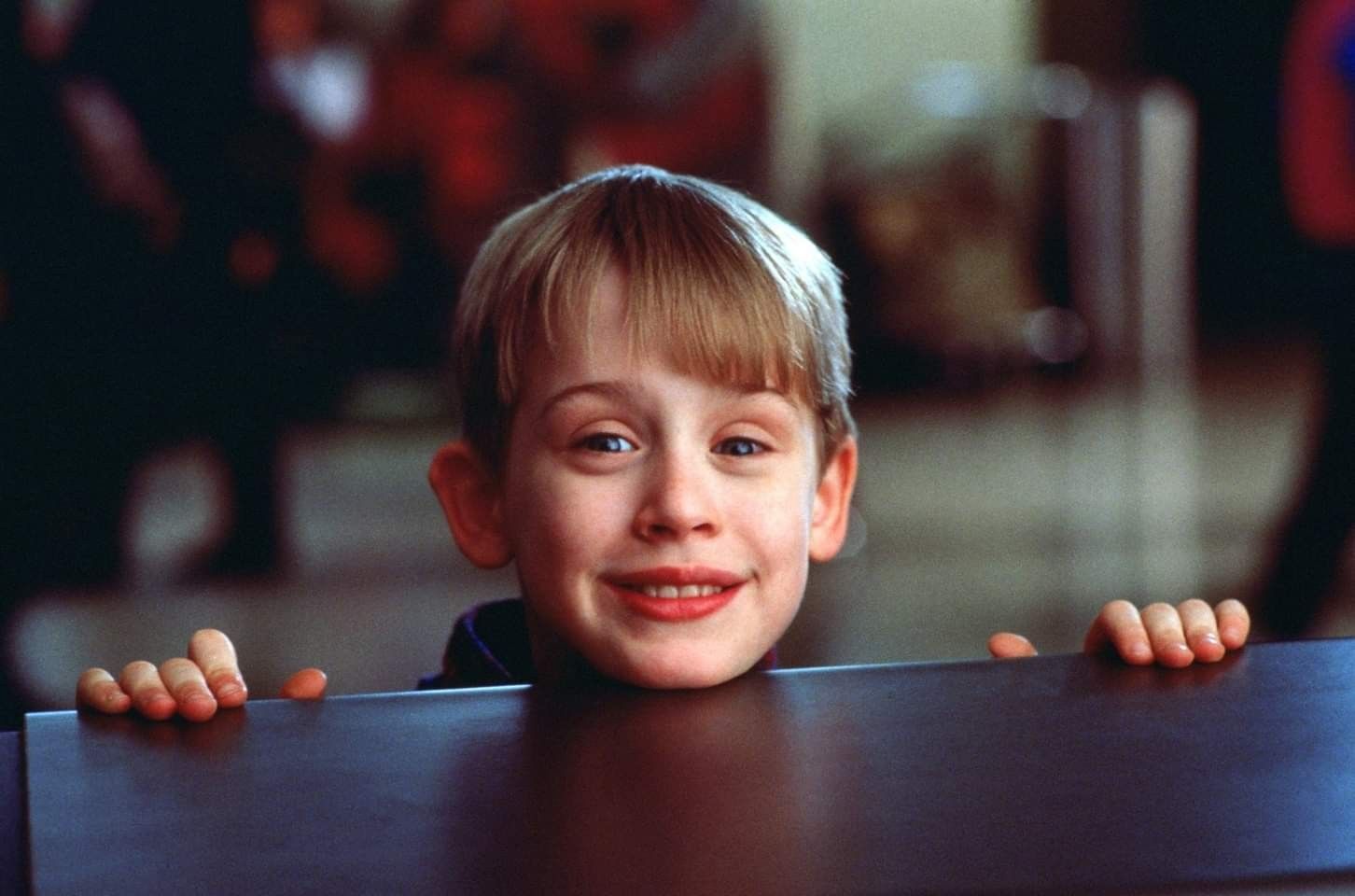
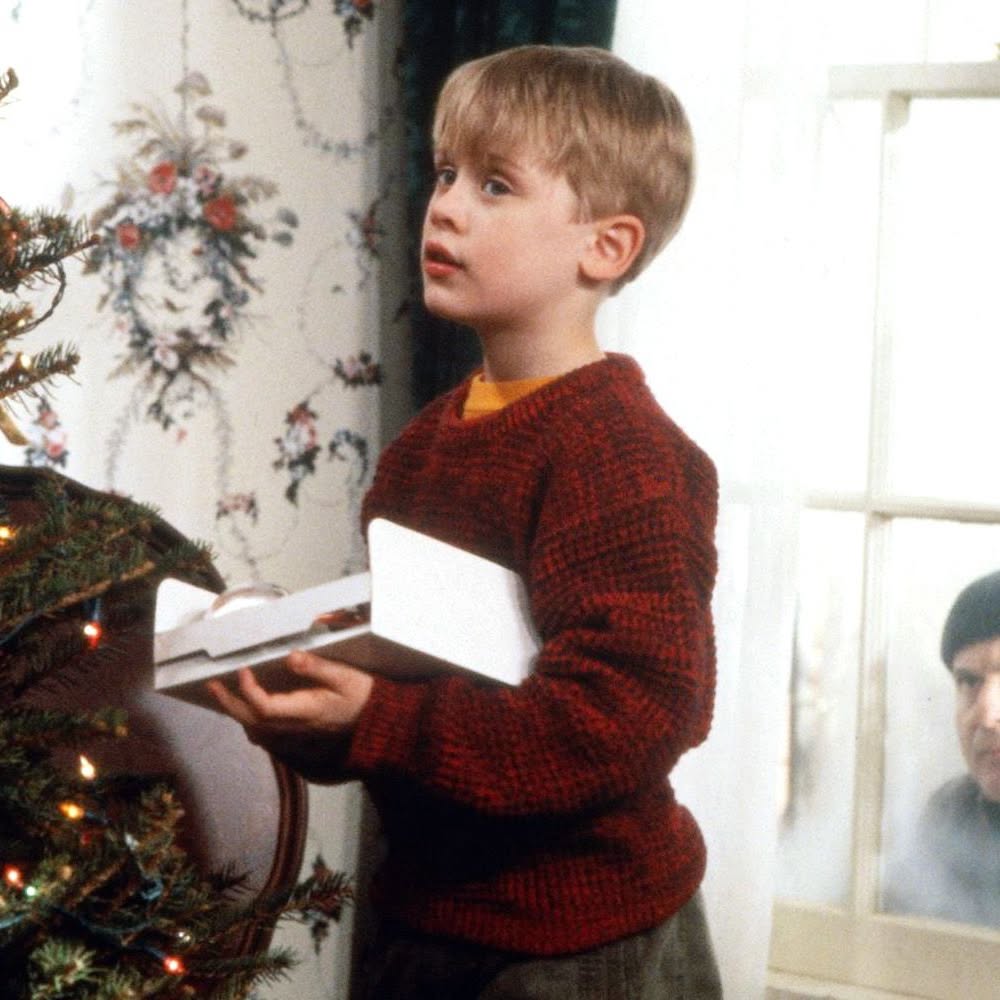
When Home Alone arrived in 1990, its premise was wonderfully simple. A boy accidentally left behind while his family travels for Christmas turns his house into an elaborate defense system against two persistent intruders. But the movie's appeal never depended solely on flying paint cans, slippery stairs, or Kevin's ingenuity. Beneath the mayhem sat a story about independence, fear, family and the realization that being by yourself is not always the same thing as wanting to be alone.
Directed by Chris Columbus and written by John Hughes, the original film made Culkin's Kevin one of cinema's most recognizable children. Home Alone 2: Lost in New York followed in 1992, sending the character into another festive adventure on a much larger playground. Later entries extended the franchise with different leads, but Kevin remained the figure most audiences associated with the title. That is why the prospect of Culkin's return feels different from a conventional remake: it promises continuity with a character viewers have already watched grow up, at least in their imaginations.
The most compelling direction for a new movie may be to acknowledge that passage of time instead of pretending it never happened. Culkin has previously discussed a possible story that finds Kevin navigating parenthood, reversing the dynamics that once placed him at the center of a childhood survival fantasy. That idea has been publicly floated, but it should not yet be treated as an officially confirmed plot synopsis. Still, it hints at an appealing thematic shift: what happens when the kid who once defended the family home becomes the adult responsible for keeping a family together?
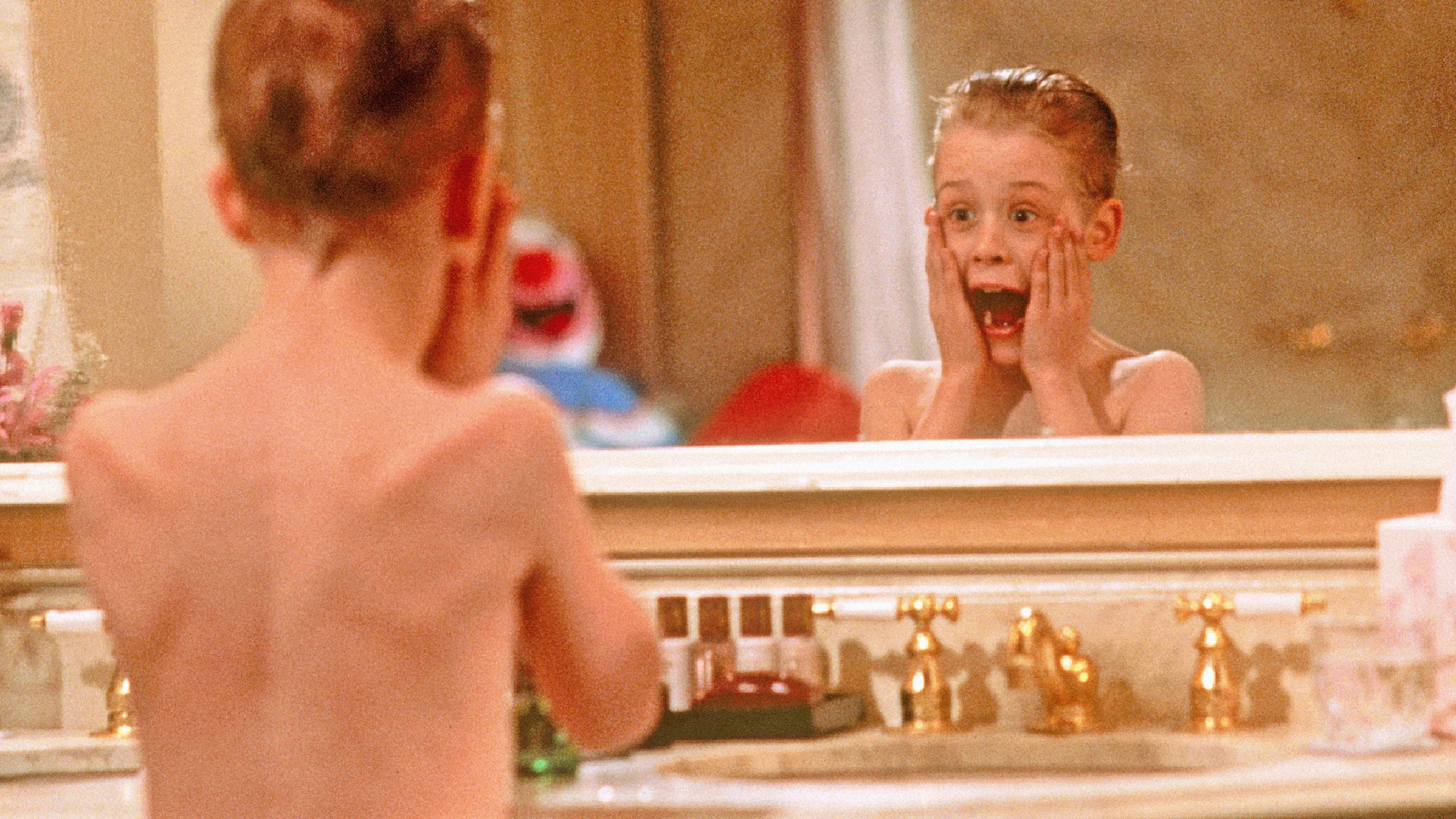
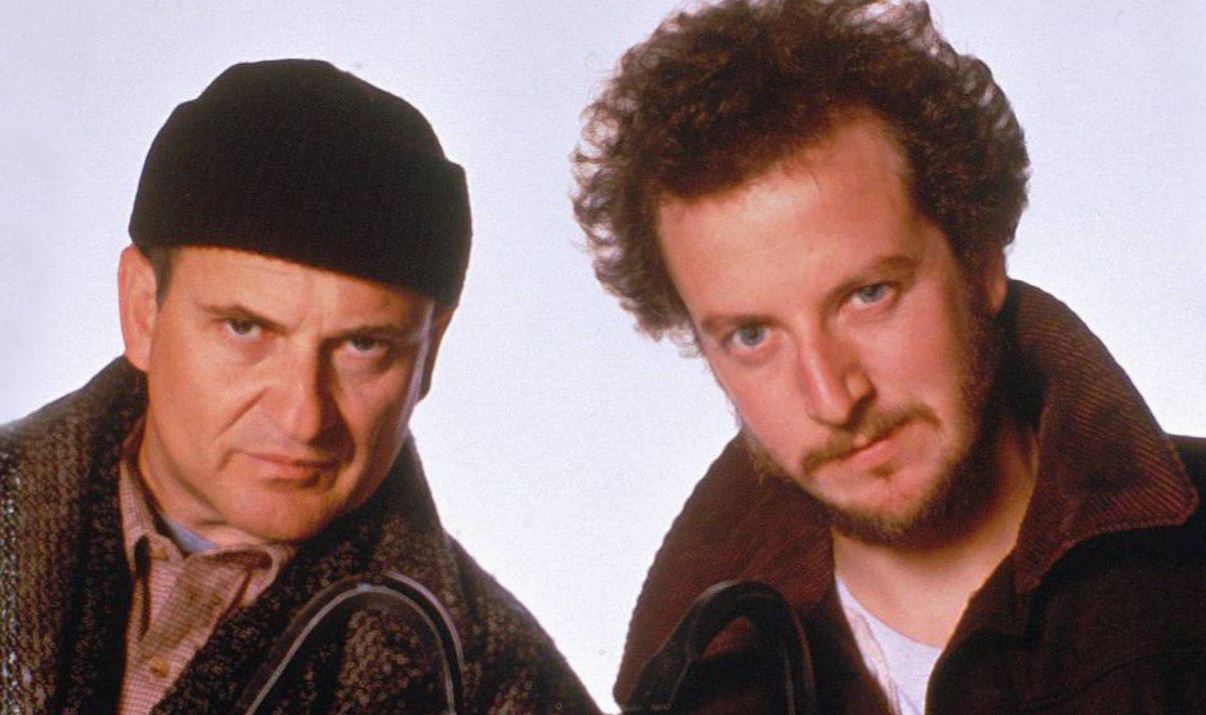
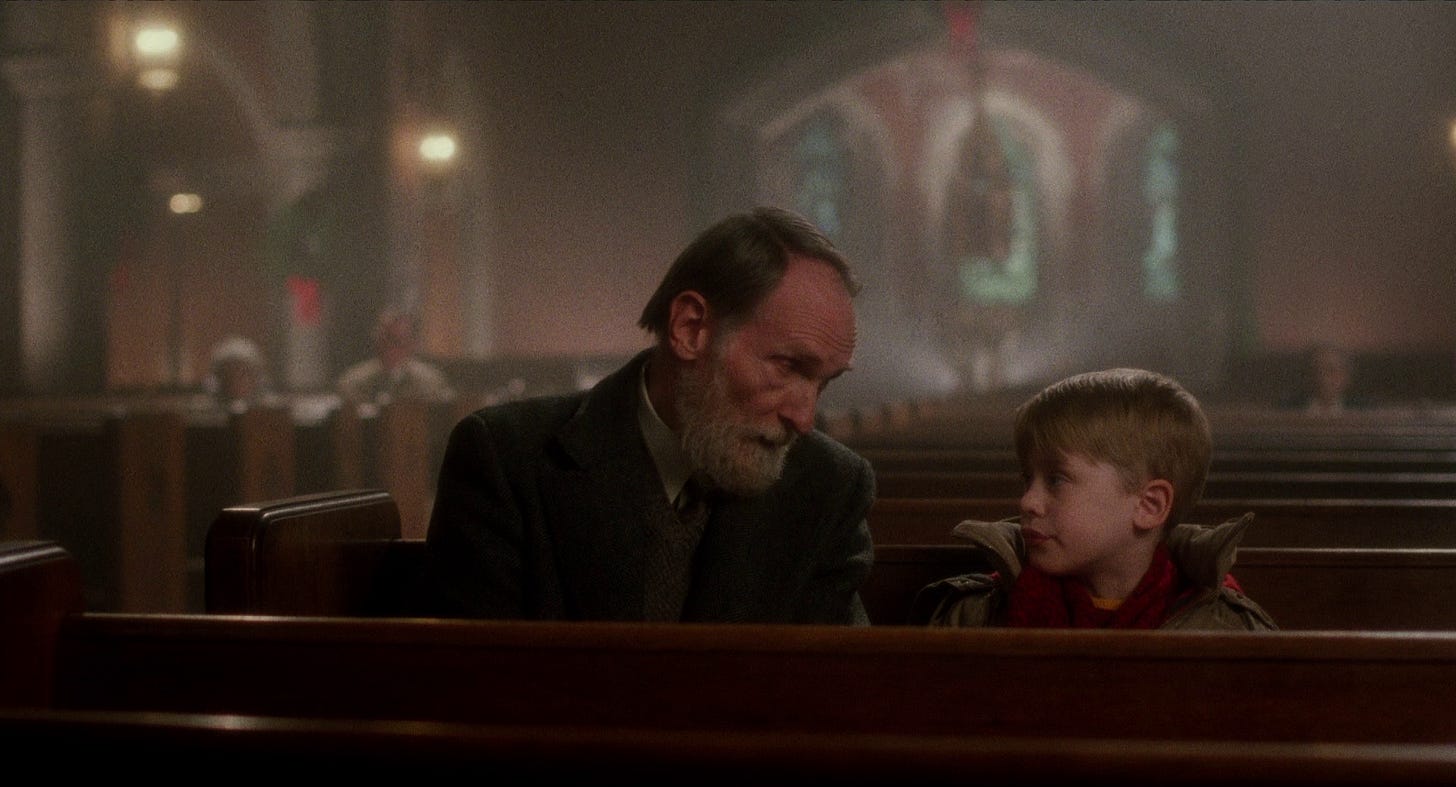

What does home really mean when you finally understand how much it matters?
Rogen and Goldberg's involvement also suggests an opportunity to rethink the rhythm of the comedy without discarding its heart. The pair have built a reputation for character-driven humor, sometimes chaotic and frequently self-aware. Home Alone, meanwhile, has always operated at the intersection of slapstick invention and genuine tenderness. Finding the right balance would be the challenge. A grown-up Kevin cannot simply repeat the same tricks and expect them to land with the same force; the obstacles, and the emotional stakes, would need to evolve with him.
Nostalgia is powerful, particularly at Christmas, but it is not a substitute for storytelling. Audiences have seen enough revivals to know that familiar music and recognizable names can open the door without necessarily giving them a reason to stay. The promise of this project lies in its chance to explore what the passage of 36 years means for Kevin and for the viewers who first met him as children. Humor could come from the collision of old instincts with new responsibilities. Emotion could come from discovering which lessons have endured and which ones Kevin still has to learn.
There is also an unmistakable generational opportunity. Families who grew up with the original films now share them with children of their own. A new story could speak to both audiences at once — rewarding longtime fans with a meaningful continuation while introducing younger viewers to the ingenuity and holiday chaos that made Home Alone a phenomenon. That bridge between generations is more valuable than any single callback or cameo.
Whether this new installment ultimately becomes a holiday staple will depend on the screenplay, its execution and the filmmakers' willingness to let the character move forward. For the moment, though, the development news has accomplished something that few franchise announcements manage: it has made the idea of returning to an old cinematic home feel genuinely interesting again. Kevin McCallister may be older, the world around him may have changed, and the traps may look different. But the biggest question remains the one that made the original memorable: what does home really mean when you finally understand how much it matters?