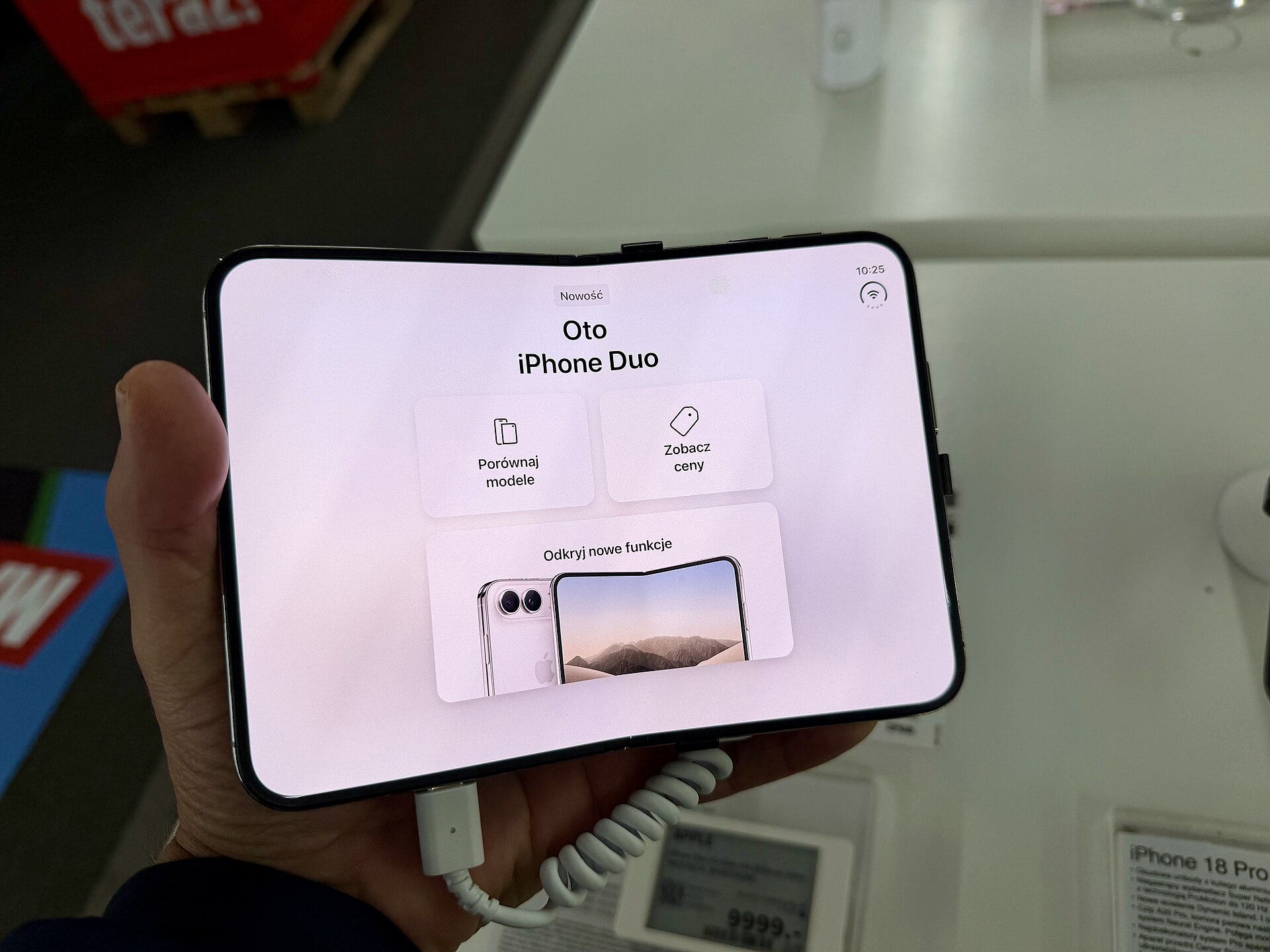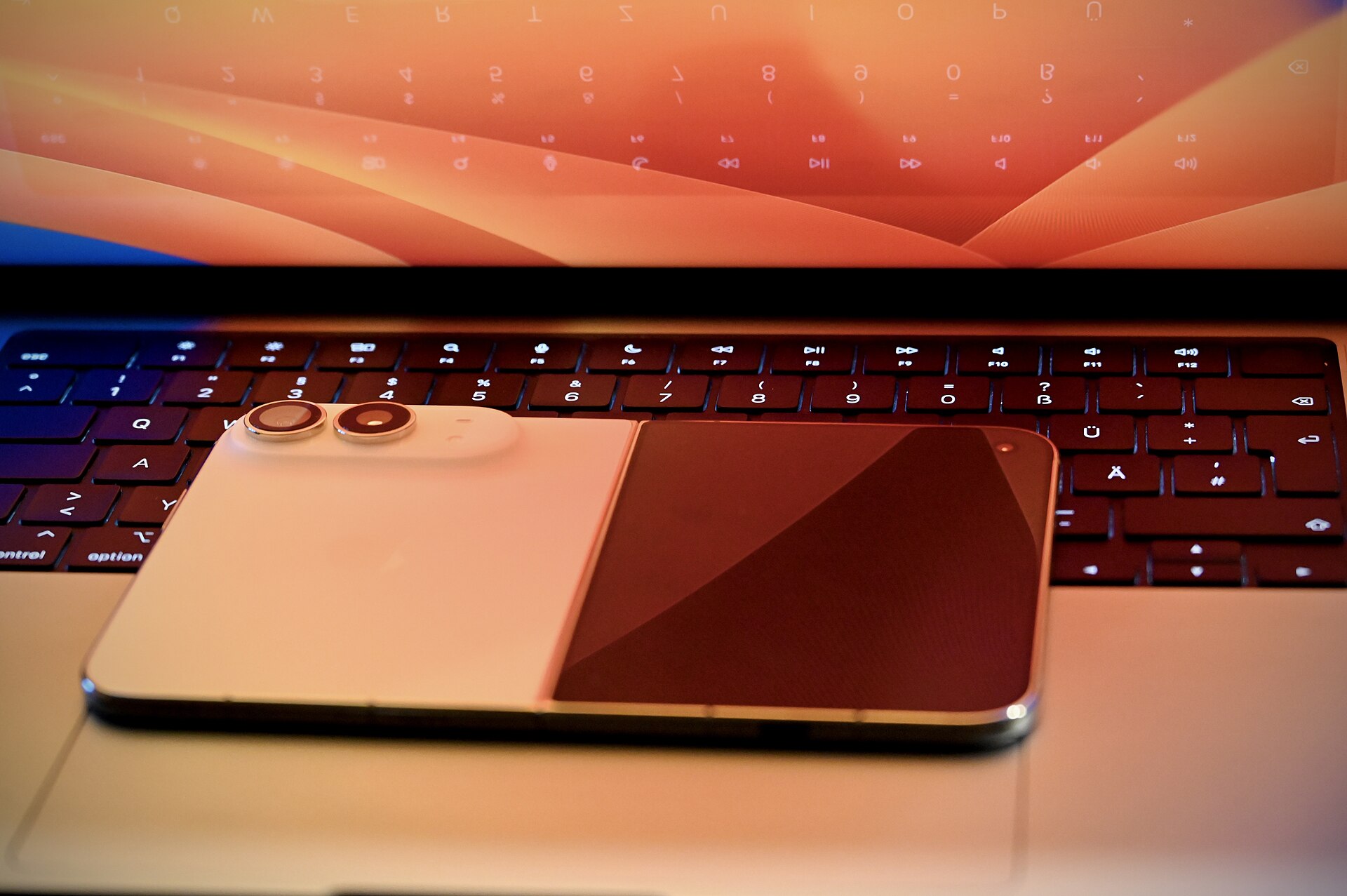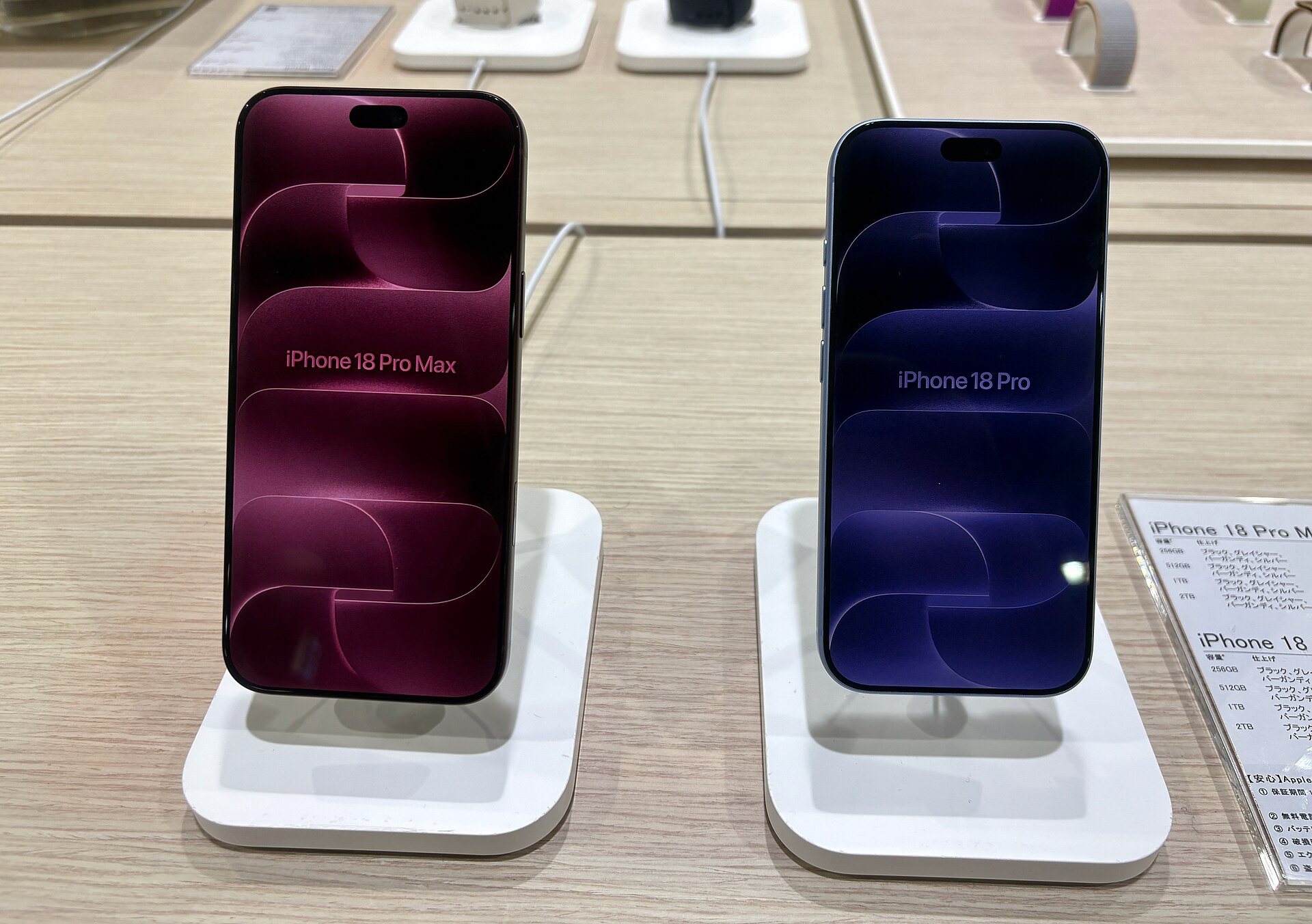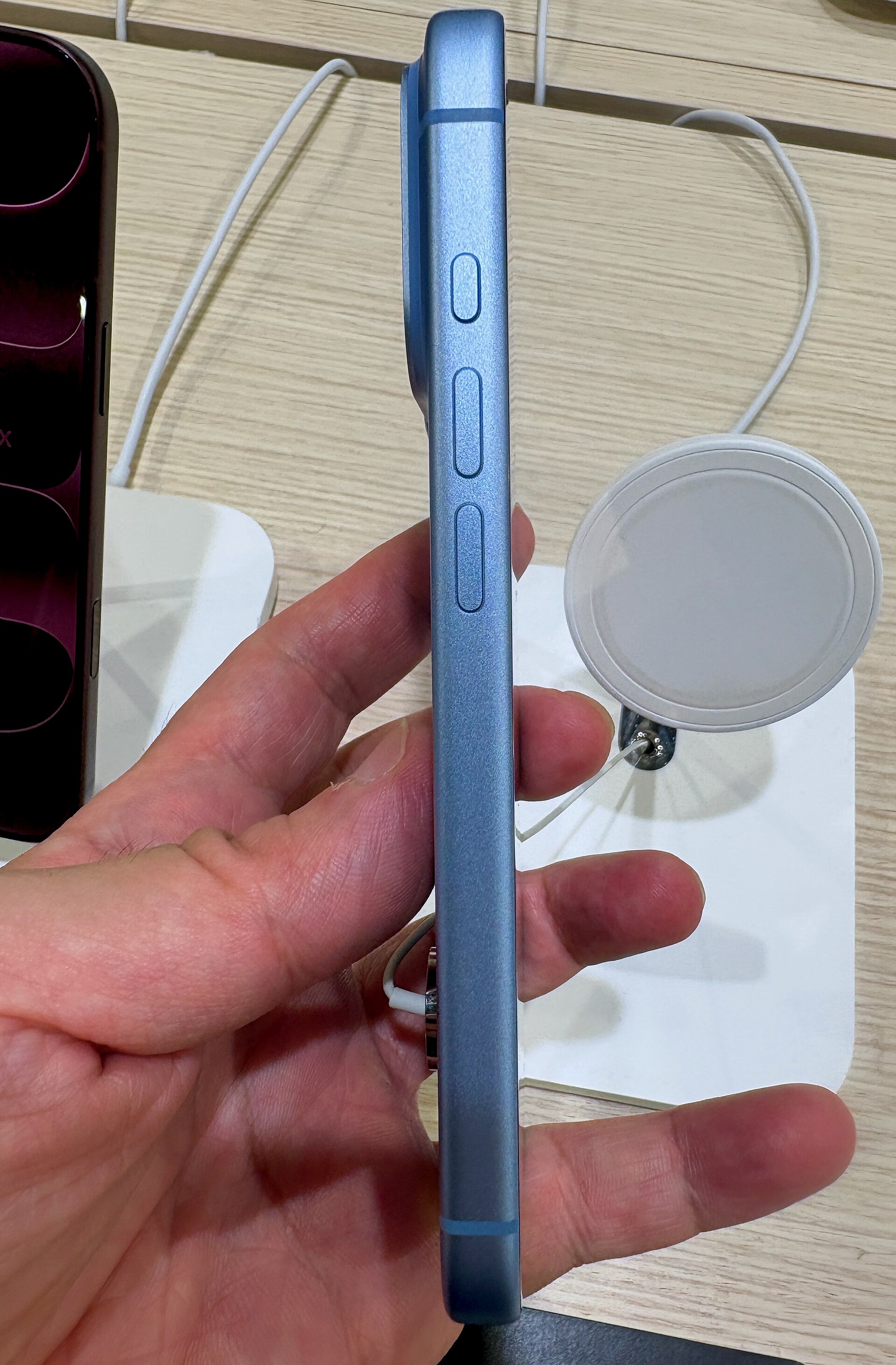

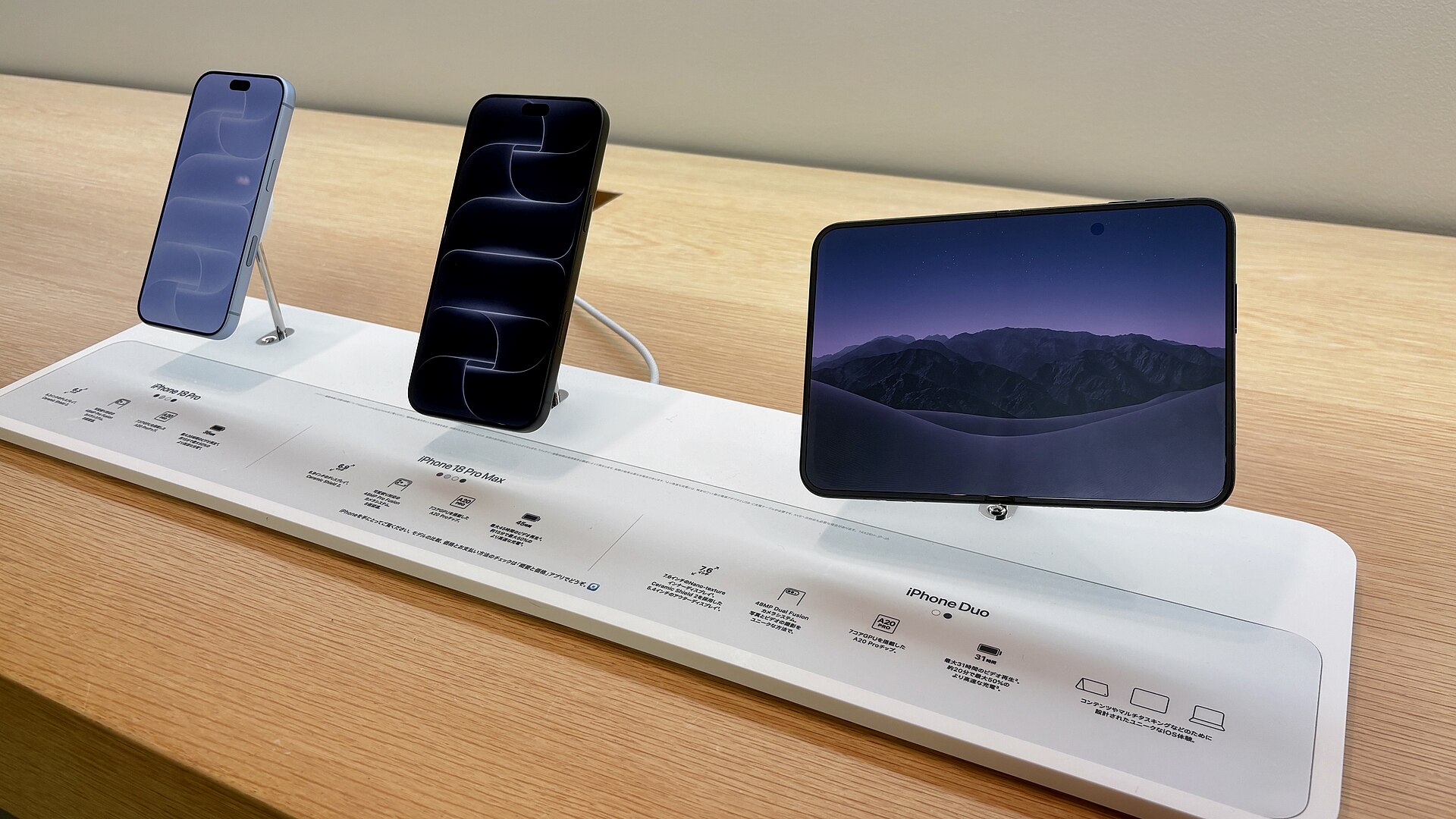
For the first time in the iPhone's history, the top of Apple's range is a genuine fork in the road. On September 9, 2026, Apple announced the iPhone 18 Pro — the latest, most refined version of the slab flagship it has been perfecting for nearly two decades — and, on the same stage, the iPhone Duo, its first foldable phone. The Pro reached stores on September 18. The Duo followed on October 23, and promptly sold into a waiting list that now stretches toward late January. Both run the same A20 Pro chip. Both wear flagship prices. But they are answers to two different questions, and choosing between them says a lot about what you actually want a phone to be.
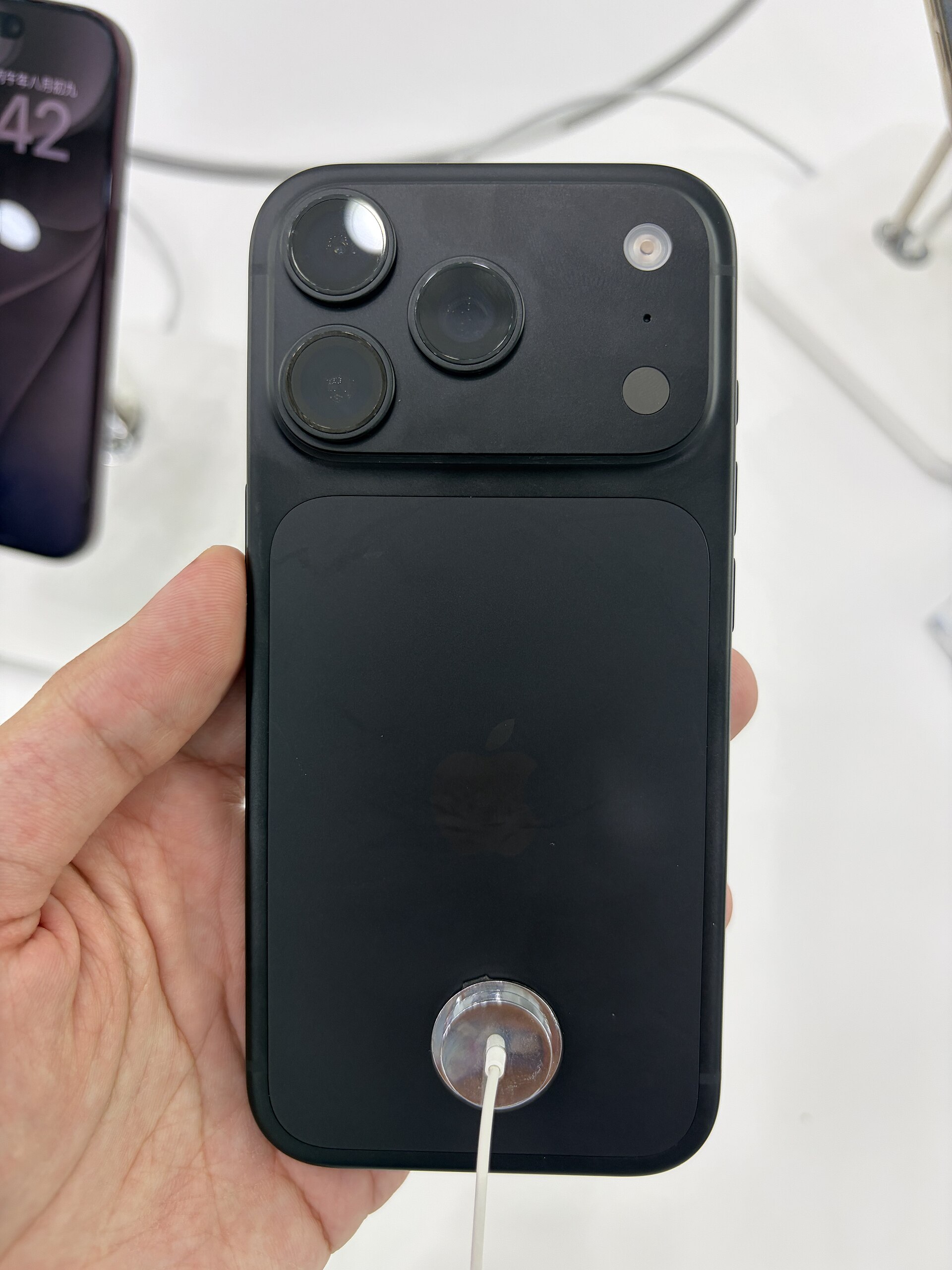
The iPhone 18 Pro is the safe pair of hands, except there is nothing timid about it. A 6.3-inch Super Retina XDR display, a triple 48-megapixel camera system headlined by a genuine variable aperture, up to 36 hours of rated video playback and a $1,199 starting price make it, on paper and in the hand, the most complete conventional iPhone Apple has ever shipped. The iPhone Duo is the opposite instinct: a book-style foldable in polished titanium that works as a compact 5.4-inch phone when closed and opens into a 7.6-inch near-tablet, with a dual-camera system, a $1,999 starting price and the small print that always follows a first generation.
Living with both sharpens the contrast. The Pro, at 211 grams and 8.75mm thin, disappears into a pocket and a routine; it is the phone you stop noticing because it never asks you to think about it. The Duo, at 254 grams and 11.3mm thick when closed, is a presence — the heaviest iPhone Apple has ever made. But every time it opens, reading, video and two apps side by side stop feeling like phone activities at all. Reviewers have called it the most refined foldable yet built, and in the same breath pointed at its missing telephoto lens, its early hinge headlines and that two-thousand-dollar floor.
So here is the verdict up front. For most buyers, the iPhone 18 Pro is the one: it has the better cameras, the lighter body, the longer track record and an $800 head start that buys a lot of accessories, storage or peace of mind. The Duo is not the better phone — it is the more interesting one, and for the reader, the traveller and the two-apps-at-once worker who will open it a hundred times a day, interesting may be exactly the point. The sections below break down where each one wins, and where each one asks you to compromise.
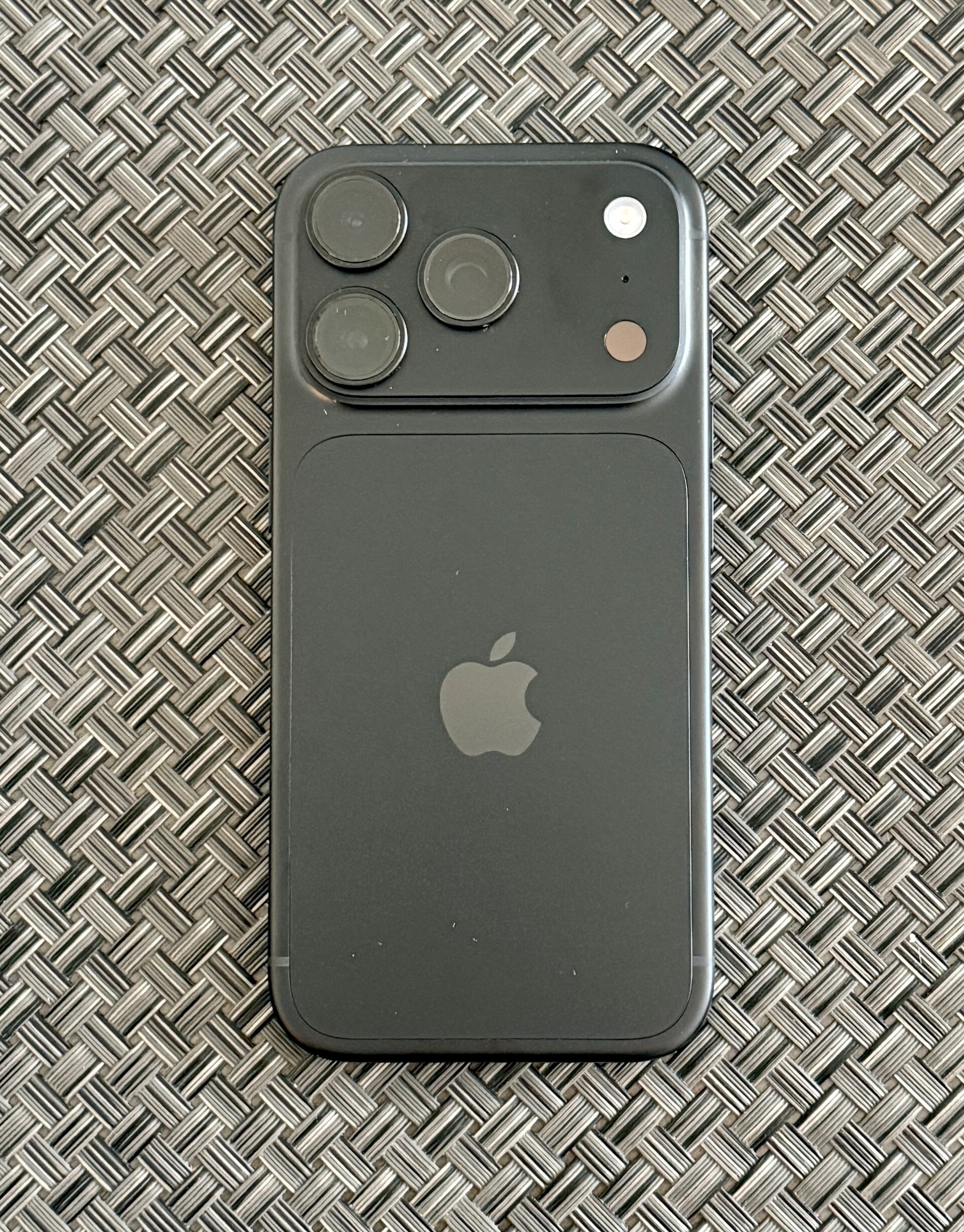
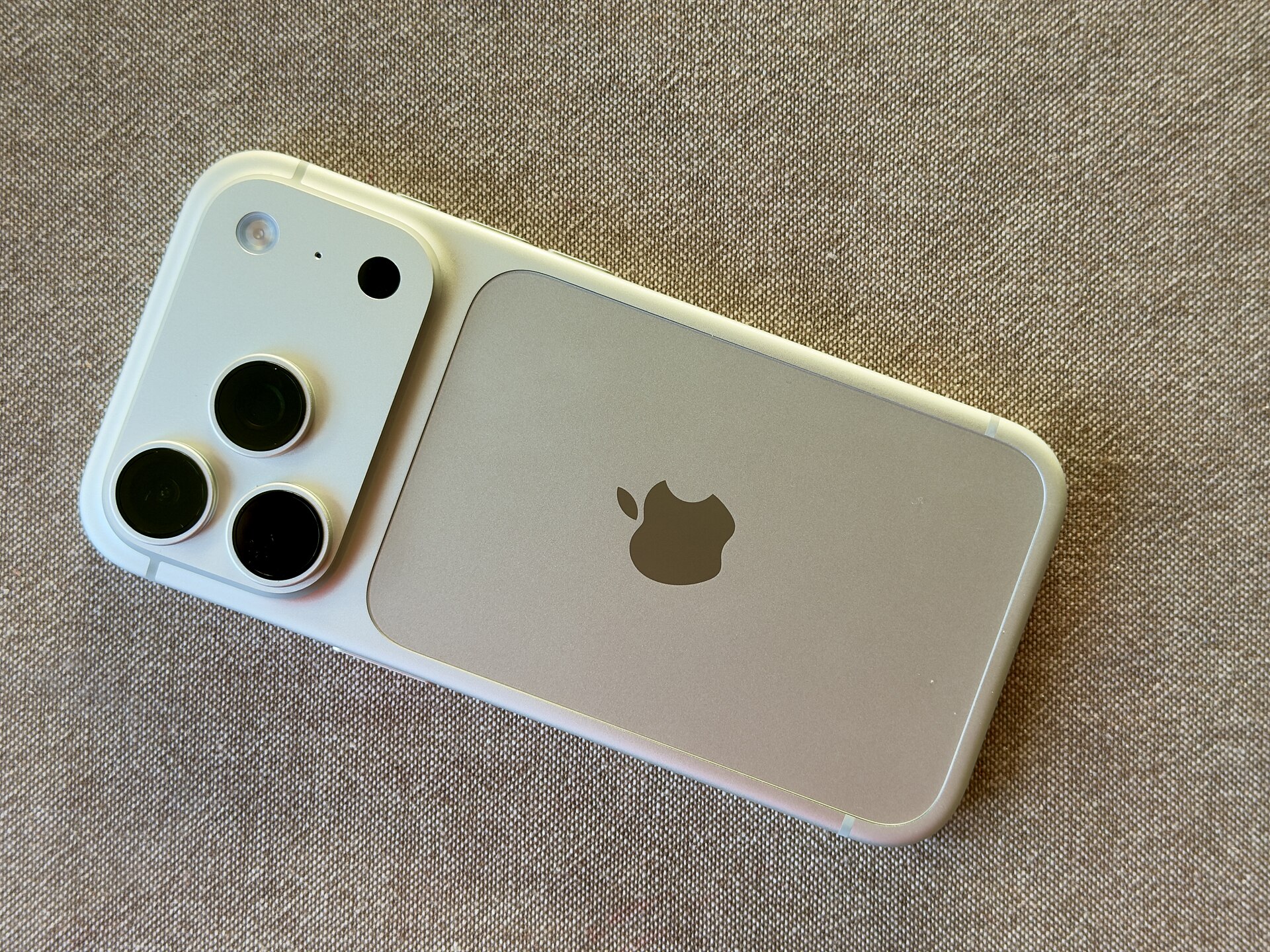
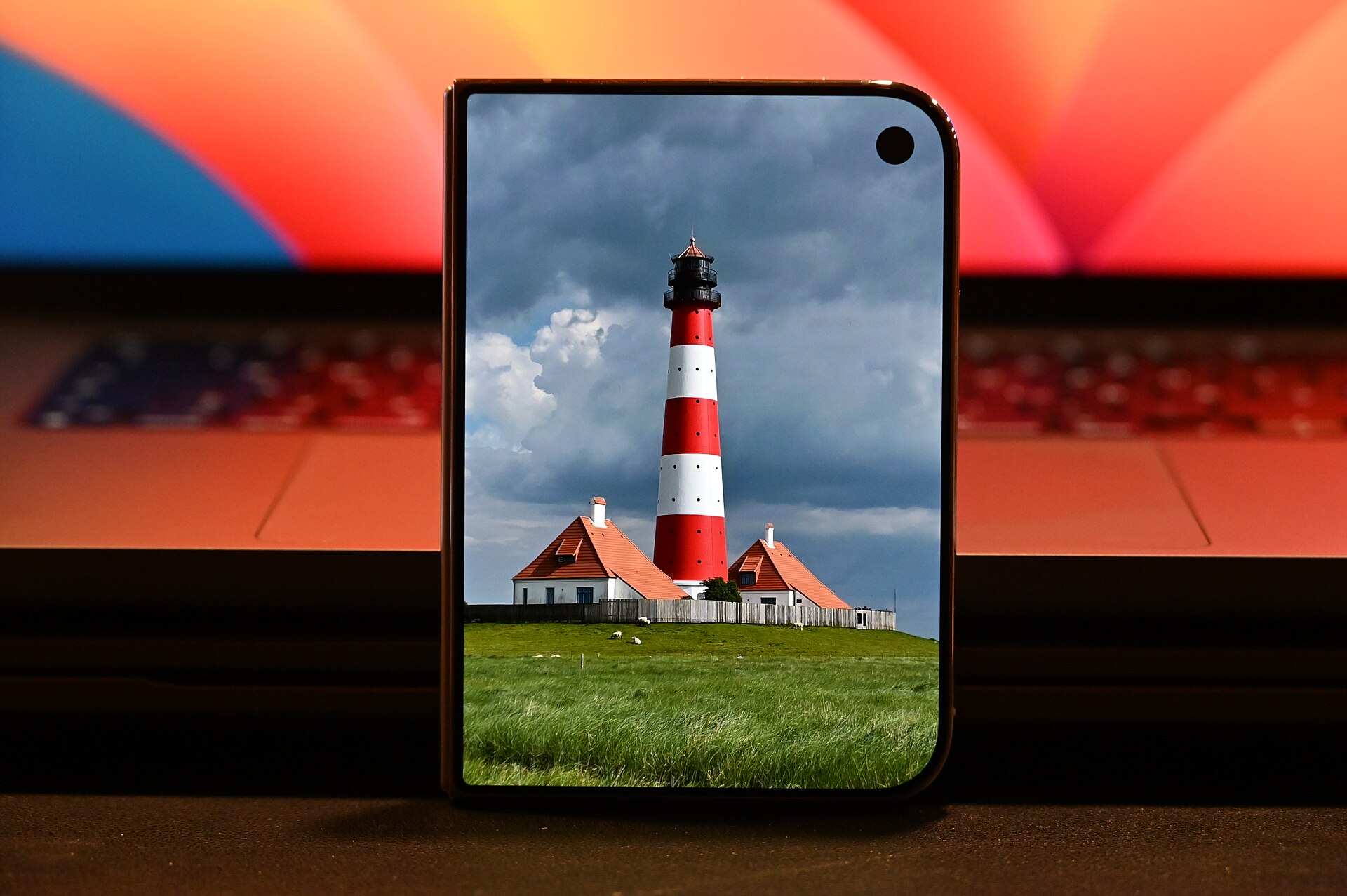
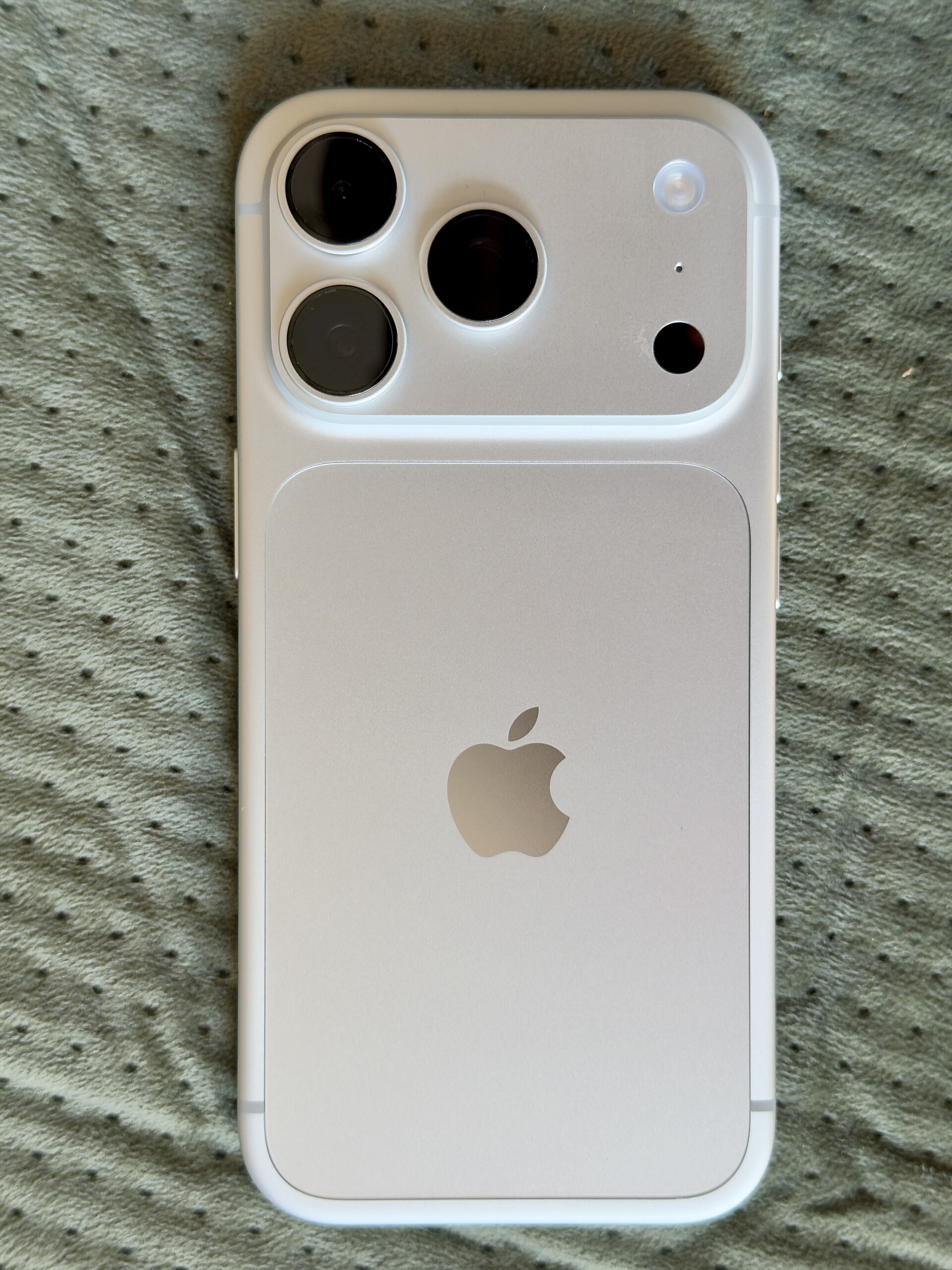
One is the best iPhone Apple knows how to make. The other is the iPhone it is learning to make.
Two Designs, Two Philosophies
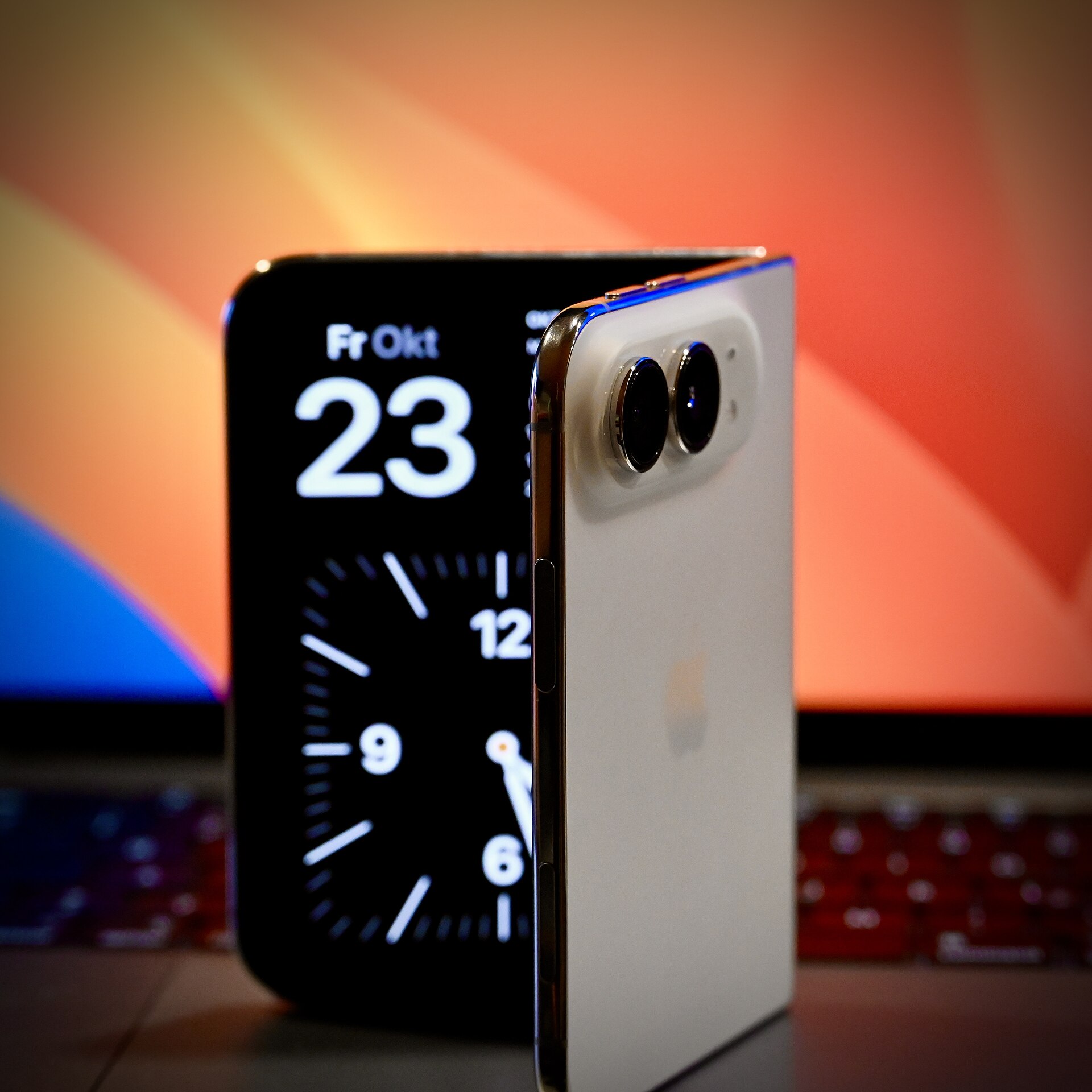
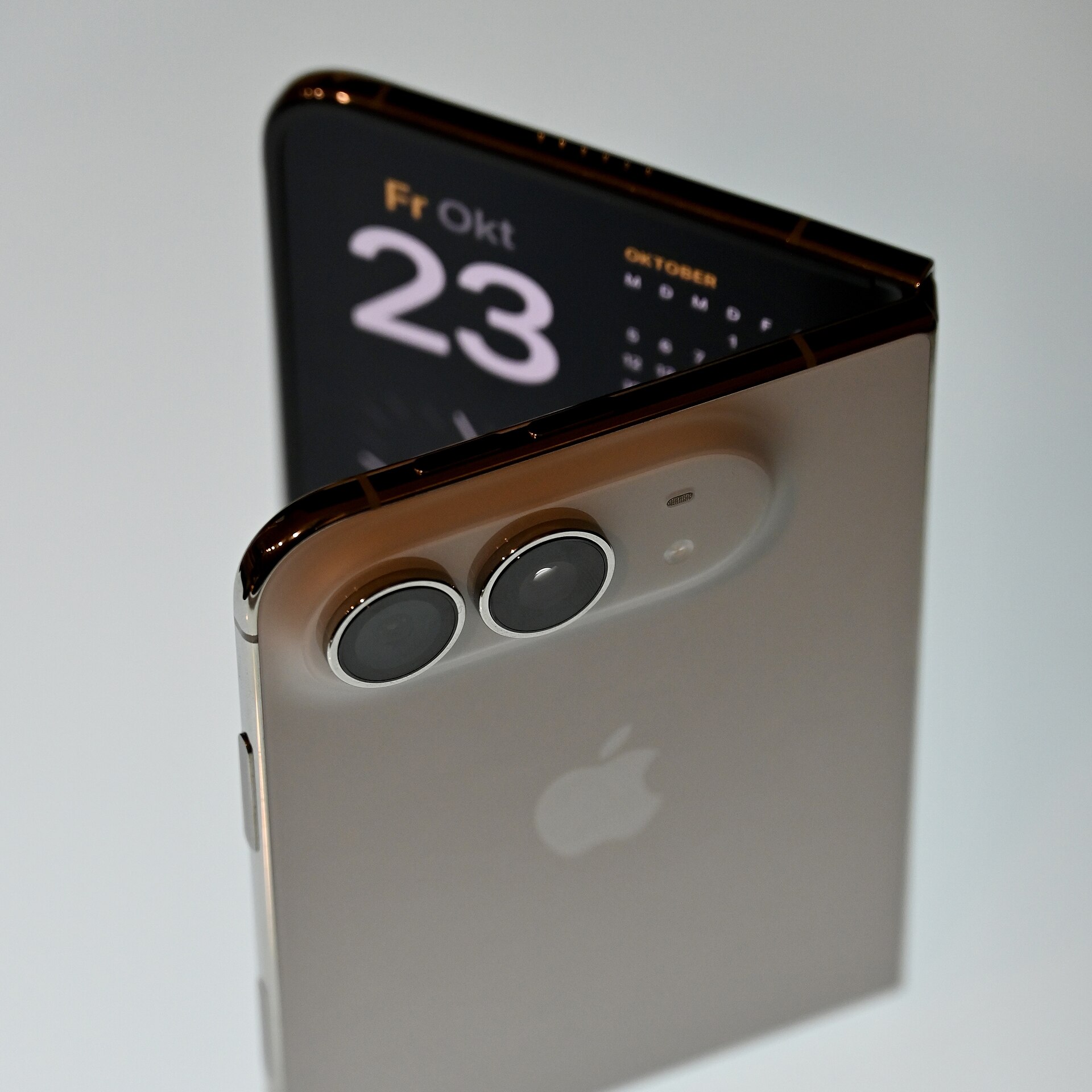
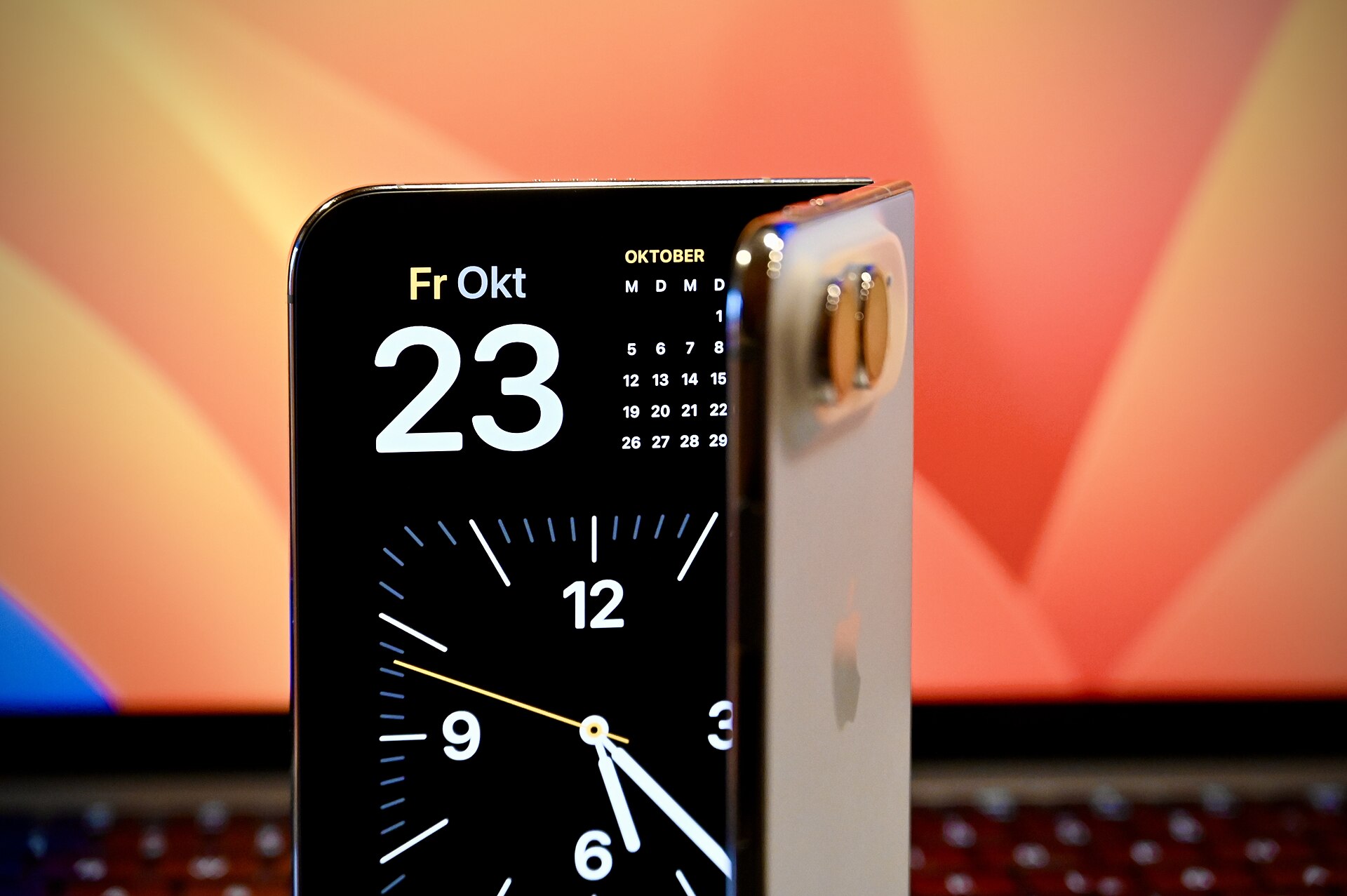
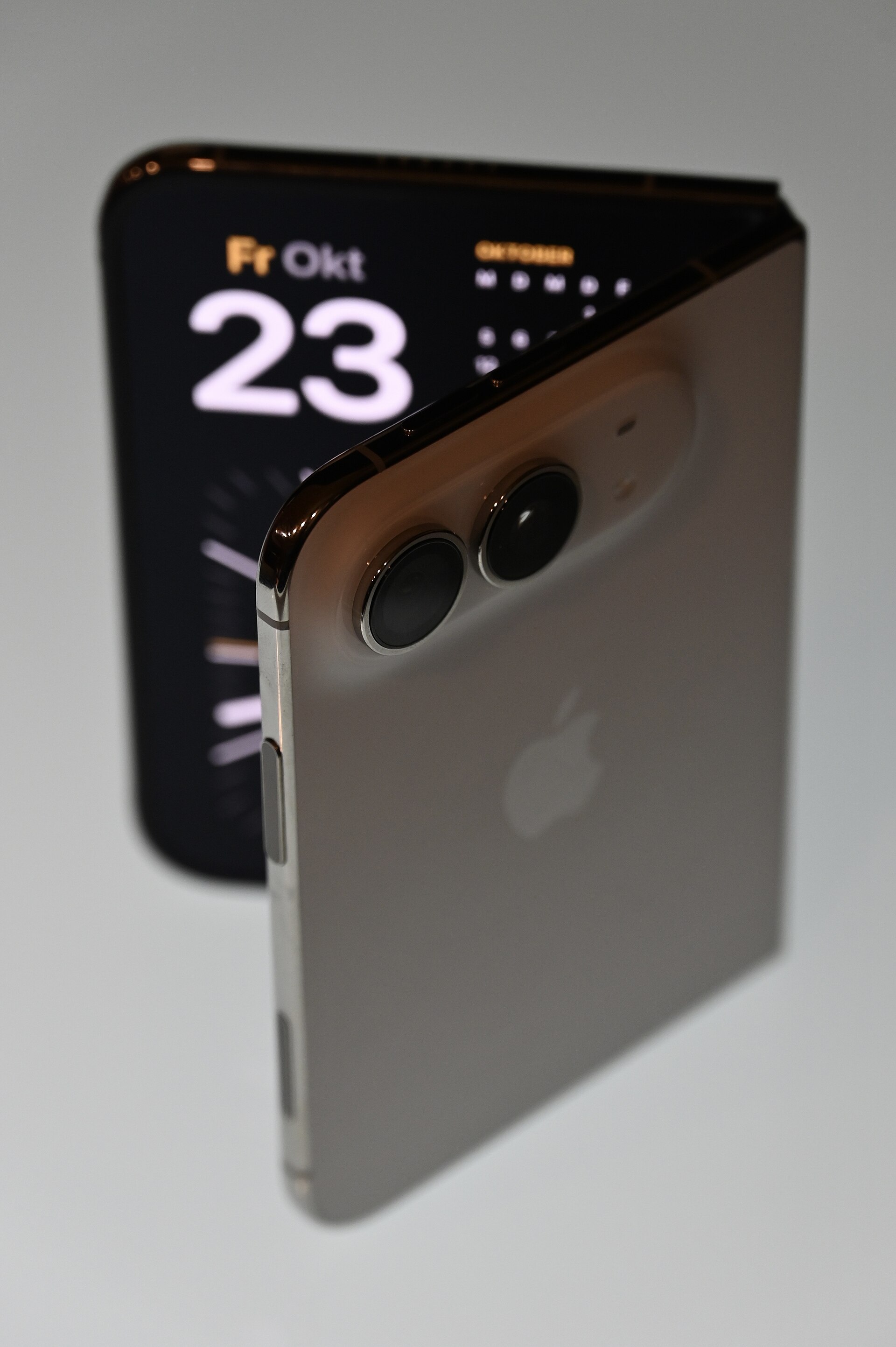
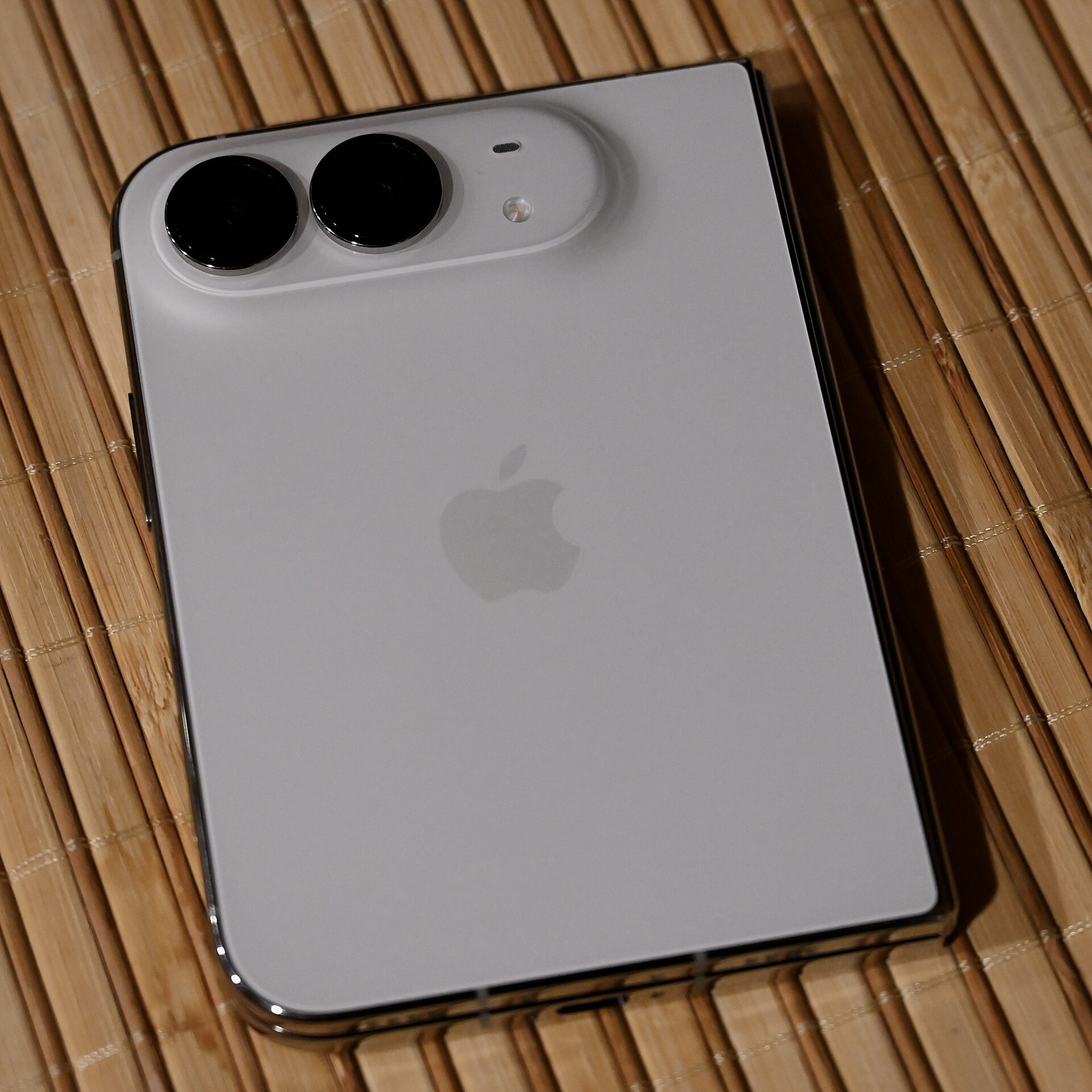
The Pro is evolution at its most polished: an aluminium unibody with a wide camera plateau, Ceramic Shield 2 up front, four finishes — Black, Silver, Glacier and the deep new Burgundy — and dimensions that ask nothing of you. The Duo is a statement object. Its enclosure is Grade 5 titanium polished to a mirror finish, wrapped around a variable-torque hinge assembled from more than 100 components, with a magnet array that pulls the two halves shut with a soft, expensive certainty. Closed, it is short and wide — 117.8mm tall, 84.1mm across, roughly passport-sized — and at 11.3mm it is thick by modern standards. Open, the trick lands: at 5.2mm it becomes the thinnest iPhone Apple has ever made, a sheet of screen with a hinge for a spine. The trade-offs are real. The Duo weighs 254 grams to the Pro's 211, it swaps Face ID for Touch ID in the side button, and it comes in just two colours, Star White and the deep blue Night Sky. One phone is designed to disappear. The other is designed to be opened — slowly, and in front of people.
Displays: One Great Screen vs a Screen That Becomes a Tablet
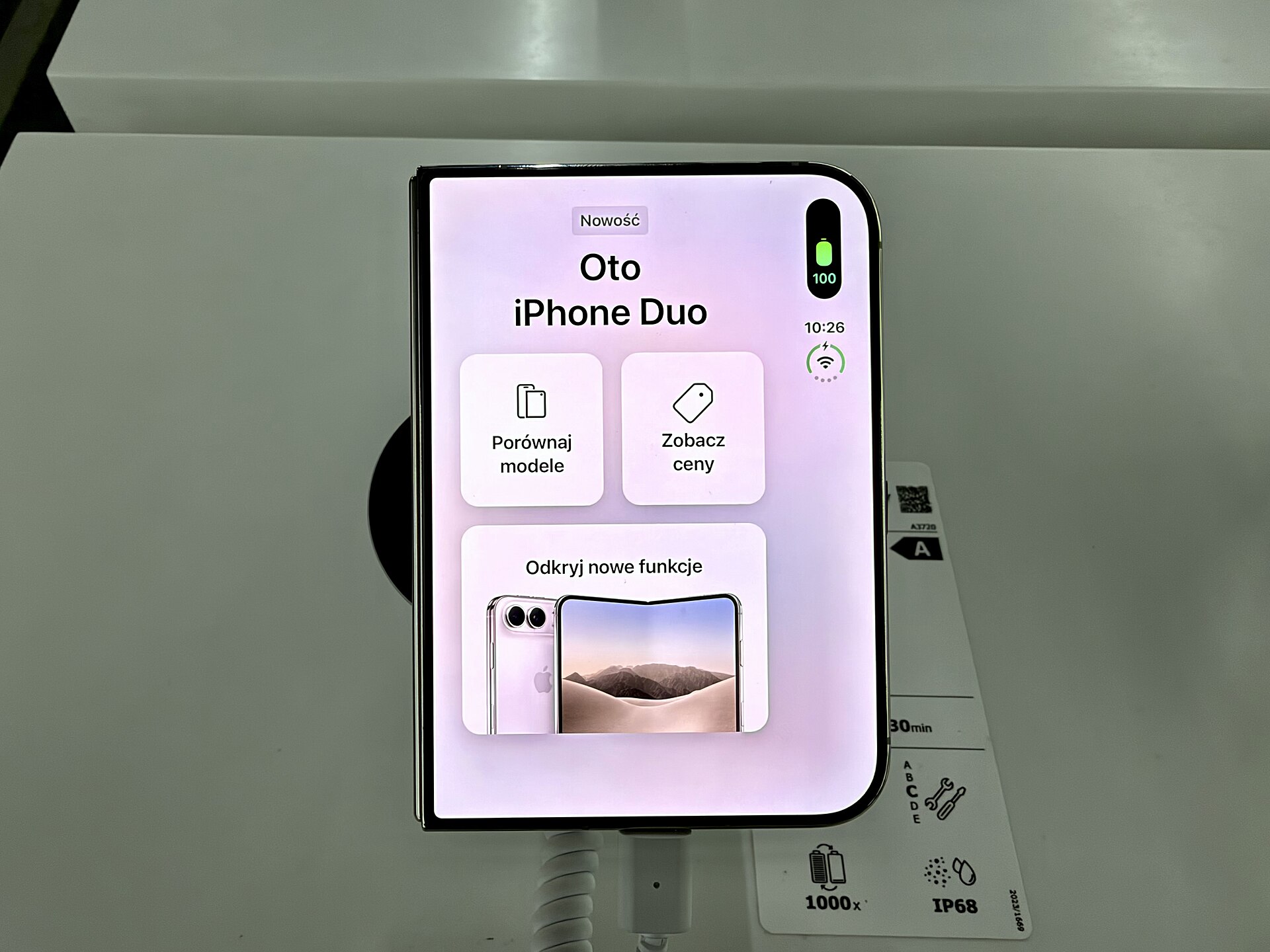
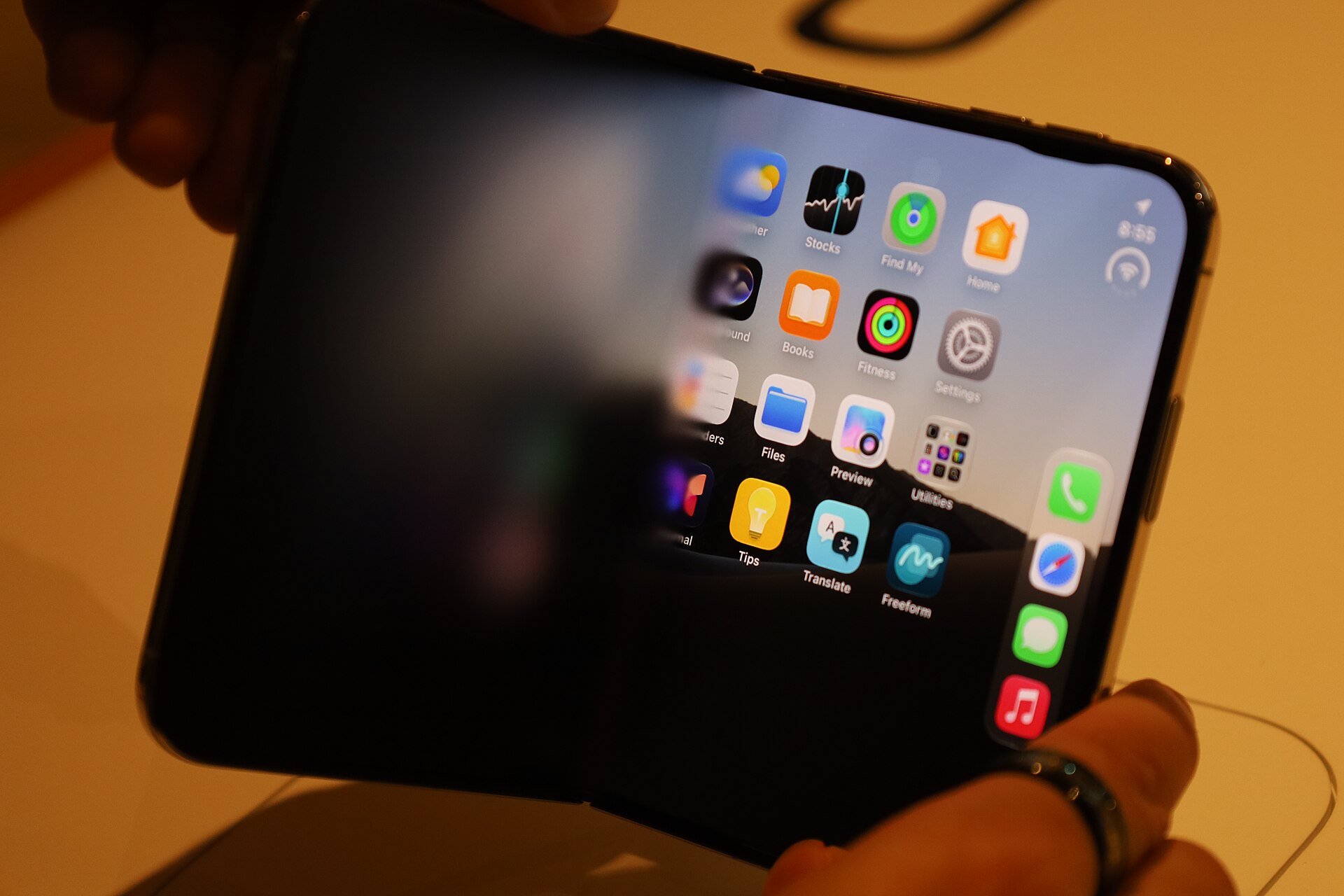
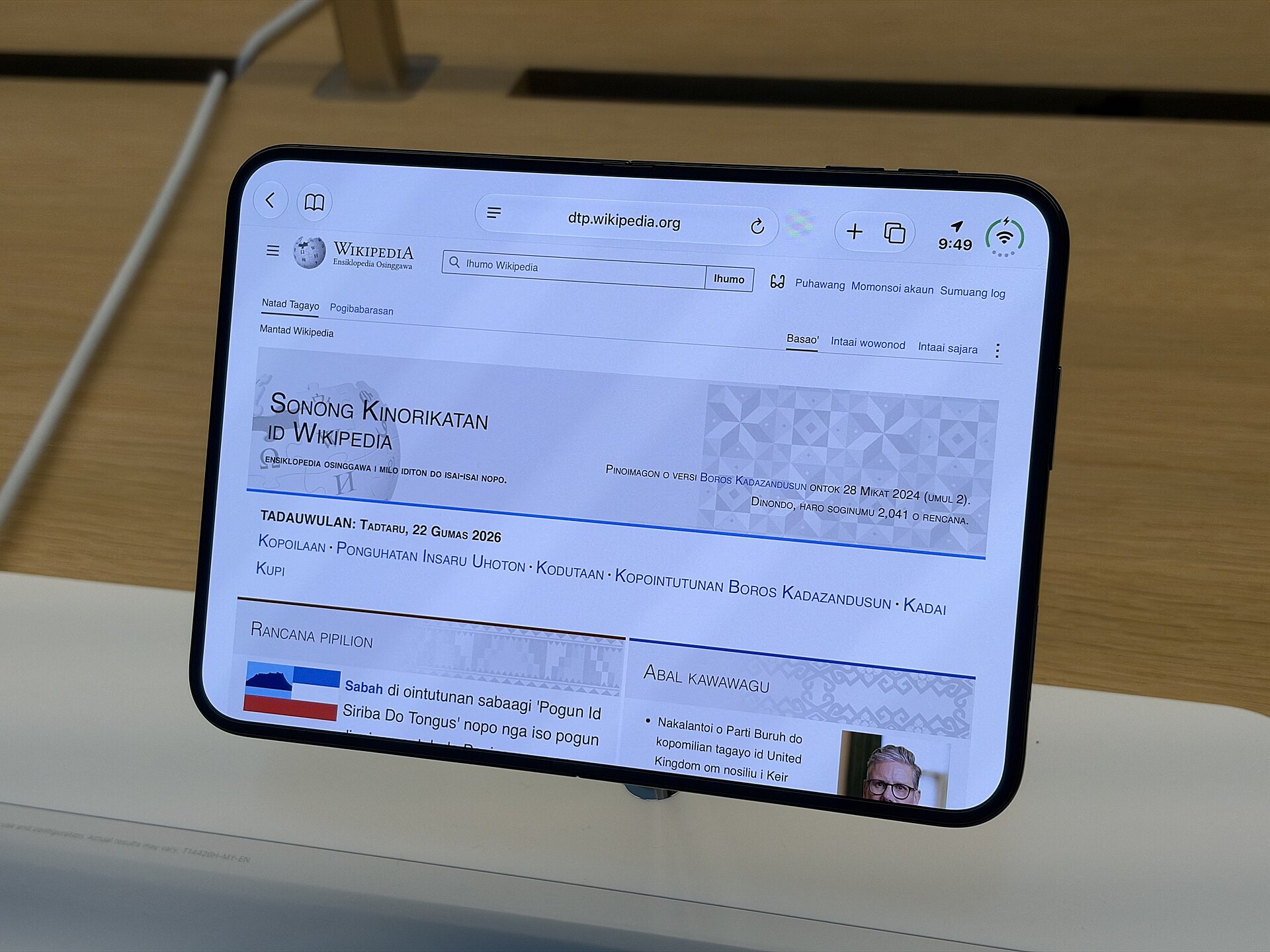
Judged as a single screen, the Pro's display is flawless and finished: 6.3 inches of Super Retina XDR OLED at 2622 x 1206, ProMotion up to 120Hz, up to 3,000 nits outdoors, and a smaller Dynamic Island that can now juggle three Live Activities at once. The Duo plays a longer game. Its 5.4-inch outer display — also Super Retina XDR, also 120Hz and 3,000 nits — is a proper one-handed phone screen, though a noticeably small one next to any modern flagship. Open the Duo and the 7.6-inch inner display takes over, its nano-texture finish cutting glare and softening the crease, and iOS 27.1 finally gives an iPhone room to breathe: two apps side by side in Split View, two windows of Mail or Notes, documents and video that feel borrowed from an iPad. There is no freeform windowing, and plenty of apps still just stretch — AppleInsider's verdict was that the Duo brings multitasking to the iPhone "but only just." Even so, this is the section the Duo wins on ambition. The Pro gives you one perfect window. The Duo gives you a window that becomes a wall.
Performance: The Same A20 Pro Heart in Both
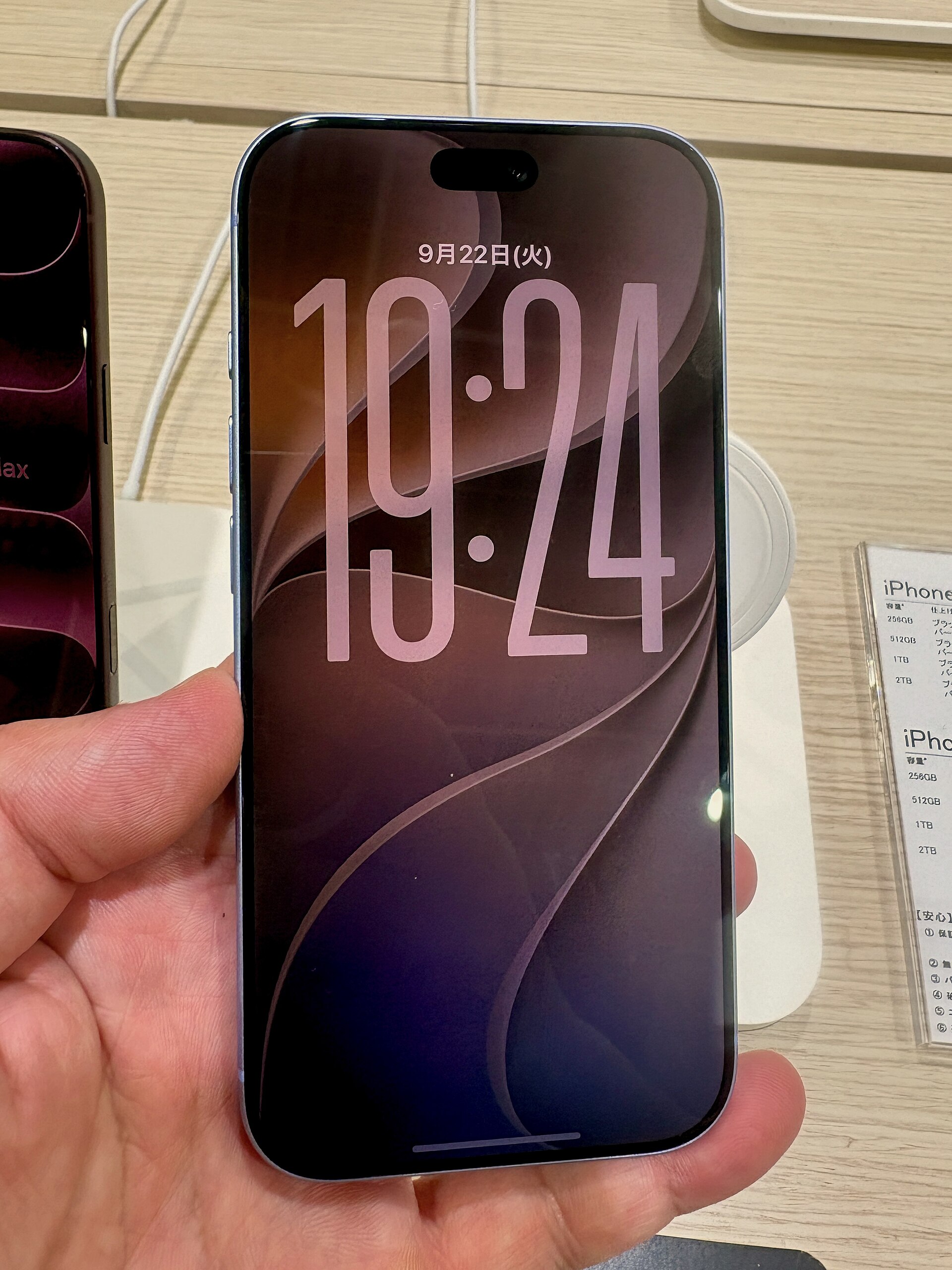
There is no performance tier to hide behind here, because the silicon is shared. Both phones run the A20 Pro, Apple's first 2-nanometre chip, with its six-core CPU, seven-core GPU and doubled Neural Engine — the fastest processor ever put in a phone, and the engine behind iOS 27's Siri AI on both devices. The Duo adds one bespoke piece of engineering: a dedicated display engine that drives both of its screens simultaneously, so the hand-off between cover and inner display never stutters. Cooling is where the bodies diverge. The Pro's redesigned vapour chamber has three times the surface area of last year's, while the Duo's new chip package ties the A20 Pro directly to its own vapour chamber — good for up to 35 percent better sustained performance than the iPhone 17 Pro, per Apple's figures, though no verified head-to-head against the 18 Pro exists yet. In practice, both phones tear through games, edits and AI features without breaking stride. Buy on shape, not speed: the stopwatch cannot separate these two.
Cameras: The Pro's Full System vs the Foldable Compromise
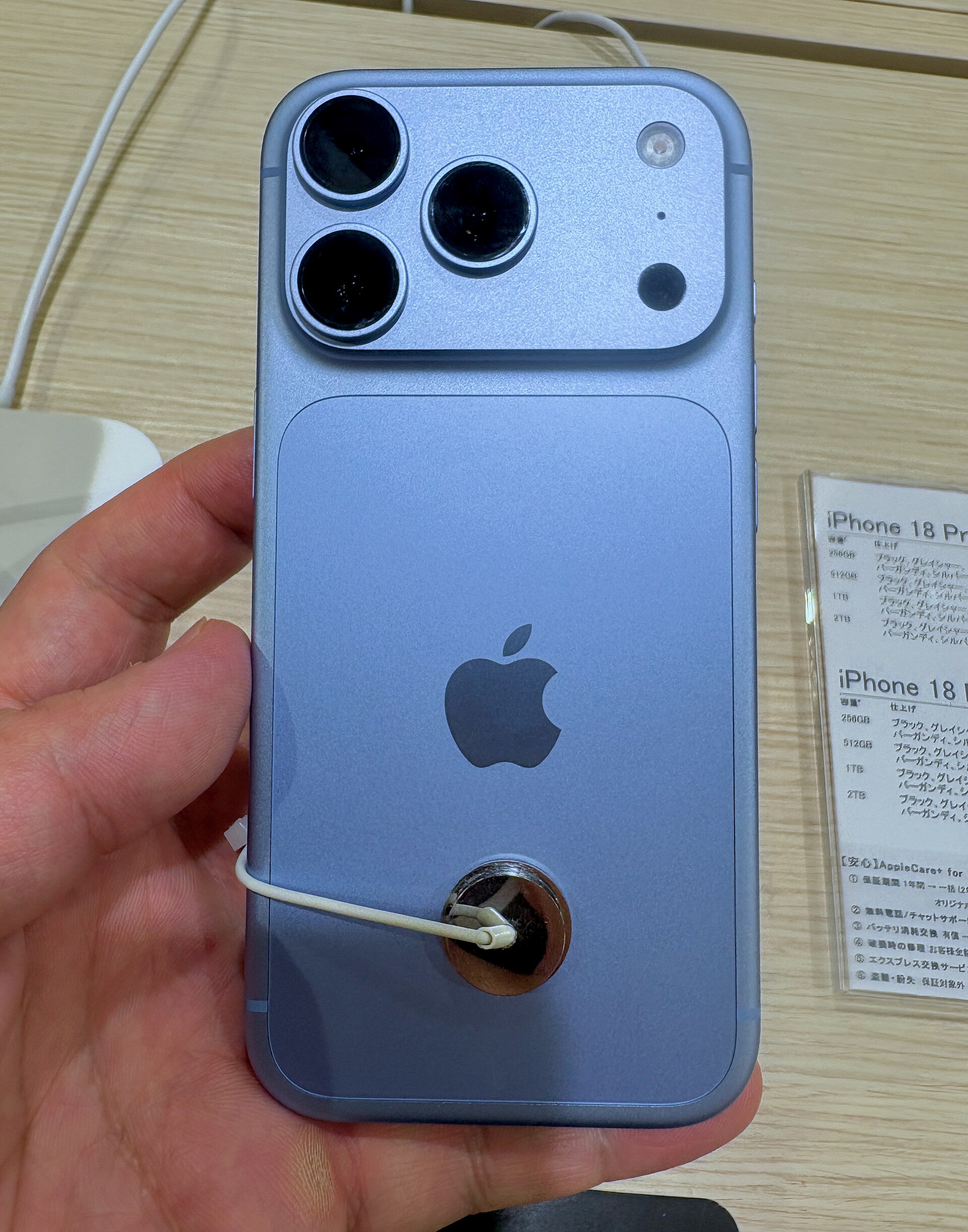
This is the section where the foldable pays for its hinge. The Pro carries the full professional system: a 48MP Fusion Main camera whose six-blade variable aperture physically opens to f/1.48 or stops down to f/4, a 48MP Ultra Wide, a 48MP Telephoto with 4x optical zoom and clean 8x crops, an 18MP Center Stage front camera, and a stock Camera app with manual aperture, shutter and white-balance controls. The Duo makes do with two rear cameras — a 48MP Fusion main with sensor-shift stabilisation and an optical-quality 2x crop zoom, plus a 48MP ultra-wide with macro — and that is where its compromises live: no dedicated telephoto, no variable aperture, and a 4MP under-display camera inside that reviewers single out as the weakest lens Apple ships. What the Duo gives back is theatre. You can shoot with the rear cameras while the cover screen previews the frame, take selfies with the main system, and prop the half-open phone up as its own tripod. Its stills and 4K 120fps Dolby Vision video are genuinely excellent — HotHardware praised the cameras outright — but reach is reach, and the Pro simply has more of it.
Battery, Durability and the Crease Question
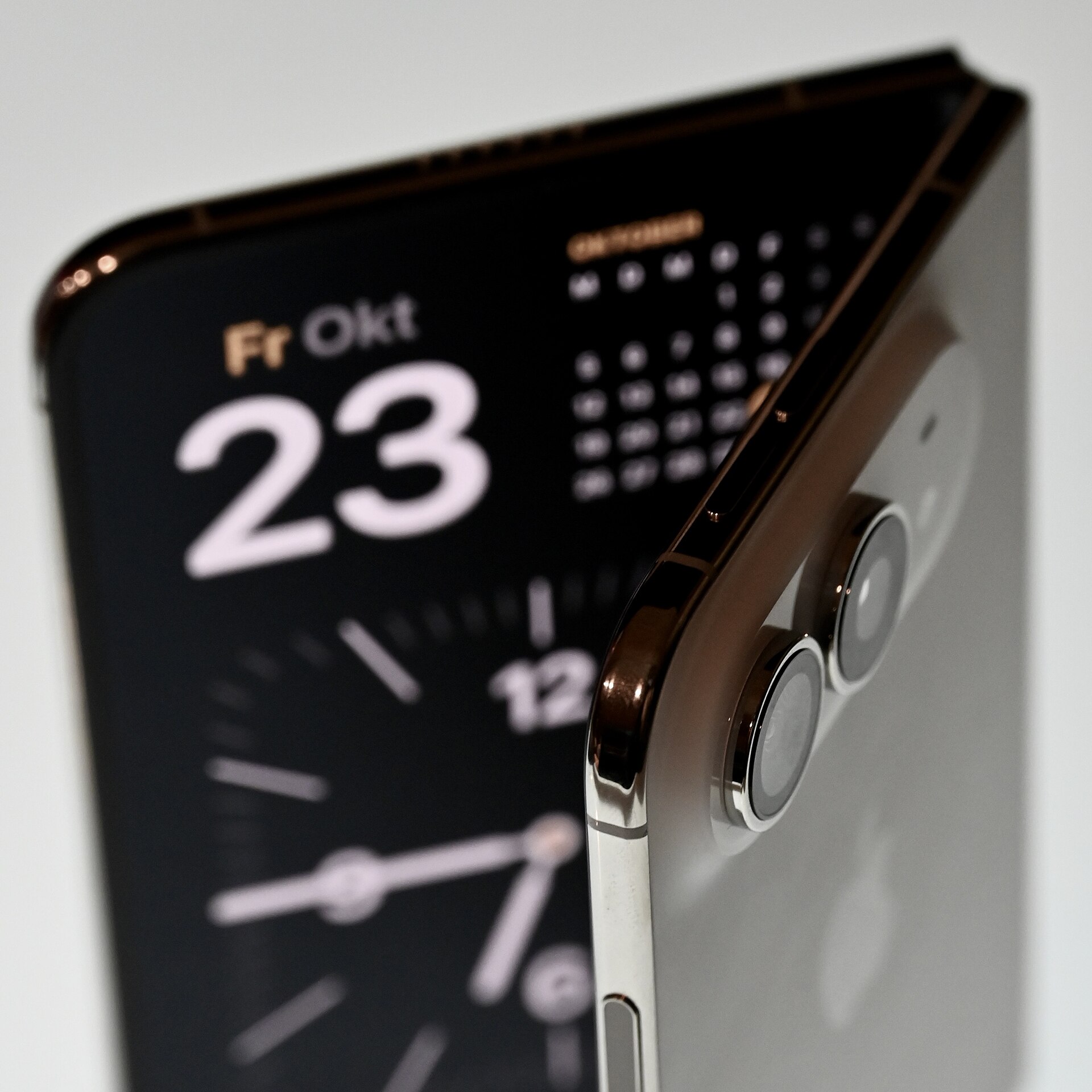
Foldables are supposed to lose this section, and the Duo mostly refuses to. Its dual-cell battery, 4,883mAh across two cells, is rated for up to 44 hours of video playback on the outer display and 31 hours on the inner one — set against the Pro's 36-hour rating, that is a split decision: the slab wins on its only screen, the foldable wins when it stays closed and sips. Independent testing has been kinder still, with PCMag's inner-screen video run of 18 hours 15 minutes beating every rival foldable. Both phones are IP68-rated, and the Duo's titanium shell shrugs off daily abuse; the open question is the fold itself. Reviewers consistently call the crease barely visible, the nano-texture doing real work — but a small number of early owners reported inner displays cracking near the hinge, an issue Apple acknowledged on October 26, with replacements handled through AppleCare. That is the honest first-generation tax: not that the Duo is fragile, but that nobody, Apple included, yet knows how it ages.
Price and the Verdict: Who Should Buy Which
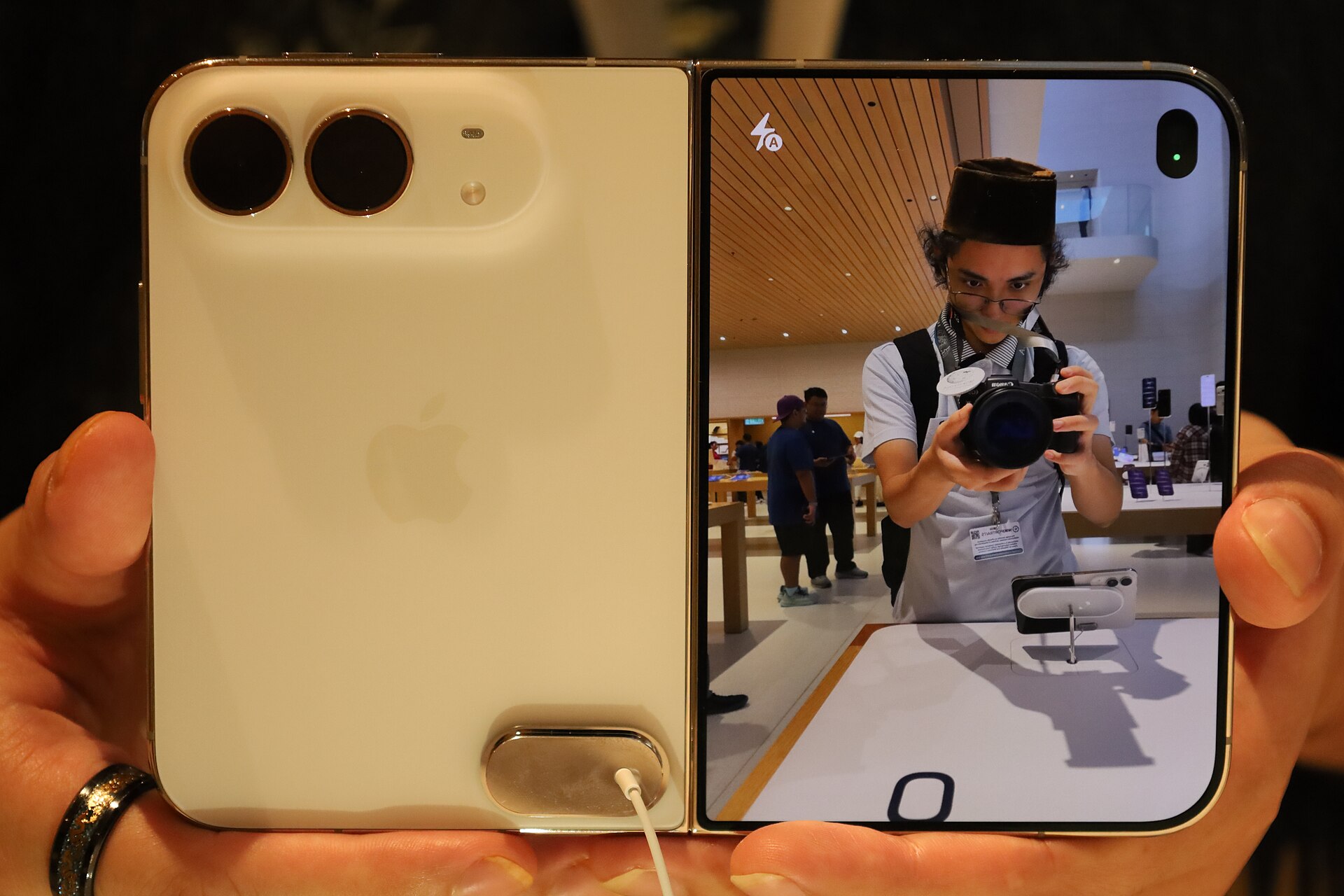
The arithmetic is stark. The iPhone 18 Pro runs from $1,199 for 256GB to $2,399 for 2TB. The iPhone Duo runs from $1,999 for 256GB to $3,199 for 2TB — at the entry point, an $800 premium for a phone with fewer cameras, more grams and a shorter track record, which is precisely why the Pro is the recommendation for most people. It is faster to live with, better equipped for photography, kinder to pockets in every sense, and it will still feel modern in five years. But arithmetic is not the whole story. If your phone is where you read, annotate, draft, watch and juggle two apps before breakfast — if you currently carry a phone and a tablet and resent both — the Duo collapses them into one object that feels like the future arriving early, hinge headlines and all. Buy the Pro with your head and you will never regret it. Buy the Duo with your heart, add AppleCare, and you probably won't either.