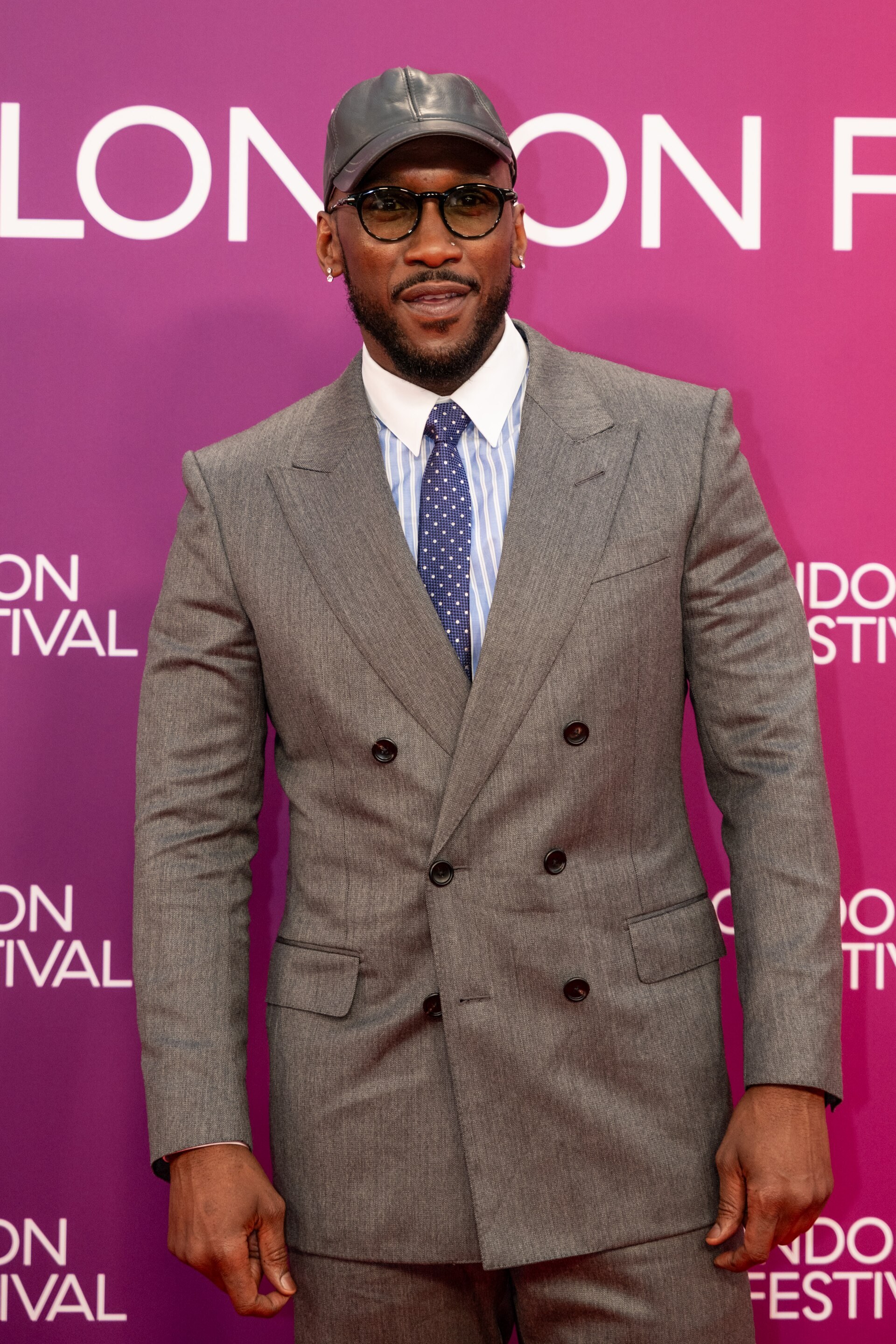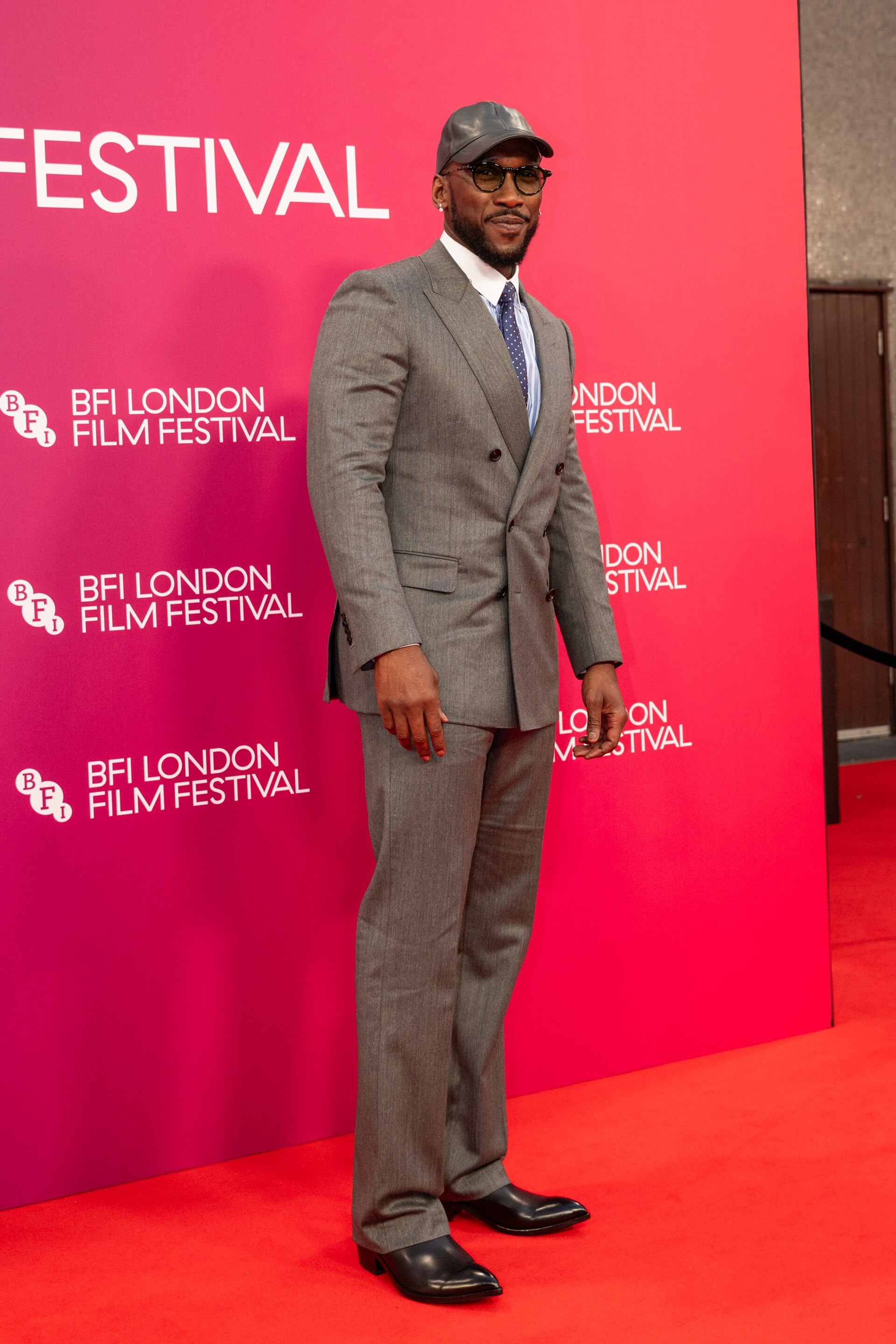
Here is the paradox at the centre of modern Hollywood. Mahershala Ali has two Academy Awards. He won the first for Moonlight in 2017 and the second for Green Book in 2019, becoming the first Black actor ever to win Best Supporting Actor twice — and both of those films went on to win Best Picture. By every logic the industry claims to run on, the decade after those wins should have belonged to him: the vehicles, the franchises, the roles written with his name already on them. Instead, his filmography since 2019 fits on an index card. And this week, Ali said the quiet part out loud. Appearing on the 7PM in Brooklyn podcast, he explained that winning twice changed less than anyone assumes: "The vast majority of projects that get greenlit, there are not roles for me in those."
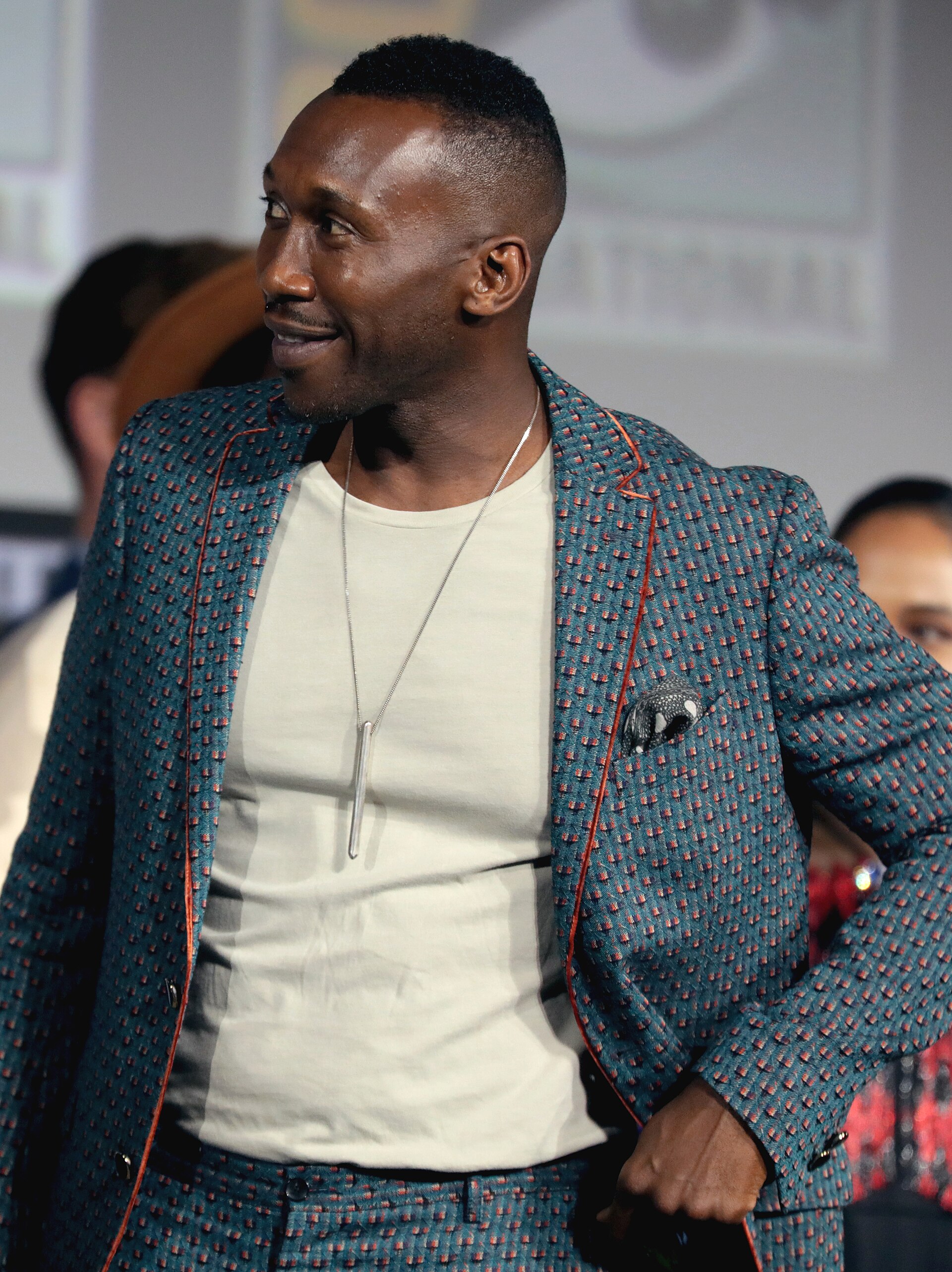
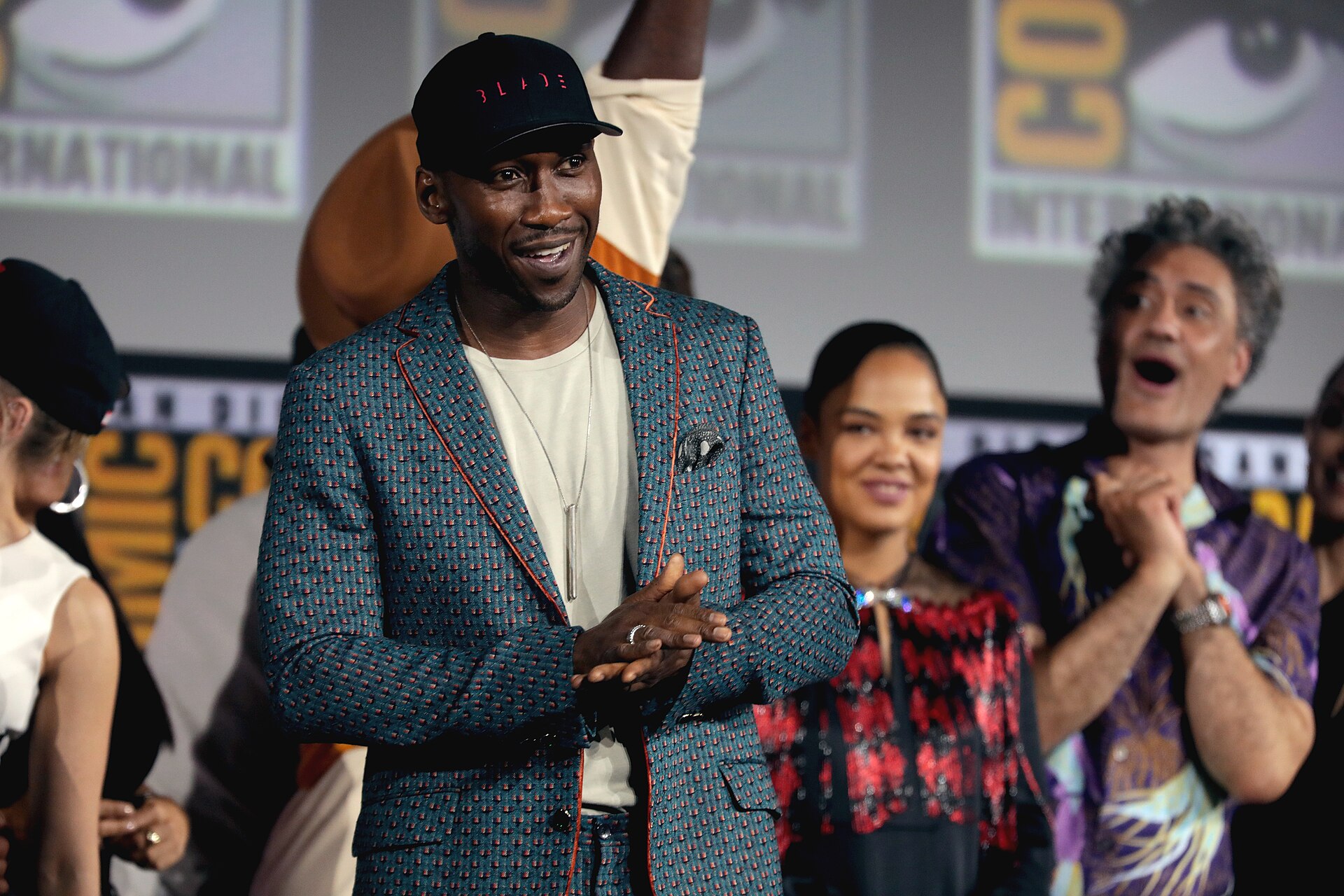
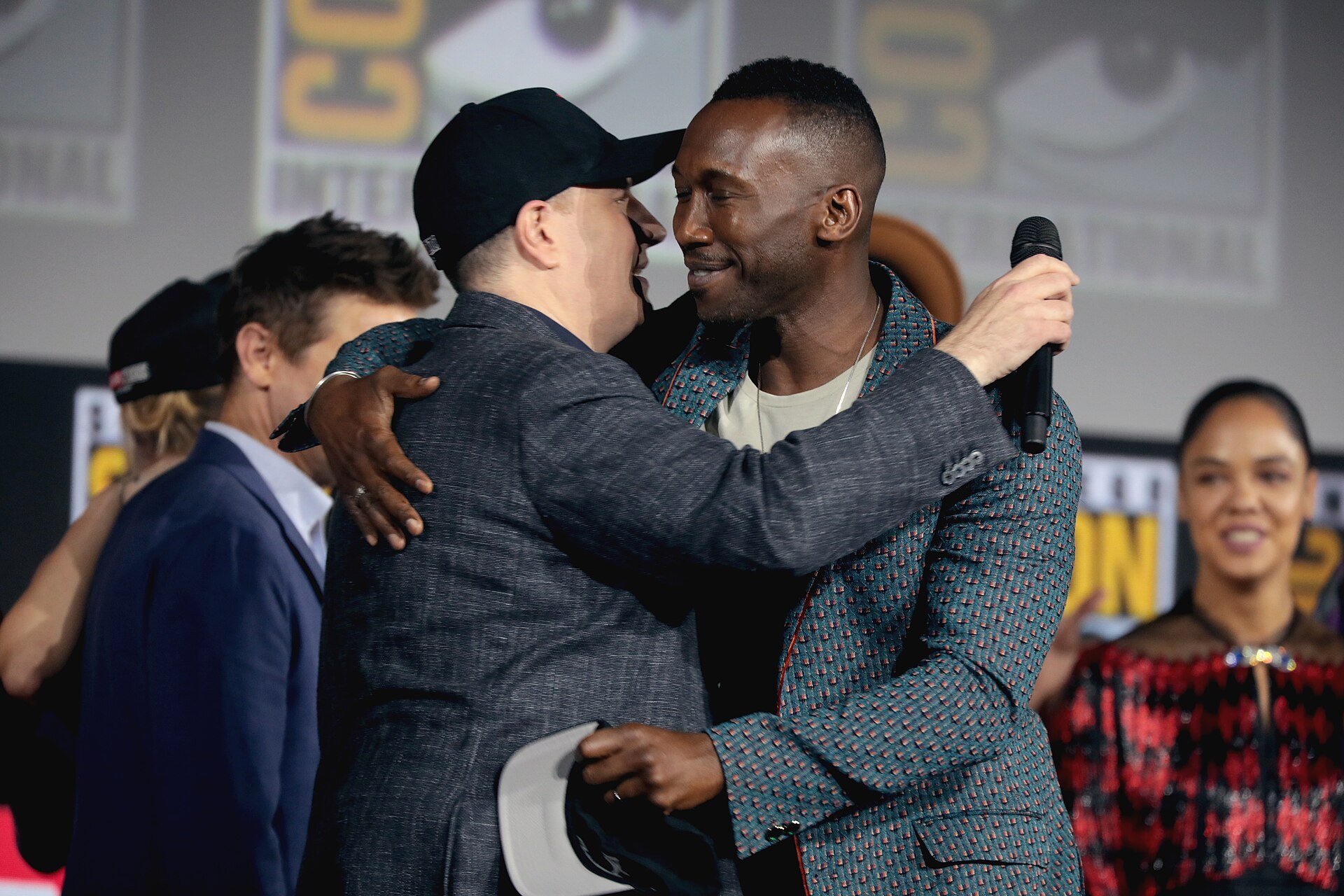
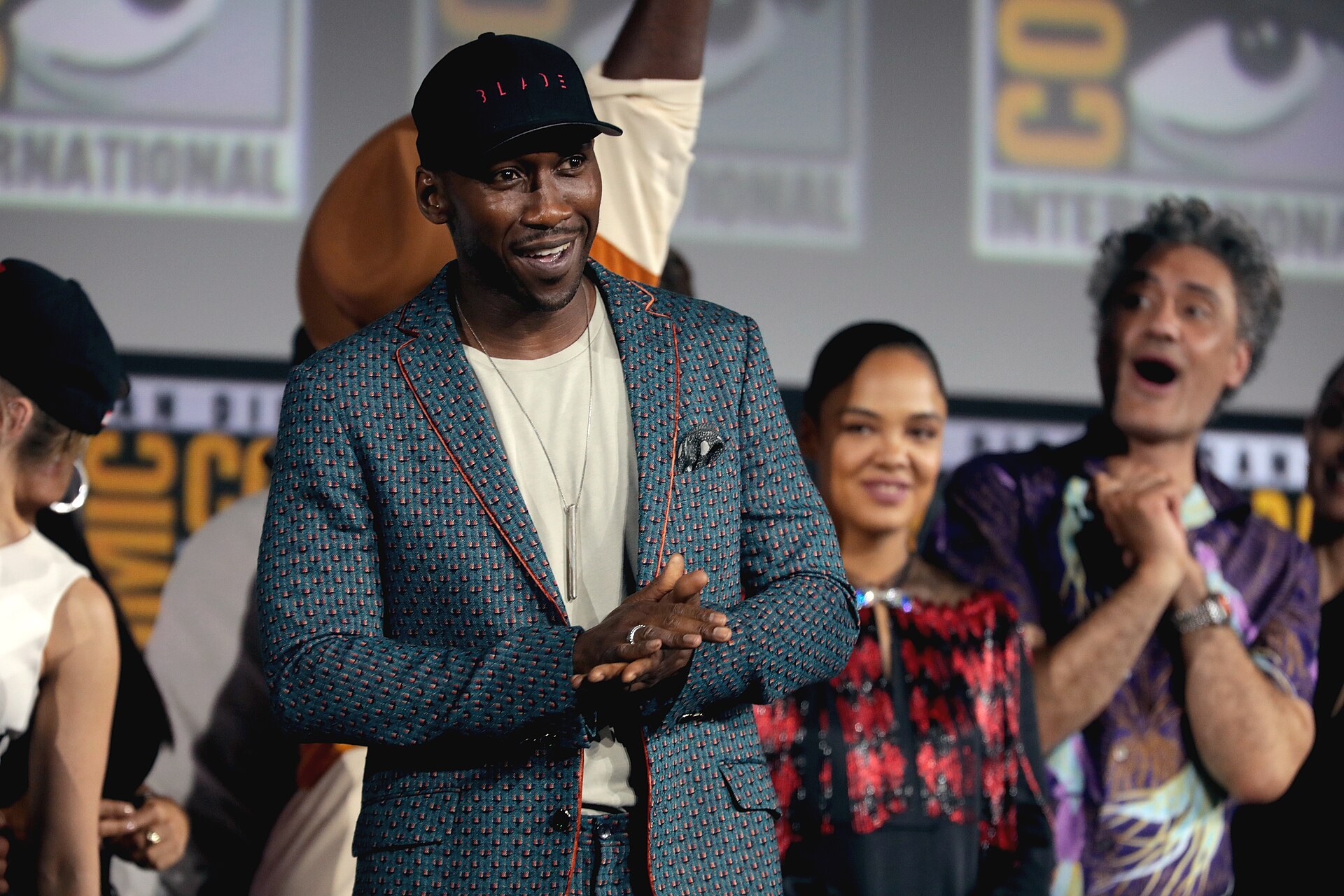
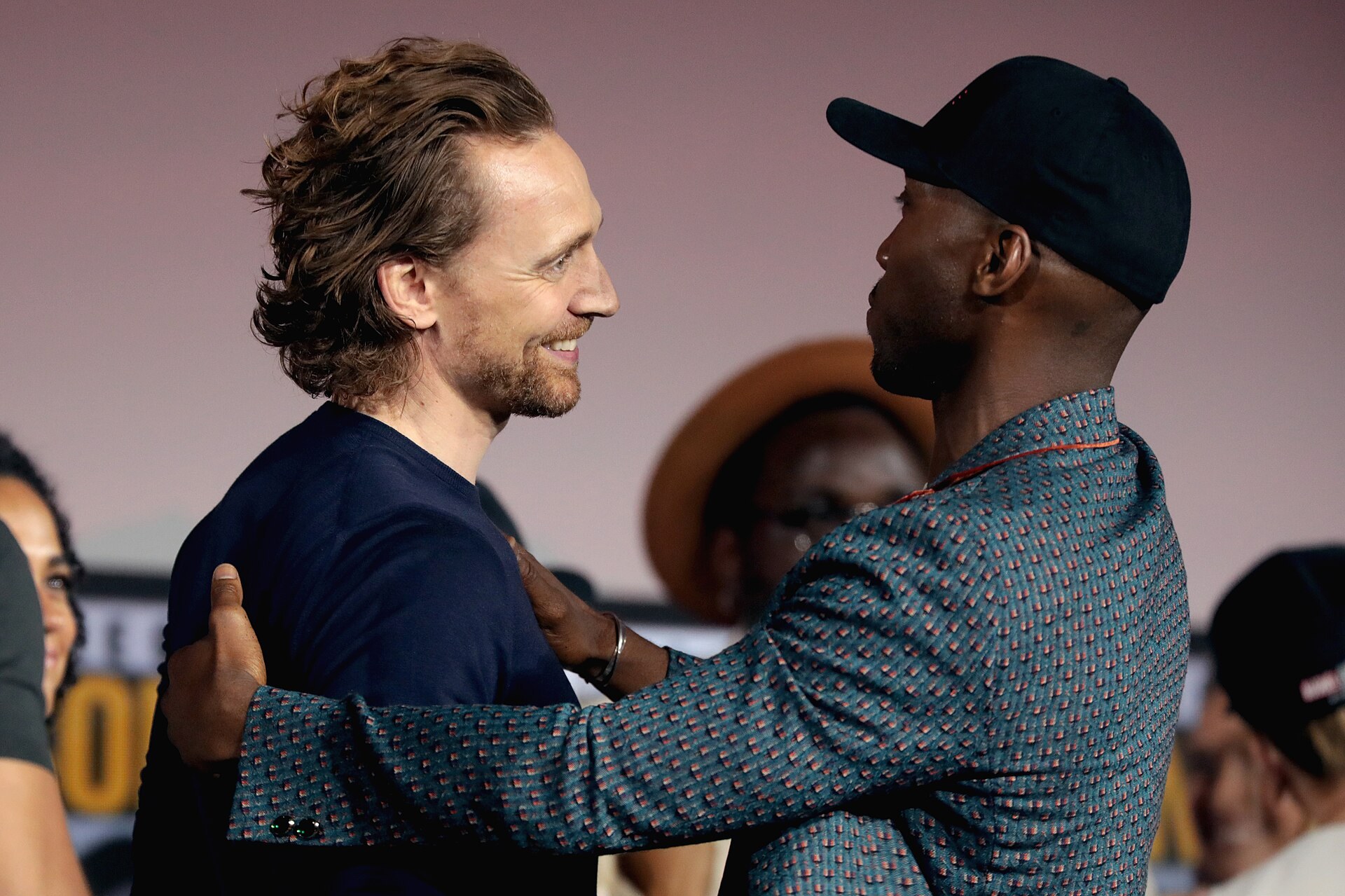
No single story explains the gap better than the film that never happened. In February 2019, days after his second Oscar win, Ali walked into Marvel Studios and pitched himself as Blade — the vampire hunter Wesley Snipes had made iconic. Marvel said yes on the spot. That July, at San Diego Comic-Con, Kevin Feige brought Ali onstage to a roaring Hall H and announced the film. It was supposed to be the coronation: a two-time Oscar winner leading a Marvel franchise. Instead it became the MCU's most notorious development saga — years of scripts, two directors, a release date announced and abandoned, and finally, in October 2024, quiet removal from the calendar altogether. In July 2026, Ali confirmed he had moved on from the role. Feige, for his part, publicly called failing to make Blade with Ali the biggest failure of his career.
And yet the story does not end in the wreckage. In the years of waiting, Ali chose carefully rather than constantly: a dual-role showcase in Swan Song, a Netflix phenomenon in Leave the World Behind, a co-lead turn in Jurassic World Rebirth, beloved voice work in the Spider-Verse films. This autumn he finally got his action lead — not from Marvel, but from Bassam Tariq, the very director Marvel first hired for Blade. Their film, Your Mother Your Mother Your Mother, premiered at the Toronto International Film Festival in September and reached theatres that autumn, with Ali wielding on screen the sword skills he spent a year training for a vampire movie that never shot a single frame.
So this is a feature about wins and tribulations in equal measure: about the greatest supporting actor of his generation, the industry that kept failing to build around him, the television work that made him, and the comeback now quietly under way. Mahershala Ali's talent was never the question. The roles were.
The talent was never the question. The roles were.
The Television Years: Remy Danton, Cottonmouth, and the Slow Build
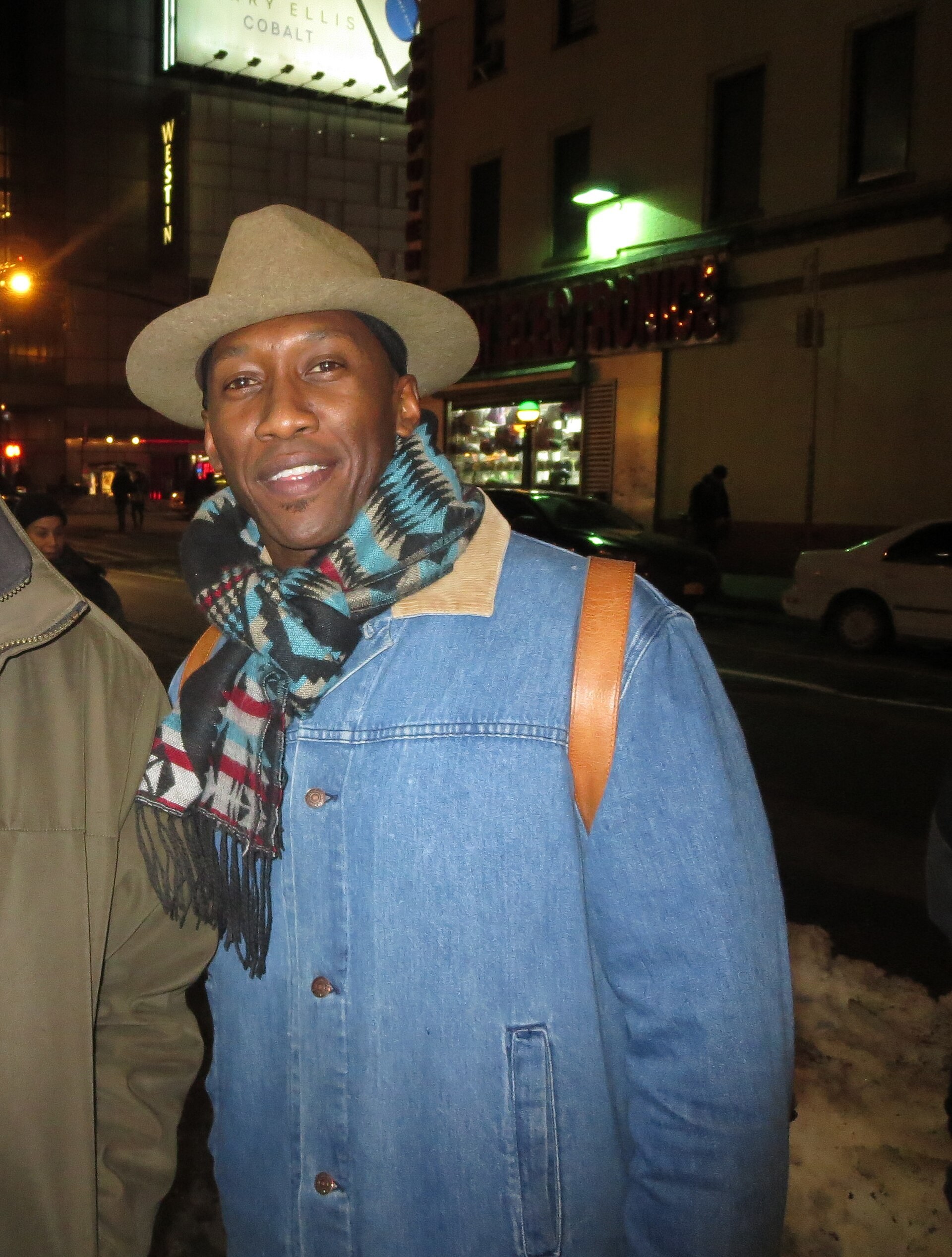
Long before the Oscars, television taught Hollywood what to do with Mahershala Ali — mainly, to keep promoting him. Through the early 2010s he was the definition of a respected working actor, until House of Cards made him unavoidable: as Remy Danton, the lobbyist with the tailored suits and the unreadable smile, he spent four seasons out-cooling everyone in the room. Then came Luke Cage in 2016, and with it Cottonmouth — a villain so magnetic, all Harlem piano bars and wounded pride, that the show never fully recovered from losing him mid-season. The pattern of Ali's career was set in those years: he would arrive in an ensemble, quietly become the most interesting person in it, and leave audiences asking why the story hadn't simply been about him. Film would soon ask the same question — and answer it, twice, before forgetting how.
Moonlight, Green Book, and History Made Twice
Barry Jenkins' Moonlight gave Ali roughly twenty minutes of screen time, and he turned Juan — a Miami drug dealer who becomes a father figure to a lost boy — into one of the defining performances of the decade: tenderness and danger in the same gesture, a man teaching a child to float. The Oscar followed, making him the first Muslim actor to win an Academy Award. Two years later he did it again as Don Shirley in Green Book, all precision and wounded dignity, a concert pianist touring the Jim Crow South with his elegance as armour. Back-to-back history: the first Black actor to win Best Supporting Actor twice, only the second Black actor after Denzel Washington to win multiple acting Oscars, and both performances housed in Best Picture winners. At 45, Ali had done everything the profession asks. What he had not yet been given was the thing those trophies are supposed to buy: a career built around him.
Blade: Seven Years in Development Hell
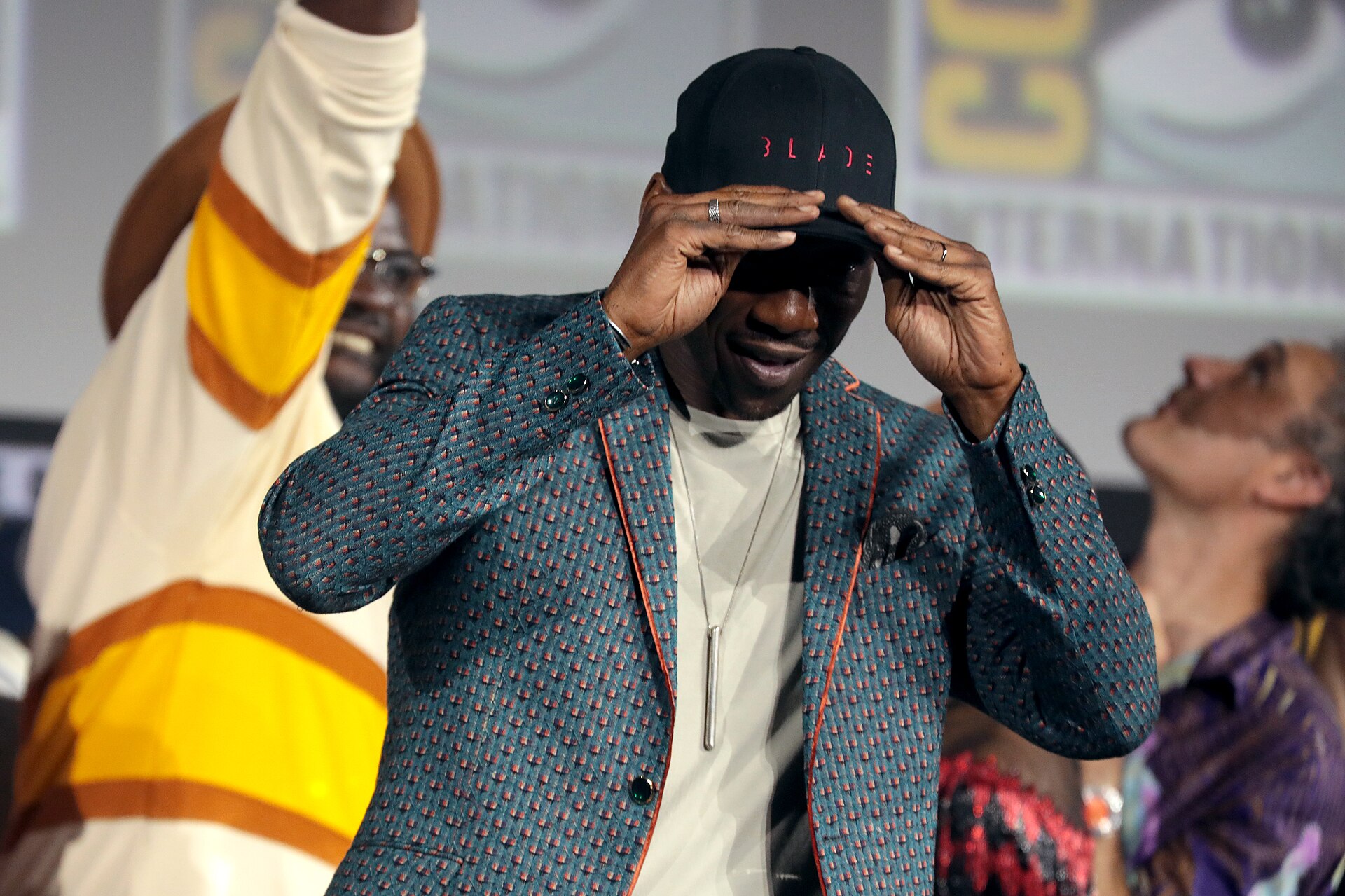
The Blade saga deserves its own timeline of sorrow. Announced in July 2019; Stacy Osei-Kuffour hired to write in 2021; Bassam Tariq directing, with Delroy Lindo and Aaron Pierre cast; a November 2023 release date proclaimed at Comic-Con 2022. Then the gears stripped: Tariq departed in September 2022, Yann Demange came and eventually went in 2024, and the script passed through writer after writer — Michael Starrbury, Nic Pizzolatto, Michael Green, Eric Pearson among them — while strikes and shifting studio priorities did the rest. Ali trained for the role for a year, injuring his knee in the process, and his entire MCU legacy became a single uncredited voice cameo in Eternals. The surreal footnotes pile up: Wesley Snipes returned as Blade in Deadpool & Wolverine while Ali's version sat in limbo, and the animated Marvel Zombies built a Blade variant on Ali's likeness voiced by another actor. In July 2026, Ali told GQ the project "is not for me," and that he has moved on.
The Quiet Years: Choosing Carefully in the Meantime
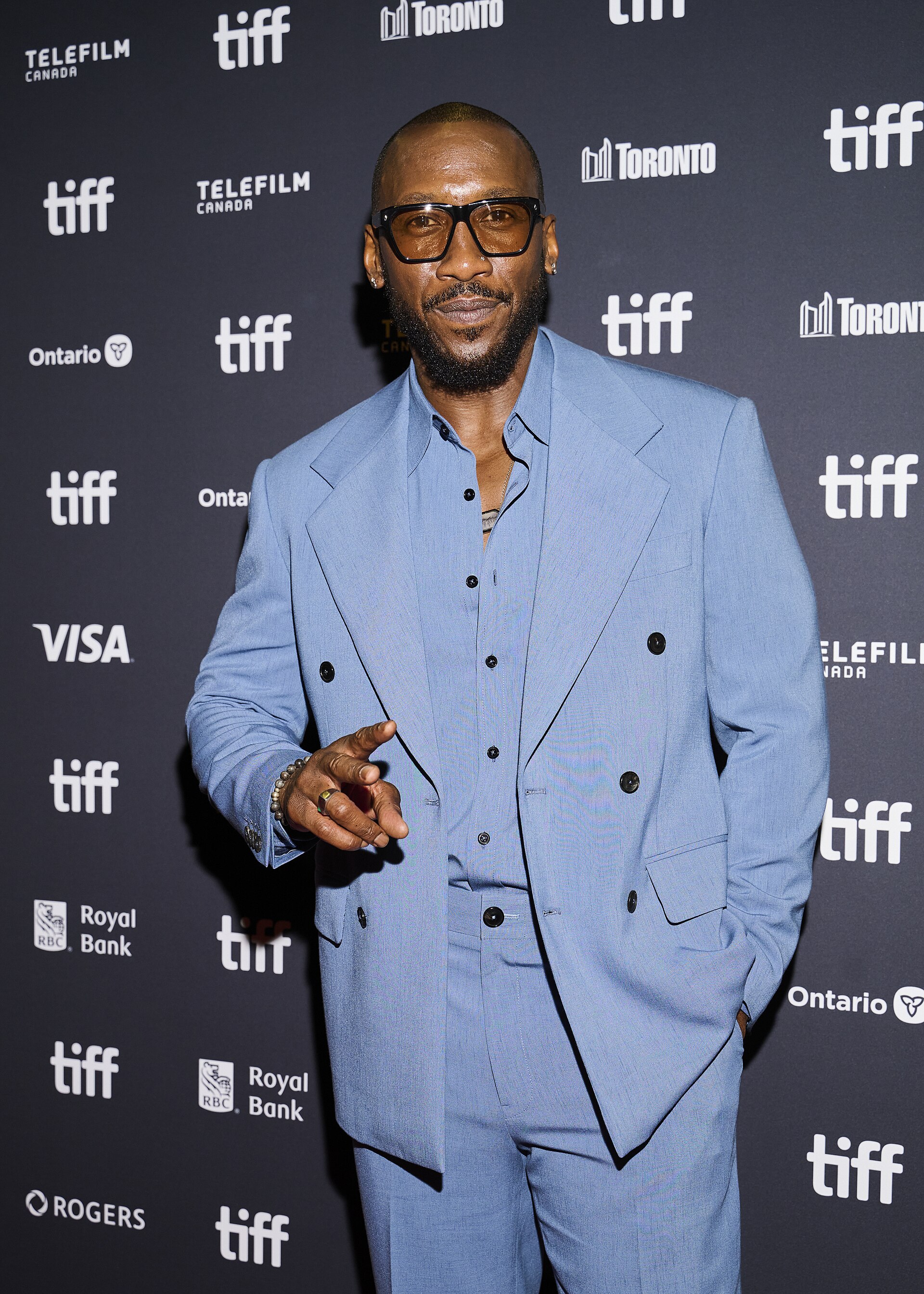
It would be wrong to call the post-Oscar years empty — they were simply, stubbornly selective. Swan Song (2021) gave him a dual role as a dying man and his clone, the kind of interior double act awards bodies usually reward with a leading-man era. Leave the World Behind (2023) put him at the centre of Netflix's apocalyptic hit, all calm menace and moral weight. His voice work built a second career in parallel: Aaron Davis, the Prowler, in the Spider-Verse films, Titan in Invincible, and a role in Laika's long-gestating Wildwood. And when a true blockbuster finally called, Jurassic World Rebirth (2025) used him exactly right — as Duncan Kincaid, the covert-operations leader opposite Scarlett Johansson, the still centre of one of 2025's biggest hits. Add True Detective's third season, where his Wayne Hays carried three timelines of grief to an Emmy nomination, and a beloved guest turn in Ramy that earned another, and the picture is clear: the acclaim never stopped. Only the machinery did.
Your Mother Your Mother Your Mother: The Training, Redeemed
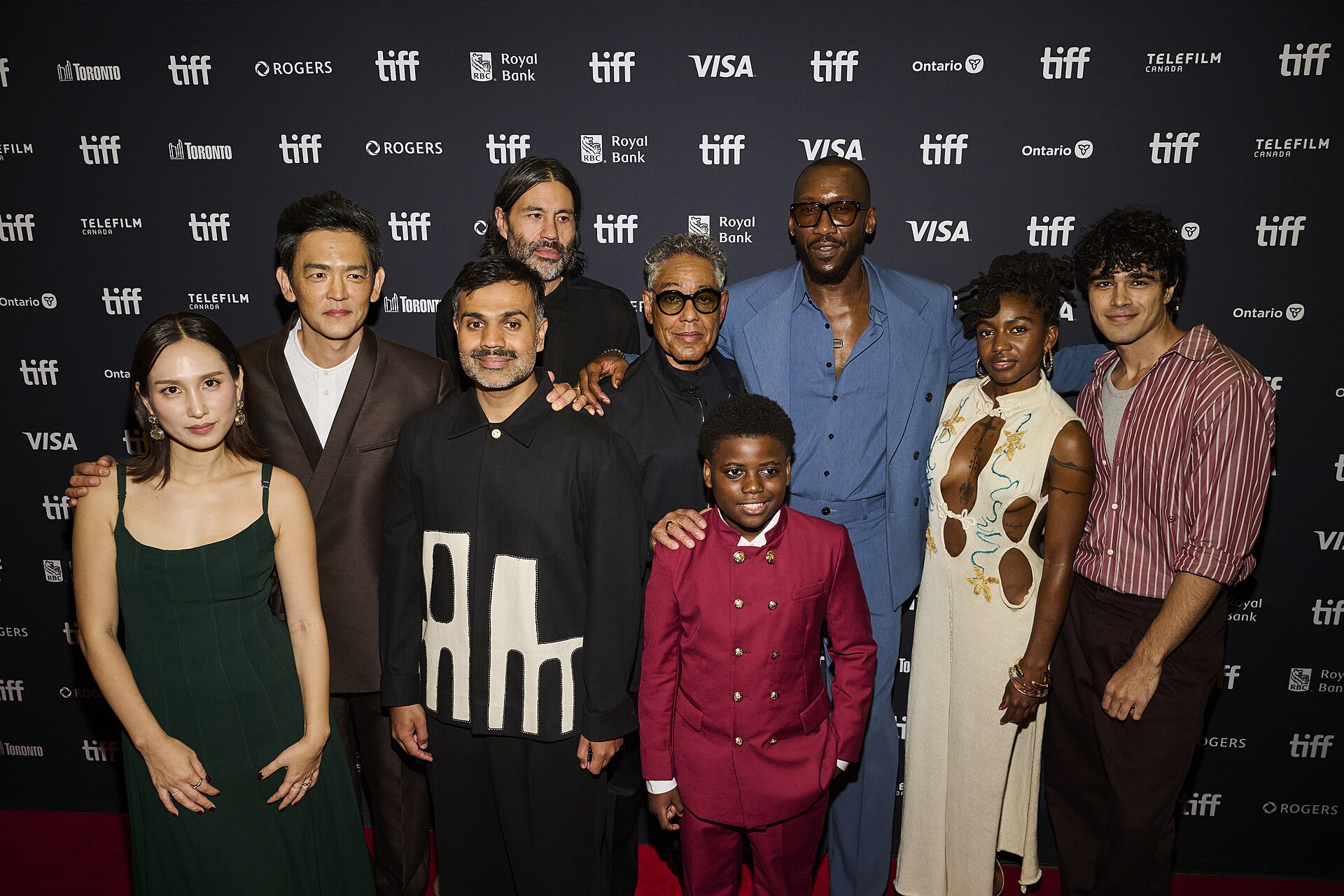
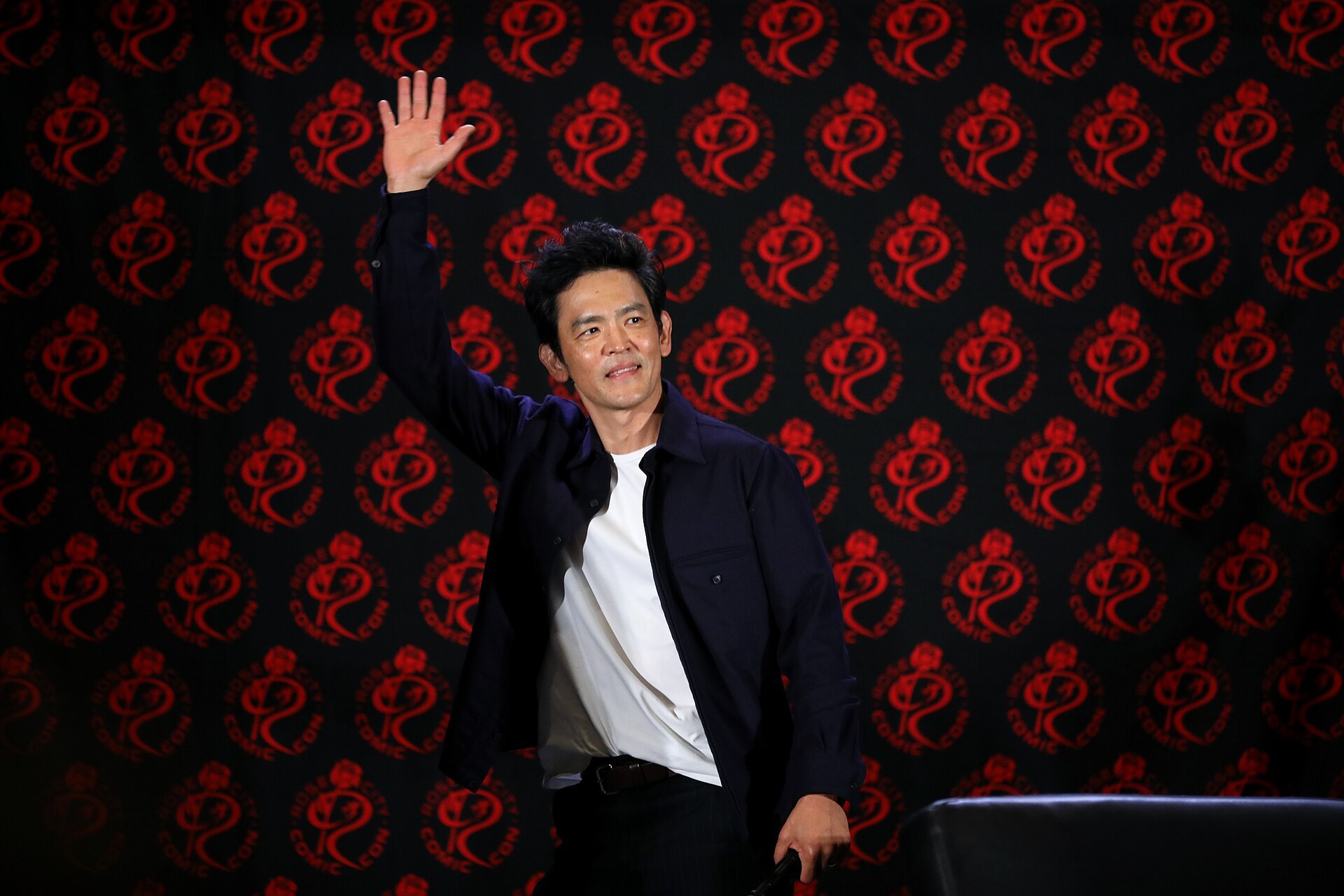
Which brings us to the autumn's most poetic release. Your Mother Your Mother Your Mother reunites Ali with Bassam Tariq — the director Marvel hired, then lost, for Blade — in an action drama Tariq wrote for him: Ali plays Latif, a devout Muslim hitman and widowed father of three, balancing faith, grief and violence, cradling a newborn in one arm and a sword in the other. The film premiered at TIFF in September 2026 and opened in select theatres on September 25, widening on October 9, backed by Amazon MGM's Orion Pictures, with John Cho, Giancarlo Esposito and Tramell Tillman alongside him. Ali has been cheerfully blunt about the lineage: the year Marvel paid for his Blade training is the reason he could execute this film's fights — in his words, Marvel helped pay for their movie, whether it wanted to or not. Critics have divided on the film's wild tonal swings, but the notices for Ali himself read like relief: the mountain-scaling leading performance, at last, exists.
What He Is Owed: The Next Chapter
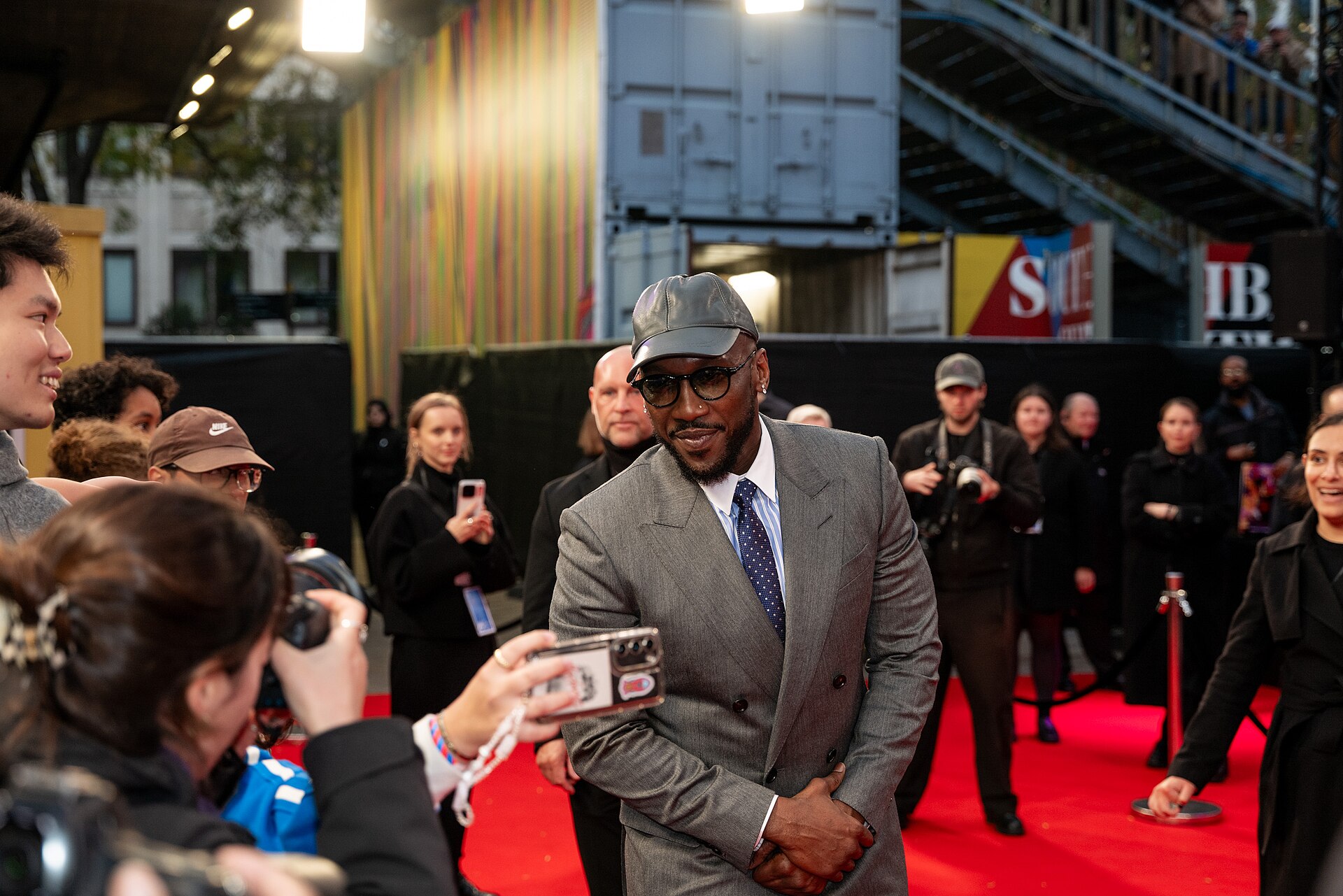
So where does a two-time Oscar winner go from a decade of almost? Ali's own recent comments have been striking for their calm realism — the observation that an Oscar brings a flood of calls he compared to spam, most of them for parts that were never his to play, and that great actors outnumber great material. It is not bitterness; it is an audit. The industry spent seven years telling Mahershala Ali that a franchise was coming, and in the end the most interesting thing to emerge from that franchise was the smaller, stranger film its star and director made on their own. If there is justice in casting, the next decade inverts the last: roles written for him first, not offered after the fact. He is 52, in his prime, and by every account hungrier than the résumé suggests. The wins are already history. The tribulations are documented. What remains is the simplest thing in Hollywood, and somehow the hardest: somebody, please, build the movie around the best actor in the room.