
The 2026 edition of the Met Gala 2026 once again turned New York City into the global capital of fashion, delivering a night defined by spectacle, creativity, and boundary-pushing style that blurred the line between art and celebrity.
Hosted at the iconic Metropolitan Museum of Art, the annual event gathered designers, actors, musicians, athletes, and cultural icons under a highly anticipated theme centered on the relationship between technology and human identity. This concept transformed the red carpet into something closer to a living exhibition, where fashion was treated as interactive, expressive art rather than traditional formalwear.
As in years past, Anna Wintour played a central role in shaping the evening’s tone, alongside a selection of co-chairs and honorary hosts who helped guide the creative vision. Inside the museum, the famous grand staircase became the focal point of the night, with each arrival amplified by flashing cameras, live coverage, and instant reactions across global social media platforms.
The most striking appearances came from guests who fully embraced the futuristic theme. Metallic textures, glowing fabrics, sculptural silhouettes, and AI-inspired designs dominated the carpet. Some ensembles went beyond traditional fashion altogether, incorporating technology-driven features such as color-shifting materials and garments that responded to movement and light, highlighting the growing fusion of innovation and couture.
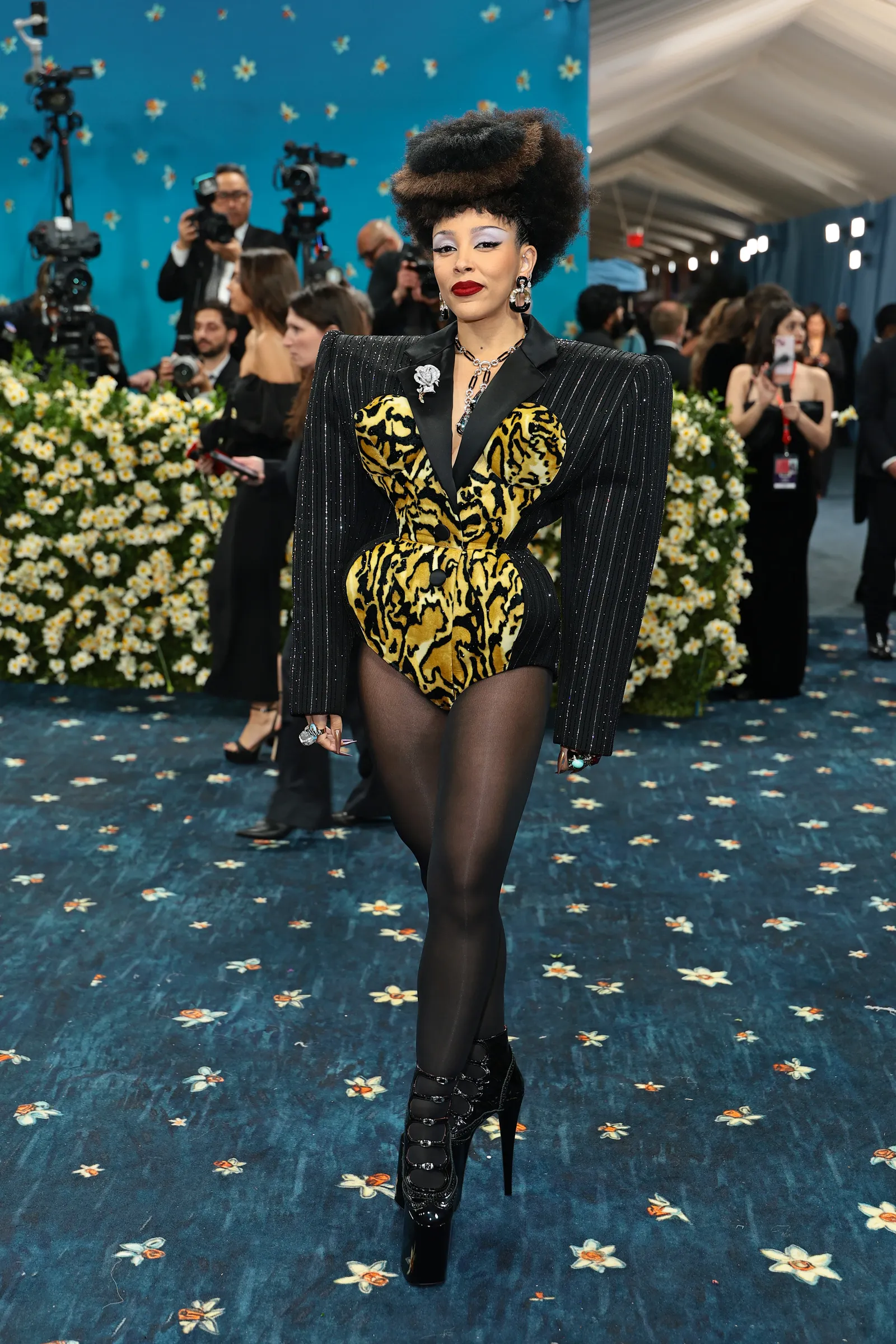
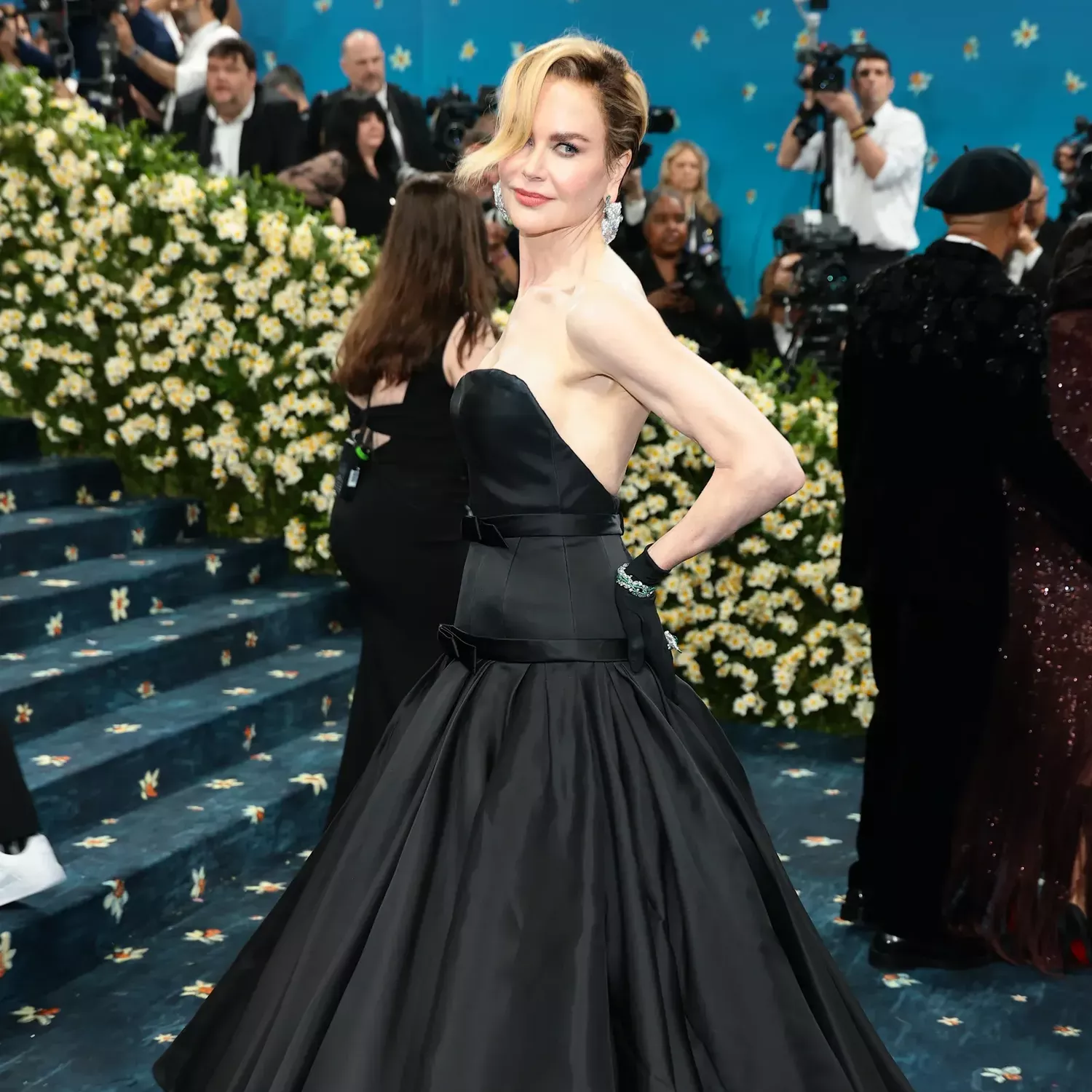
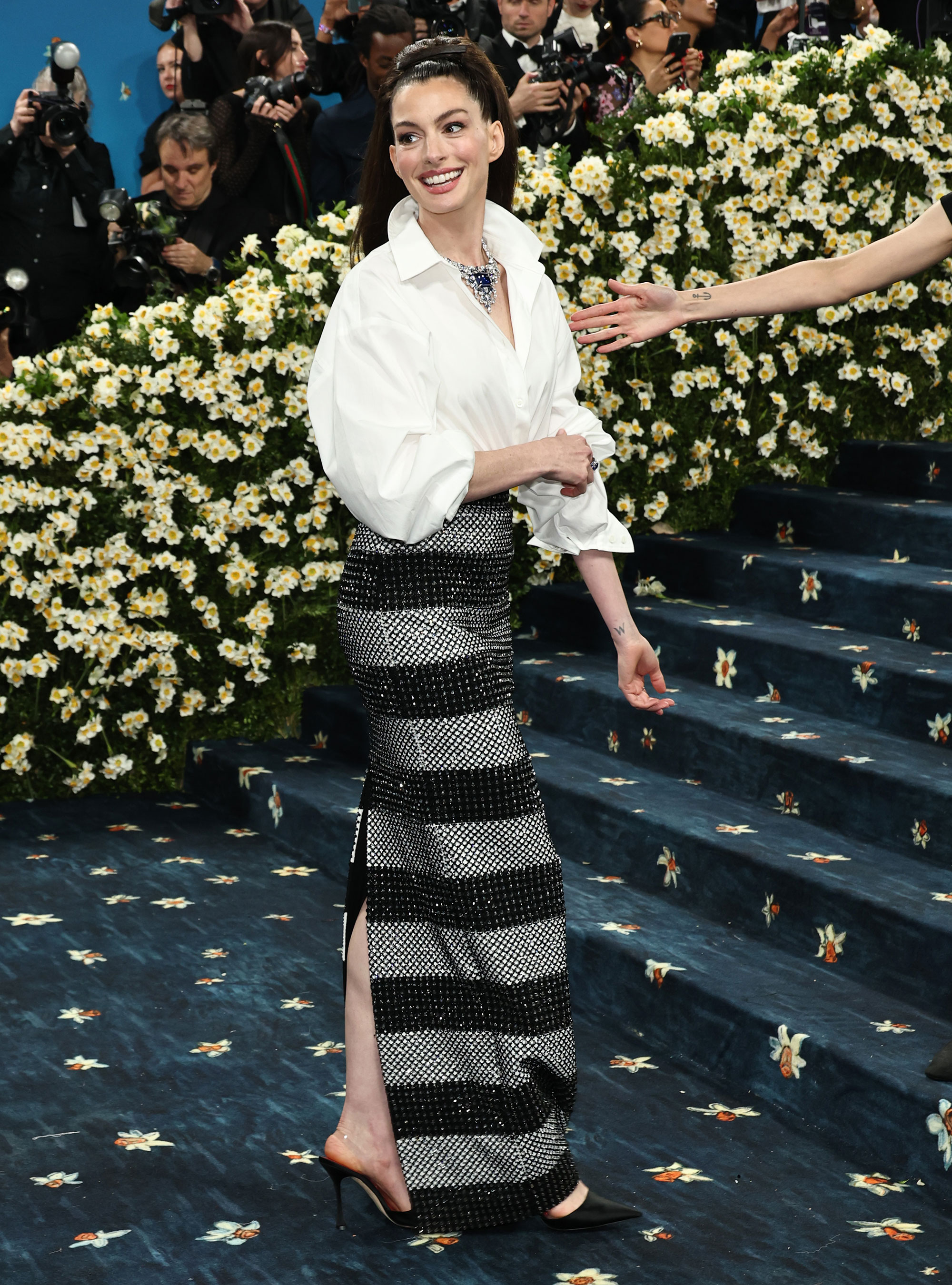
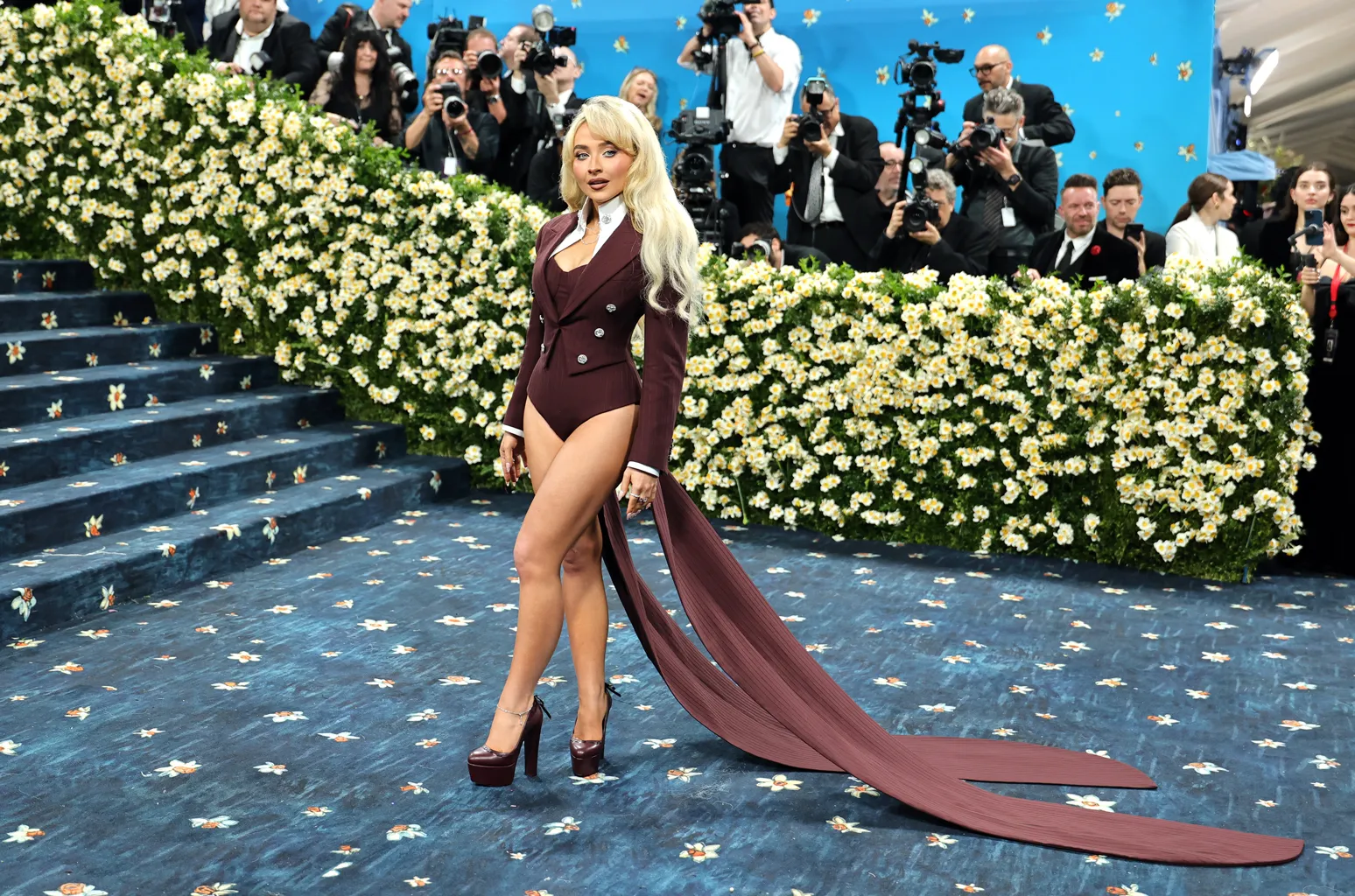
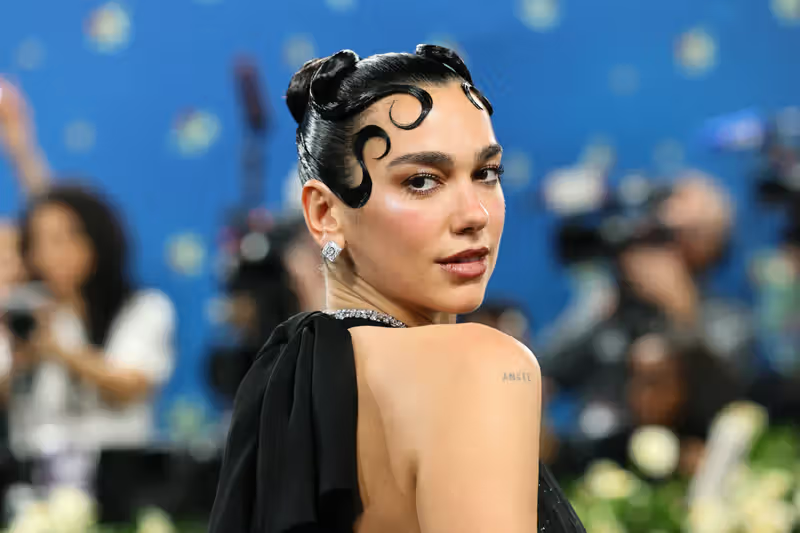
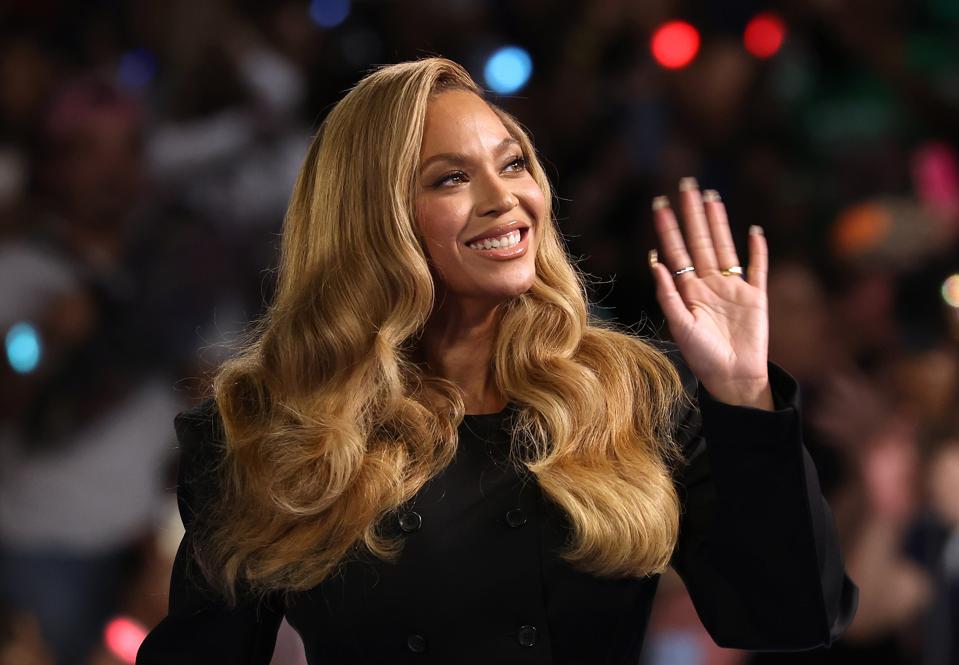
Hollywood’s biggest names also made a powerful impact. Actors arrived in custom-designed looks that referenced classic cinema while reimagining it through a futuristic lens. Musicians elevated the theatricality even further, turning their entrances into performance moments rather than simple arrivals. Athletes joined the creative wave as well, collaborating with luxury fashion houses to present tailored outfits that balanced elegance with bold, experimental design.
Inside the museum, the experience extended far beyond the red carpet. Guests moved through curated installations featuring digital projections, immersive sound environments, and exhibits that explored the evolution of fashion in the digital age. While the Met Gala is widely known for its celebrity presence and viral moments, it remains, at its core, a fundraising event for the museum’s Costume Institute—and in 2026, its artistic mission felt more prominent than ever.
Social media once again amplified every detail of the night. Within moments of each appearance, images and videos circulated worldwide, sparking debates over standout looks, unexpected collaborations, and the most daring interpretations of the theme. Praise and criticism unfolded in equal measure, continuing the tradition of the Met Gala as a global cultural conversation rather than just a fashion event.
As the evening continued, exclusive performances and private after-parties carried the momentum late into the night. Designers used the occasion to showcase conceptual ideas that may influence future collections, while artists treated the event as a platform for storytelling through style and performance.
By the end of the night, the Met Gala 2026 had once again secured its place as one of fashion’s most influential stages. More than a display of clothing, it became a showcase of imagination, identity, and the evolving dialogue between humanity and technology—where trends weren’t just displayed, but actively redefined in real time.