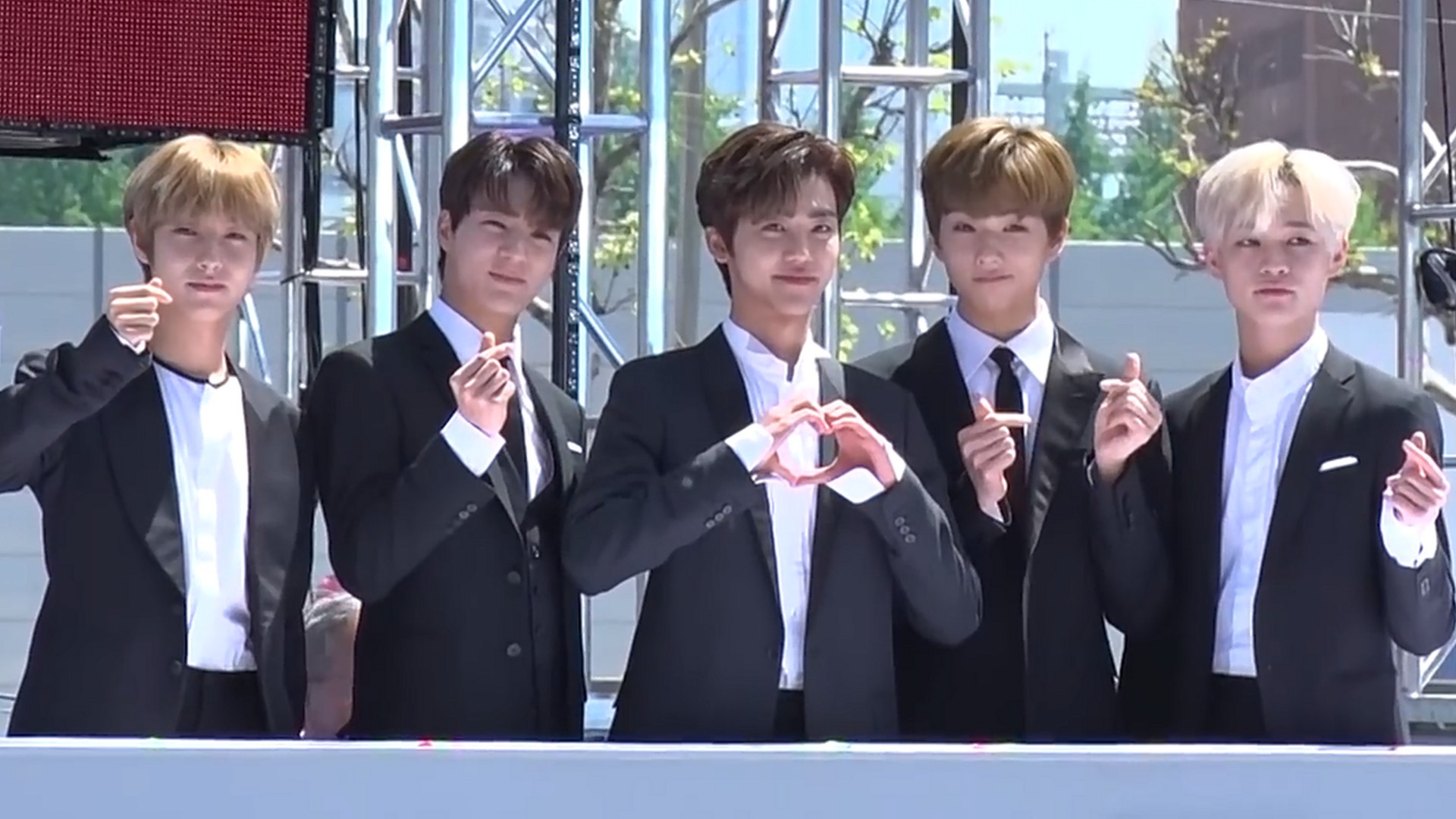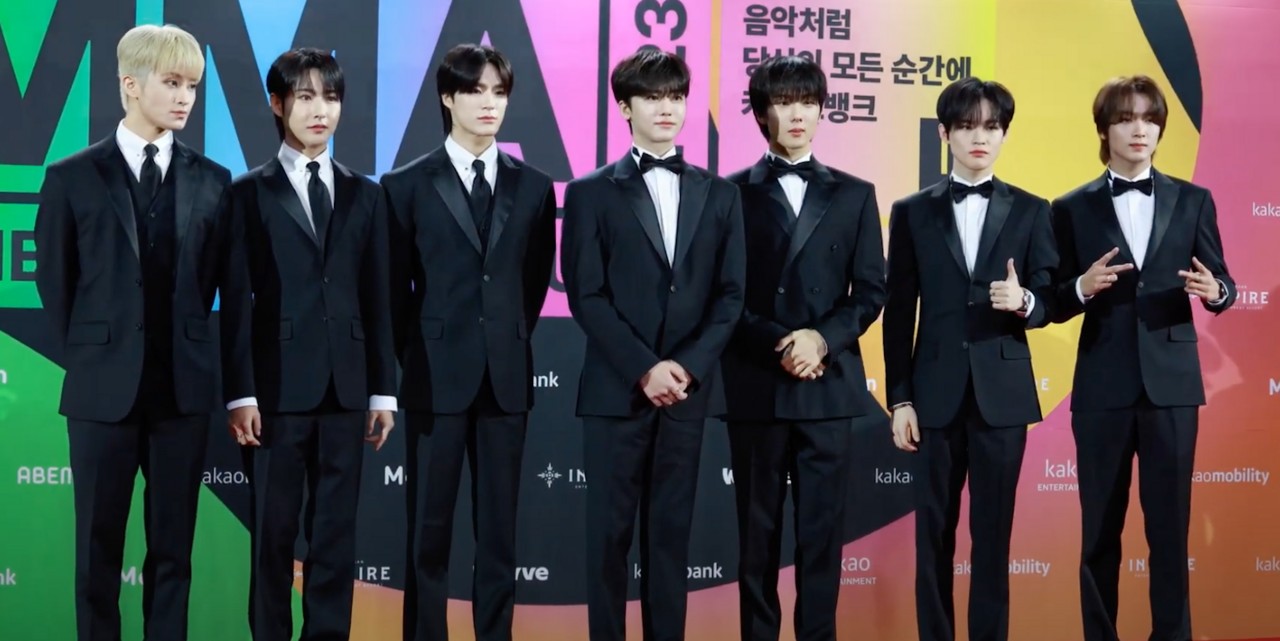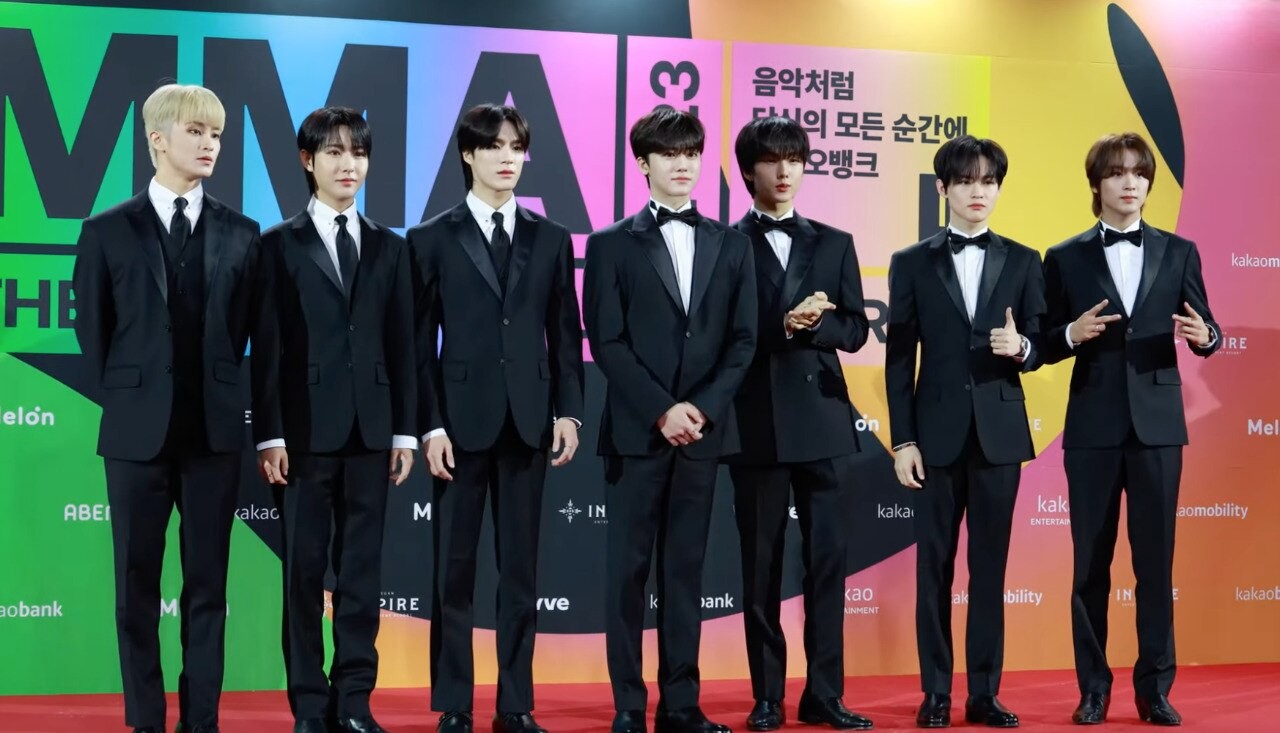

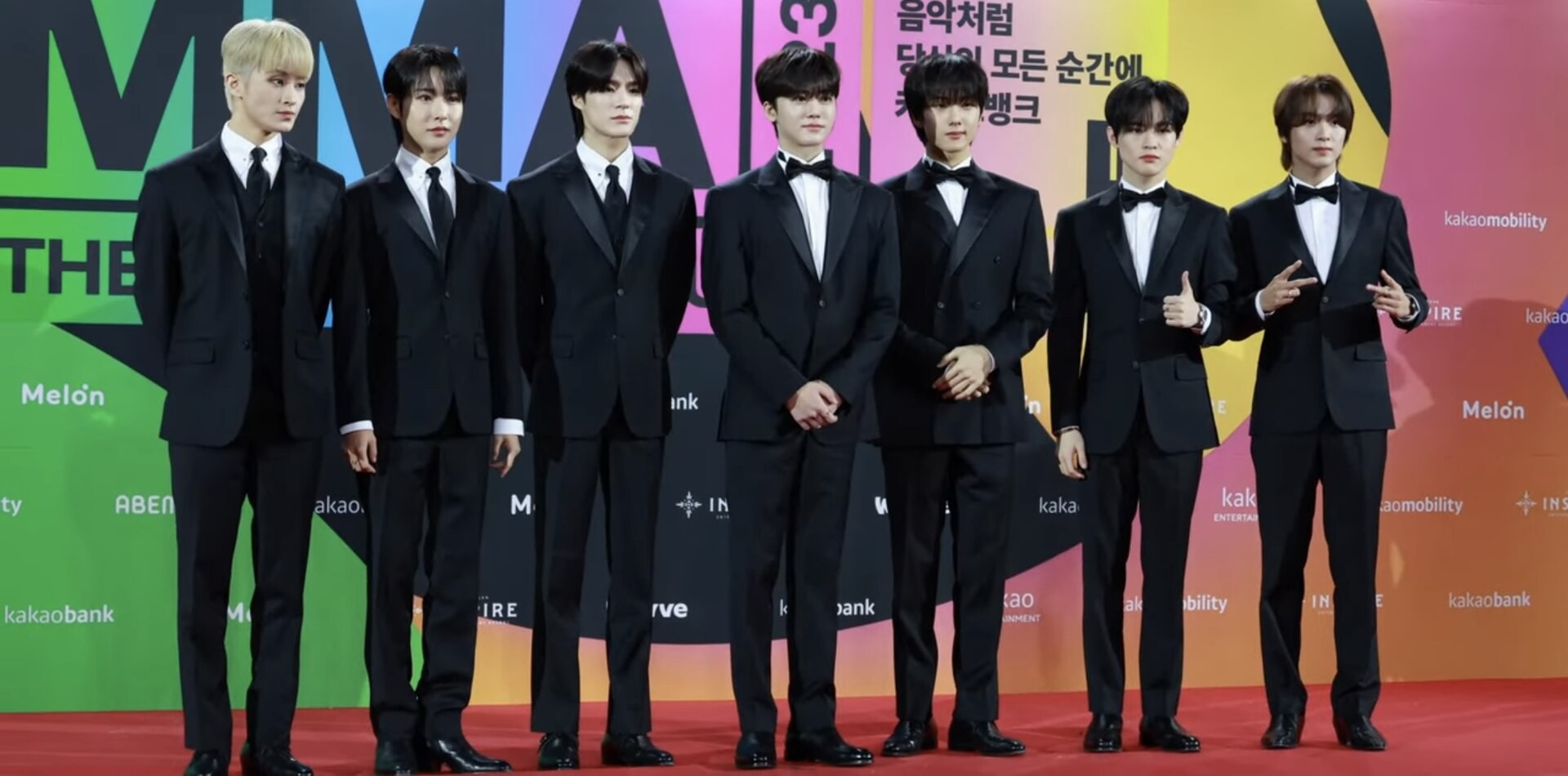
Every K-pop group is built to last, but NCT DREAM were built, quite literally, to end. When SM Entertainment introduced them on August 25, 2016, they were a teenage unit with an average age of 15.6 and a graduation system at their core: members would perform as DREAM until they turned twenty, then "graduate" and move on. It was a concept designed around impermanence — a group whose lineup would dissolve by design, one birthday at a time. A decade later, that group has just released its sixth full-length album, DREAM AFTER DREAM, and sold a million copies of it in its first week. The graduation group refused to graduate.
The album, released November 9, is the centrepiece of NCT DREAM's tenth-anniversary year, and it arrived carrying the full weight of that history. Its ten tracks are led by "Boogie Woogie," a shot of seventies disco-funk rebuilt with modern synths, co-written by Jaemin, which topped real-time charts in Korea within hours. Within a week, Hanteo confirmed what the fandom — Czennie — already suspected: DREAM AFTER DREAM had become the group's eleventh consecutive million-selling album, a streak that runs unbroken from their first full-length record in 2021 to this one.
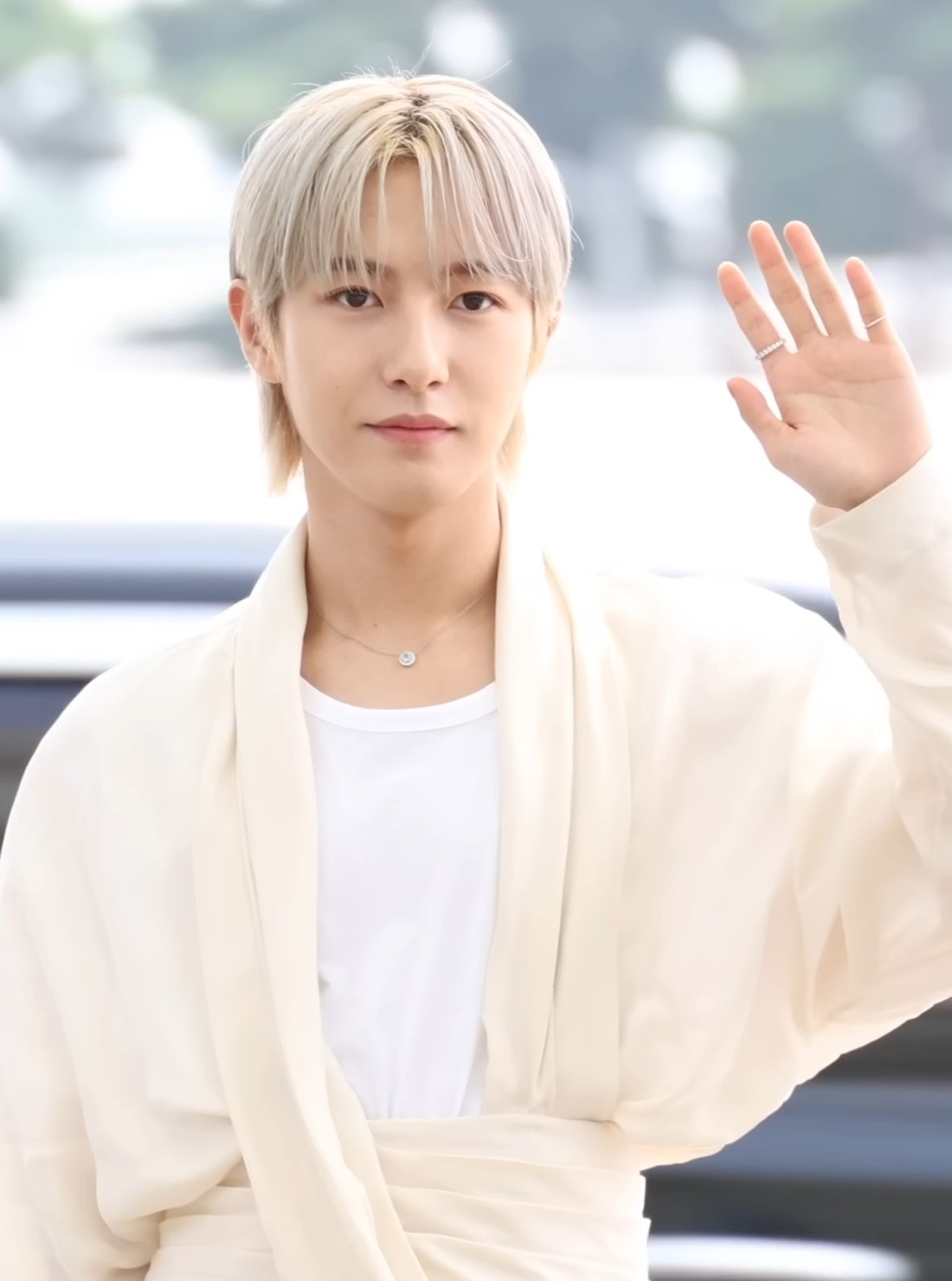
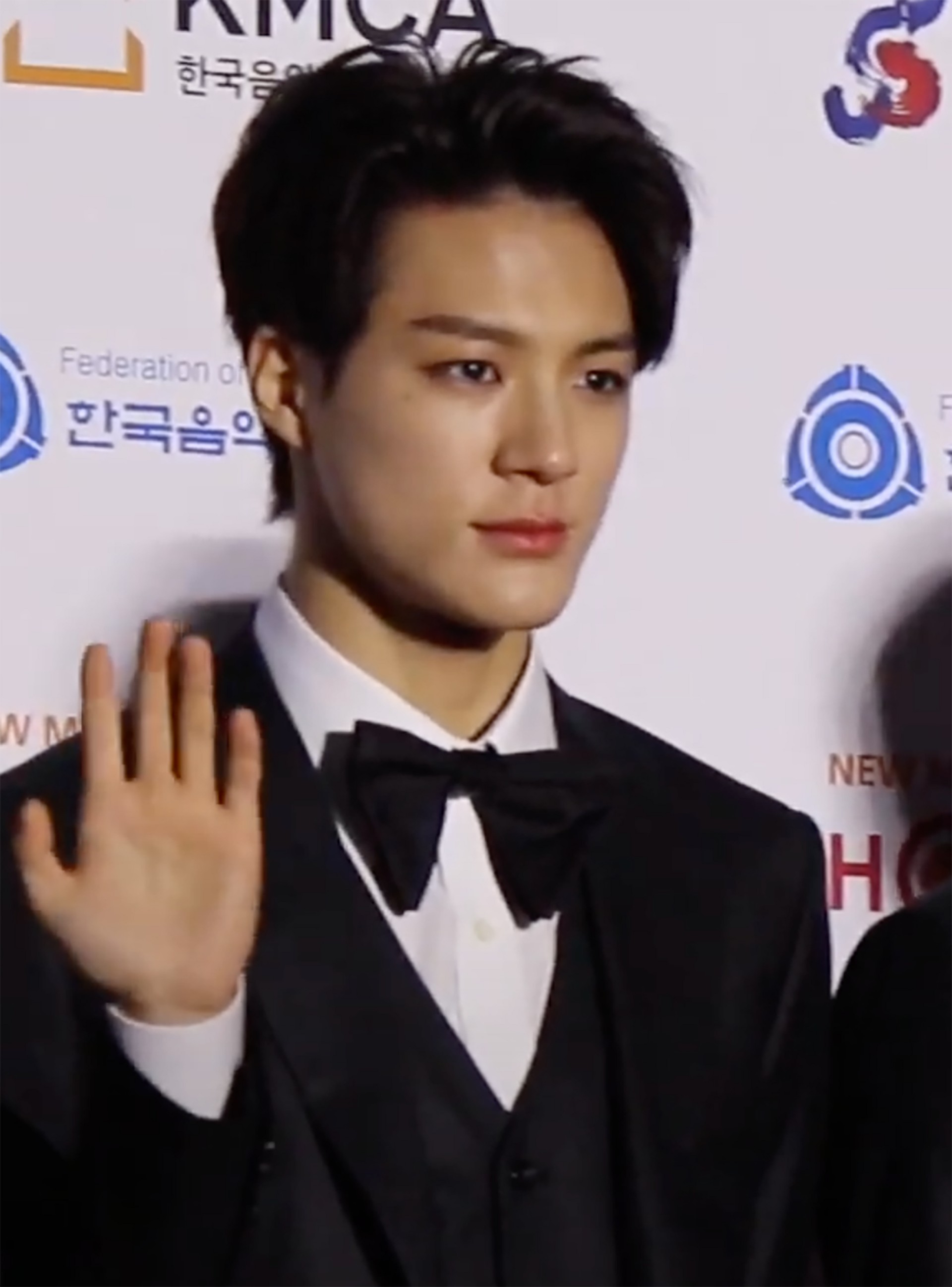
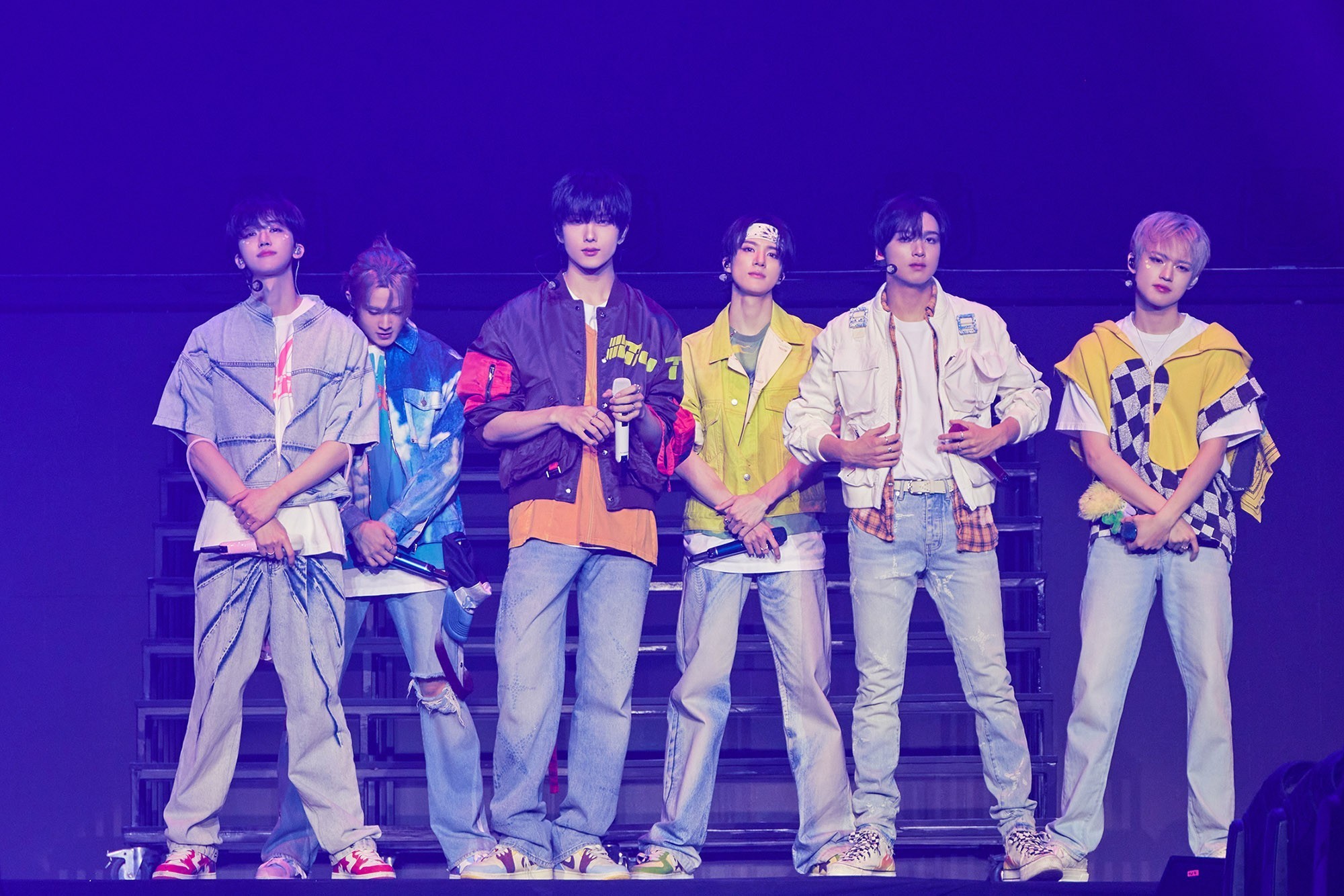
The anniversary also arrives after the biggest change in the group's story. In April, Mark — the eldest member, the leader figure, the first to graduate back in 2018 and the first to return — left the group and SM Entertainment as his contract expired. The remaining six, Renjun, Jeno, Haechan, Jaemin, Chenle and Jisung, renewed their contracts, and DREAM AFTER DREAM is their first album as six. So this is not simply a birthday record. It is a group renegotiating its own future in public, and answering a decade-old question: what happens to a band designed to say goodbye when it decides, instead, to stay?
The numbers say staying was the right call. The album topped Hanteo's daily chart and Circle's retail album chart in Korea, earned Platinum certification on China's QQ Music, led digital album sales charts on QQ and Kugou, and has been charting on Oricon's album rankings in Japan. Ten years after seven teenagers rode hoverboards onto a music-show stage, NCT DREAM are not a nostalgia act. They are a going concern — and this is how they got here.

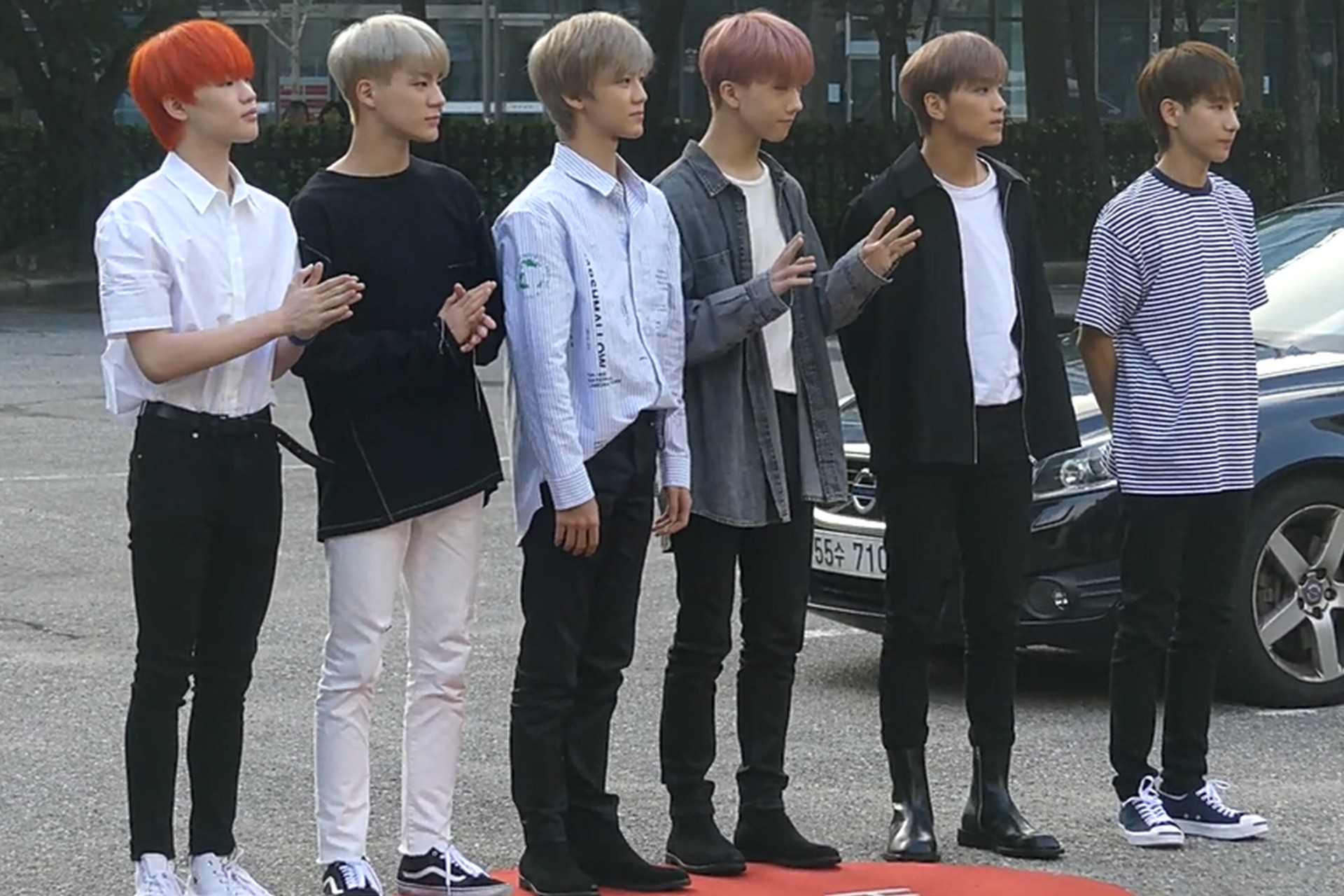
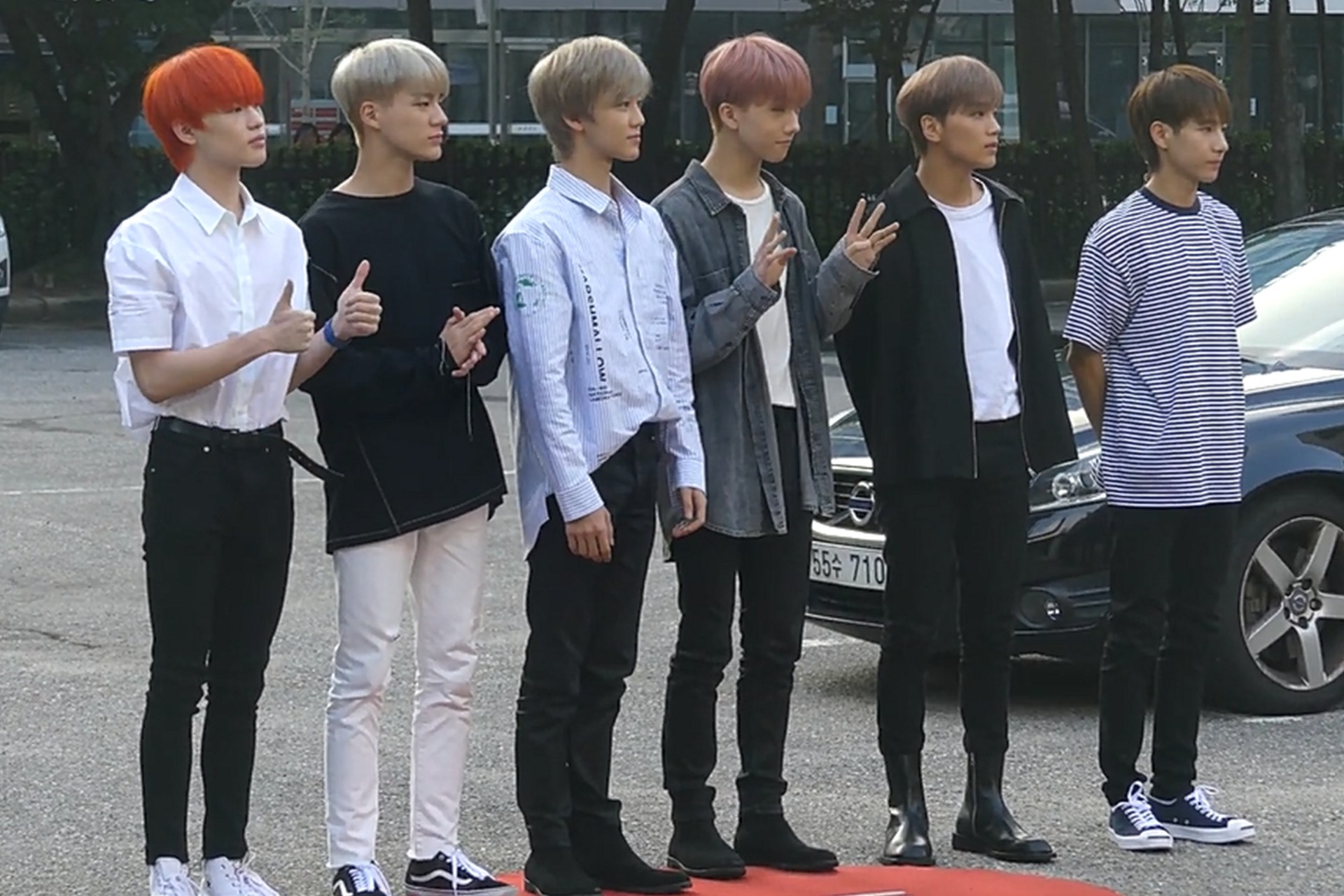
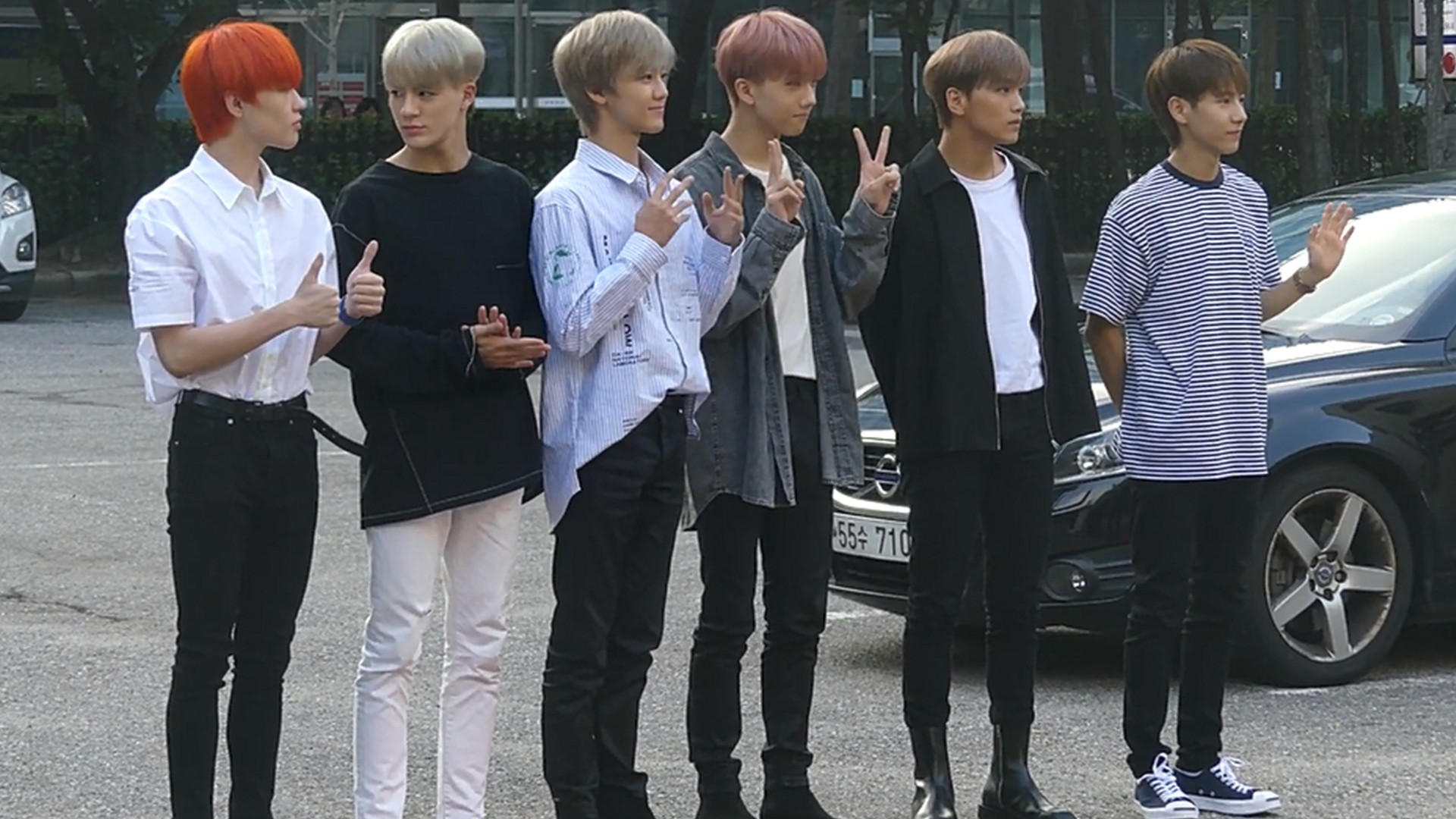
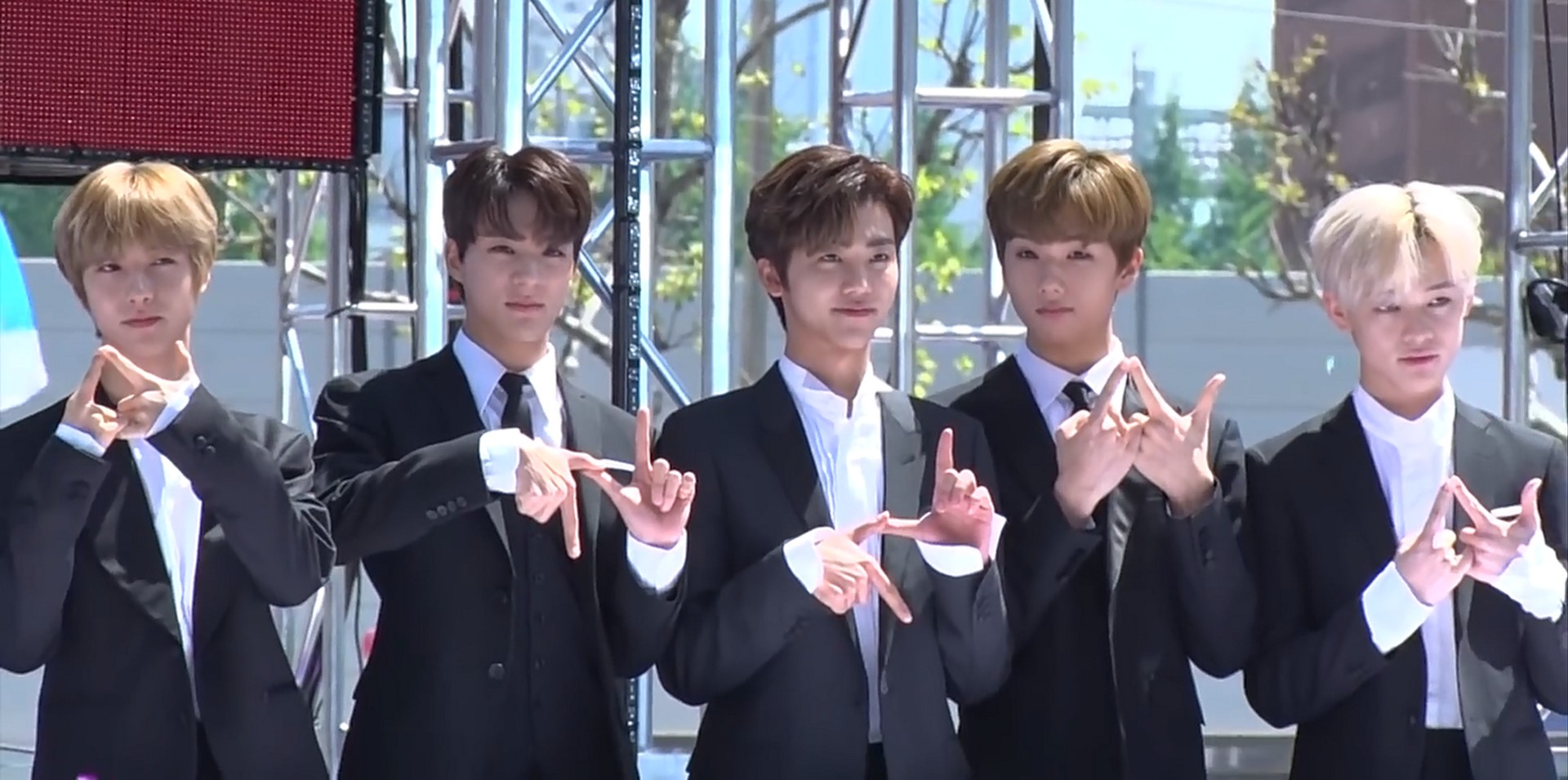
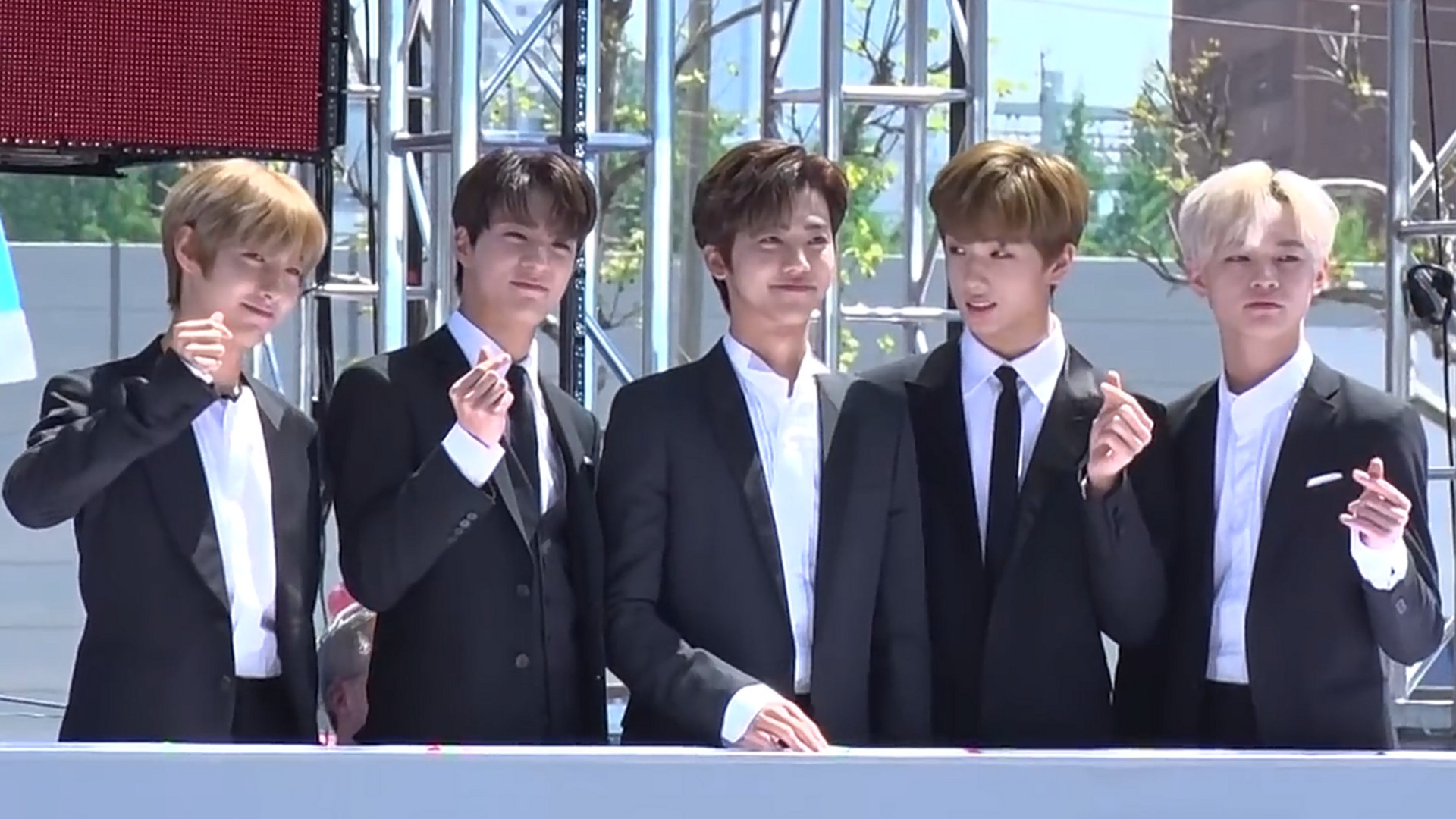
They were designed to graduate. Instead, NCT DREAM grew up — and refused to leave.
Chewing Gum and the Hoverboard Years
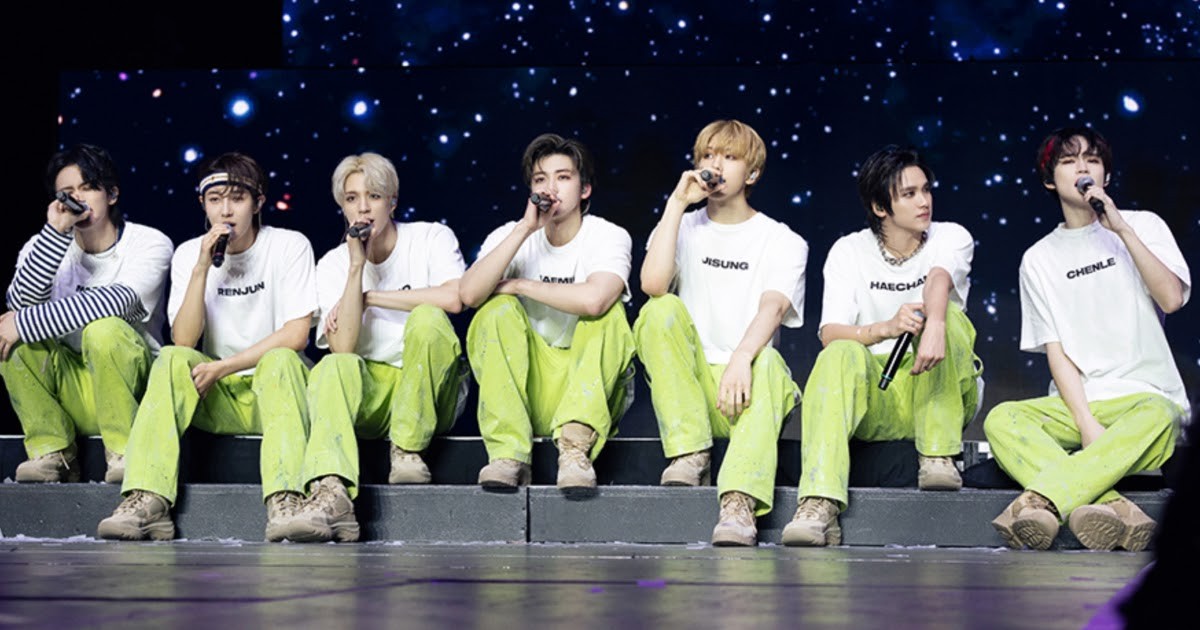
The debut could hardly have announced the concept more clearly. "Chewing Gum," released in August 2016, presented seven boys — Mark, Renjun, Jeno, Haechan, Jaemin, Chenle and Jisung — performing intricate choreography on hoverboards, in a song engineered to within an inch of its life for maximum brightness. The average age of 15.6 was not trivia; it was the brand. Early releases like "My First and Last" and "We Young" leaned into first-love innocence, and the graduation rule gave everything a quiet countdown. Fans were not just watching a group. They were watching a group they knew they would lose, member by member, starting with the oldest. That built-in heartbreak was either a flaw in the design or the source of the fandom's ferocity. A decade on, it looks a lot like the latter.
The Graduation That Broke Hearts
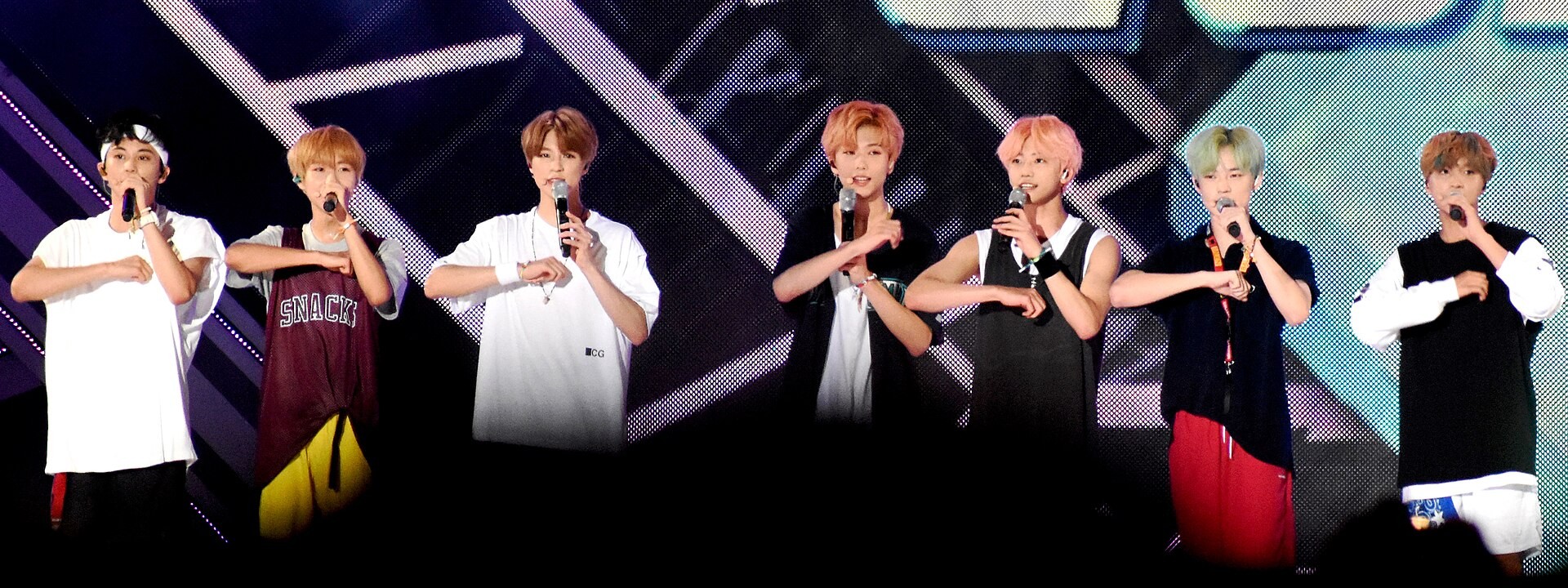
The system claimed its first member on schedule. Mark, who had carried the group's rap line and much of its public identity, graduated at the end of 2018, and NCT DREAM continued as six through the "We Boom" era — growing visibly older, edgier and better, but officially temporary. Then, in April 2020, SM Entertainment did something agencies almost never do: it admitted the concept was wrong. The graduation system was abolished, Mark returned, and NCT DREAM became a fixed group of seven. The decision looks obvious in hindsight — the "temporary" unit was becoming the company's most reliable growth story — but it changed the group's meaning. From that moment, every NCT DREAM record was made by people who had chosen each other over the design. The loyalty Czennie show the group today was forged in those two years, when loving NCT DREAM meant accepting an ending that, in the end, never came.
Hot Sauce and the Million-Seller Machine
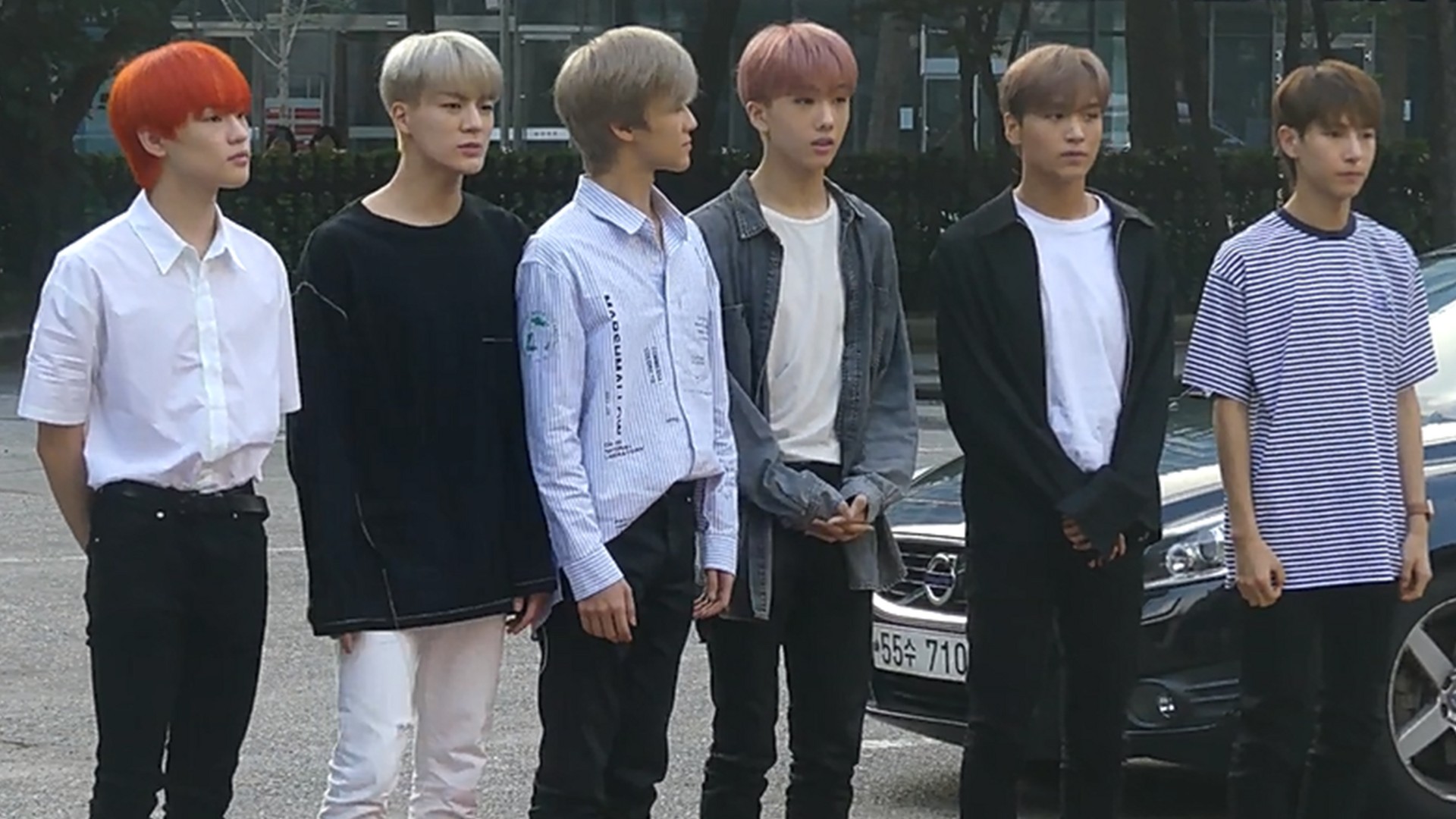
The fixed lineup's first full-length album, Hot Sauce in 2021, was the explosion: NCT DREAM's first million-seller, and the start of a commercial run that has now reached eleven consecutive million-selling releases. Glitch Mode followed, then ISTJ, then the darker turn of DREAM( )SCAPE and DREAMSCAPE, each era sharpening a different edge — the sugar-rush pop of the early years traded, gradually, for something harder and more self-assured. The live show scaled with the sales: The Dream Show tours grew from theatres to arenas to stadiums, with the group's synchronised, athletic choreography as the calling card. What began as a side unit of the NCT system had become, by any commercial measure, one of the pillars of third-and-fourth-generation K-pop — a group whose "youth" concept had quietly matured into a catalogue about growing up in real time, because the members had no other choice.
Boogie Woogie: A Disco Party for a Decade
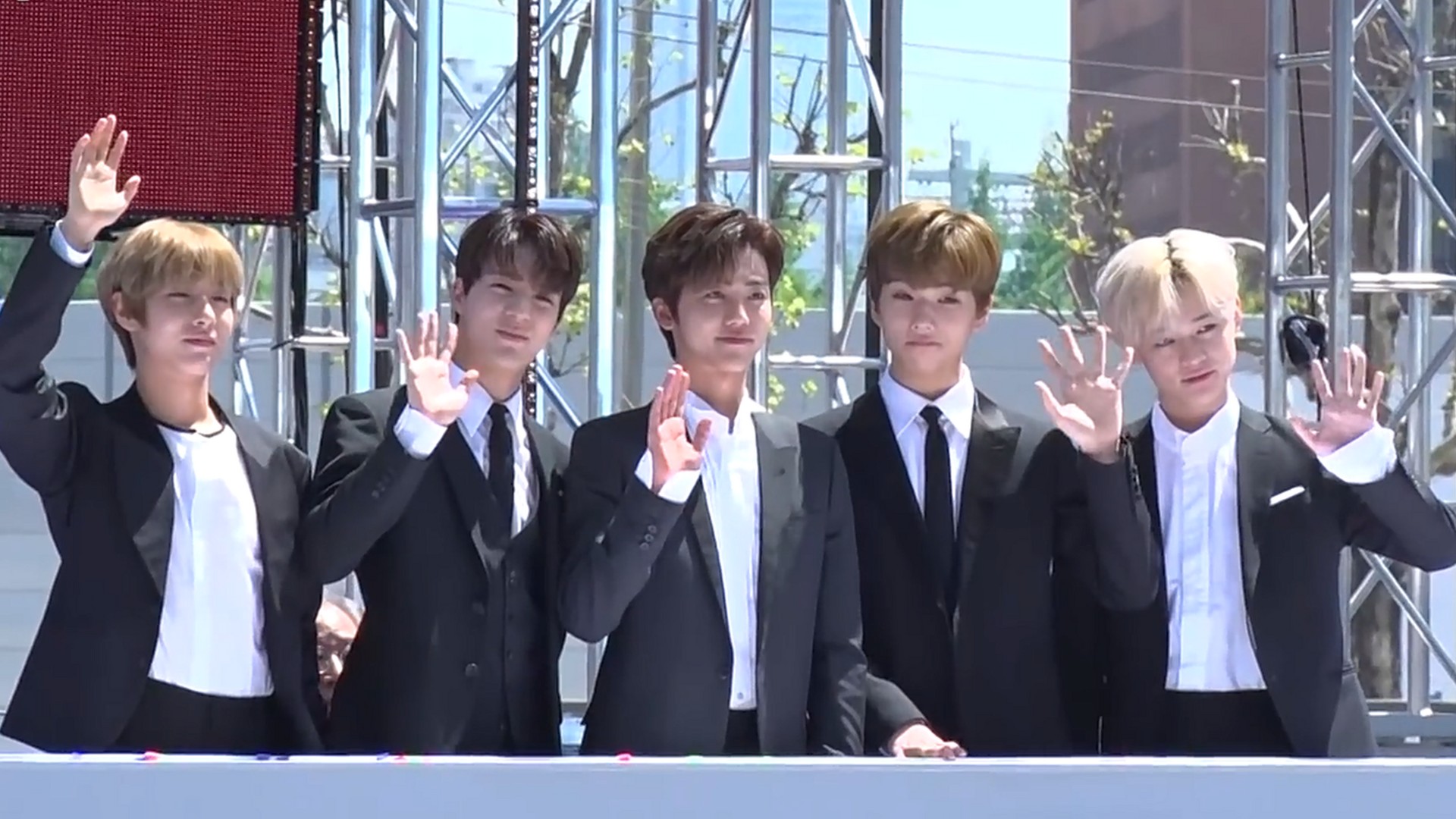
For the anniversary album, NCT DREAM chose celebration over elegy. DREAM AFTER DREAM runs ten tracks and barely half an hour, moving between disco-funk, hyperpop touches, electronic house and pop rock. "Boogie Woogie" leads it — all rhythmic percussion and grooving bassline, with Jaemin's lyrics thanking the people who made ordinary days feel special across the decade. Around it sit songs that map the group's emotional range: "The Sun" and the title-confession "Dream After Dream" look back at the shared road, while "Skydive" and "Pressure" push at courage and limits. The rollout matched the theme of tending something over time: teaser images cast the members as gardeners cultivating a shared garden, a Seoul listening party previewed all ten tracks for fans, and a WELCOME, DREAMERS pop-up extended the anniversary into a physical space. Jeno has said the album's message is about continuing to chase dreams together — a modest sentence that carries ten years of context.
Six Chairs at the Table
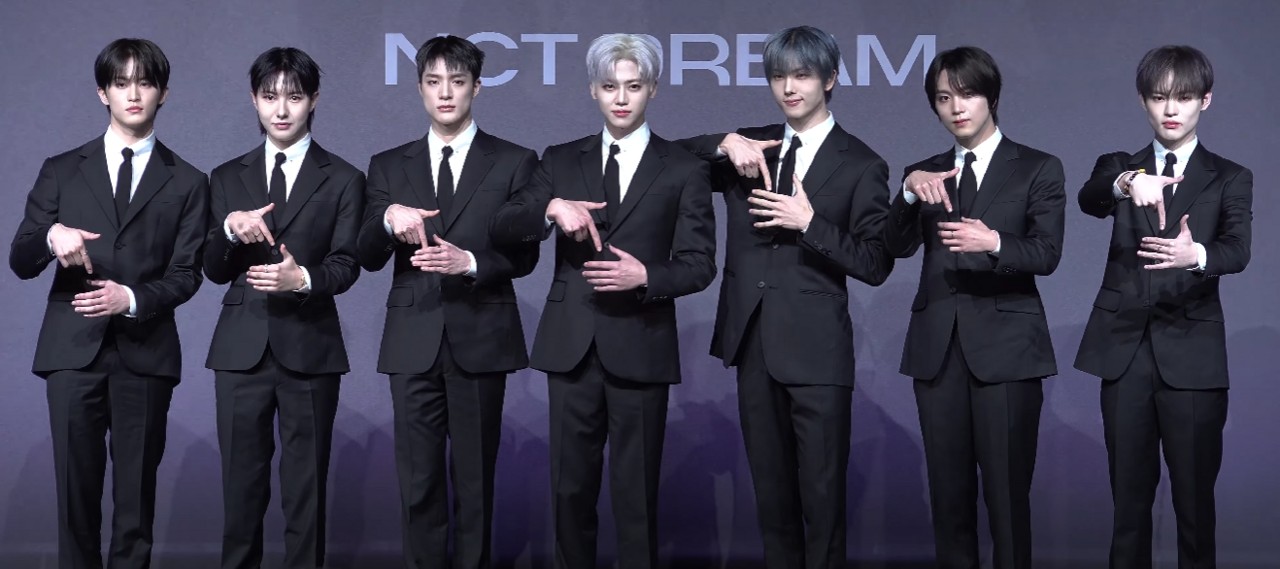
None of this erases the absence at the centre of the anniversary. Mark's departure in April, at the natural end of his contract, closed the seven-member era that fans had fought to make permanent in 2020. There is a strange symmetry in it: the member who graduated first, returned, and anchored the group became the one to leave by the front door, on schedule, as an adult making a career decision. The six who remain renewed with SM and have framed the anniversary not as an ending but as a beginning — Jaemin has said the tenth year feels less like a final chapter than the start of new possibilities. DREAM AFTER DREAM is the proof of concept: the harmonies redistribute, the formations close ranks, and the machine — the songwriting, the stages, the sales — keeps its level. Groups have survived lineup changes before. Few have survived them while insisting, as this one does, that the change is part of the same story rather than a new book.
The Next Dream
The commercial frame around the album suggests the story is nowhere near finished. Eleven straight million-sellers is a streak matched by very few acts in K-pop history, and the group's reach now runs in every direction at once: real-time chart crowns at home, platinum certification and digital-sales titles in China, a persistent presence on Japan's Oricon rankings, and an announced Coachella appearance in 2027 that will carry the anniversary celebrations onto one of the world's most visible stages. But the more interesting number is the smallest one: six. Six members who were supposed to disperse at twenty, now in their mid-twenties, making a disco record about gratitude and calling it a beginning. NCT DREAM were designed as a beautiful, temporary thing. DREAM AFTER DREAM is what happened when the temporary thing grew up, kept its friends, and decided to stay.