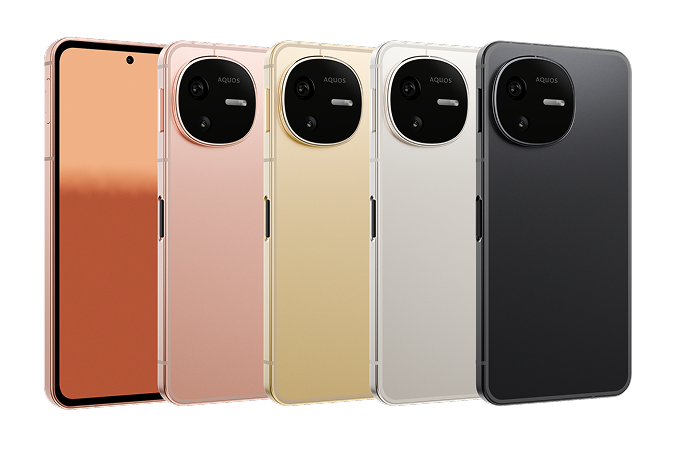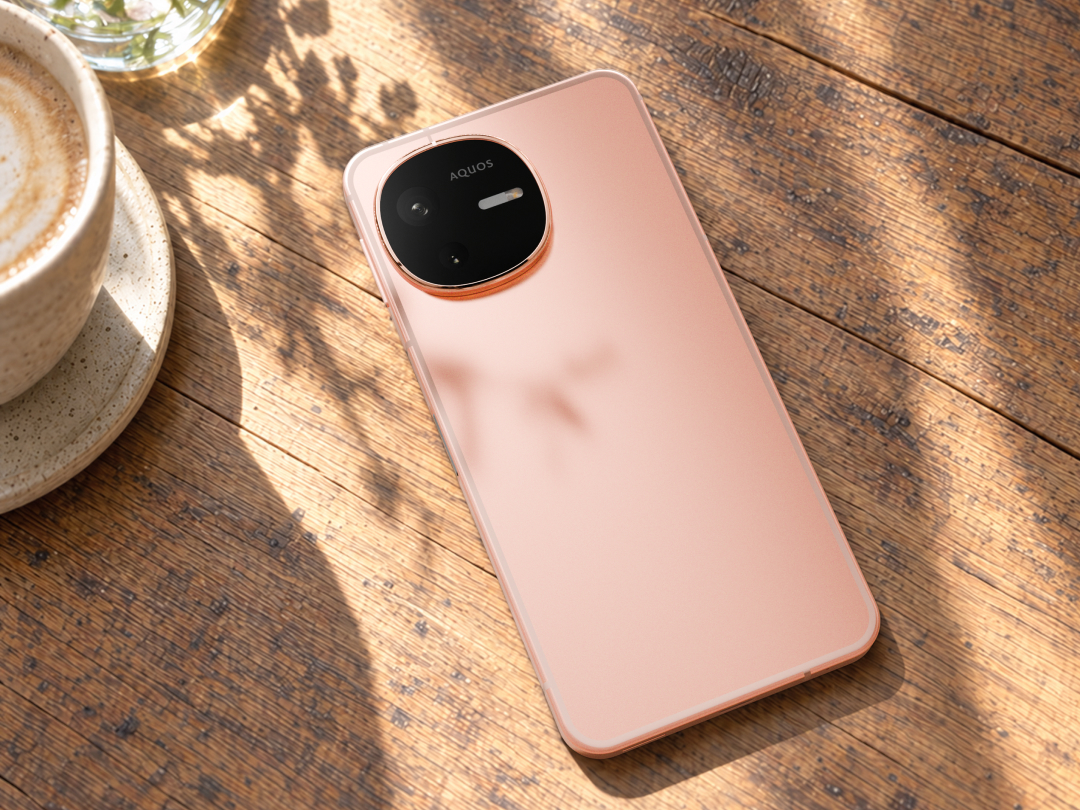

Sharp's AQUOS sense11 arrives in Japan on November 26, and the Japanese mid-range favourite has been rebuilt around a simple idea: lighter, brighter and built to last. The new phone weighs just 157 grams and measures 7.6mm thin — 9 grams lighter and 1.3mm slimmer than last year's sense10 — while keeping the 5,000mAh battery that gives it roughly two days of use at ten hours a day.
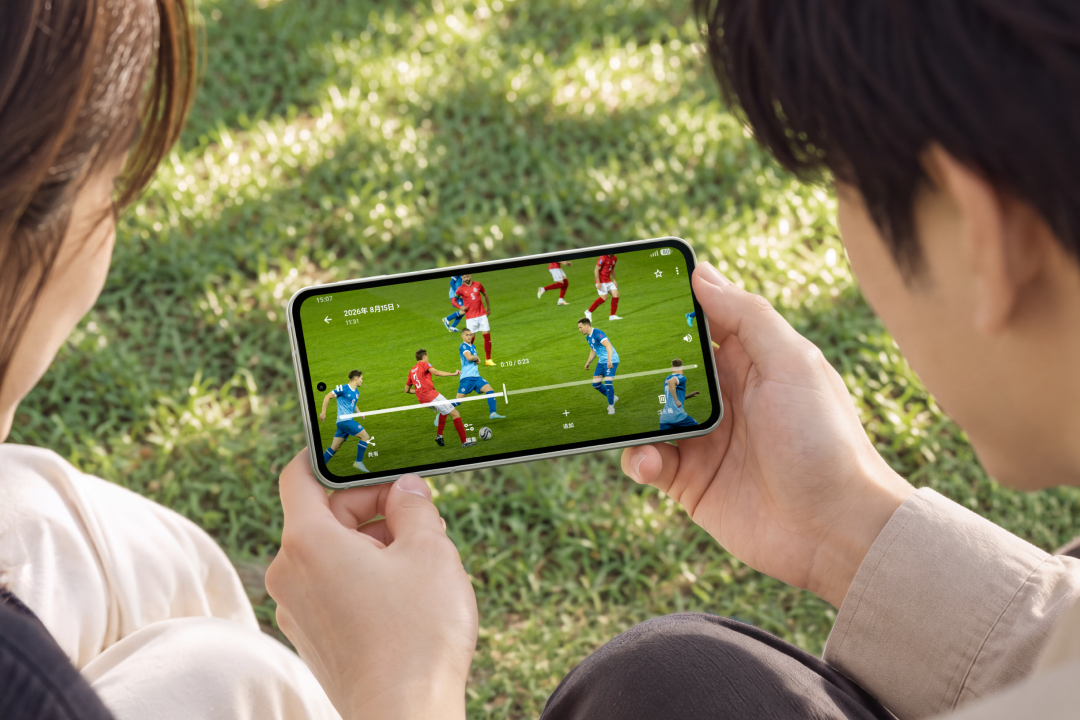
The headline upgrade is the screen. The 6.2-inch Pro IGZO OLED display peaks at 3,000 nits, about 1.5 times brighter than the sense10, so it stays readable in hard outdoor sunlight, and its variable refresh rate runs from 1Hz all the way to 240Hz in supported apps for unusually smooth scrolling and video. Sharp also fitted a newly developed slim W-Box speaker, so the thinner body does not mean thinner sound.
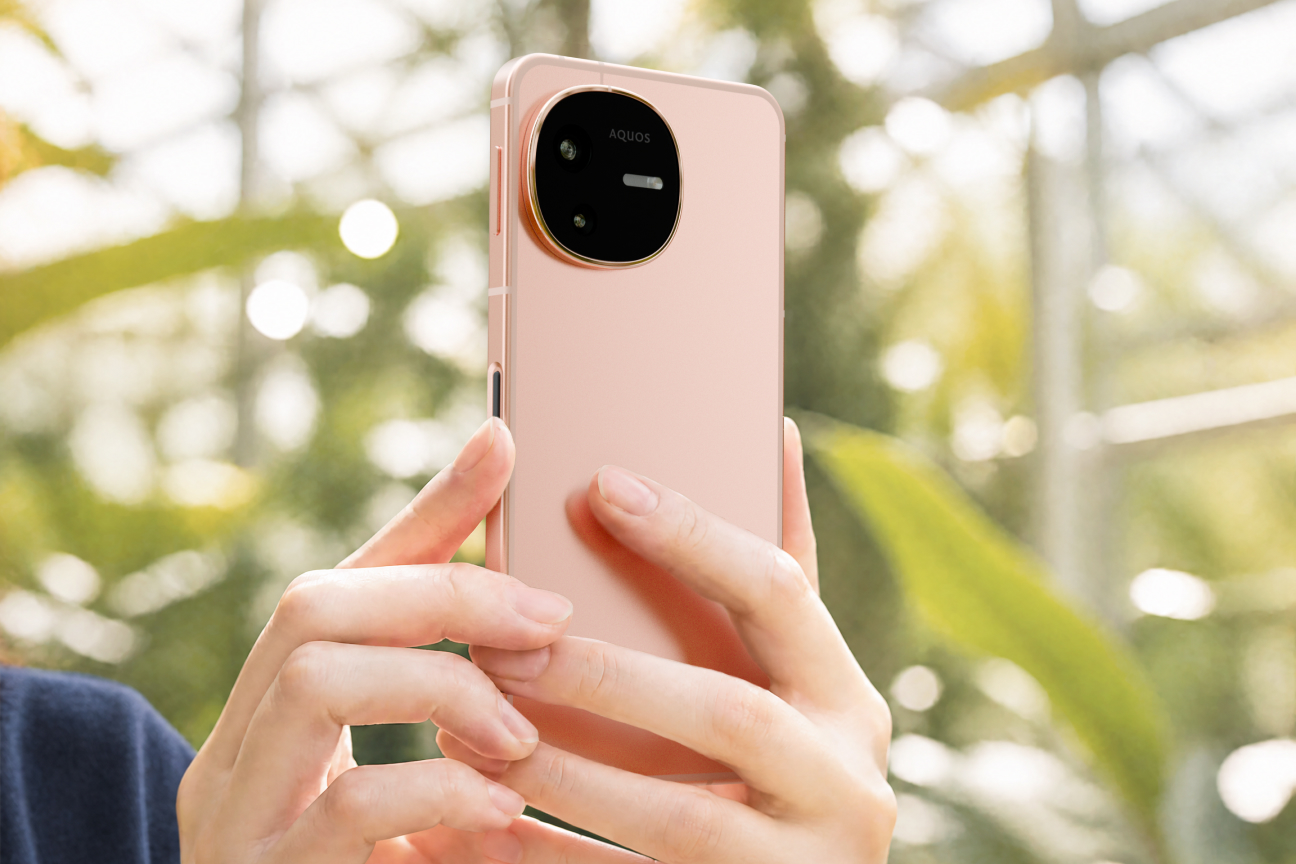
Cameras get a serious lift too. Both rear cameras are 50.3-megapixel units — a main camera with optical image stabilisation and a 122-degree ultrawide — backed by all-pixel phase-detection autofocus and AI tools that can remove passers-by from a shot, lift shadows off food and documents, reduce reflections through glass, and mask readable text on signs. A 32-megapixel front camera handles selfies and video calls.
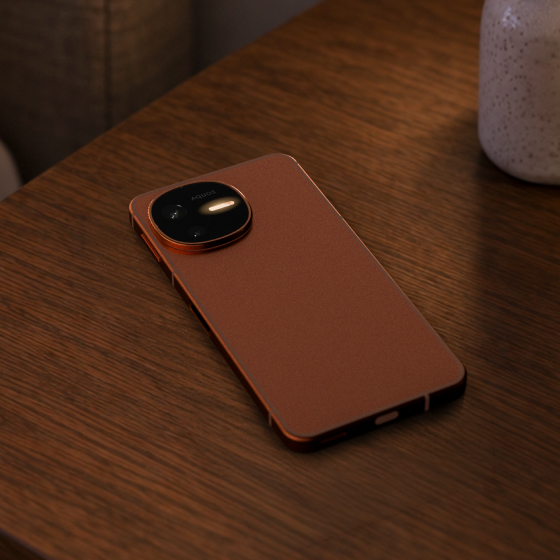

A phone you can use for six years does not need to shout — it just needs to keep up, every single day.
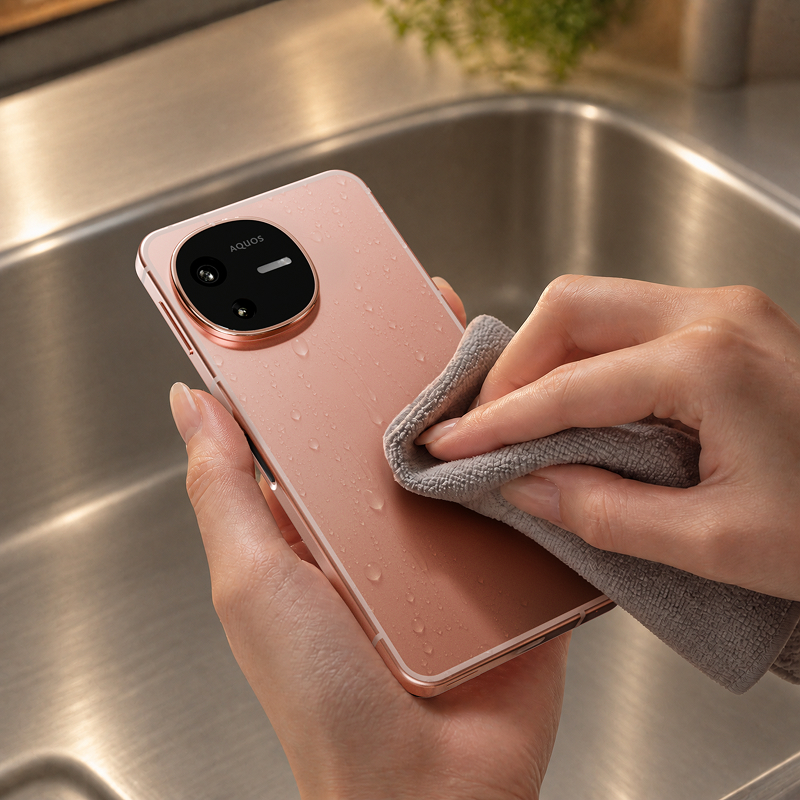
Durability is where the sense11 really separates itself. Alongside IPX5 and IPX8 water resistance and IP6X dust protection, it adds IPX9 — tested against 80-degree high-pressure hot water jets — and passes 16 MIL-STD-810H military tests. It runs Android 17 out of the box, with up to four OS upgrades and six years of security updates promised, and Sharp's NIAH AI assistant app is pre-installed, launchable with a double press of the power key.
Under the hood sits Qualcomm's Snapdragon 7s Gen 3 — the same chip as the sense10, a deliberate choice Sharp says keeps costs in check while memory rises to 8GB of RAM with 128GB of storage, or 12GB with 256GB on the SIM-free model, with microSD expansion up to 2TB. There is 5G, Wi-Fi 6E, face and fingerprint unlocking, and Osaifu-Keitai support for Japan's transit and payment cards.
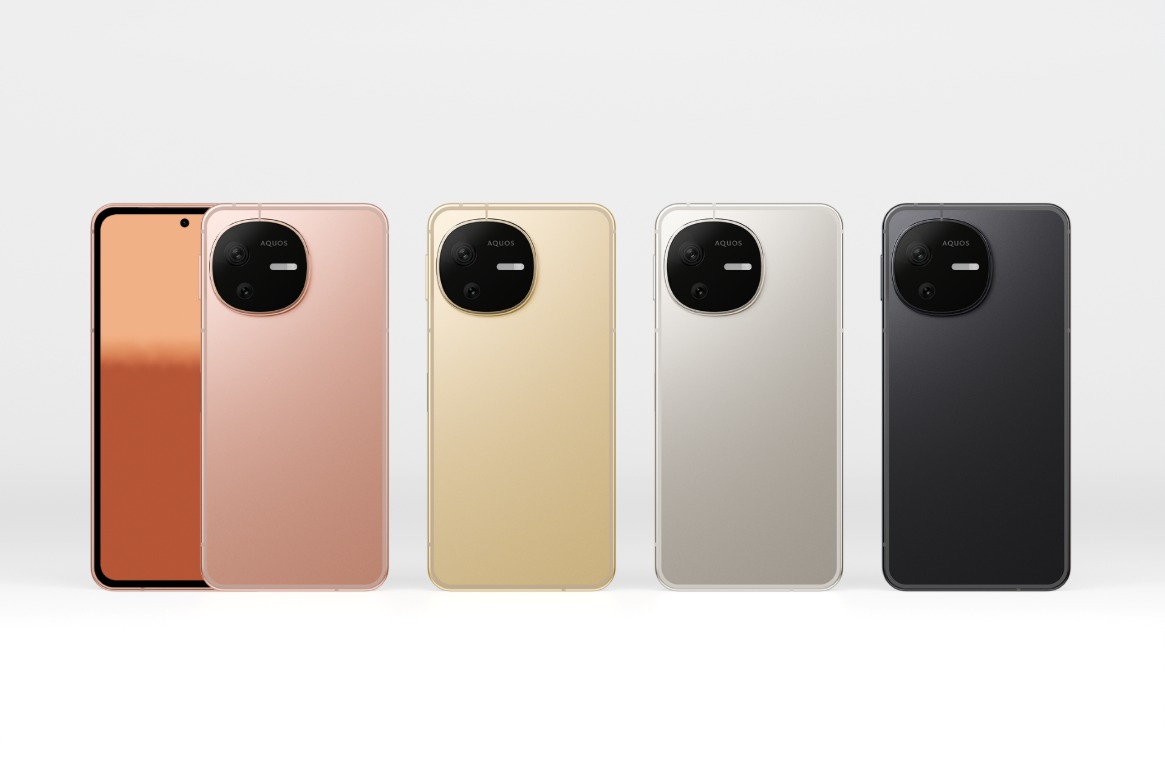
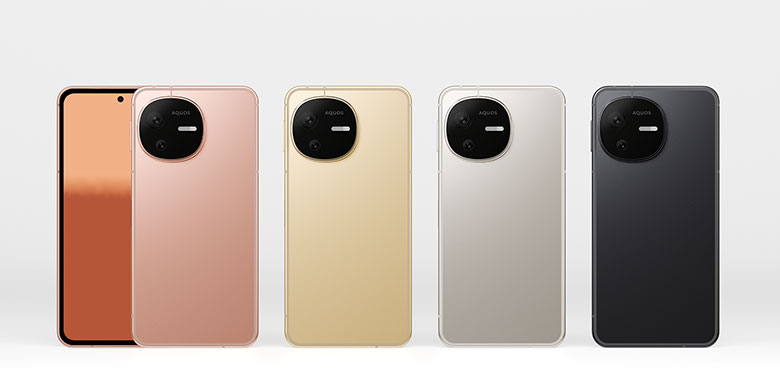
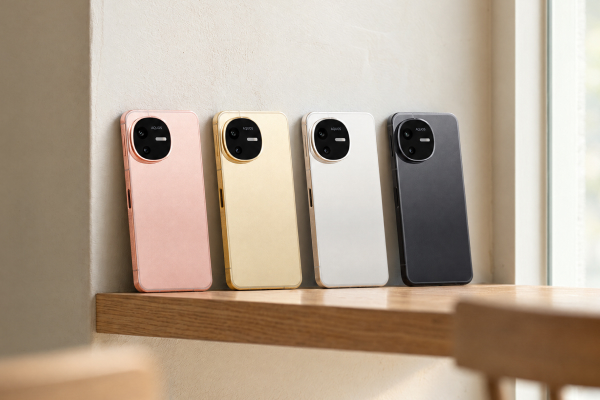
The sense11 goes on sale November 26 in Copper, Gold, Silver and Black through NTT Docomo, KDDI's au, SoftBank, Rakuten Mobile and J:COM Mobile, plus SIM-free models. Sharp's direct pricing starts at ¥94,600 (about $594) for the 8GB/128GB model and ¥119,900 (about $753) for the 12GB/256GB model — a notable rise from last year, which Sharp attributes to component costs, answered with more memory, a brighter screen and a longer support life. A launch campaign through January 21, 2027 adds ¥8,000 in points or cashback for buyers who register. In a market of ever-heavier flagships, a 157-gram phone built for six years feels quietly radical.