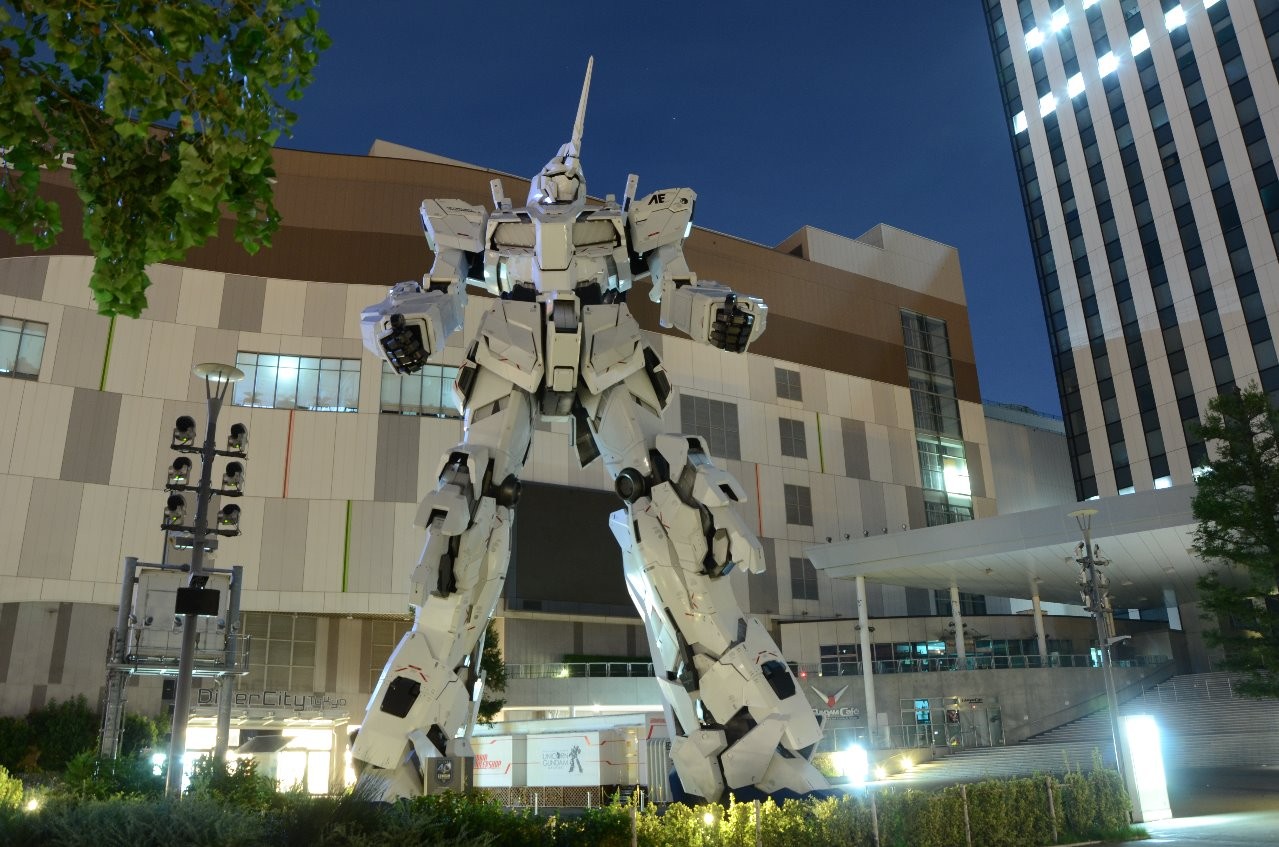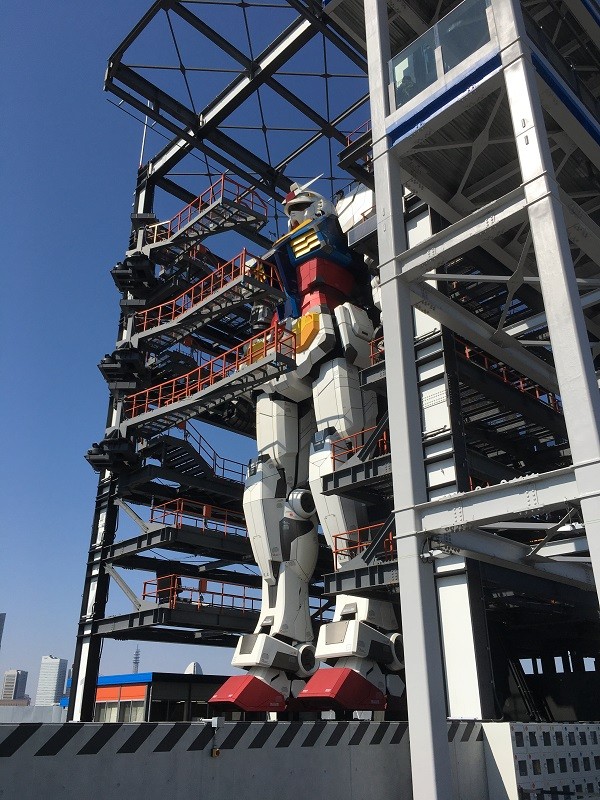


Giant robots were never really the point. For nearly five decades, Gundam has used its towering mobile suits to tell stories about ideology, identity, sacrifice and the human cost of war — and now that legacy faces its biggest live-action test yet. Netflix's forthcoming Gundam film puts Sydney Sweeney and Noah Centineo in the cockpit, and the real question is not whether the machines can be made to look convincing. It is whether the people inside them can feel just as real.
The film is set during a prolonged conflict between Earth and its former space colonies, and it follows rival mobile suit pilots on opposing sides of the war. As their loyalties shift and a new threat emerges, the two are pushed toward a confrontation with consequences for all of humanity. Crucially, this is an original narrative — not a direct adaptation of any single television season — which gives the filmmakers room to welcome newcomers without sanding down the moral complexity longtime fans expect.
Behind the camera, writer-director Jim Mickle leads a production backed by Bandai Namco Filmworks and Legendary Pictures: the franchise's Japanese guardians joining forces with one of Hollywood's biggest spectacle factories. Cameras rolled in Queensland, Australia, in April 2026, and industry reporting says principal photography wrapped that July. Netflix has not announced a release date.






In Gundam, the machines matter because their consequences matter — the battles were never just about the robots.
A Japanese Landmark With Global Reach
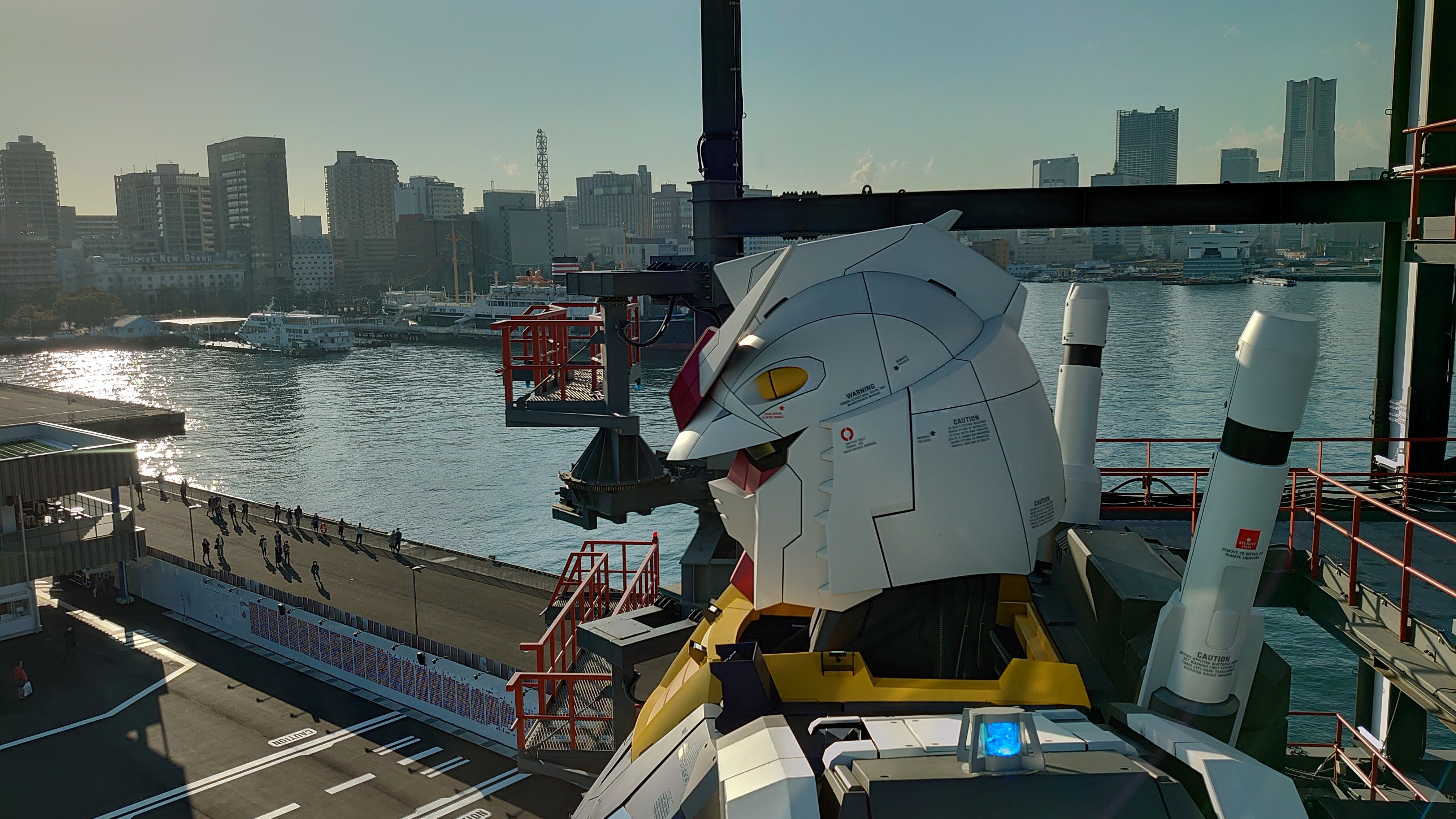
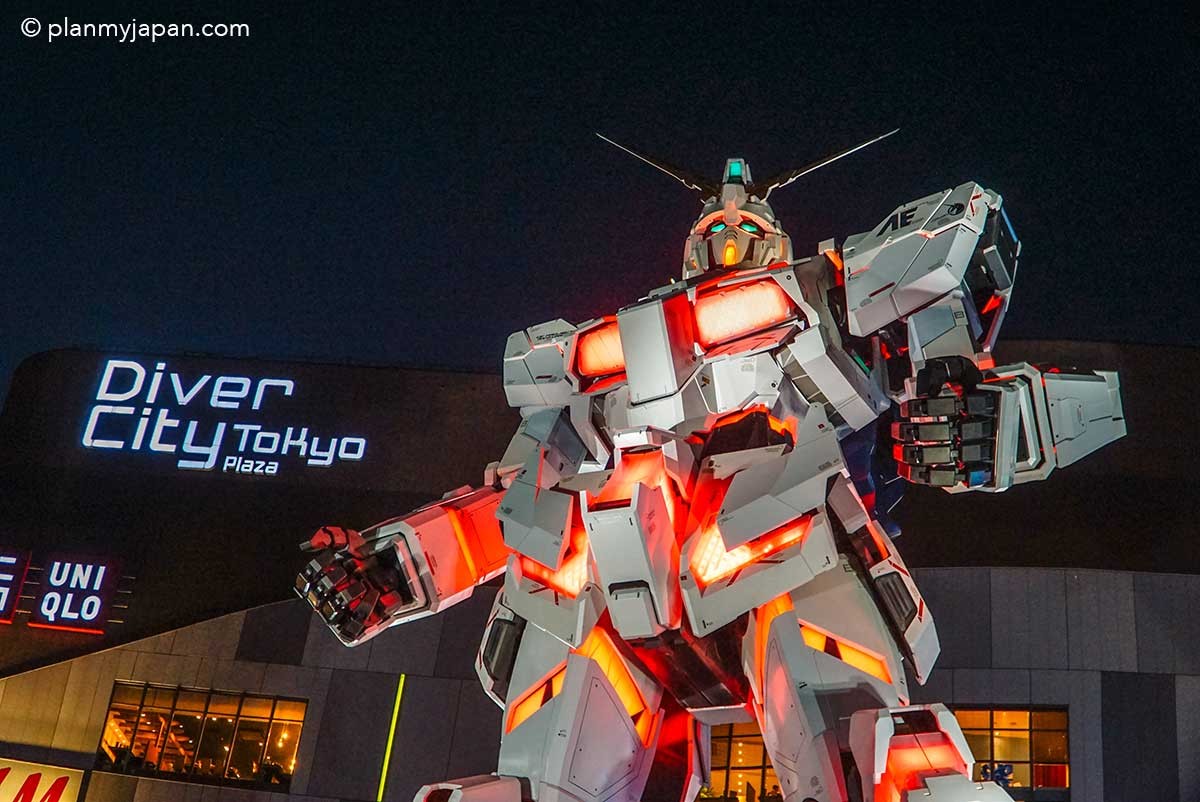
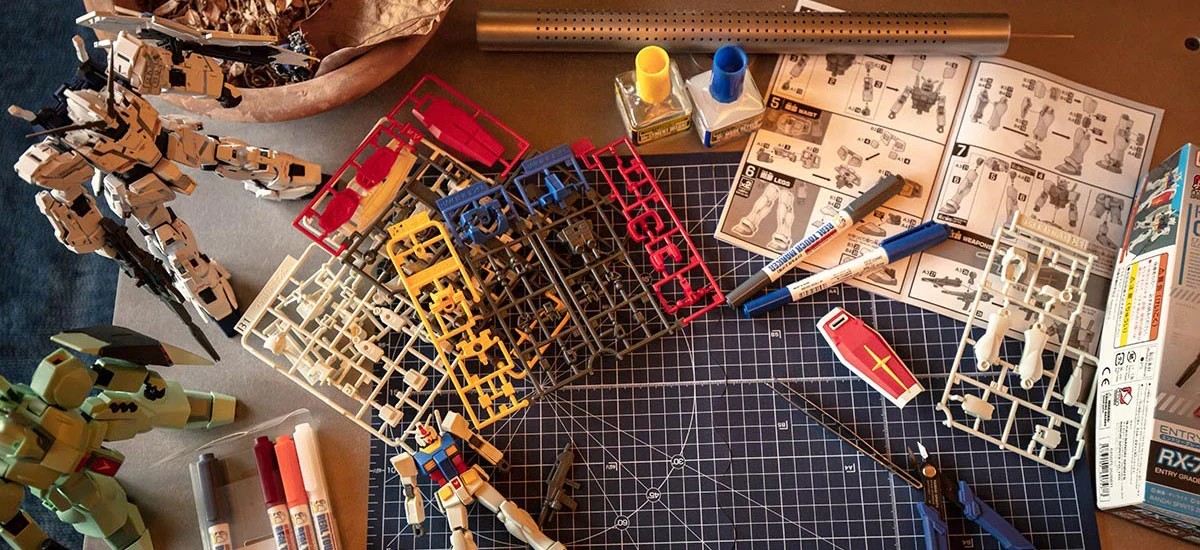
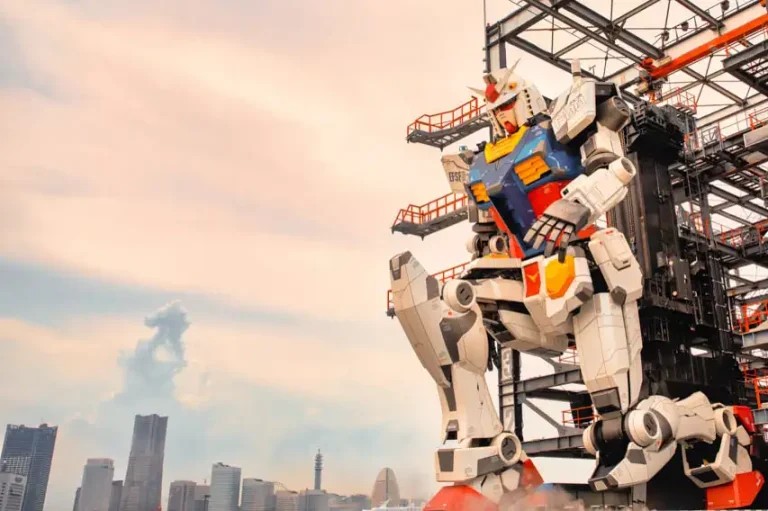
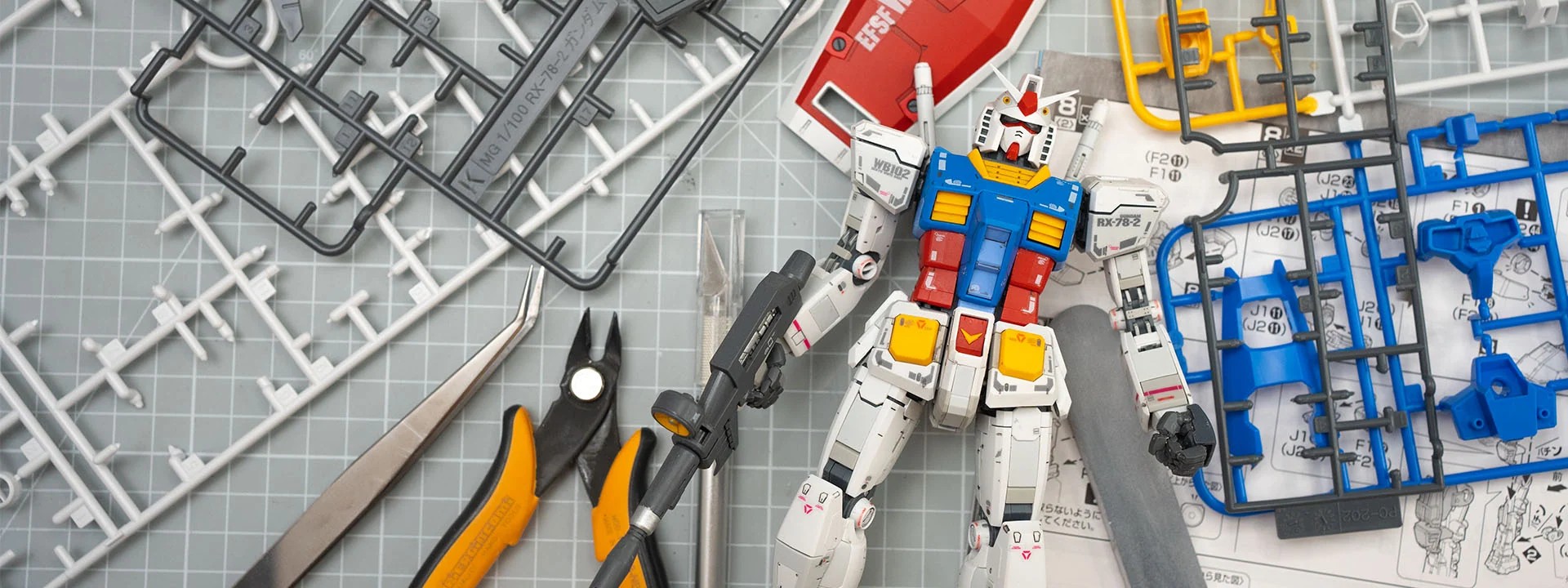
Gundam began in Japan in 1979 with Mobile Suit Gundam, the series that rewired the giant-robot genre by bolting military hardware onto a politically charged, character-driven war drama. Nobody was simply good or evil — there were only people on each side of the line, and the institutions that turned their lives into strategy. Across television, films, games and generations of model kits, the franchise grew into a cultural language spoken far beyond anime fandom. Which is exactly what makes a Hollywood version so tricky: the spectacle is guaranteed, but the point of view is the hard part.
The Star Power Behind the Cockpit

Sweeney and Centineo give this film instant reach — to Gundam's established global audience, and to viewers who have never built a model kit in their lives. Netflix has not publicly detailed their exact characters, but the premise puts the relationship at the center: two opponents, shaped by opposing allegiances, forced to confront a threat that complicates everything they were taught about the war. Star power opens the door; it cannot do the acting. A pilot's fear, anger, doubt and loyalty have to carry the same weight as the machine — and in the strongest version of this film, the emotions drive the action rather than interrupt it.
An Ensemble Built for a Larger Universe
The leads do not fly alone. The announced ensemble — Jackson White, Shioli Kutsuna, Nonso Anozie, Michael Mando, Javon "Wanna" Walton, Oleksandr Rudynskyi, Ida Brooke, Gemma Chua-Tran and Jason Isaacs — is broad enough to suggest a story told from far more than a single cockpit, even if most roles remain undisclosed. The partnership behind the production matters just as much: Bandai Namco Filmworks brings the franchise's Japanese DNA, Legendary brings the blockbuster machinery. Authenticity will not be measured only by how faithfully a silhouette is reproduced, but by whether the film understands why that silhouette became iconic.
A Director Who Understands the Human Stakes
Jim Mickle, who writes and directs, built his name on genre stories — Sweet Tooth, Cold in July — where large, sometimes frightening worlds are filtered through intimate human experience. That instinct is precisely what Gundam demands. Its politics cannot be reduced to exposition between battles; they have to live in decisions that carry a price: who follows an order, who breaks one, who protects an enemy, who discovers the truth was buried under a patriotic slogan. If Mickle finds those moments, the film's scale becomes an advantage instead of a distraction.
Making the Machines Feel Enormous — and Meaningful
The visual bar is obvious: mobile suits must communicate weight, speed and physical danger, even inside the impossible geometry of space combat. But effects alone do not create scale — the camera's choices do: what a pilot can see, how sound changes inside a cockpit, how the ground answers metal in motion. Restraint will matter just as much. A damaged machine limping home, a pilot hesitating before launch, a conversation in a hangar's shadow — those quiet beats are what make a later battle devastating. Production began in Queensland, Australia, in April 2026, with principal filming reportedly wrapped in July; Netflix has yet to confirm a release date, and speculation about a premiere window should not be mistaken for an announcement.
A Defining Test for Live-Action Anime
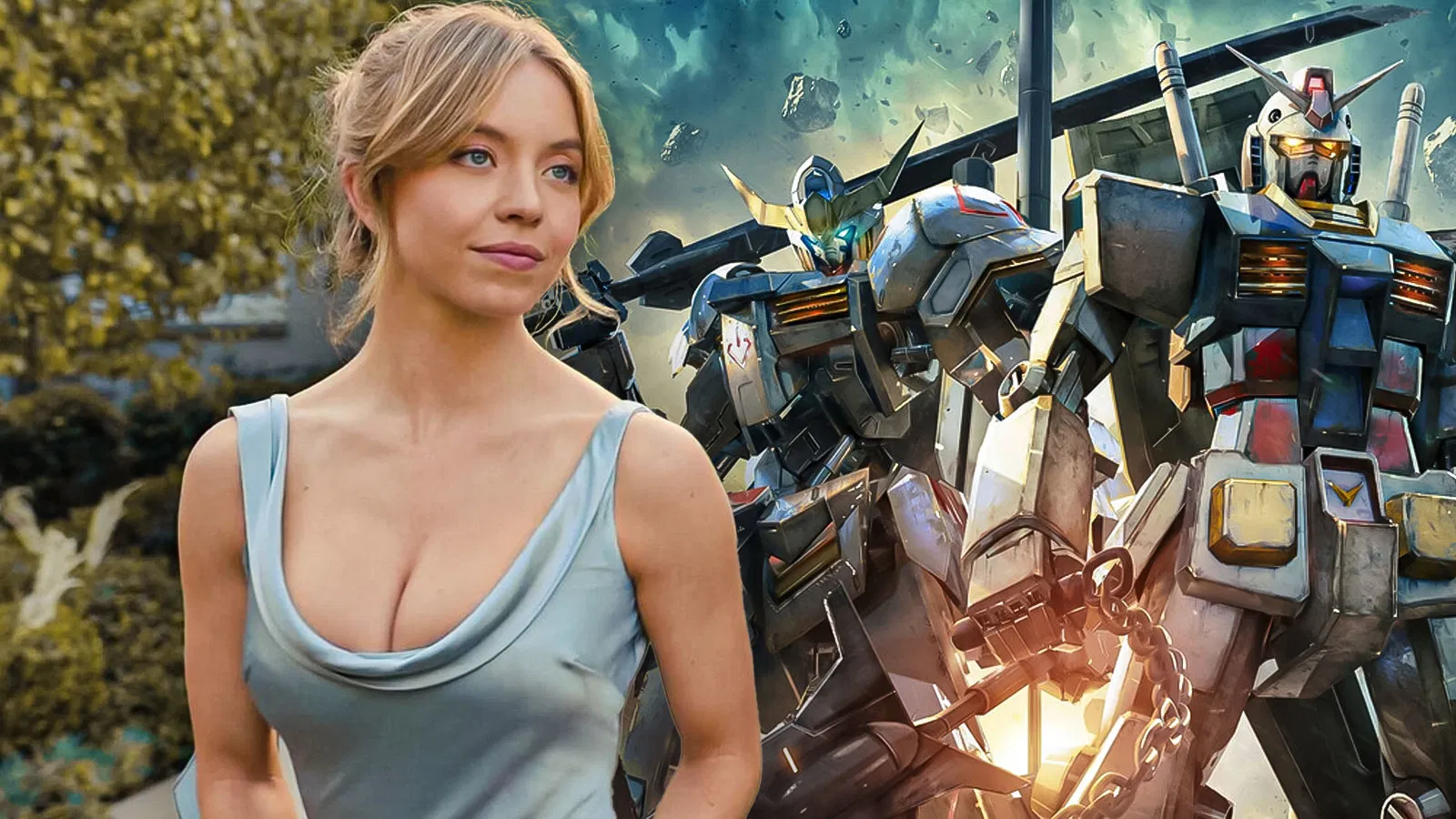
Anime adaptations are pulled in two directions at once: devoted fans want the texture and ideas that made the original matter, while new audiences need a story that works without decades of homework. Gundam may be unusually well suited to thread that needle — its recurring questions about nations, resources, distance, belonging and inherited conflict can land immediately when they are carried by well-drawn characters. Sweeney's presence guarantees the film will be covered far beyond anime and sci-fi circles; for Fusion's international readership, that crossover is part of the story. The risk is flattening — a distinctive cultural work sanded into something generic. The opportunity is the opposite: a film that preserves not every continuity detail, but the sense that war reshapes people, institutions and the very definition of home. If the balance lands, audiences will remember more than the towering machines. They will remember the people who climbed inside them.