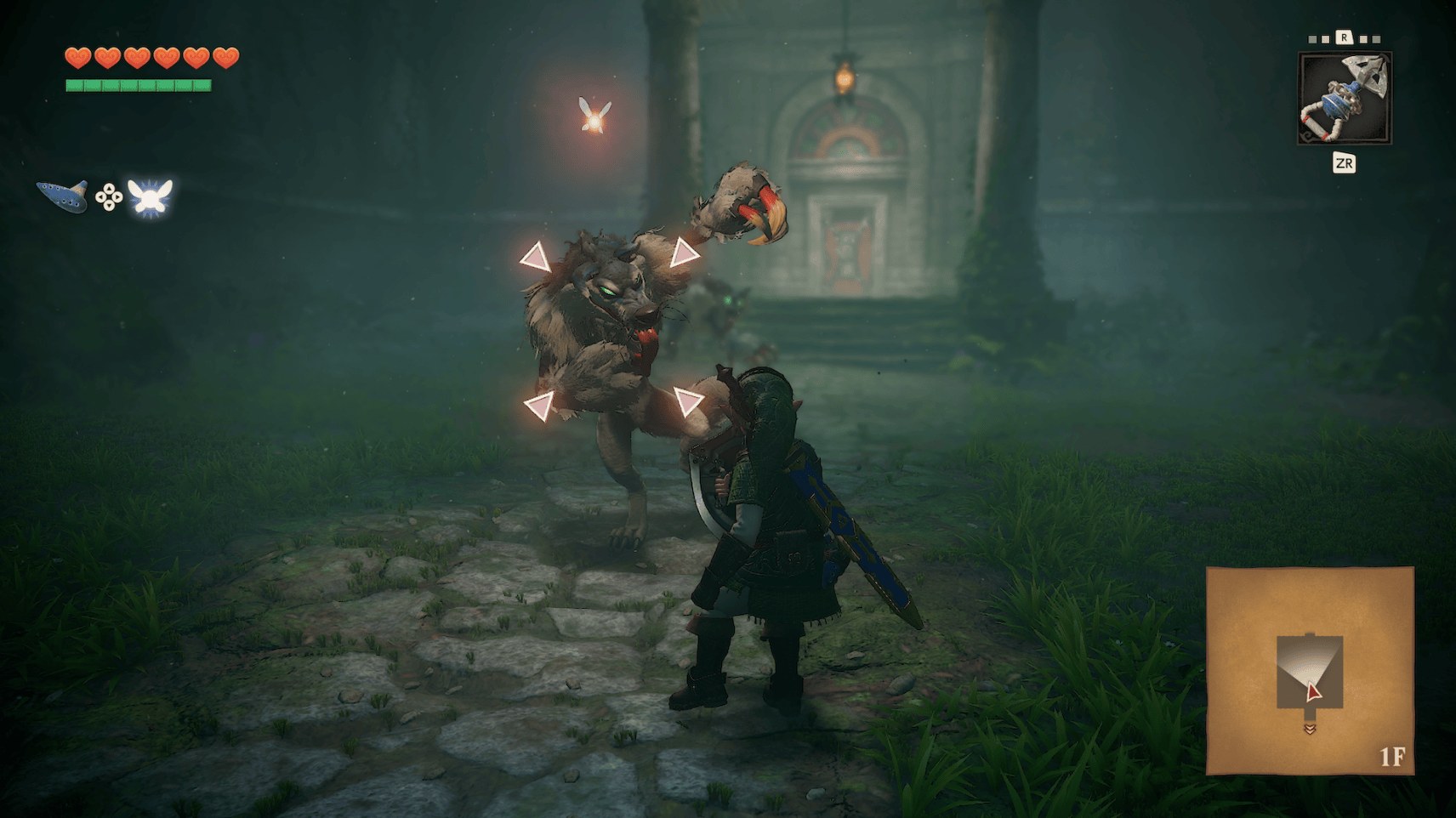

There is no harder assignment in video games than remaking The Legend of Zelda: Ocarina of Time. The 1998 Nintendo 64 original is not merely loved; it sits at 99 on Metacritic, the highest score the site has ever recorded, and it effectively wrote the grammar for every 3D adventure that followed it. Touch it clumsily and you vandalise a monument. Play it too safe and you ship a museum piece. Nintendo EPD's ground-up remake for Nintendo Switch 2, released on November 5, 2026 as the centrepiece of the series' 40th anniversary, threads that needle with astonishing confidence. Our verdict up front: this is the definitive version of Ocarina of Time, a remake so carefully judged that it has become 2026's highest-rated game in its own right, with a 96 on Metacritic drawn from more than 80 reviews — and it earns every point of it.
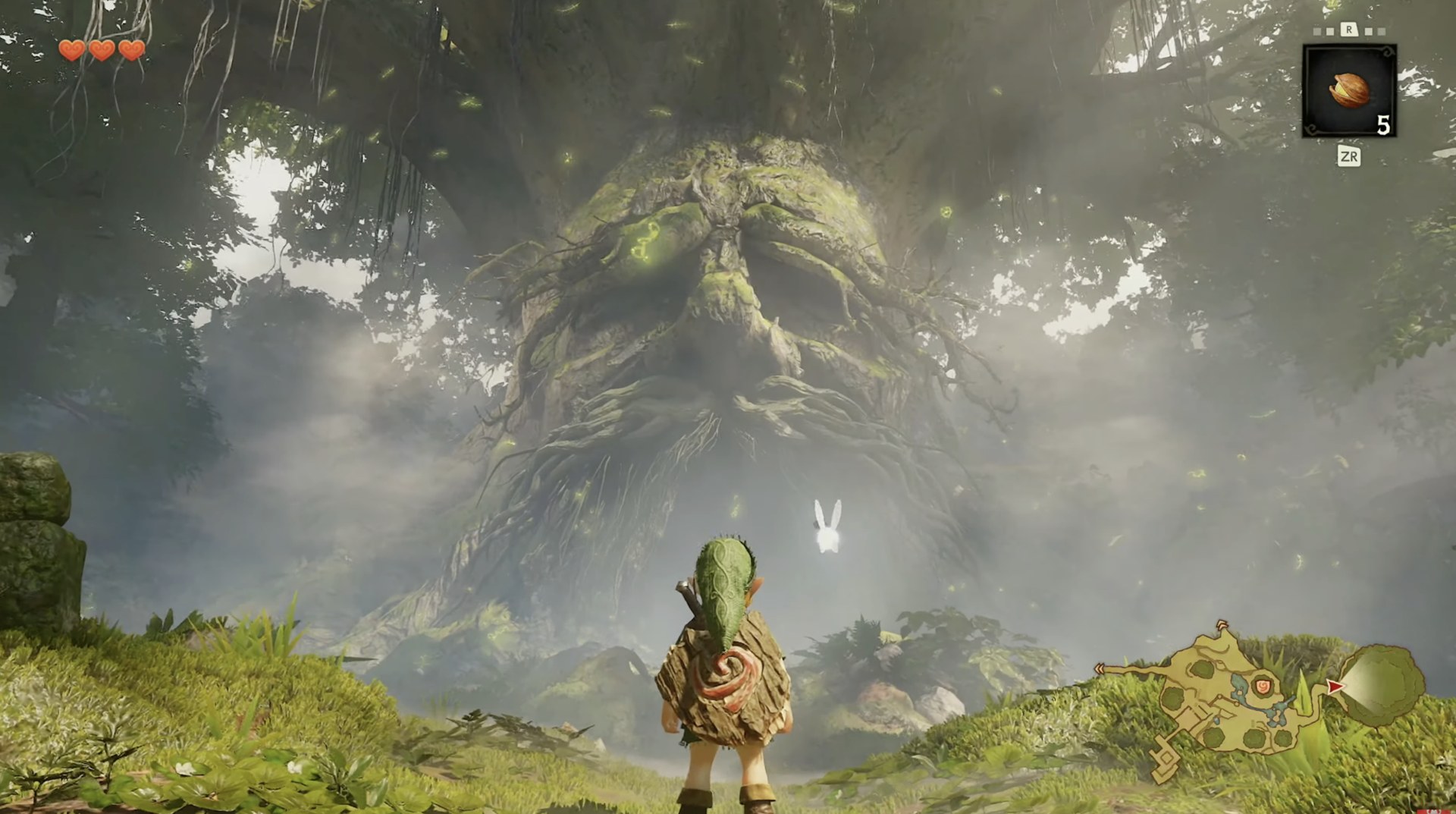
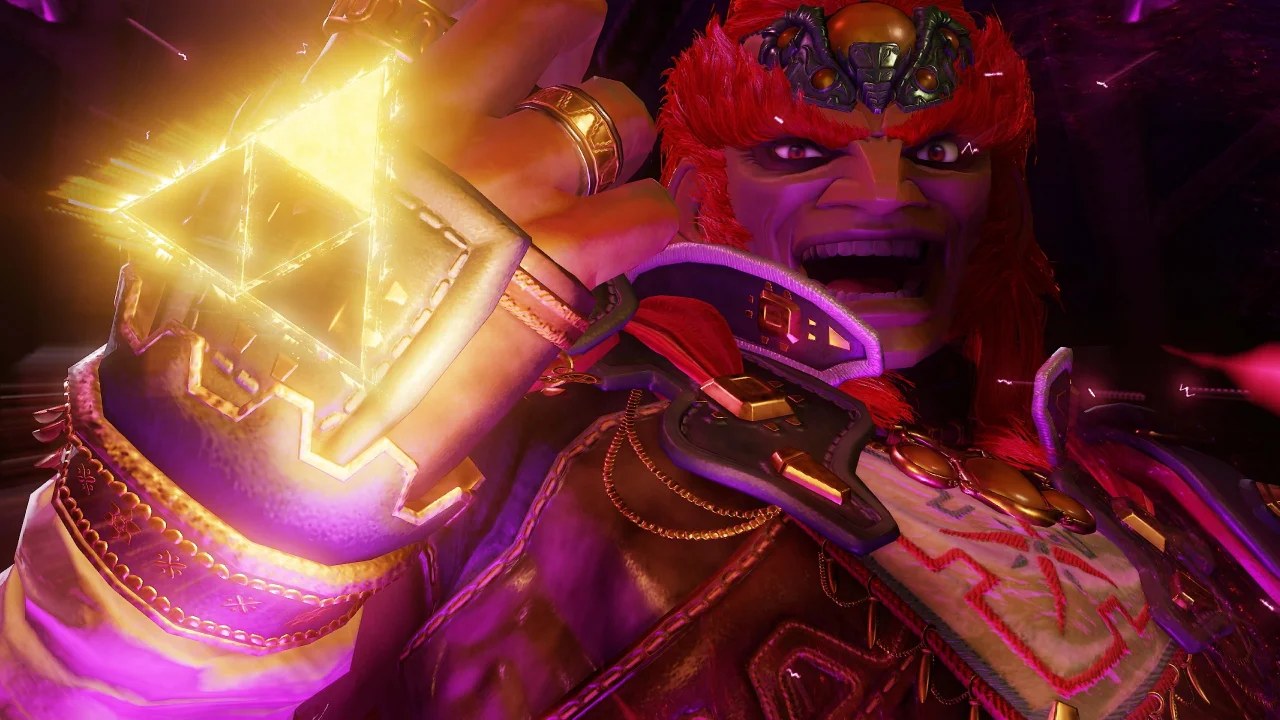
The setup has not changed, because it never needed to. A boy named Link, raised among the Kokiri in the forest, is summoned by the Great Deku Tree and sent out into a Hyrule he has never seen, carrying a warning about a Gerudo king named Ganondorf who is scheming to seize the Triforce. Alongside the fairy Navi and a young Princess Zelda, Link gathers the three Spiritual Stones, draws the Master Sword — and wakes seven years later in a ruined kingdom, an adult in a world Ganondorf has already conquered. The two-era structure, child and adult, light and shadow, remains one of the most elegant designs in the medium, and the remake wisely keeps the story's bones exactly where they were while expanding its telling with new and extended cutscenes, additional dialogue for Hyrule's people, and full voice acting that gives Zelda, Ganondorf and the Sages a dramatic weight the N64 could only imply.
What has changed is everything around that skeleton. The remake runs at a stable 60 frames per second — triple the N64 original's roughly 20 — with completely overhauled visuals, a symphonic orchestral score built from Koji Kondo's themes, a free camera, and a suite of quality-of-life changes including sprinting, faster swimming, motion-control aiming and, at last, a proper jump button in place of the old automatic leap. It is priced at $59.99 digitally and $69.99 physically, supports the Zelda Notes companion service in the Nintendo Switch app, and the market has already delivered its own review: more than 5.2 million copies sold in the first four days, the fastest start for any Nintendo-published Switch 2 game, including 810,000 in Japan alone.
The result is a game that now sits in The Game Awards 2026 field as a Game of the Year nominee, alongside nominations for Best Art Direction, Best Score and Music, and Best Action/Adventure — an almost unheard-of position for a remake, and the argument over whether a remake belongs there is itself a tribute to how completely this one succeeds. Whether you played the original in 1998, met it through the 2011 3DS version, or are arriving fresh from Breath of the Wild and Tears of the Kingdom, this is the Ocarina of Time to play. The sections below break down why.
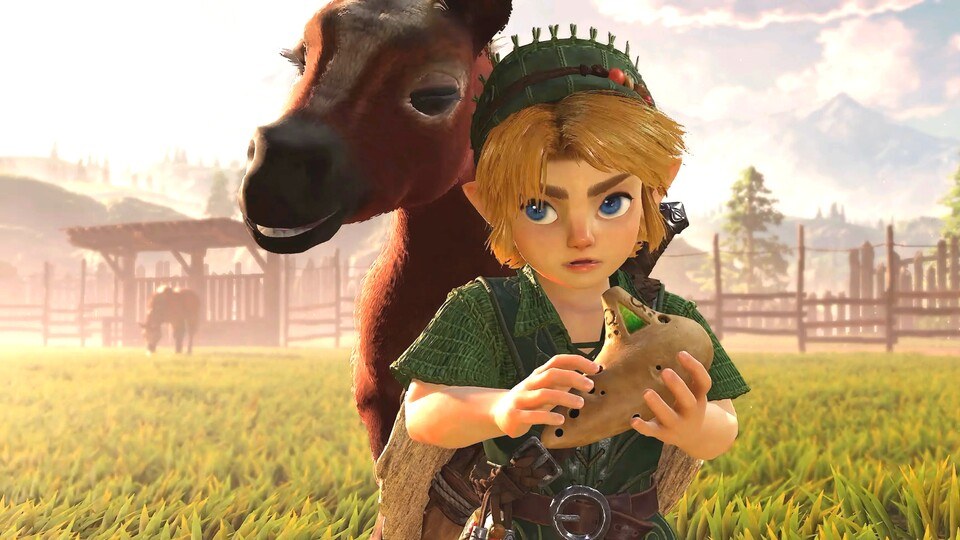
Nintendo did not just remake the greatest game ever made — it reminded us why it earned that name.
A Puppet-Show Hyrule You Can Reach Out and Touch
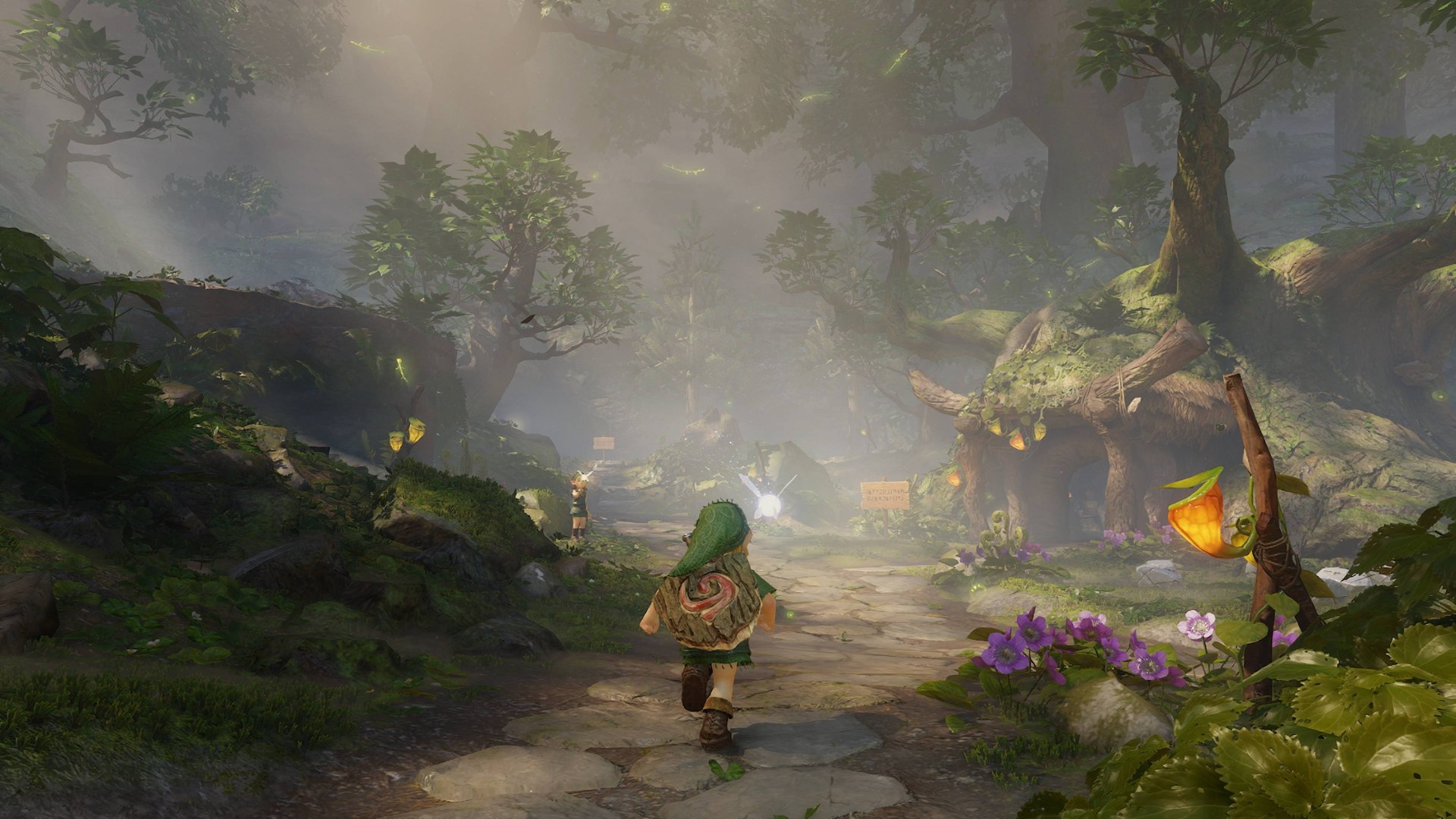
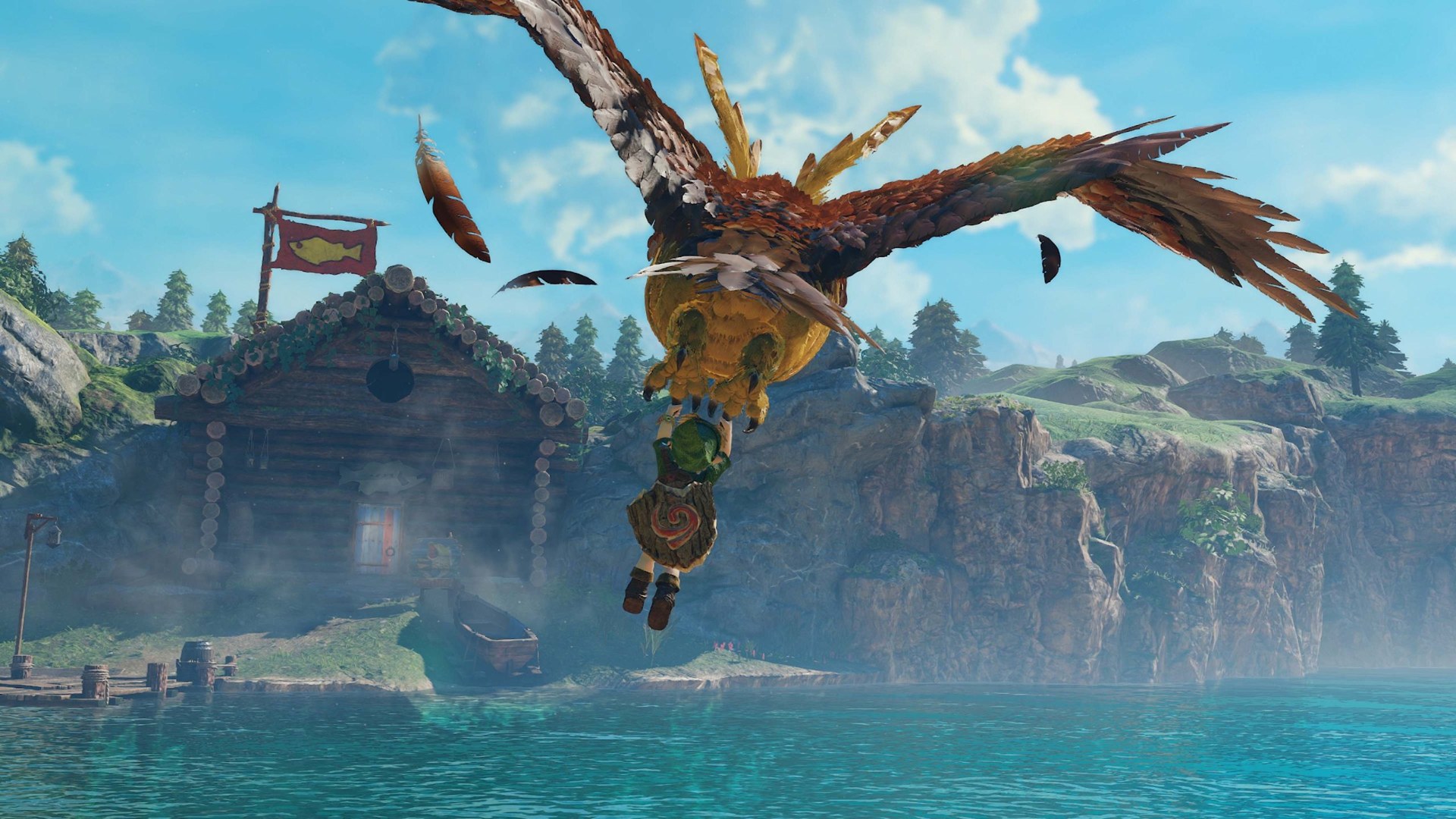
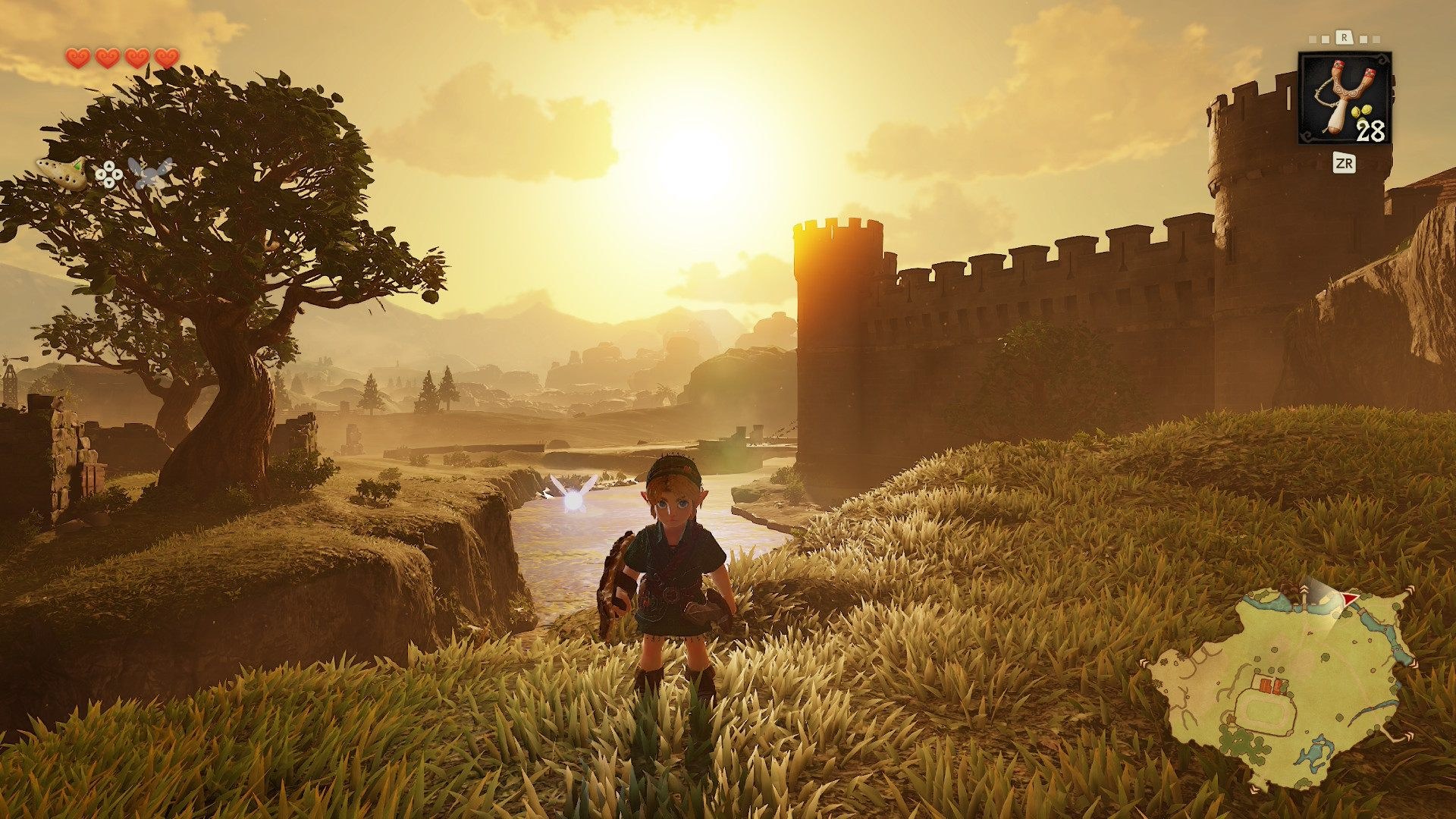
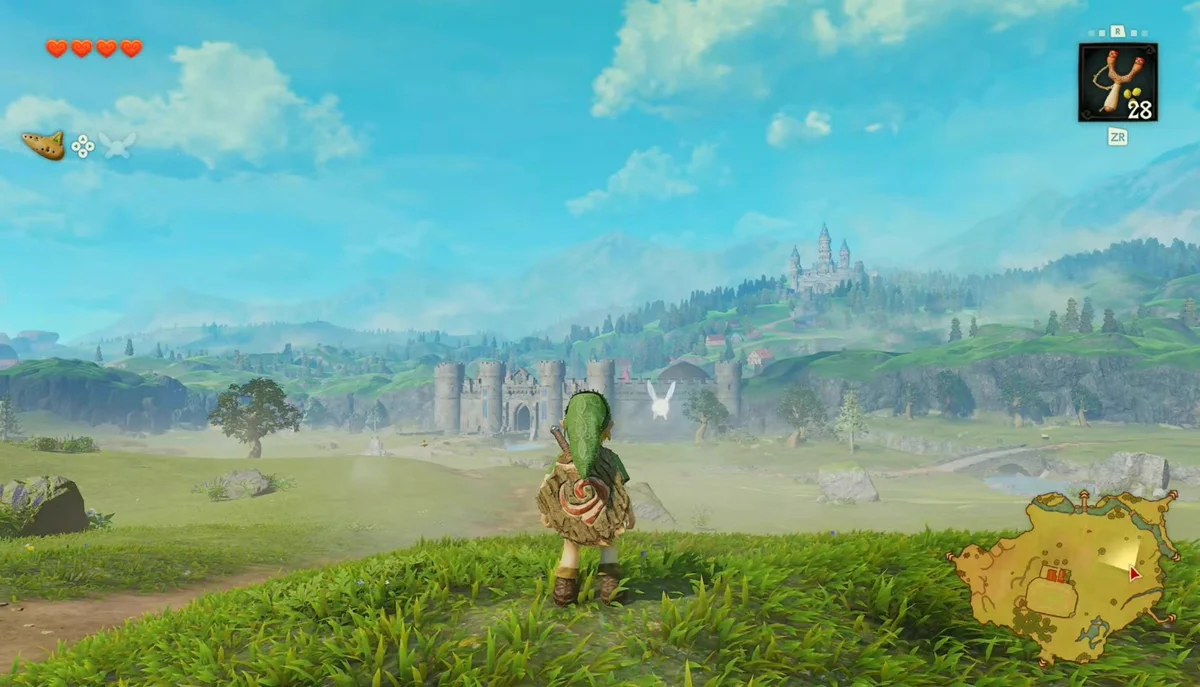
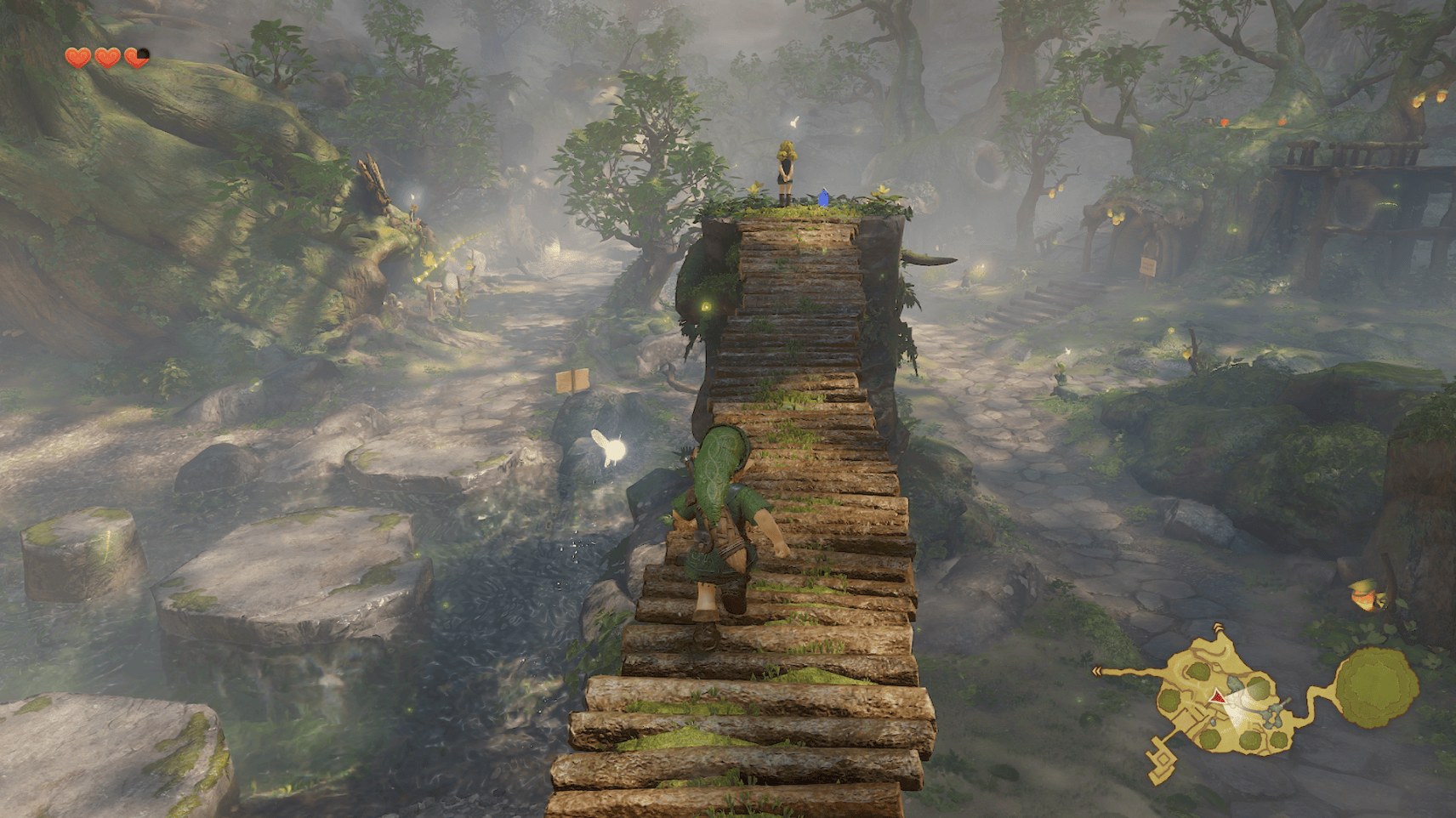
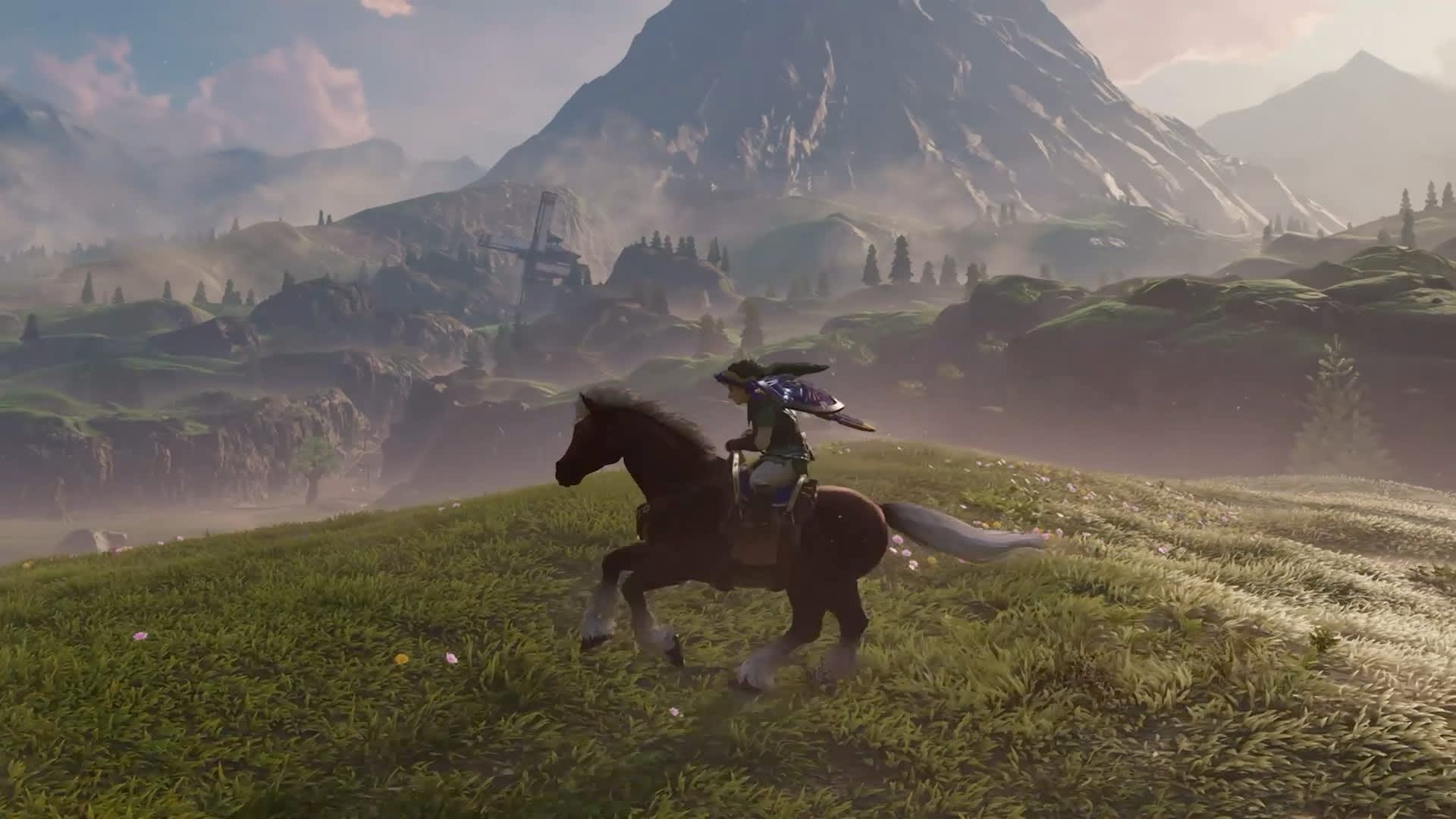
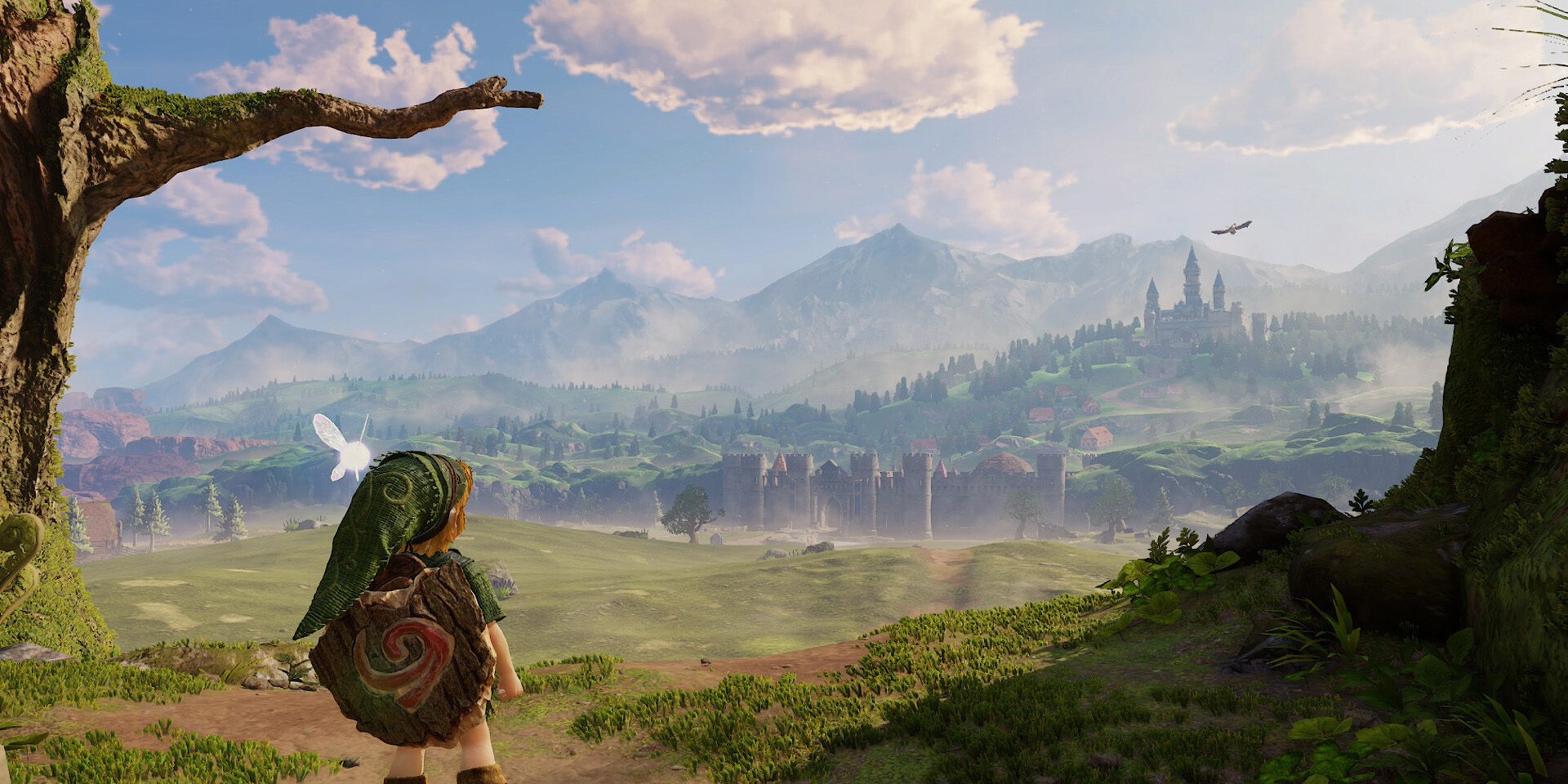
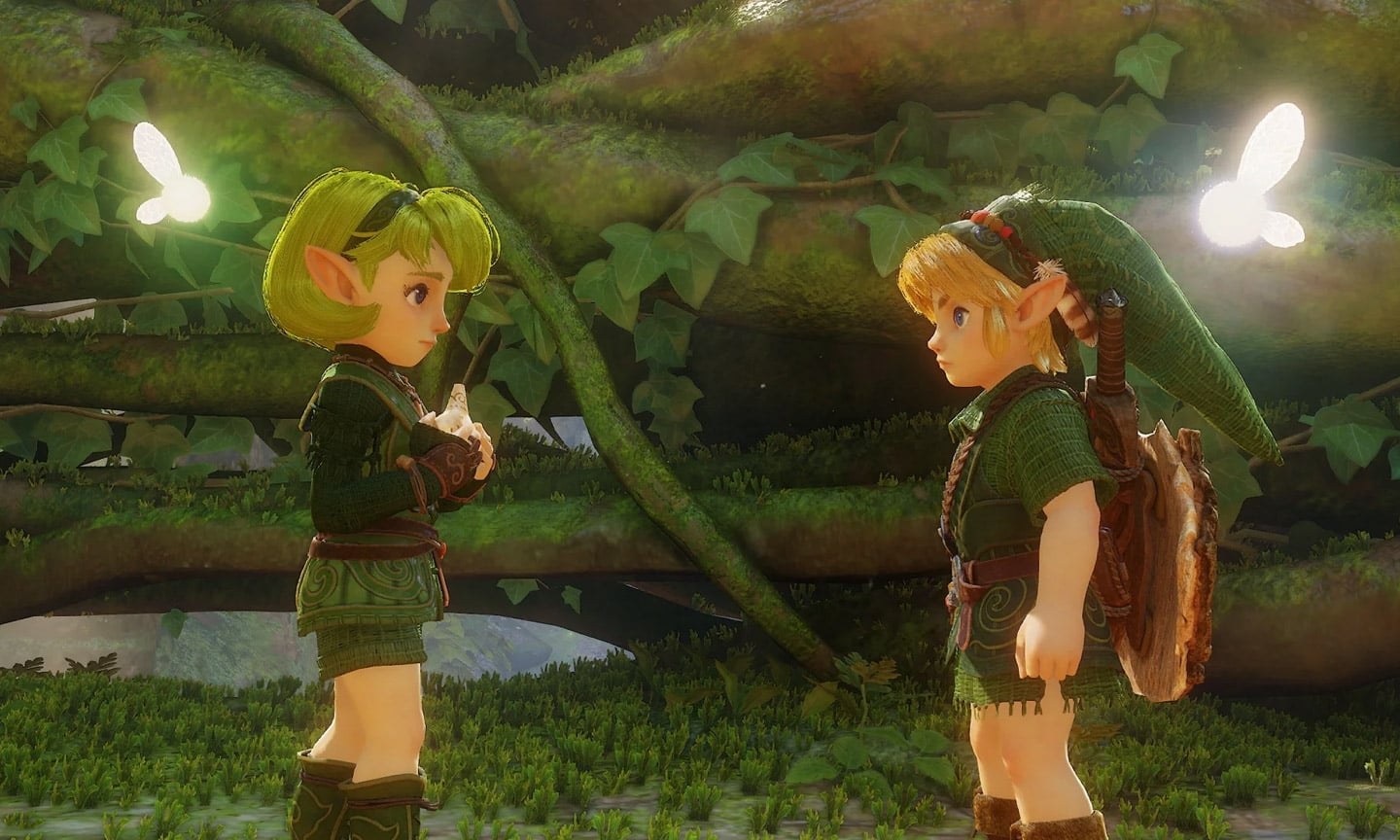
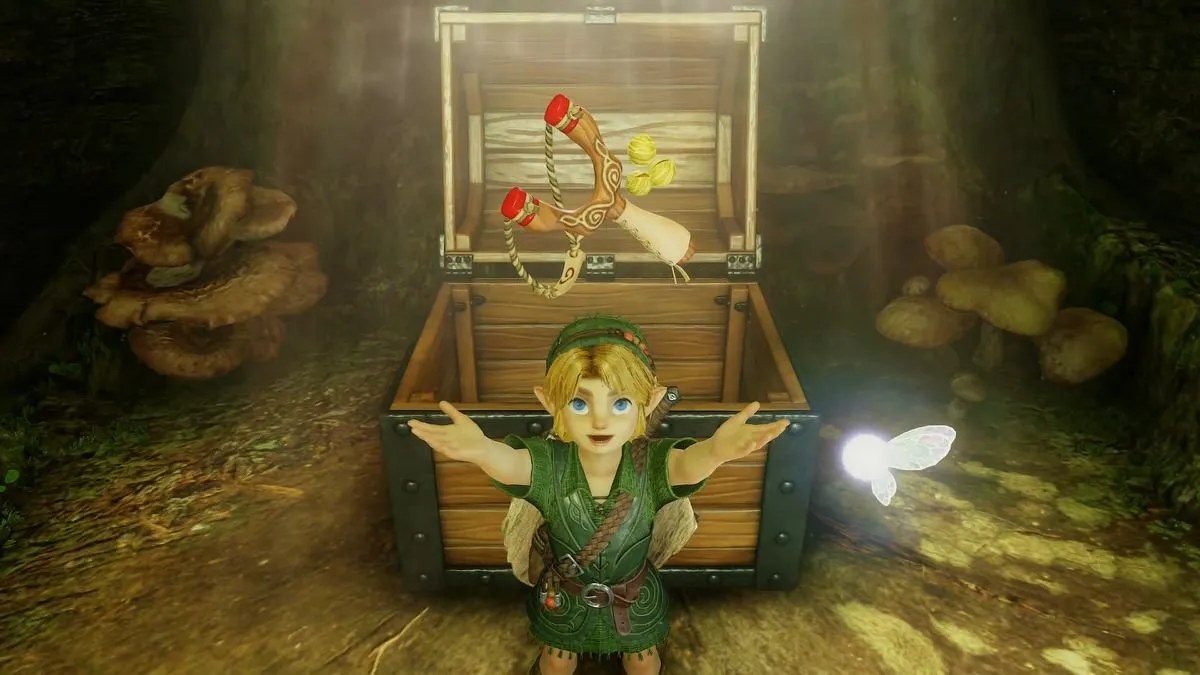
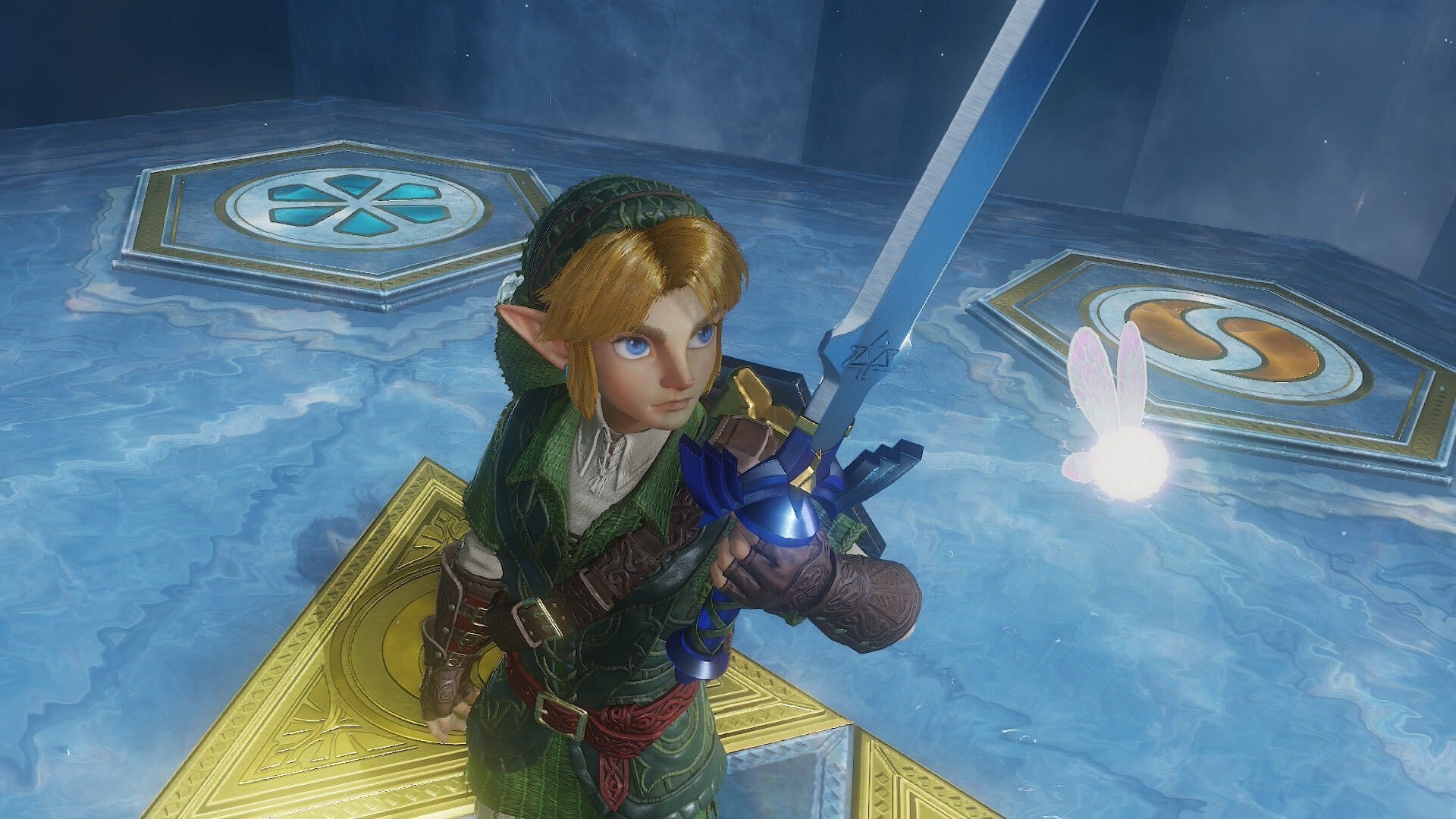
The boldest decision in the remake is its look, and it was divisive from the June 2026 reveal: instead of chasing photorealism, art director Aya Shida and the team built Hyrule with what they describe as a puppet-show feel, drawing on practical-effects films and hand-made textures — fabric studied and stitched thread by thread, wood that looks carved, faces with the soft, doll-like presence of figures in a staged retelling of an old legend. In motion, the gamble pays off completely. Kokiri Forest glows with mist and fireflies, Hyrule Field rolls out toward a castle you can read from miles away, and Death Mountain hangs over the horizon like a painted backdrop that happens to be real. It solves the central problem of remaking a 1998 game — our memories of it were always more vivid than its polygons — by rebuilding the world the way it felt, rather than the way it literally looked. Some purists will still grumble, but as a piece of art direction it is coherent, confident and frequently breathtaking, and it fully deserves its Game Awards nomination.
The Story, Voiced at Last
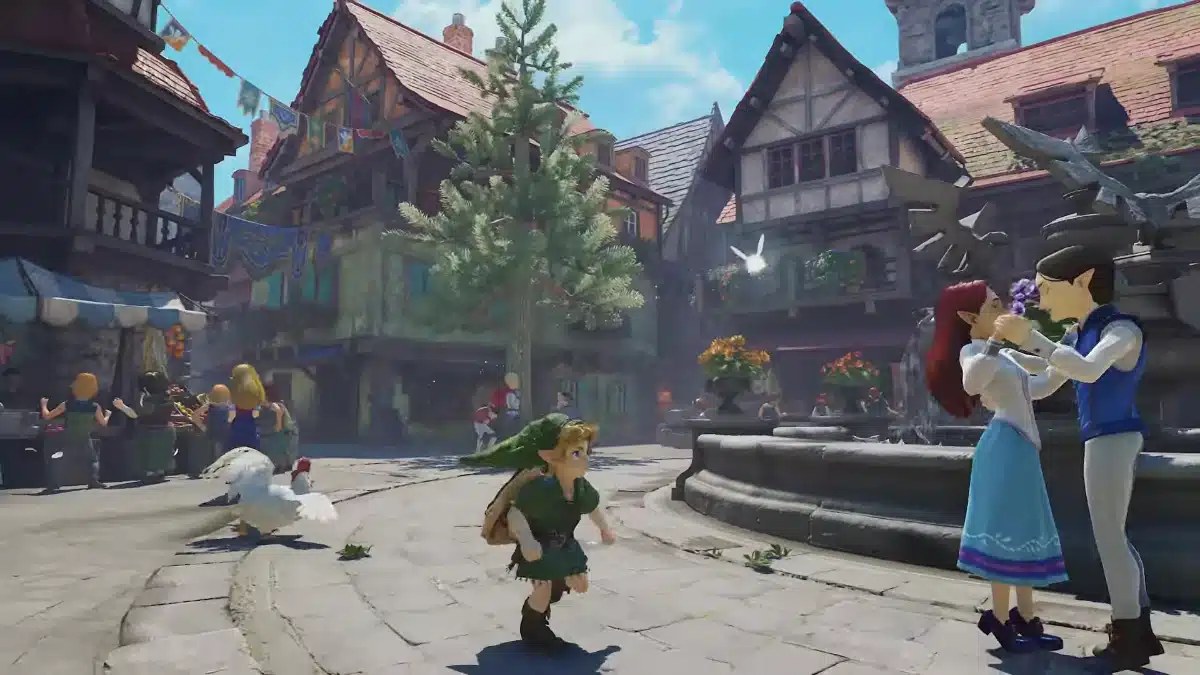
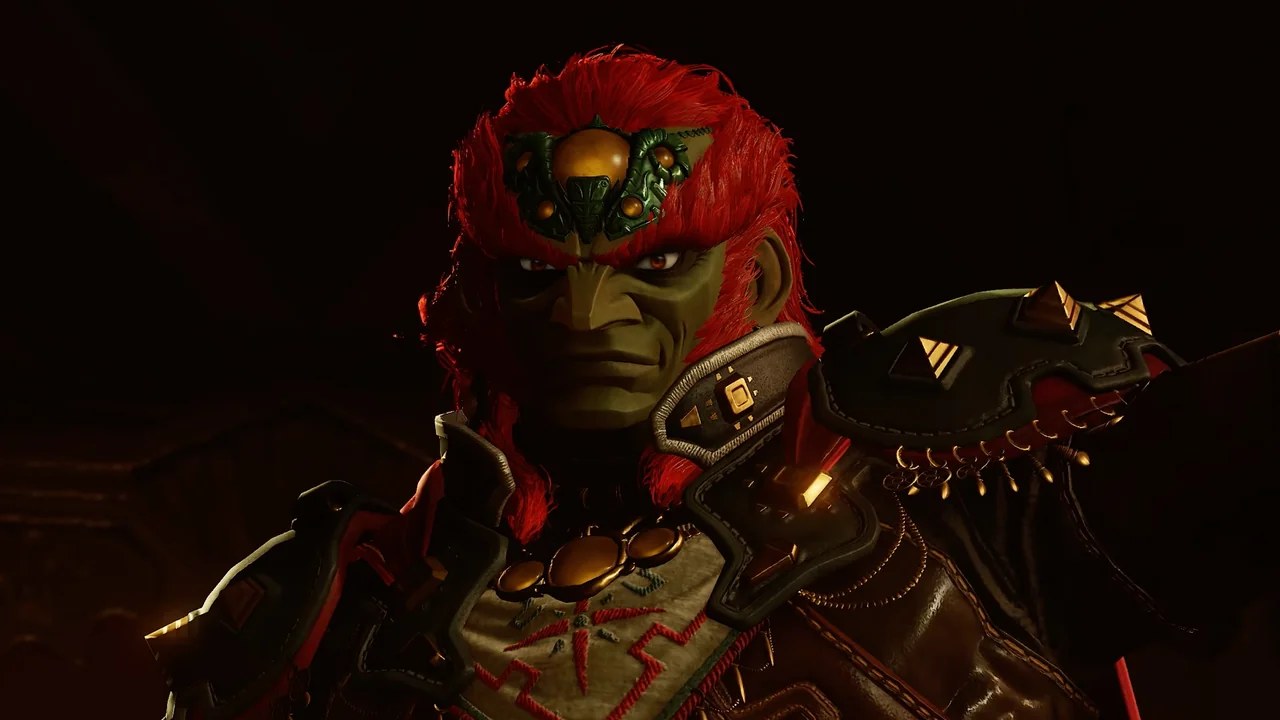
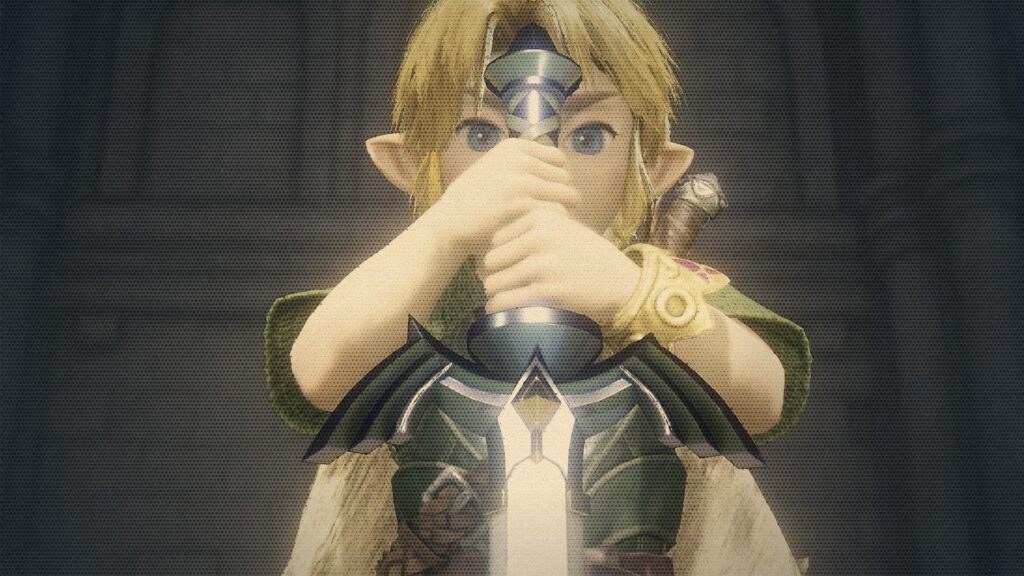
Ocarina of Time was always a fairy tale about time stealing childhood, but the N64 told it in text boxes and mime. The remake's expanded, fully voiced cutscenes change the temperature of scene after scene. Ganondorf's menace lands differently when it is performed rather than printed; Zelda's guilt and resolve carry further; and the moment Link draws the Master Sword and is sealed away for seven years — expanded here with new material — hits with the gravity of a genuine tragedy, because the game has spent hours making child Link's small, bright world feel worth losing. Link himself remains silent, which is the right call, and Navi's guidance is mercifully easier to tune out than her reputation suggests. The added dialogue threaded through Castle Town, the villages and the ranches makes Hyrule feel inhabited rather than staged, and the new Threads of Time recap on the pause screen keeps the thread of the plot clear if you return after a break. It is the same story, beat for beat — it simply speaks now, and it speaks well.
Movement and Combat, Rebuilt for 2026
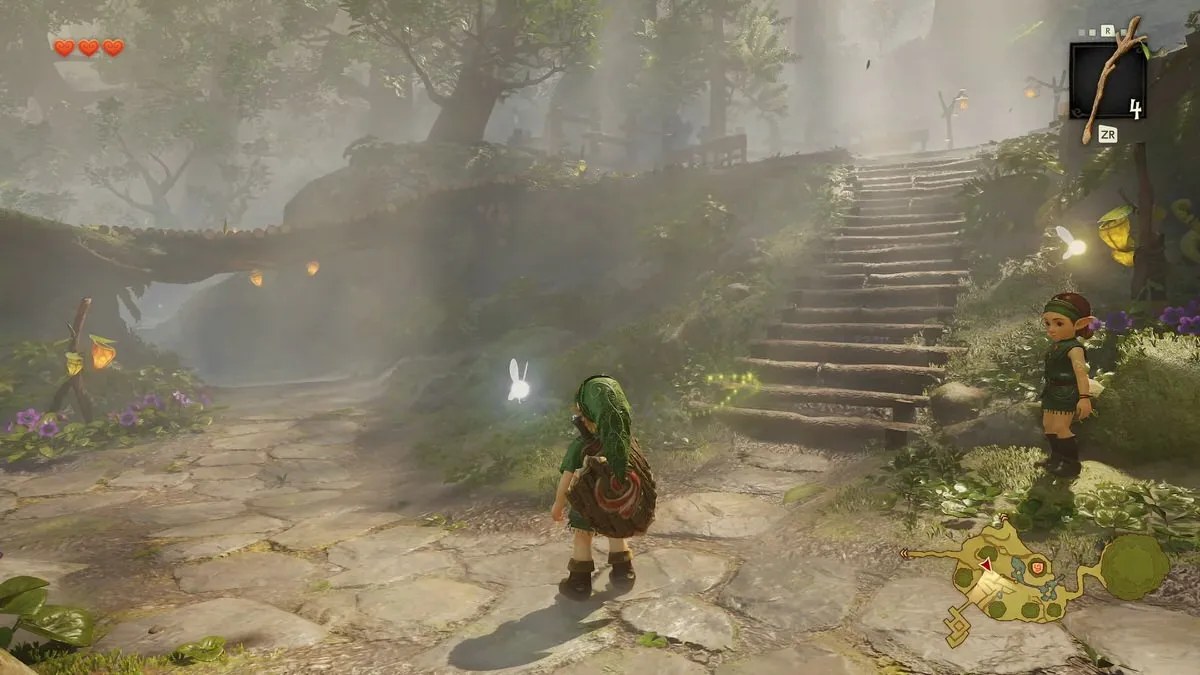
If the visuals are the remake's face, the controls are its handshake, and they transform the minute-to-minute feel. The original's automatic jumps have been replaced with a dedicated jump button, rolling flows into a proper sprint, swimming is faster and less punishing, and the free camera — full control at last — quietly fixes decades of wrestling with 1998 sightlines. Motion aiming makes the Fairy Slingshot, the bow and the Hookshot feel precise rather than quaint, and item handling has been modernised, with quick scrolling between tools in the spirit of Breath of the Wild and key equipment mapped for fast access. Combat itself keeps the original's lock-on fencing at its heart, which is correct — Z-targeting was this game's gift to the medium — but everything around it is snappier: hit reactions are clearer, enemy tells are easier to read at 60 frames per second, and the once-clunky Iron Boots dance in the Water Temple has been smoothed into something closer to a fair fight with the building. Veterans will find the game a touch easier than memory insists it was; that is mostly the controls no longer fighting back.
Dungeons That Still Set the Standard
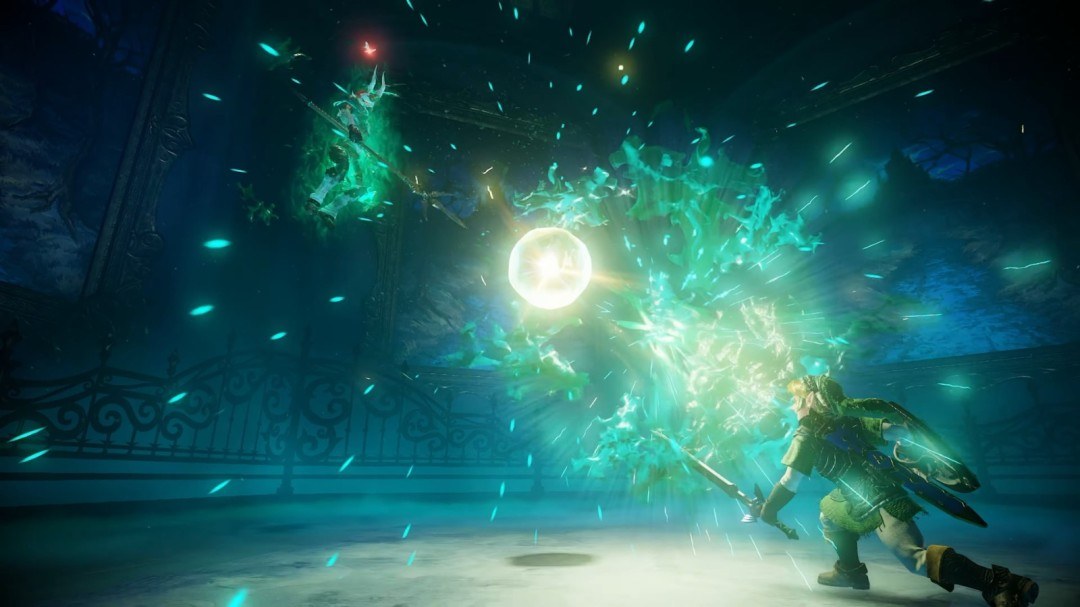
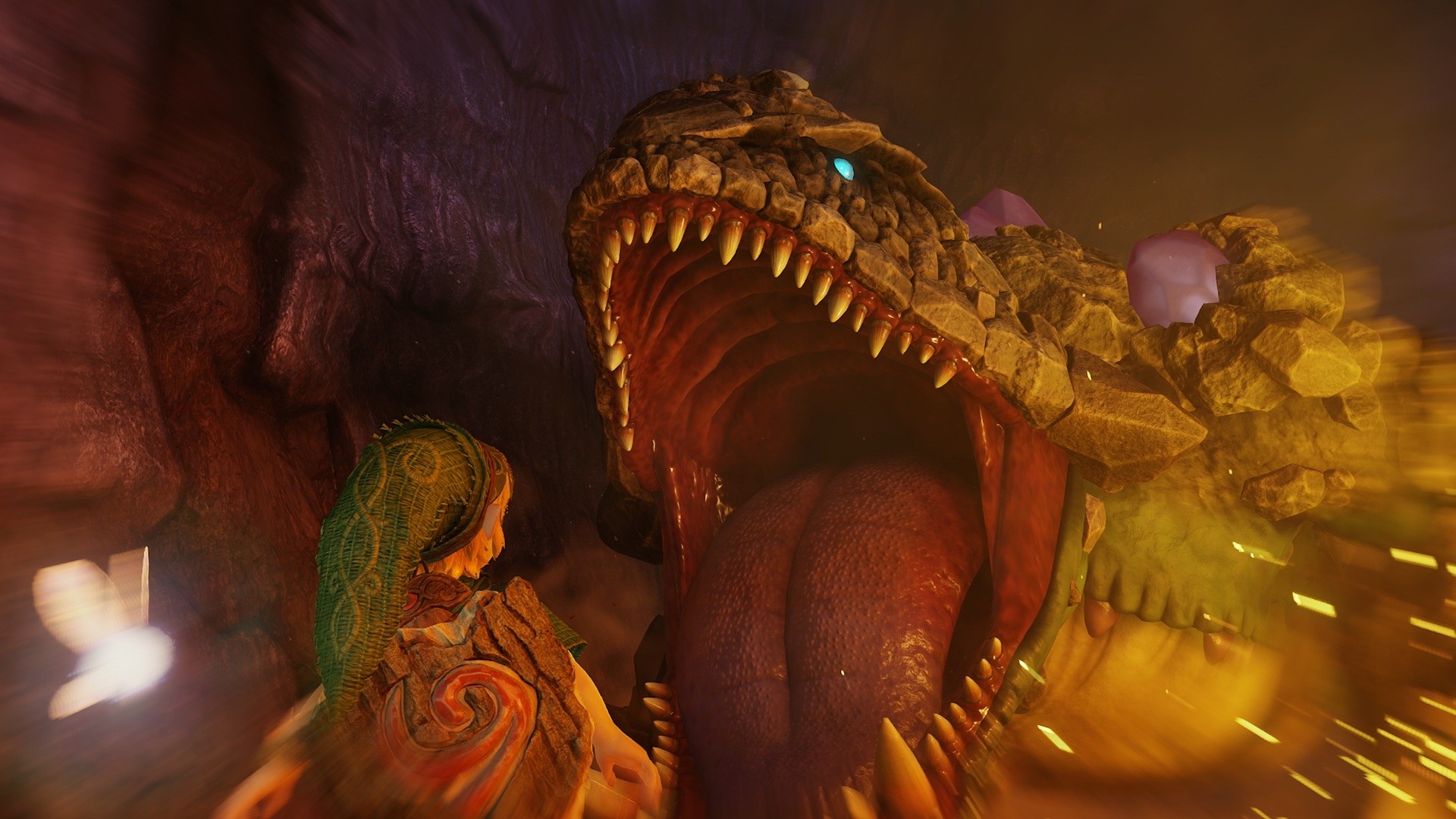
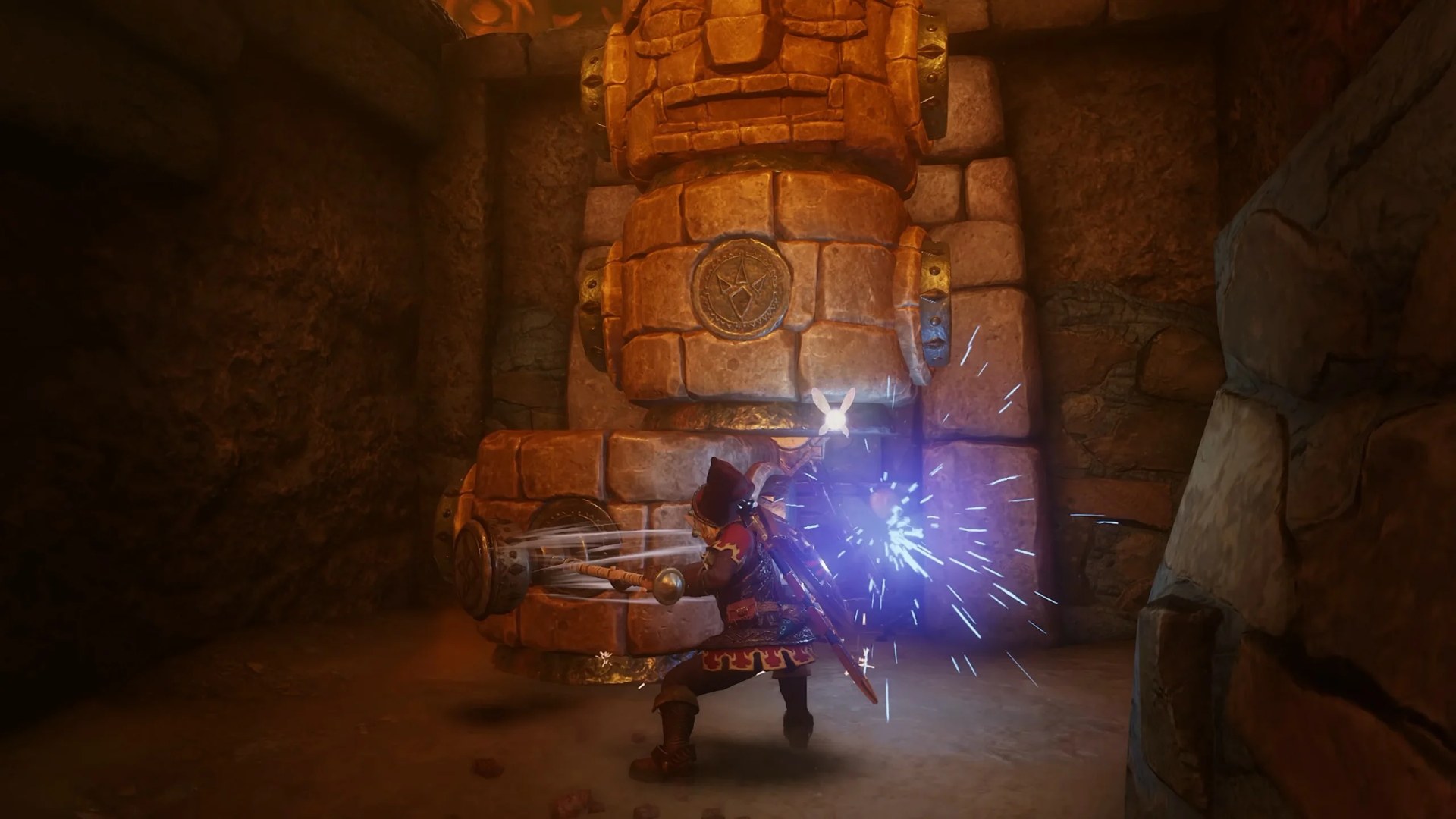
Strip away the presentation and the remake stands or falls on the dungeons, and they remain, quite simply, a masterclass that most modern games still study. Inside the Great Deku Tree teaches a complete design language in twenty minutes. The Forest Temple twists space and mood like nothing else of its era. The Fire and Shadow Temples still generate real dread, and the Spirit Temple's mirroring of the child and adult timelines is storytelling through level design of the highest order. The infamous Water Temple has been sensibly clarified — its layout logic and boot-swapping friction addressed — without sanding off its identity as the game's great labyrinth. Bosses benefit enormously from the new presentation and frame rate: King Dodongo, Volvagia, Phantom Ganon and the twin witches Twinrova all read as the set pieces they were always meant to be, and the final confrontation with Ganondorf, and what follows it, is staged with a scale and orchestral force the N64 could only gesture toward. A Hall of Fallen Foes addition even lets you revisit boss encounters as timed rematches, a small but welcome nod to players who want to live in these fights a little longer.
An Orchestral Score — and an Ocarina in Your Hands
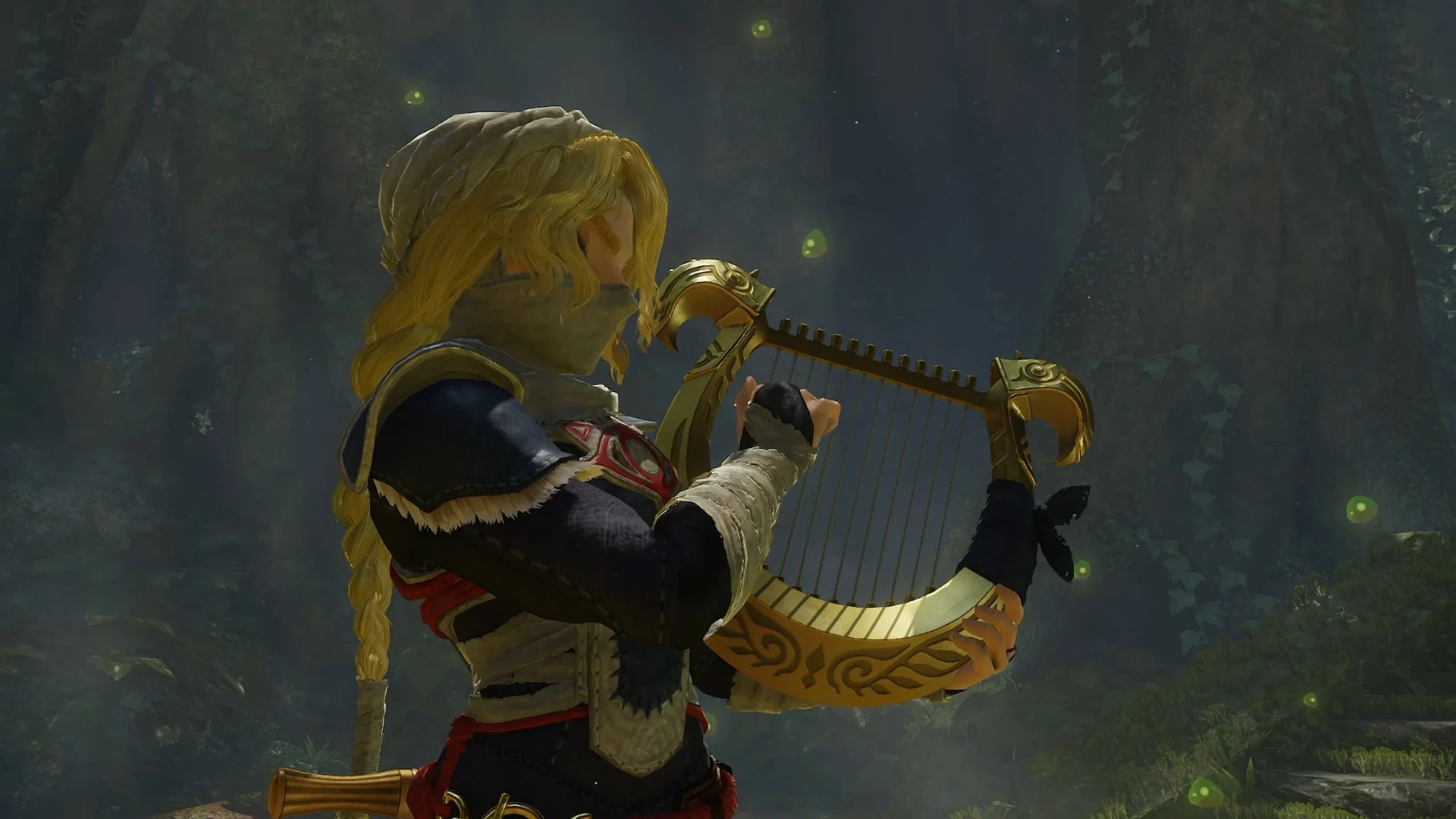
Koji Kondo's original music is not background in Ocarina of Time; it is machinery. Zelda's Lullaby opens doors, the Sun's Song turns night to day, the Song of Time moves the world itself. The remake expands the soundtrack to more than 150 pieces, newly recorded with a live orchestra under Kondo's supervision, including fresh compositions for the added cutscenes, and the famous melodies have never sounded richer — the title theme and the Hyrule Field arrangement alone justify good headphones. Then Nintendo adds its most charming hardware trick: using the Switch 2 microphone, you can hum, sing or actually play the ocarina melodies and have Link perform them in-game, a feature producer Eiji Aonuma demonstrated himself. It is a gimmick, technically. It is also the kind of gimmick that makes a room full of adults grin, and it turns the game's central instrument into something you genuinely hold in your hands. Through Zelda Notes, the companion service in the Nintendo Switch app, the music and world follow you off the console too, with daily records, location-hunting Gossip Quests, a playable phone ocarina and a quiz bank of more than 2,000 questions.
Verdict: The Definitive Ocarina — and 2026's Game to Beat
Every remake is an argument about what a classic is for. Nintendo EPD's answer, developed since 2023 both to mark forty years of Zelda and to teach a younger generation of its own developers where the series' foundations lie, is that a classic is a living design — strong enough to survive new art, new voices, new controls and a new century of expectations, and sturdy enough that none of those additions need to apologise. The caveats are real but small: it is a faithful remake rather than a reimagining, so veterans will find few genuine surprises, the difficulty has softened in places, and if the puppet-diorama art style leaves you cold in screenshots it may never fully win you over. Against that stands everything else: 96 on Metacritic, the highest score of 2026; more than 5.2 million players in four days; a Game of the Year nomination to be settled on December 10; and, most importantly, hour after hour in which a 28-year-old adventure feels not preserved but alive. Ocarina of Time was the best game ever made in 1998. In 2026, impossibly, it is one of the best games of the year again — and this is now the version we would hand to anyone, of any age, without a single word of warning.