
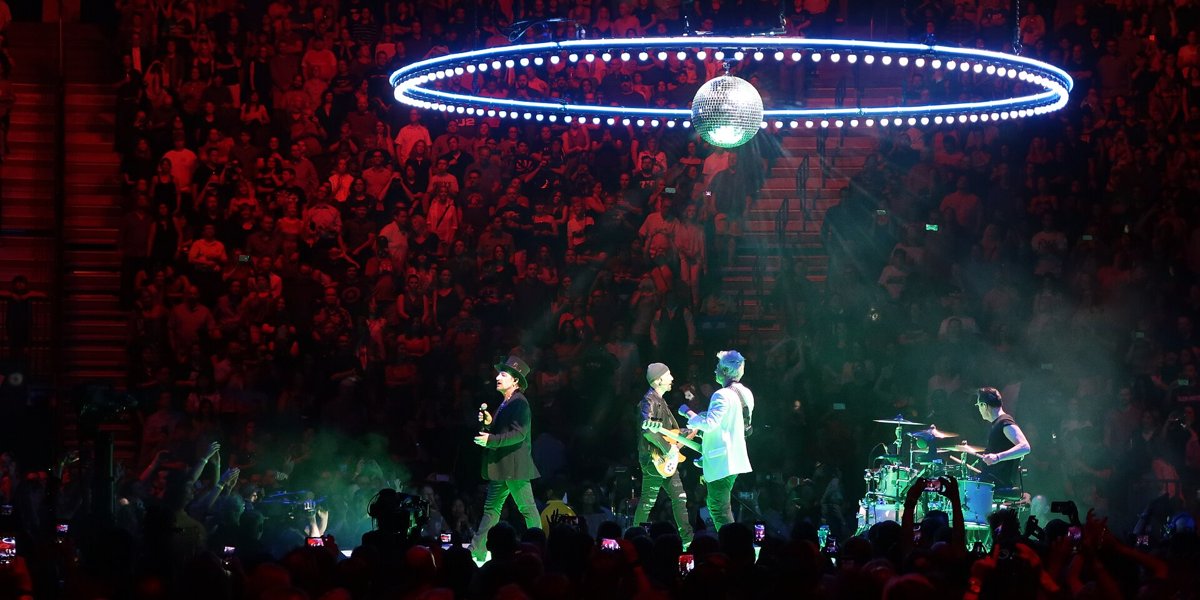
U2 have made their first album of new material in nine years, and 'Carnaval de Luz' — released November 13 through Island Records — is not the record most listeners would have predicted from them. The Irish band's 16th studio album, produced by Jacknife Lee, runs 12 songs and just over 47 minutes, and its defining quality is lightness: bright pop turns, a surf-punk jolt, a Spanish-language rocker, and a closing duet with Dolly Parton that now carries a weight nobody planned for. It debuted at No. 4 on the Billboard 200 this week with 49,000 equivalent album units — 42,500 of them outright sales — and at No. 1 in Australia. The numbers confirm the audience is still there. The album itself is the more interesting story.
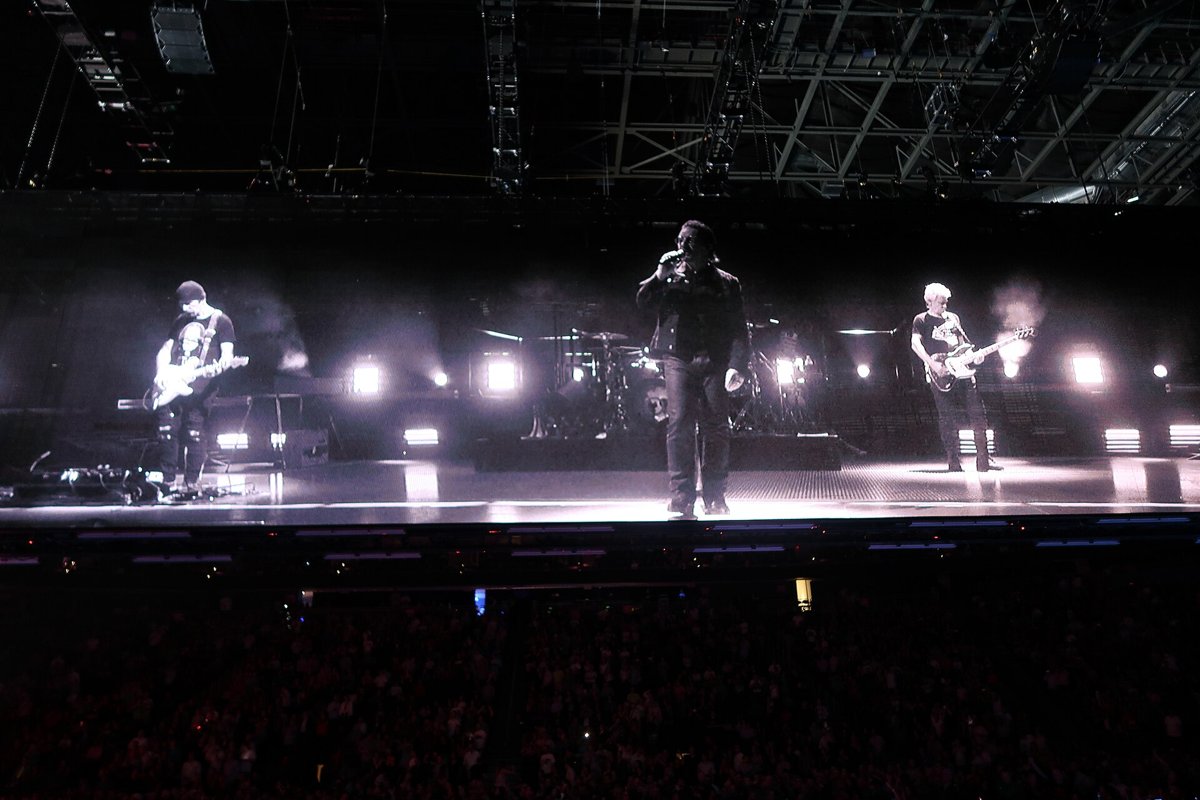
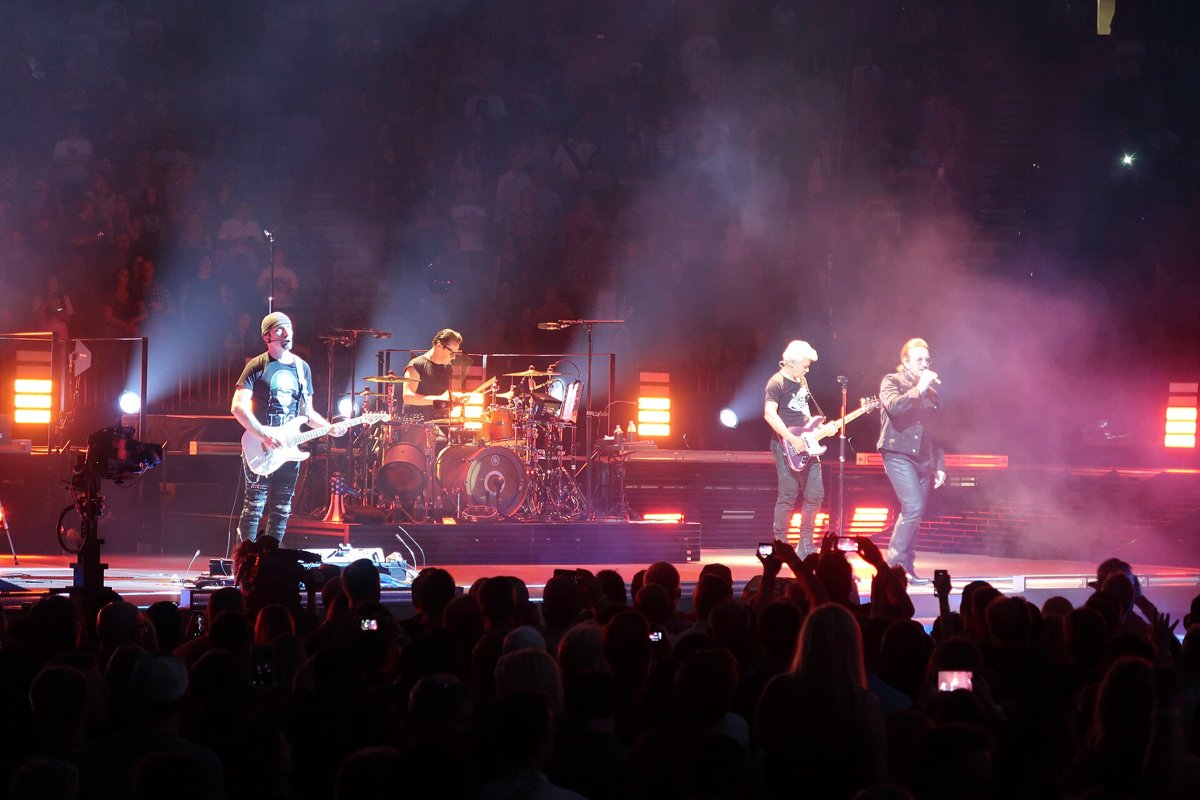
Context matters here. 'Carnaval de Luz' is U2's third release of 2026, following the 'Days of Ash' and 'Easter Lily' EPs in February and April, and the three were conceived as one arc shaped by the liturgical calendar: reflection first, celebration last. The band — Bono, The Edge, Adam Clayton and Larry Mullen Jr., together since a notice went up at a Dublin school in 1976 — have released 24 new songs in their 50th year. Where the EPs were the season of Lent, this album is the carnival before it, a title that translates as "Carnival of Light," and the sequencing plays it that way, opening fast and bright and saving its most reflective moments for the end.
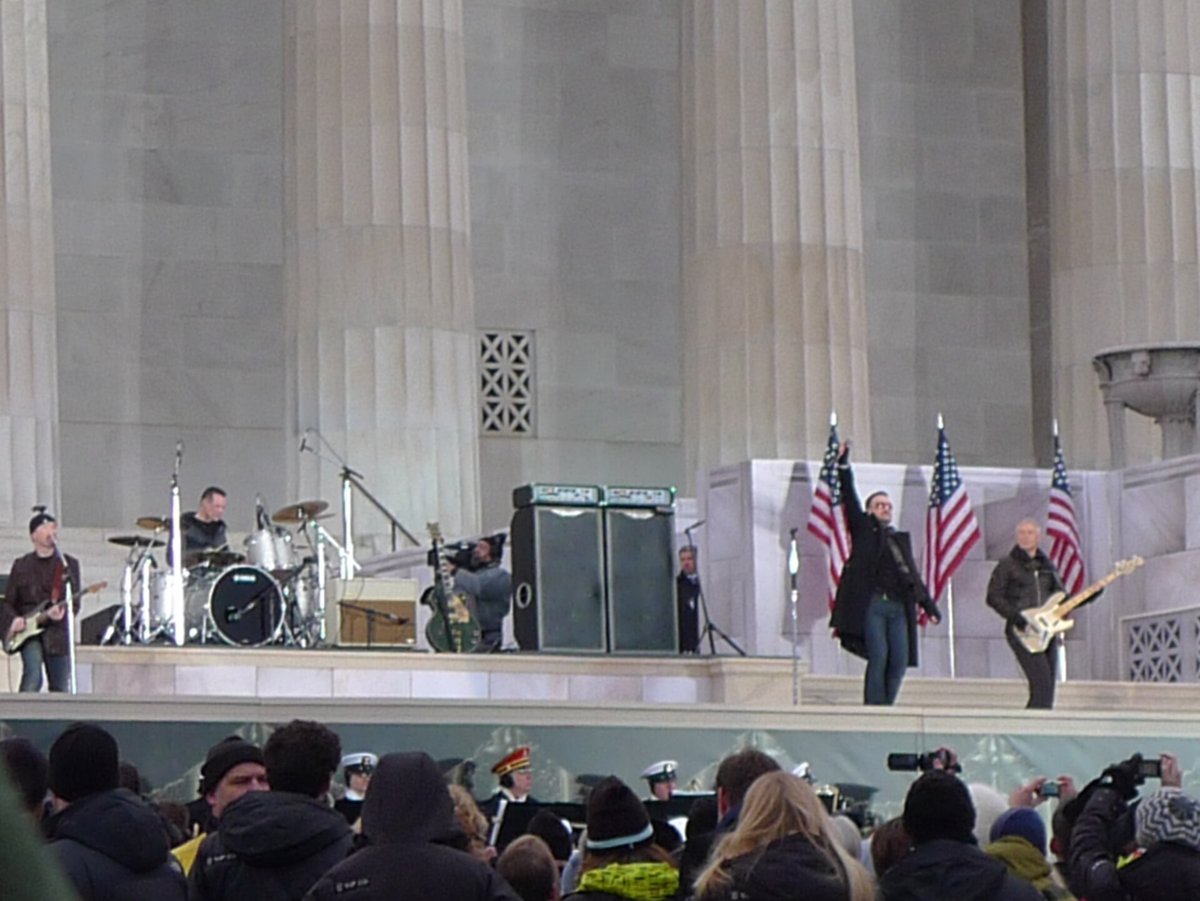
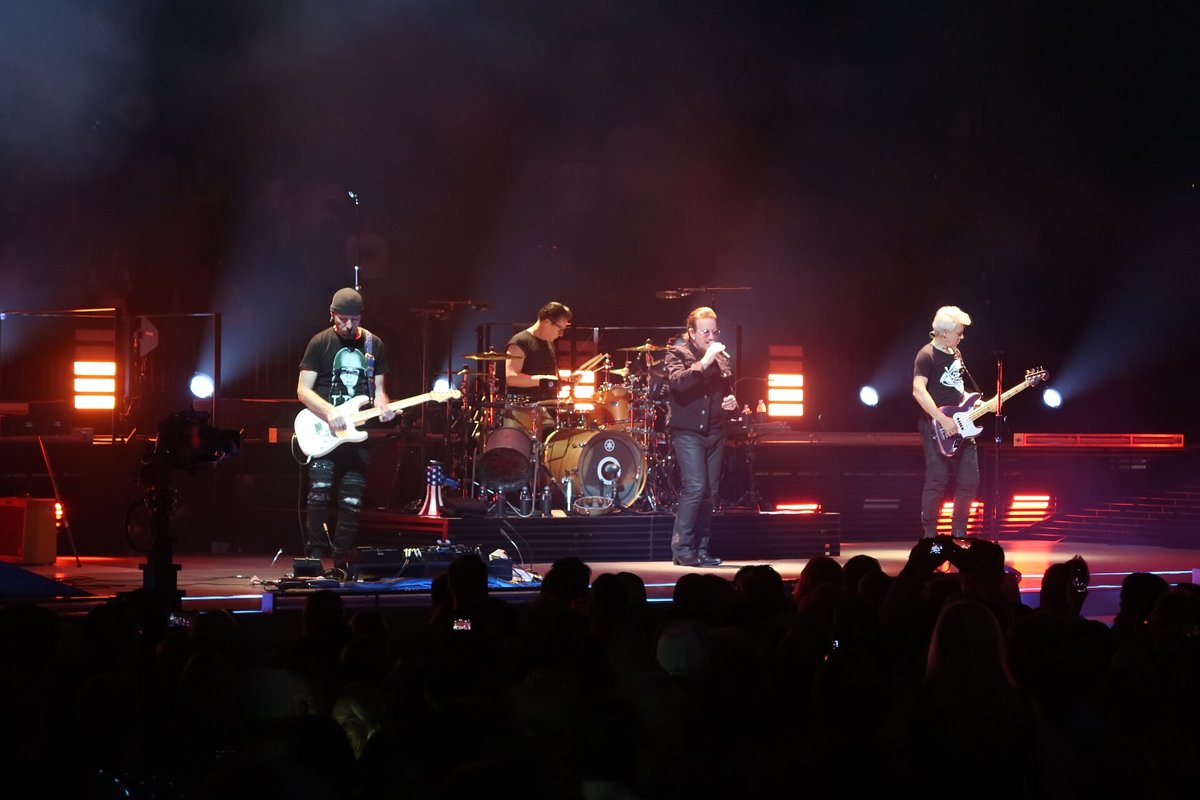
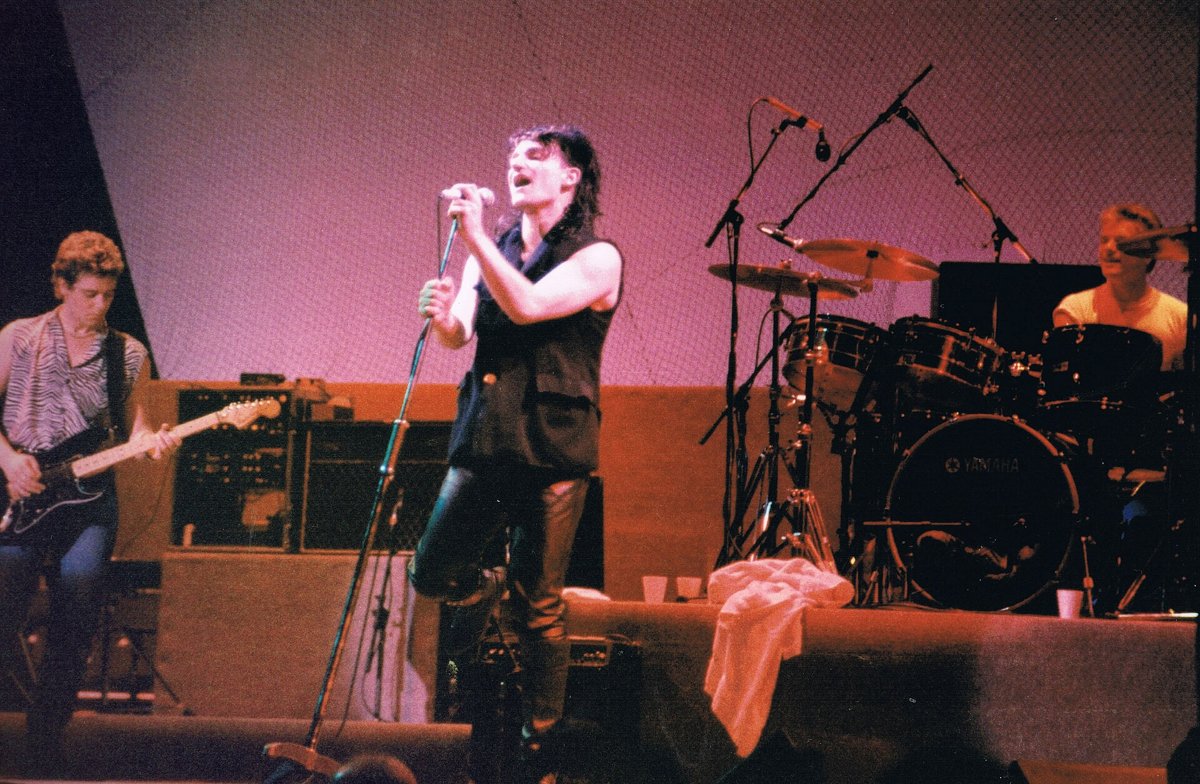
Fifty years in, U2 sound less interested in proving they still matter than in enjoying the fact that they are still together — and 'Carnaval de Luz' is better for it.
A Front Half That Moves
The opening run is the album's argument in miniature. "Go (Carnaval De Luz)" is over in two minutes and twenty-three seconds — a buzzing, electronic-edged opener co-written with Brian Eno that behaves like a curtain going up rather than a statement being made. "La Reina" loosens into the record's most purely pleasurable four minutes, and "Street of Dreams," one of three singles released ahead of the album, is the earnest anthem of the set, the song most recognisably in the band's stadium tradition. What is notable across these tracks is the economy. U2's recent decades were often criticised for songs that reached for significance at length; these reach for momentum instead, and the production — Jacknife Lee, with Eno's synthesizers woven through — keeps the arrangements open enough for the rhythm section to be heard enjoying itself. Larry Mullen Jr.'s return to the kit after the health problems that kept him from the band's Sphere residency is not a footnote here; the drumming is the album's engine.
The Middle: Experiments, Some Even
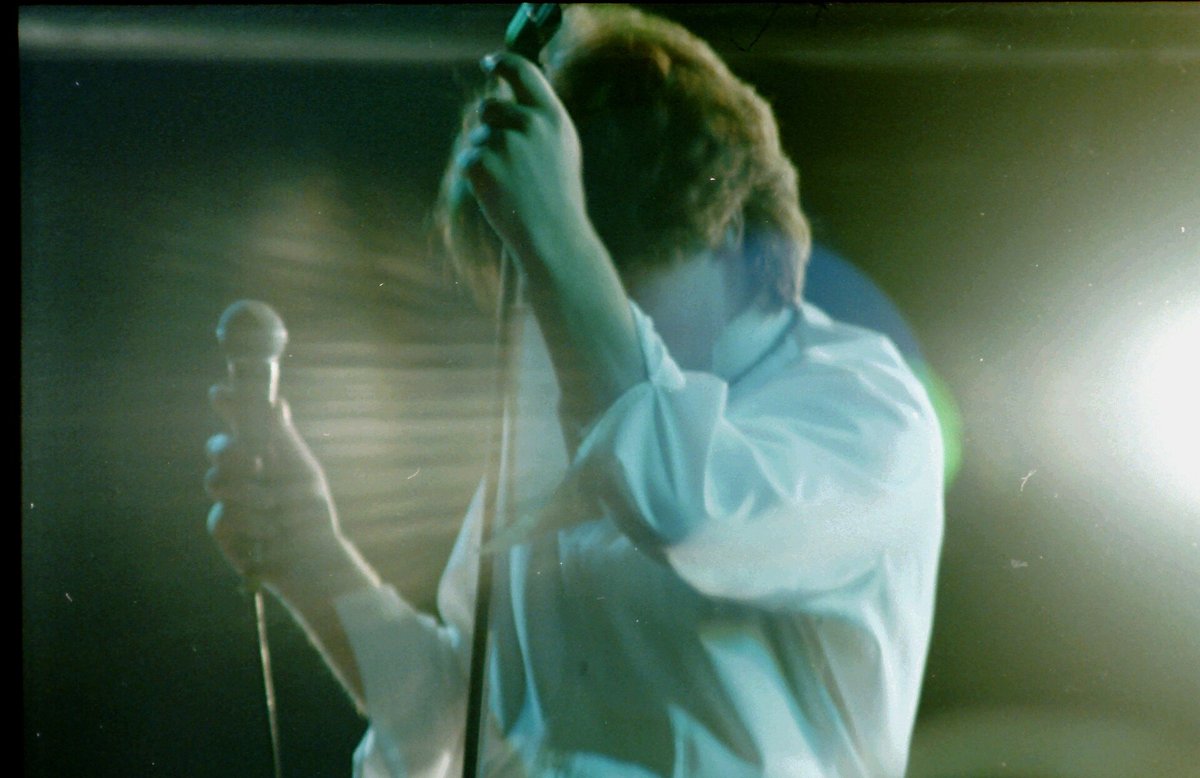
The centre of the album is where it takes its chances, and where it is most uneven. "The Mirror Maker (Rosalía)" builds an ode to a new generation around the Catalan singer — not a guest vocal but a subject — and it is among the most curious things here, a band in its sixth decade writing admiringly about an artist half its age rather than competing with her. "Superficiality" works a glam edge; "If the World Is at War We Better Not Be," the shortest and quietest track, functions as a hinge into "Silencio," a two-and-a-half-minute surf-punk sprint with additional production from Ryan Tedder that is the album's genuine shock — U2 playing fast and slightly recklessly, on purpose. Not every experiment lands at the same level, and a few lyrical gestures reach for a universality the music does not quite support. But the willingness to be brief, odd and playful is itself the point, and it is what separates this record from the heavier self-importance of the band's 2010s output.
The Closing Stretch — and 'Torn'
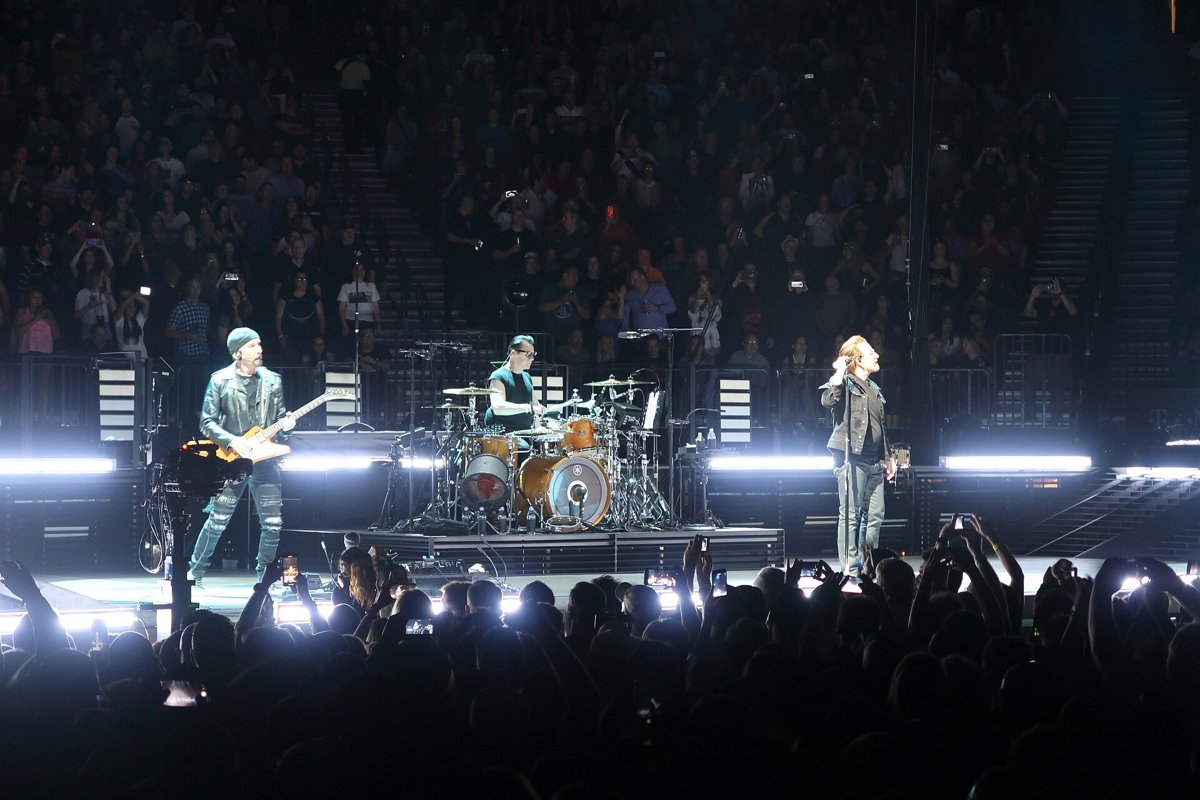
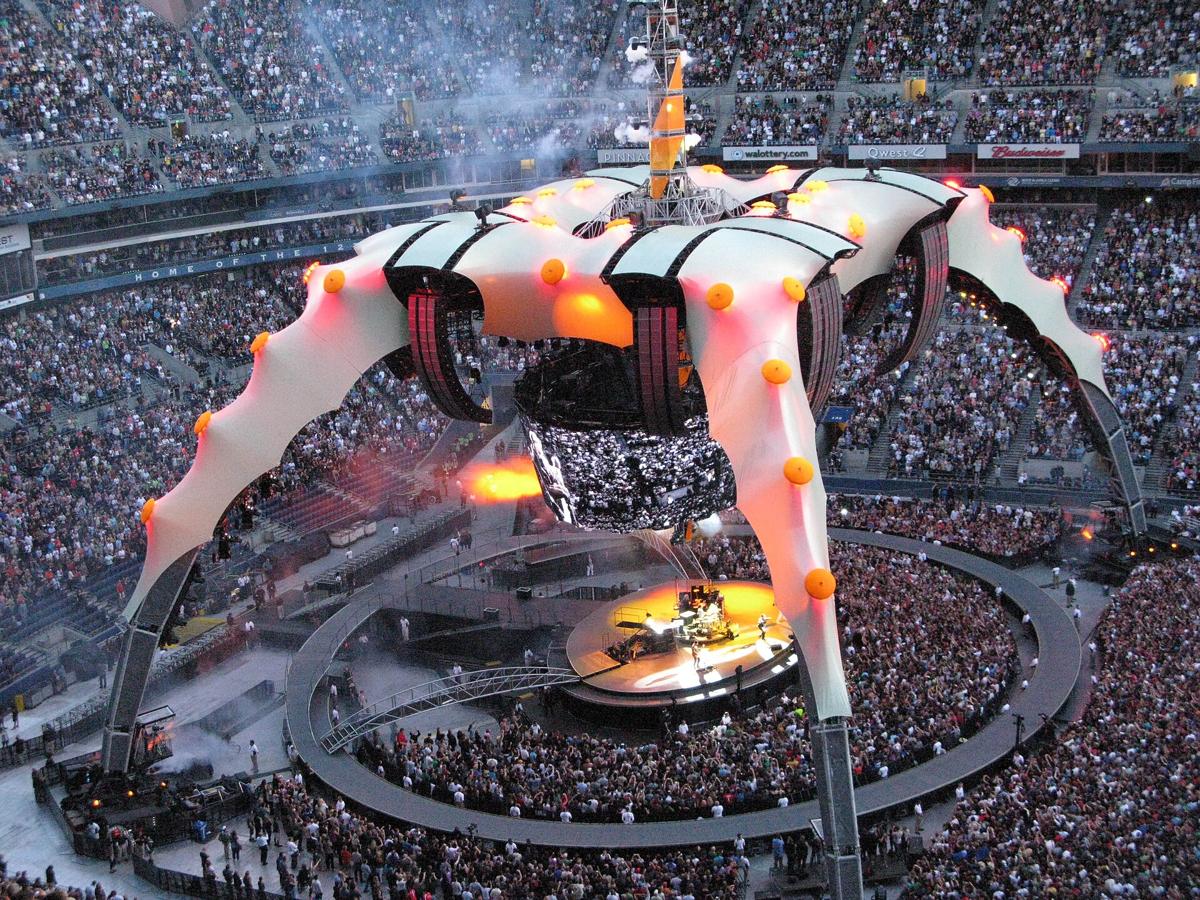
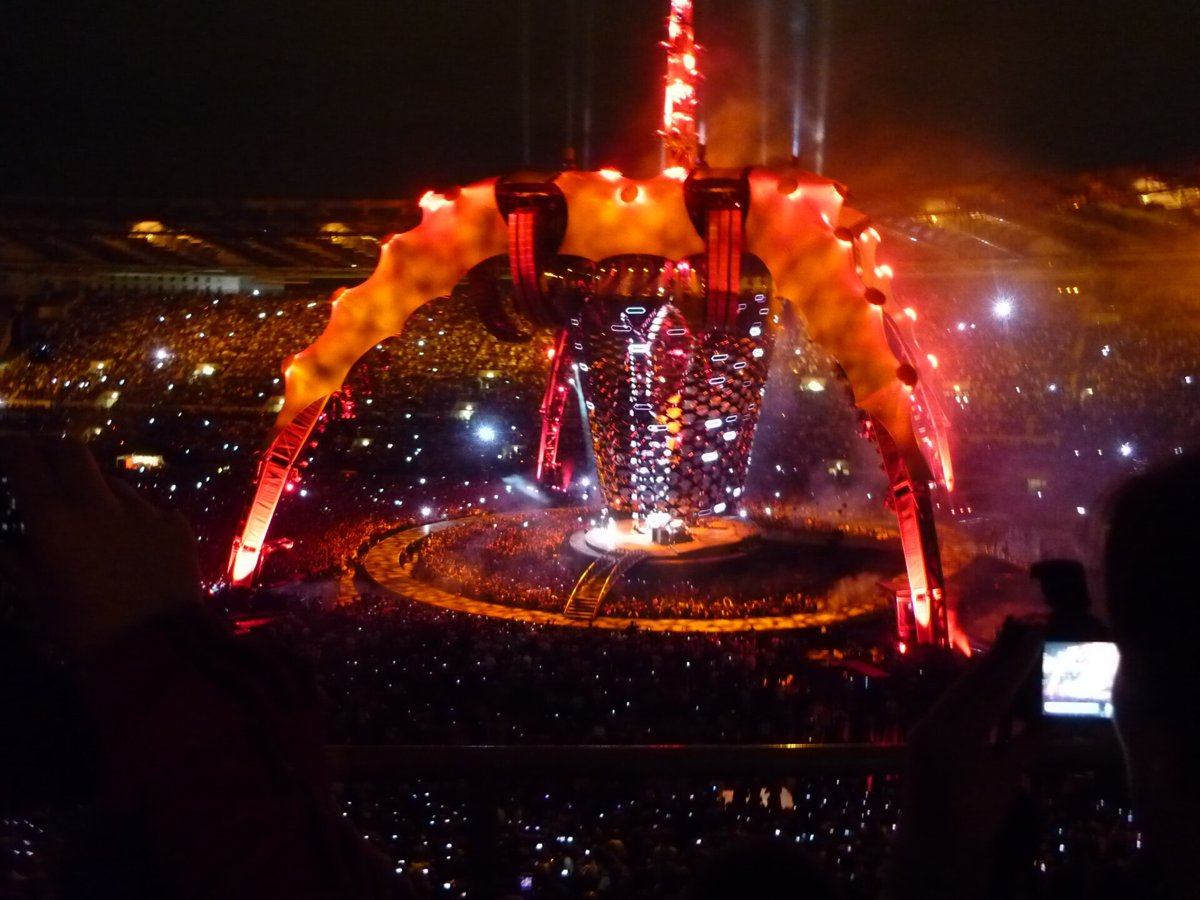
"The Greatest Show On Earth," the third advance single and, at five minutes and thirty-four seconds, one of the two longest tracks, is the album's centrepiece: a slow-building Eno collaboration plainly written with stadiums in mind, and the song the 2027 world tour takes its name from. "Glorify," co-written with Martin Garrix, and the aptly titled "Midnight Sunshine" keep the mood up, and "Can't Stop Us Now" extends it into a near-six-minute closer-in-spirit. Then the album does something else entirely. "Torn," the final track, is a duet between Bono and Dolly Parton, with longtime collaborator Daniel Lanois on pedal steel — and, as the band's own announcement states plainly, it is Parton's last recorded vocal performance. Heard in that knowledge, the song stops being a novelty pairing and becomes the record's emotional floor: two singers from very different traditions meeting on a song about what endures. A country version of the track, produced by Kent Wells, has since been released as well.
The Verdict
'Carnaval de Luz' is not a late bid to match 'The Joshua Tree' or 'Achtung Baby,' and it does not behave like one. Its middle sags in places, and its biggest statements are not always its best songs. But as a whole it is the most coherent and least encumbered U2 album in many years — a record about spirituality, friendship, freedom and endurance, in the band's own summary, that mostly trusts songs rather than scale to carry those ideas. The critical response has matched that reading: Hot Press awarded it nine out of ten, The Guardian heard some of the band's best work in decades, and NME, in a three-star review, concluded that for the first time in a long time U2 sound more playful than preachy. That is a fair summary. Fifty years in, U2 have made an album that sounds like four people who still like playing together — and in 2027 they will test it where they have always been most convincing, on stadium stages from Mexico City in February to Vancouver in October.