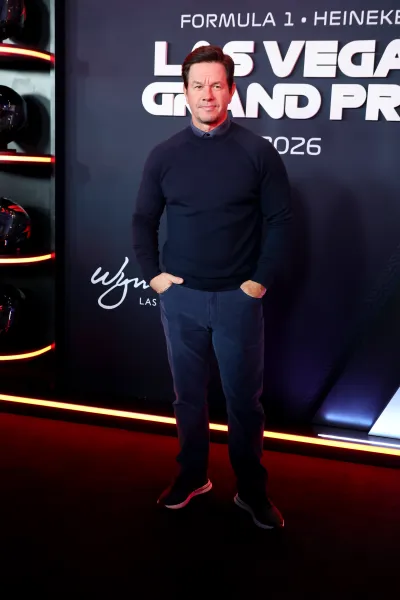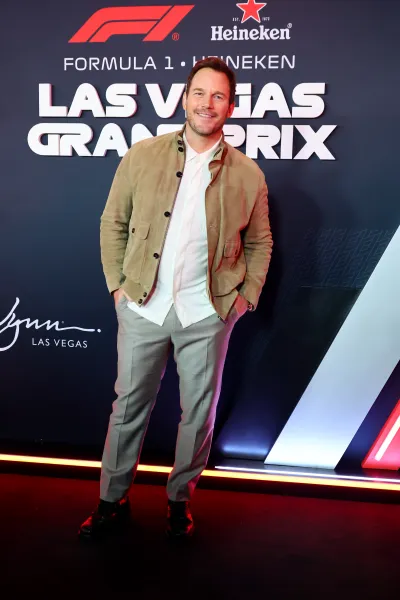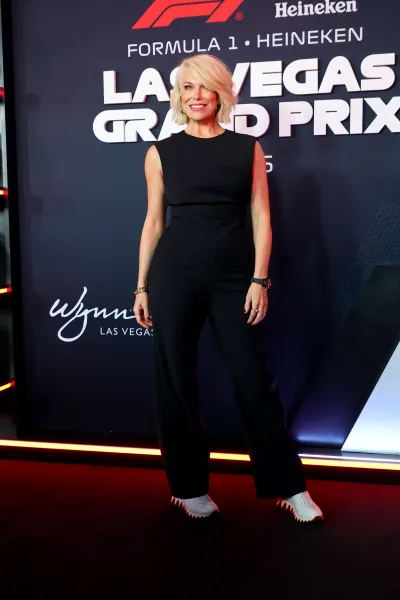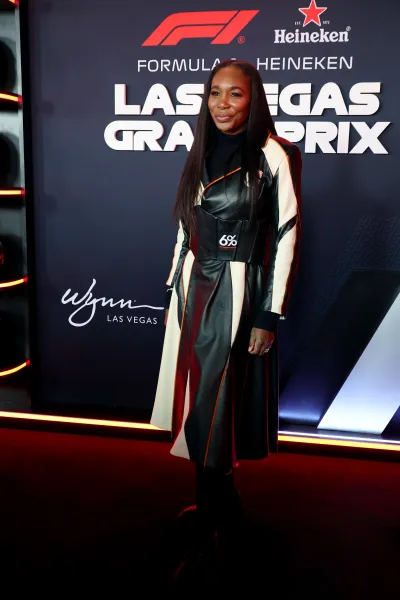
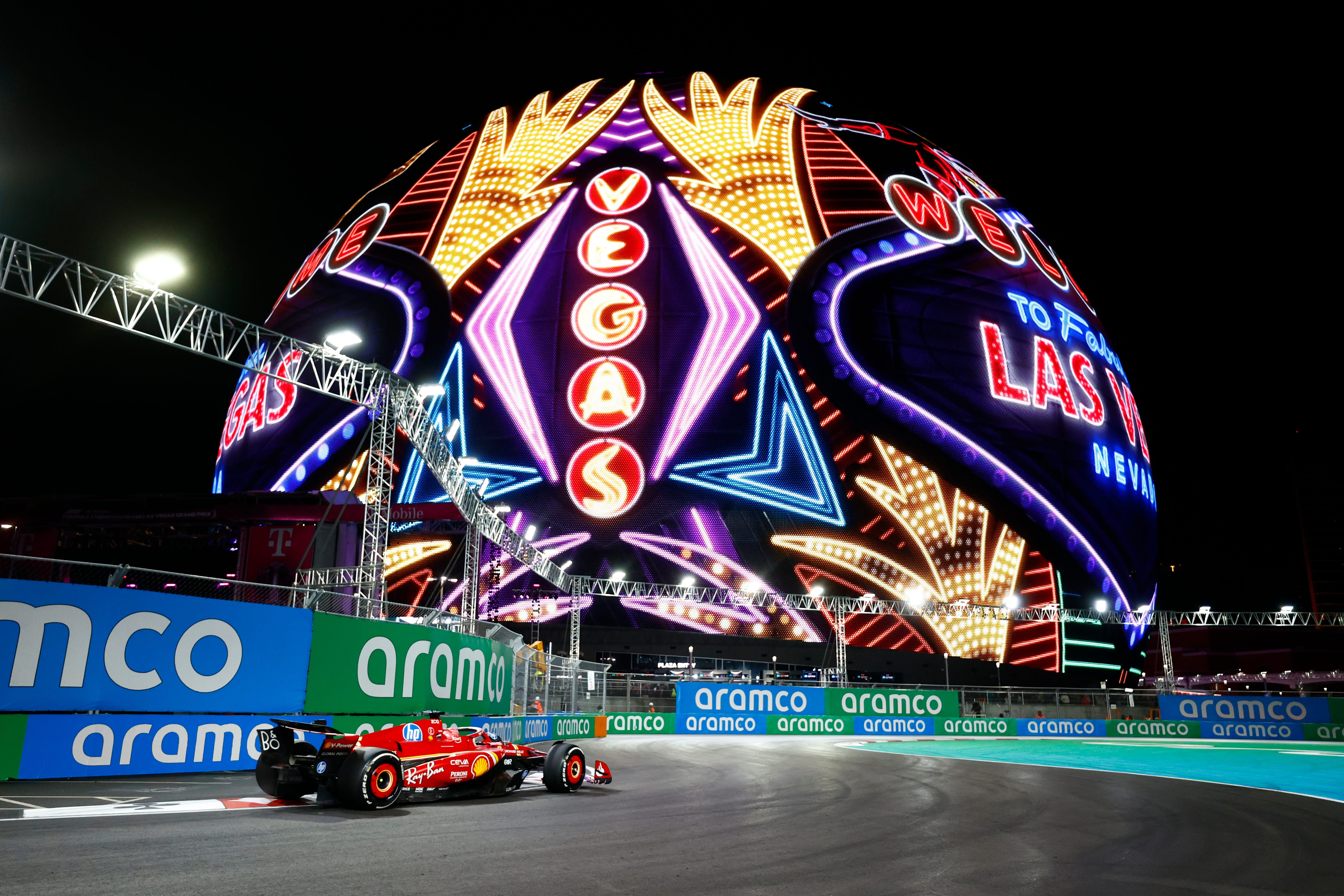
At night, Las Vegas has always been a city that refuses to fade into the background. In November, Formula 1 gave that restless energy a new soundtrack: engines cutting through the desert air, crowds gathering beneath hotel towers and racing cars turning one of America’s most famous streets into a high-stakes sporting arena. For the 2026 Las Vegas Grand Prix, the Strip was not merely scenery. It was part of the performance.
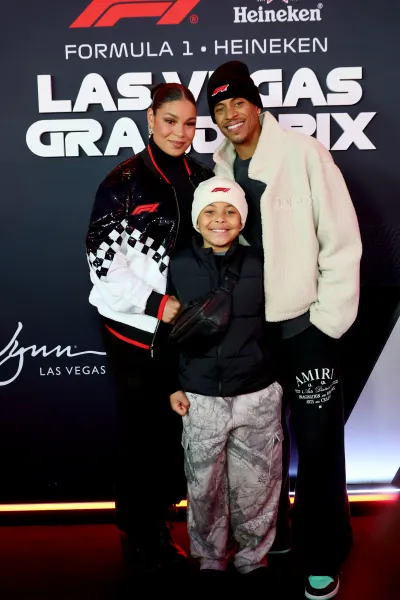
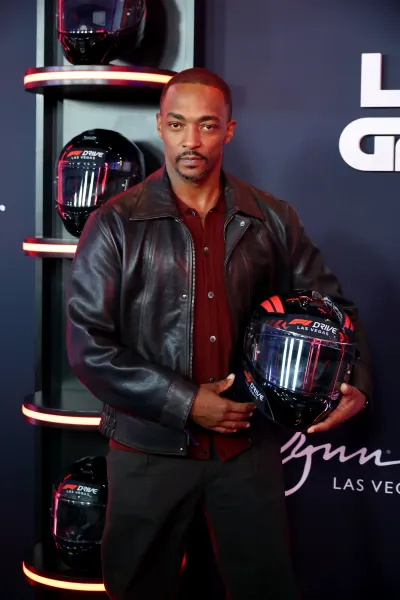
The weekend’s appeal went far beyond the timing screens. Actors, musicians, athletes, and television personalities moved through the paddock, while fans followed practice sessions, qualifying drama, and the anticipation of a Saturday-night showdown. The result was a rare collision of two worlds that usually command attention separately: celebrity culture and elite motorsport.
The Paddock Becomes a Red Carpet
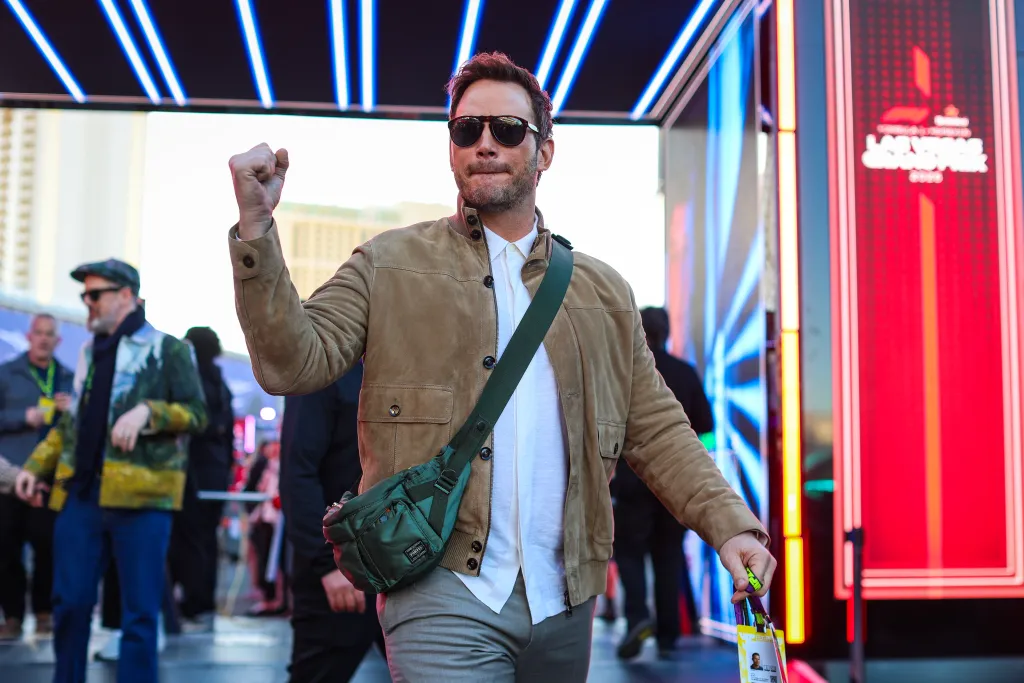
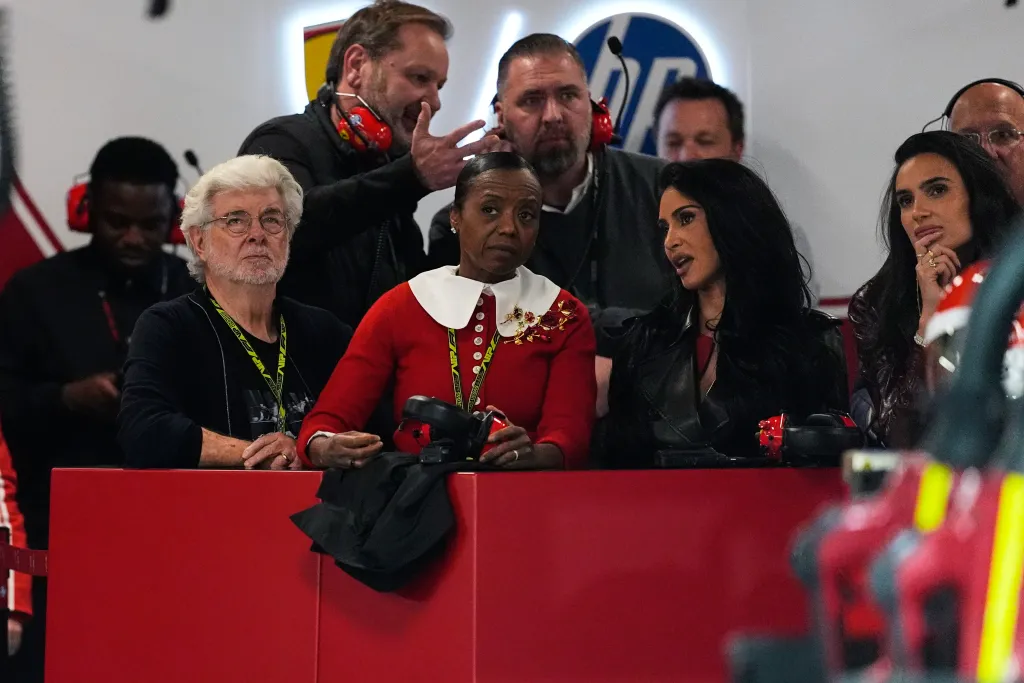
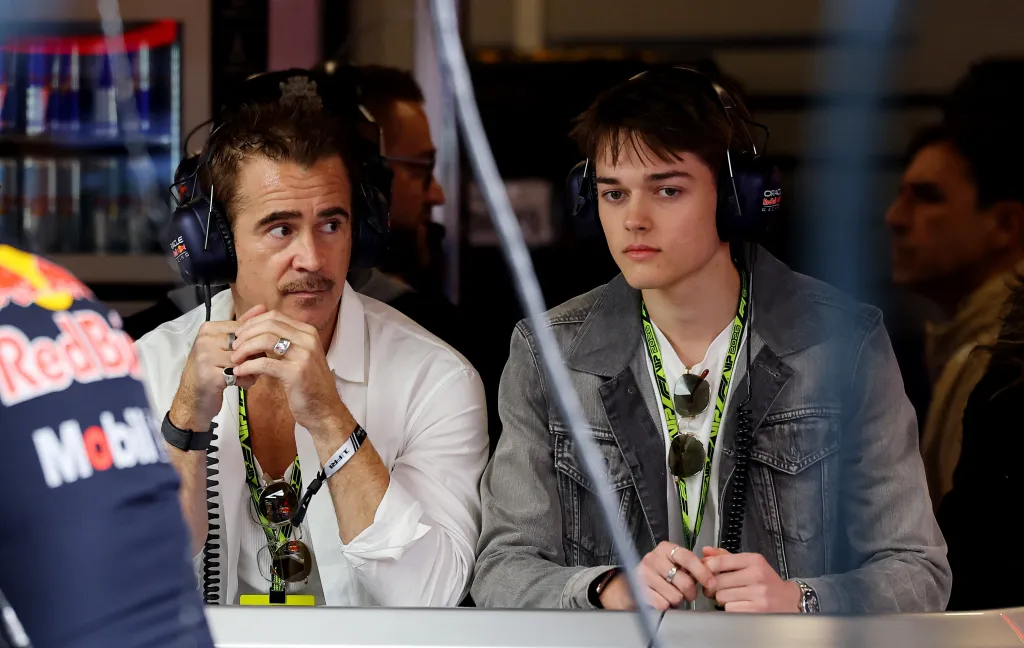
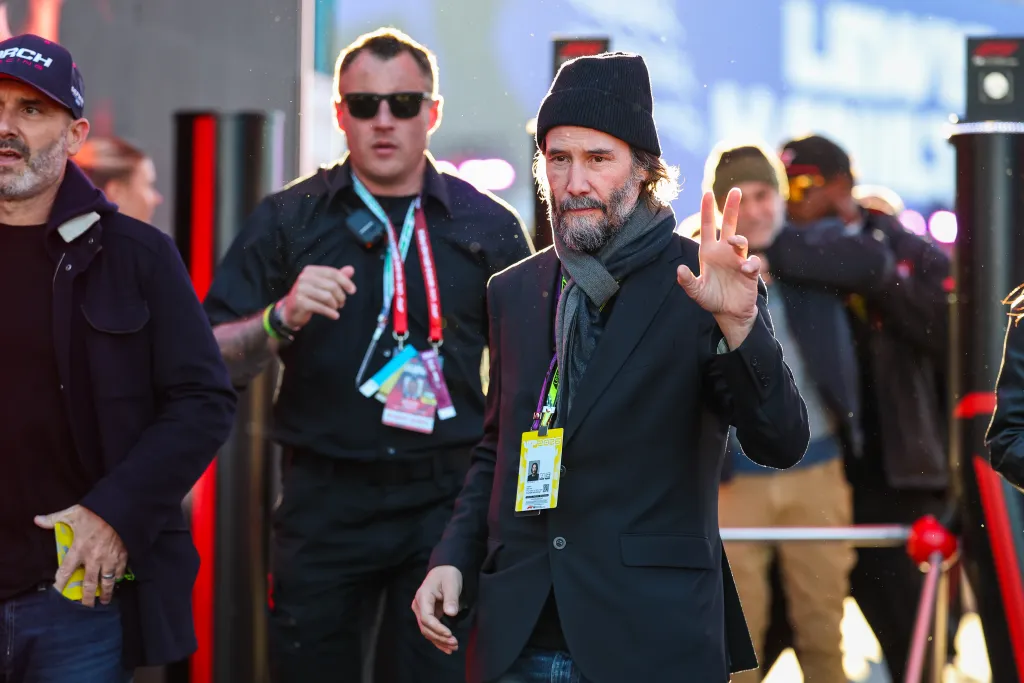
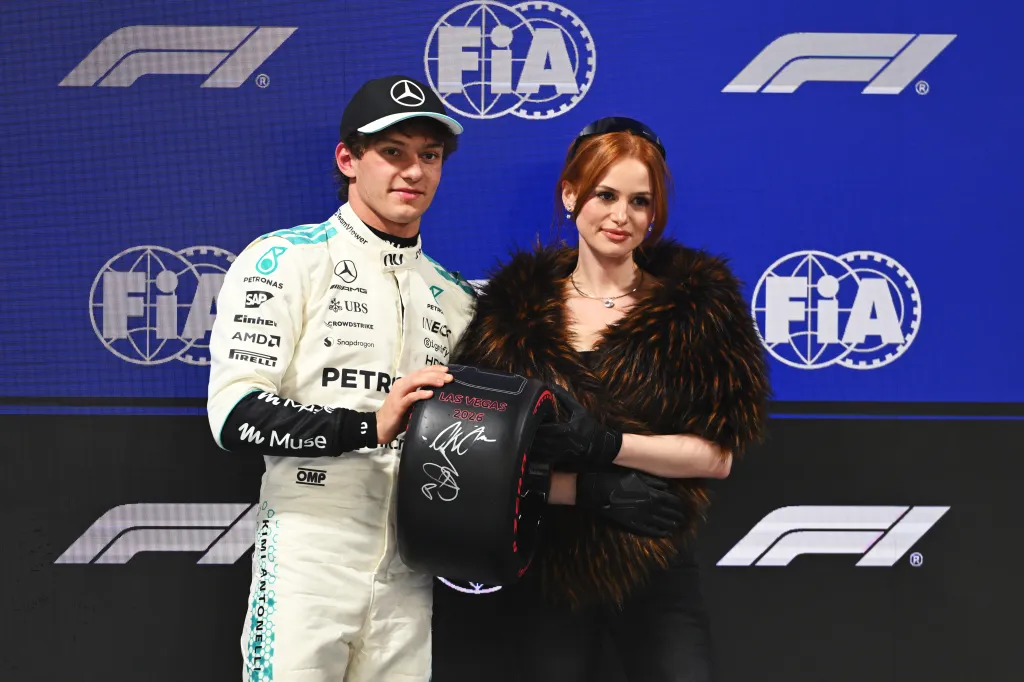
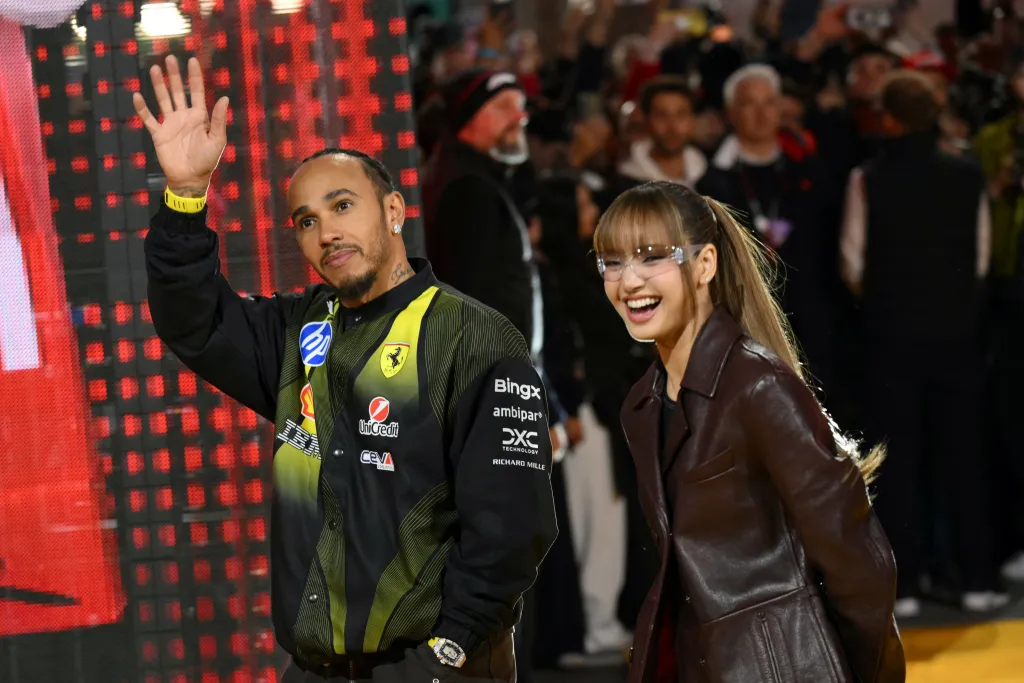
Kim Kardashian and Keanu Reeves were among the familiar faces spotted around the Grand Prix, joined by other entertainment figures drawn to one of the calendar’s most high-profile events. The pre-race social scene was equally busy. At a PEOPLE and InStyle gathering inside The Cosmopolitan on November 20, Sarah Michelle Gellar, Regé-Jean Page, Madelaine Petsch, Dylan Efron, Brooks Nader, and Stassi Schroeder were among the guests mixing racing enthusiasm with a distinctly Vegas sense of occasion.
That blend is central to the modern appeal of Formula 1. The paddock can be a place of intense concentration for engineers and drivers, then transform a few steps away into a crossroads for film, fashion, and music. Some guests come with detailed knowledge of the championship; others arrive because the Grand Prix is now one of the year’s biggest social invitations. Both groups add to the electric atmosphere.
The Competition Is Still the Main Event
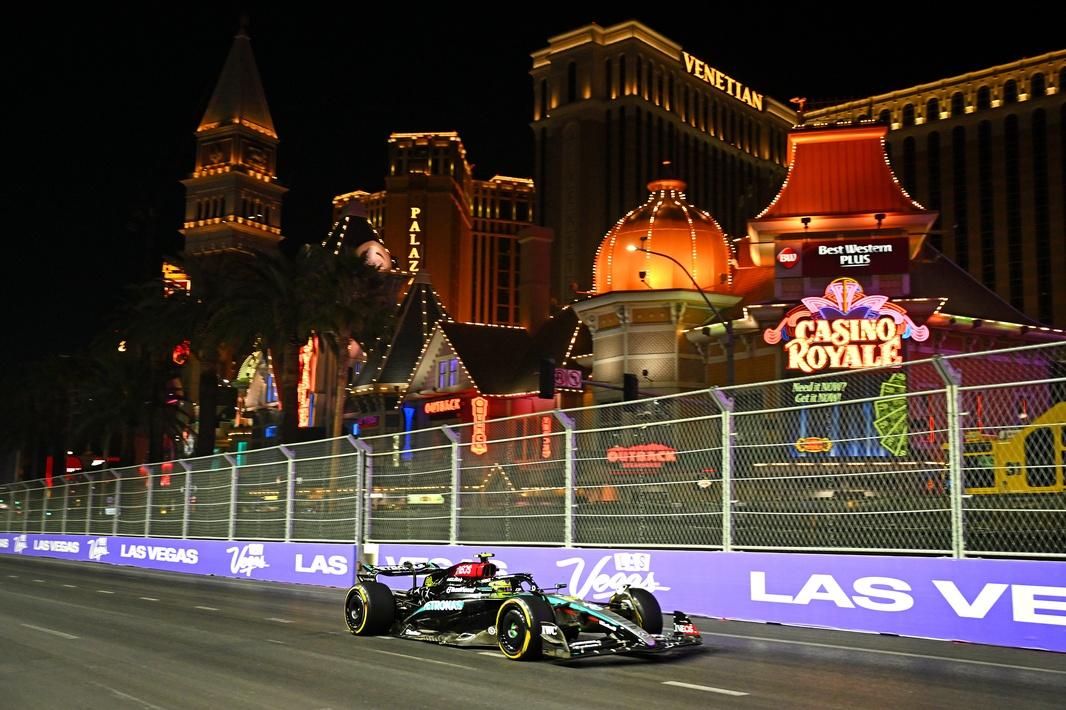
Behind the camera flashes, the drivers were preparing for a demanding 50-lap race around the 6.201-kilometer Las Vegas Strip Circuit. Long stretches at high speed offer chances to attack, but braking zones, changing grip, and the pressure of racing beneath lights mean that small mistakes can carry enormous consequences. What looks effortless from a rooftop suite requires extraordinary precision inside the cockpit.
Qualifying provided the weekend’s biggest sporting twist before the race even began. Mercedes driver Kimi Antonelli set the fastest lap, a 1:33.893, only for a five-place grid penalty connected to power-unit changes to send him to sixth for the start. Max Verstappen inherited pole position for Red Bull, with George Russell alongside him. Lando Norris and Isack Hadjar lined up behind them, giving the opening laps a compelling mix of ambition and opportunity.
Ferrari, meanwhile, faced a tougher path. Charles Leclerc and Lewis Hamilton both missed the final qualifying session, leaving them to approach race night from outside the top ten. In a city associated with spectacular reversals, the grid offered a reminder that reputation alone cannot secure a result. Whatever the guest list, a Formula 1 weekend ultimately answers to the clock.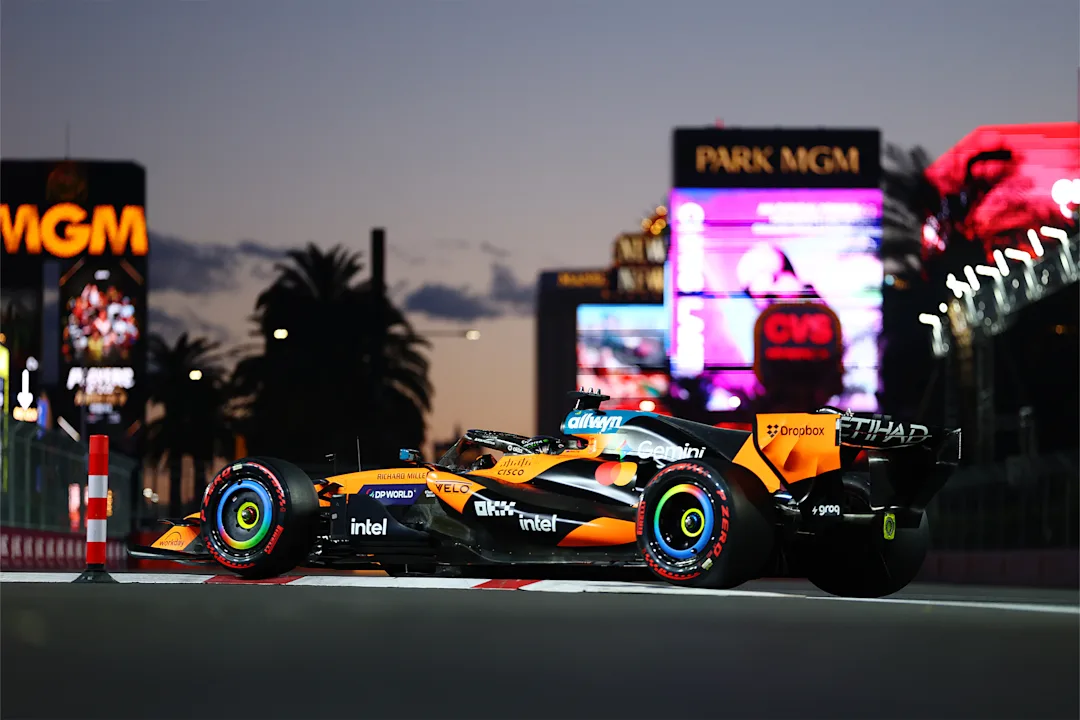
More Than One Kind of Racing
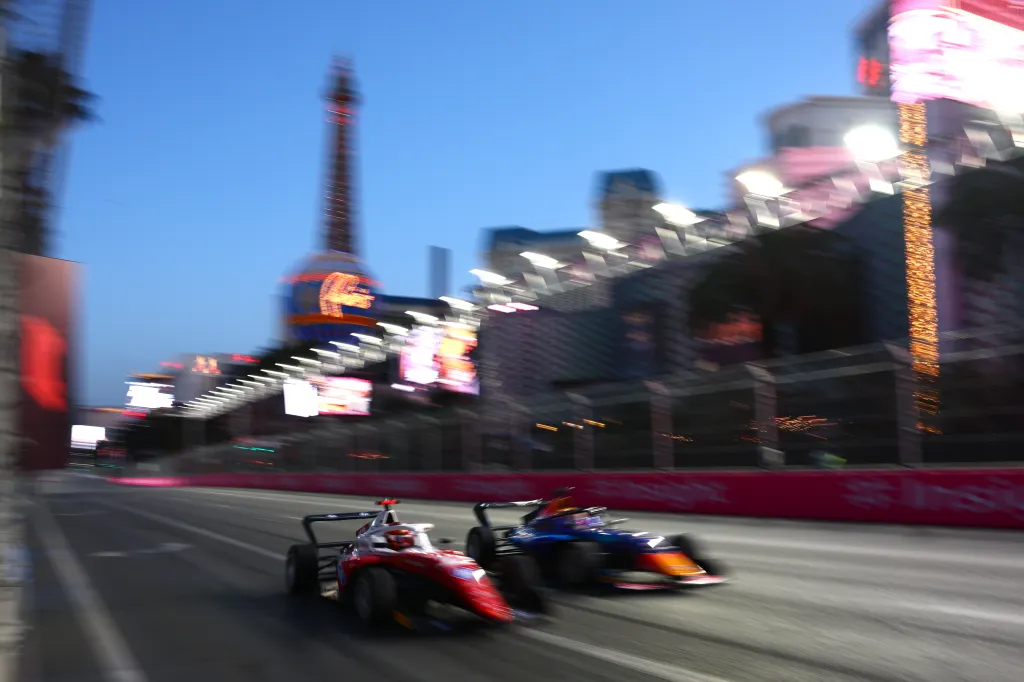
The weekend also made space for a different generation of talent. F1 Academy, the all-female racing series, staged races in Las Vegas, placing emerging drivers on a major international platform. Alisha Palmowski won the feature race, a moment that helped underline the importance of giving promising racers visibility alongside the sport’s headline attraction.
On the lighter side, a celebrity LEGO race put well-known personalities into playful, brick-built racing machines. Gordon Ramsay, BLACKPINK’s Lisa, Jordan Chiles, Hannah Waddingham and Terry Crews were among those participating. It was a deliberately joyful contrast to the technical intensity of the main competition: a reminder that a Grand Prix can welcome new fans without asking the serious racing to become any less serious.
A Soundtrack Worthy of the City
Music remained essential to the Vegas equation. The official entertainment program featured Steve Aoki and MORTEN in the pre-race buildup, with Jordin Sparks performing the national anthem. Across race-week stages, the bill included Sean Paul, DISCLOSURE, Natasha Bedingfield, Ja Rule, and Icona Pop, while a Backstreet Boys performance at Sphere was part of the advertised afterparty program.
These performances were not incidental extras. They gave the event the rhythm of a citywide festival, one in which the racing could draw spectators to the Strip and the broader spectacle could introduce new audiences to Formula 1. A grandstand ticket offered one perspective; the surrounding restaurants, parties, and live music supplied another.
A City Built for the Spectacle
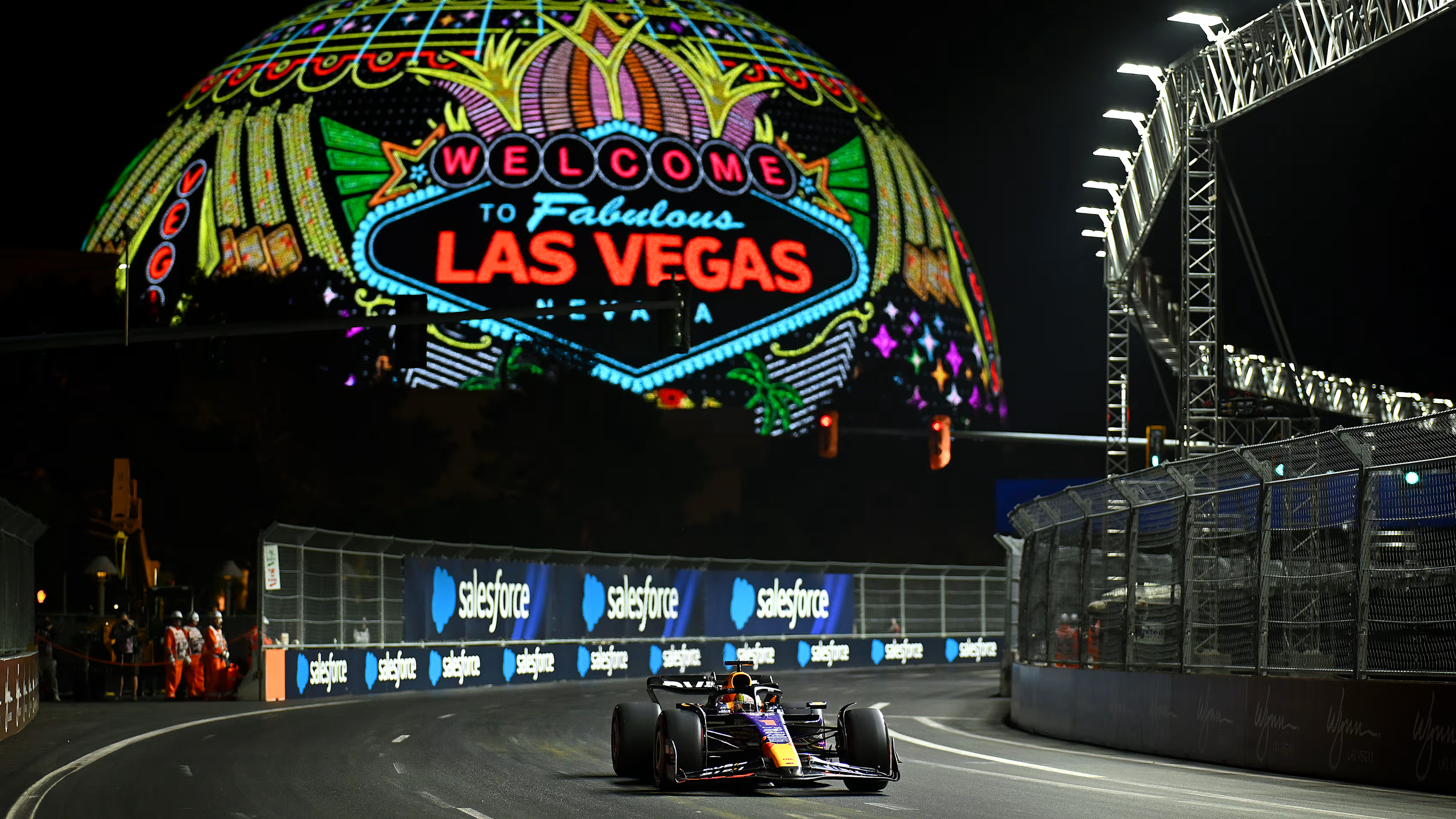
For all its extravagance, the most striking feature of the Las Vegas Grand Prix may be how naturally the sport fits its surroundings. Formula 1 is a global business built on engineering, ambition, and spectacle. Las Vegas is a city built on turning an ordinary night into an event. Together, they create a stage where fans can admire the machinery, follow the personalities, and feel a sense of occasion before a single lap has been completed.
The lasting image of the 2026 weekend is therefore larger than a celebrity sighting or a luxury suite. It is the contrast: famous faces under bright lights, teams working under relentless pressure, young drivers earning attention, and the Strip briefly surrendered to the sound of racing. In Las Vegas, Formula 1 did not have to choose between sport and show business. For one extraordinary weekend, the two shared the same stage.